

Exploring the Depths: Spearfishing in San Diego
Dive into the exhilarating world of spearfishing in San Diego! Discover the best spots, techniques, and gear for an unforgettable underwater adventure.
Read now
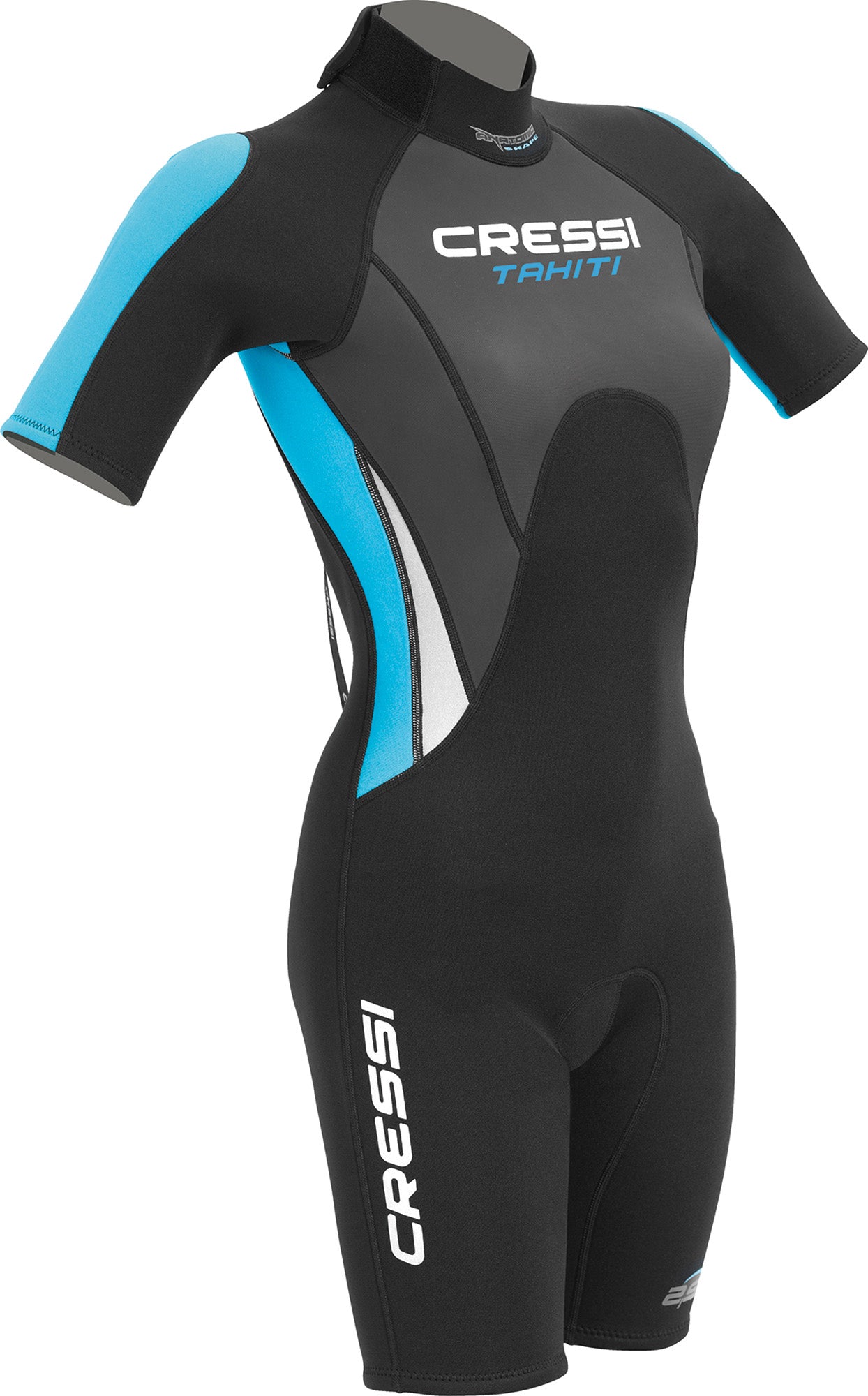
In the vast and thrilling world of water sports, a question that often surfaces among enthusiasts and beginners alike is: will a wetsuit keep you warm in cold water? This inquiry is not just about understanding a piece of equipment but delving into the science that allows humans to explore the mesmerizing underwater realm safely and comfortably. Let's embark on a journey to uncover the layers of this question, much like the layers of a wetsuit, and explore how this essential gear enables adventurers to dive deeper into the aquatic world.
At the core of the wetsuit's ability to keep you warm is a fascinating interplay of materials and physics. Understanding this science is not just about appreciating the gear but about embracing the full potential of your underwater adventures.
The primary material used in wetsuits is neoprene, a type of synthetic rubber that is both flexible and insulating. Neoprene's unique structure is what sets the stage for warmth underwater. But how does this material achieve such a feat?
Neoprene traps a thin layer of water between the wetsuit and the skin. Your body warms this water, and because neoprene is an excellent insulator, it prevents this warmth from escaping. This creates a warm 'water jacket' that shields you from the cold temperatures outside.
Not all wetsuits are created equal. The thickness of the neoprene plays a crucial role in determining the level of warmth provided. Wetsuits can range from 2mm (ideal for warm waters) to 7mm (designed for cold conditions). The thicker the wetsuit, the greater the insulation.
However, it's essential to match the wetsuit's thickness with the water temperature you'll be diving in. A wetsuit too thin for cold water won't provide adequate warmth, while one that's too thick for warm water could lead to overheating.
Thermal protection is a key consideration when choosing a wetsuit. In addition to neoprene thickness, factors like seam construction and additional features such as hoods and boots can enhance the wetsuit's ability to keep you warm in cold water.
Seams in wetsuits can be flatlock, glued and blind-stitched, or sealed and taped. Each type offers varying levels of water resistance and heat retention. Hoods and boots are essential for full-body coverage in extremely cold conditions, ensuring that no heat escapes during your dive.
Wearing a wetsuit in cold water is not just about comfort; it's a matter of safety. Hypothermia is a real risk when diving in cold environments, and understanding how a wetsuit protects you is crucial.
Hypothermia occurs when the body loses heat faster than it can produce it, causing the body's core temperature to drop dangerously low. A well-fitted wetsuit provides an essential barrier against this heat loss, making it a critical piece of safety equipment in cold water diving.
It's important to note that while wetsuits offer significant protection, they are not a complete safeguard against hypothermia. Proper dive planning, including understanding the limits of your gear and your body, is essential.
Beyond safety, the warmth provided by a wetsuit can greatly enhance your diving experience. Comfort in the water allows you to focus on the adventure, whether it's exploring a vibrant coral reef or investigating a mysterious shipwreck.
A comfortable diver is a confident diver. The assurance that comes from knowing you're protected allows you to relax and fully immerse yourself in the underwater world.
Selecting the appropriate wetsuit is a journey in itself, one that requires consideration of several factors to ensure your underwater excursions are both safe and enjoyable.
A wetsuit should fit like a second skin, snug but not constricting. This fit minimizes the water flow in and out of the suit, ensuring the layer of warm water stays close to your body. An ill-fitting wetsuit can lead to excessive heat loss, diminishing its effectiveness.
When trying on wetsuits, pay attention to areas like the back of the knees and under the arms. These spots should not have significant gaps or bunching, which can indicate a poor fit.
The type of water activity you're engaged in also influences the kind of wetsuit you'll need. For example, surfers might opt for different wetsuit styles and thicknesses than divers, due to the different levels of exertion and exposure to water.
Additionally, consider the flexibility of the wetsuit. Activities that require a greater range of motion, like surfing or free diving, benefit from wetsuits designed with more flexible materials in key areas.
Neoprene, the miracle material behind wetsuits, offers exceptional insulating properties that make it a staple in cold water gear. The cellular structure of neoprene contains nitrogen gas bubbles, which contribute to its buoyancy and thermal efficiency.
When submerged in water, these tiny bubbles reduce the material's thermal conductivity, minimizing heat loss from your body to the surrounding environment. This insulation is crucial for maintaining a comfortable body temperature during prolonged exposure to cold water.
Aside from its insulating properties, neoprene thickness also affects buoyancy. Thicker neoprene provides more buoyancy, which can be advantageous for divers who need extra lift or surfers looking to stay afloat in rough waters.
Understanding the relationship between neoprene thickness, insulation, and buoyancy is essential for selecting the right wetsuit for your specific water activities and environmental conditions.
Equipped with the right wetsuit, cold water diving opens up a world of adventure. From the eerie silence of ice diving to the unique ecosystems found in colder seas, the experiences are as diverse as they are breathtaking.
Cold water regions are home to some of the most unique and diverse marine life on the planet. Creatures like the giant Pacific octopus or the leafy sea dragon are just some of the wonders that await those willing to brave the cold.
These ecosystems also offer a different kind of beauty, with kelp forests and ice formations providing stunning backdrops to your dives.
Cold water diving is not just about what you see but what you overcome. The challenge of diving in cold water, equipped with the right knowledge and gear, is a rewarding experience that pushes your limits and expands your capabilities as a diver.
The sense of accomplishment that comes from successfully navigating a cold water dive is unmatched, adding a layer of adventure to the already thrilling experience of exploring the underwater world.
In conclusion, a wetsuit does indeed keep you warm in cold water, serving as a critical piece of equipment that enables divers to explore the depths safely and comfortably. But beyond its functional purpose, a wetsuit is a key that unlocks the door to new adventures, challenges, and the endless beauty of the underwater world. As we continue to dive deeper, let's remember the importance of choosing the right gear, understanding the science behind it, and always respecting the powerful and majestic nature of the sea.
Ready to embrace the underwater adventure while staying warm? Lancaster Scuba is your gateway to a seamless cold water diving experience. From top-notch wetsuits to expert diving instruction, we've got you covered. Gear up with our extensive selection, dive into PADI-certified courses, and travel to breathtaking dive sites. Check out our scuba gear and start your journey into the depths today!


{"one"=>"Select 2 or 3 items to compare", "other"=>"{{ count }} of 3 items selected"}