

Exploring the Depths: Spearfishing in San Diego
Dive into the exhilarating world of spearfishing in San Diego! Discover the best spots, techniques, and gear for an unforgettable underwater adventure.
Read now
In the vast, blue expanse of the ocean, where the spirit of adventure beckons, scuba divers prepare for their descent into the underwater world. Among the myriad of rituals and preparations, one question often surfaces with bubbling curiosity: Why do scuba divers roll backwards off boats? This seemingly simple action is steeped in practicality, safety, and a touch of the adventurous spirit that defines the diving community.
The backward roll entry into the ocean is more than just a technique; it's a gateway to the underwater realm, designed with purpose and safety at its core. This method is not merely a tradition passed down through generations of divers; it's a testament to the thoughtful, meticulous nature of the sport.
The backward roll is a controlled method by which scuba divers enter the water from a stationary or slowly moving boat. Sitting on the edge of the boat, divers cross their legs, hold their masks and regulators, and then roll backward into the water. This technique is not only efficient but also ensures the safety of the diver and the integrity of the diving equipment.
The elegance of the backward roll lies in its simplicity and effectiveness. It allows divers to keep their gear secure and avoid the impact with the water that might dislodge or damage equipment. Moreover, it's a method that can be quickly learned and executed, making it ideal for divers of all levels.
Safety is paramount in scuba diving, and the backward roll entry method is a testament to the sport's commitment to diver well-being. This technique minimizes the risk of injury from hitting the water or the boat and ensures that the diver's entry into the ocean is as smooth as possible. It also prevents the scuba tank from striking the diver's back or the boat, which could cause damage or injury.
Additionally, the backward roll helps divers maintain control of their descent from the very beginning. By rolling backward, divers can more easily orient themselves underwater, find their buoyancy, and start their dive in a calm, prepared state.
For many divers, the backward roll is the first step into an adventure. It symbolizes the transition from the terrestrial world to the aquatic realm, where wonders and discoveries await. This method of entry, with its blend of safety and excitement, perfectly encapsulates the spirit of scuba diving—a sport that continually pushes the boundaries of exploration and human capability.
Every backward roll is a diver's leap of faith into the unknown, a testament to their trust in their skills, equipment, and the supportive community that surrounds them. It's a moment filled with anticipation, as divers prepare to encounter the marvels of the underwater world.
Scuba diving is a sport that relies heavily on the quality and reliability of its equipment, as well as the skill and preparedness of the diver. The backward roll entry method is a prime example of how technique, training, and gear come together to ensure a safe and enjoyable dive.
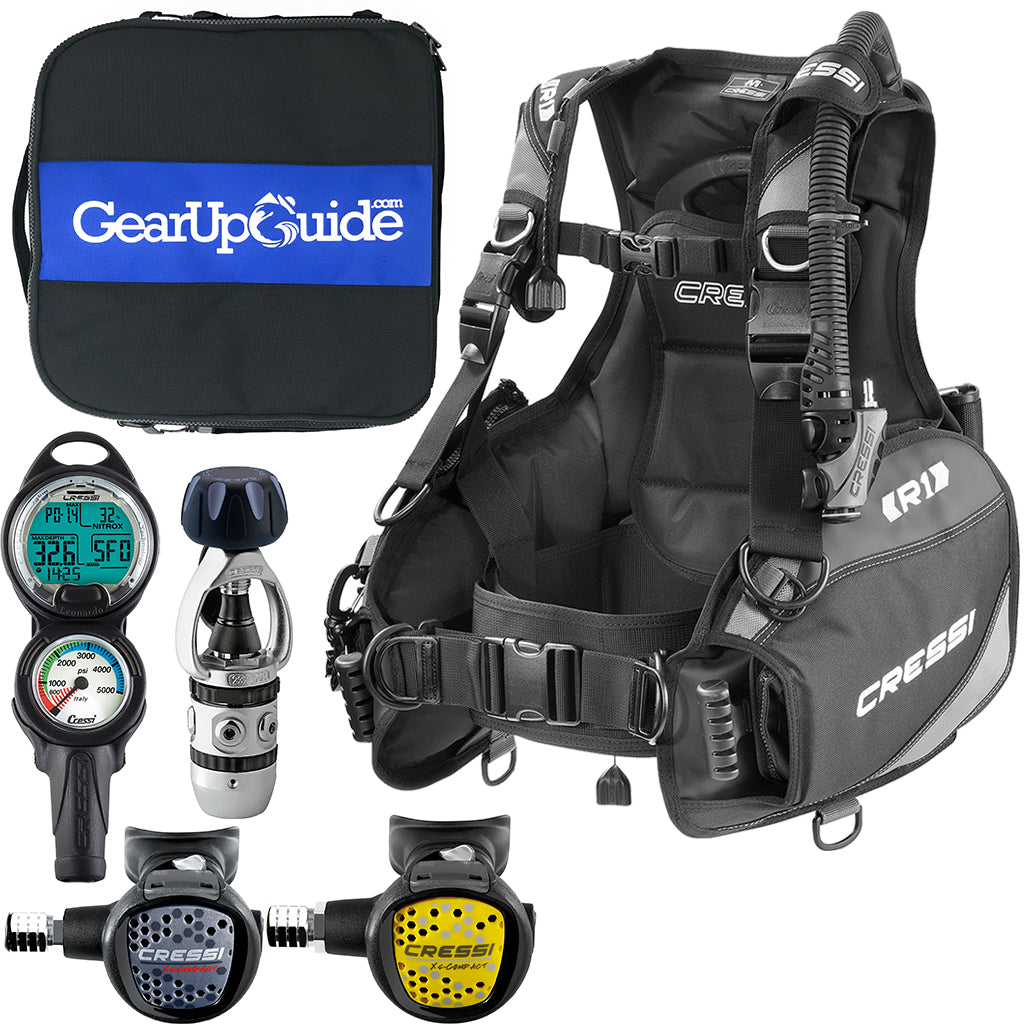
The right equipment is crucial for a successful backward roll. From the buoyancy control device (BCD) to the scuba tank, each piece of gear plays a role in making the entry smooth and safe. Divers must ensure that their equipment is properly secured and adjusted to prevent any issues upon entering the water.
Moreover, the design of modern scuba gear accommodates the needs of divers, including the ability to perform a backward roll without damaging the equipment. Manufacturers are continually innovating to enhance the safety, comfort, and efficiency of dive gear, further facilitating this entry technique.
Training is another cornerstone of scuba diving, and learning the backward roll is a fundamental part of diver education. Dive instructors emphasize the importance of this technique, teaching students how to execute it safely and effectively. Through practice, divers become comfortable with the backward roll, making it an instinctive part of their dive preparation.
Preparedness extends beyond the physical execution of the roll. Divers are taught to assess conditions, such as waves and boat movement, to determine the best entry method. This decision-making process is crucial for ensuring the safety and success of the dive.
Aside from its safety considerations, the backward roll entry method offers additional benefits to divers. One significant advantage is the conservation of energy. By rolling backward off the boat, divers can enter the water smoothly and efficiently, expending minimal effort in the process. This conservation of energy is particularly important for longer dives or when facing challenging underwater conditions.
Furthermore, the backward roll entry allows divers to maintain a streamlined position as they enter the water. This streamlined posture reduces drag and resistance, enabling divers to start their descent with minimal disturbance to the surrounding environment. It also promotes better buoyancy control, as divers can enter the water in a controlled manner, setting the tone for a stable and comfortable dive.
Beyond its physical advantages, the backward roll entry method offers psychological benefits to divers. The act of rolling backward into the unknown expanse of the ocean can be a powerful exercise in overcoming fear and building confidence. It challenges divers to trust in their training, equipment, and skills, fostering a sense of self-assurance and resilience.
Moreover, the backward roll can serve as a ritual of preparation and focus before a dive. As divers execute the roll, they enter a mindset of readiness and concentration, leaving behind distractions and uncertainties from the surface world. This mental preparation can enhance the overall dive experience, allowing divers to fully immerse themselves in the underwater environment.
While the backward roll entry method is widely practiced and valued in the diving community, there are alternative techniques that divers may explore based on specific circumstances or preferences. One such method is the giant stride entry, where divers step off the boat's edge into the water in a large stride. This technique is often used in situations where a backward roll may not be feasible, such as in rough seas or crowded dive sites.
Another entry technique is the seated entry, where divers slide off the boat's platform while seated on the edge. This method is commonly employed on dive boats with lower platforms or when divers need to enter the water with minimal disturbance to the surface. Each entry technique has its advantages and considerations, and divers may choose the most suitable method based on the conditions and requirements of the dive.
Scuba divers operate in a diverse range of environments, from tranquil coral reefs to dynamic drift dives. In each setting, the choice of entry technique plays a crucial role in ensuring a safe and successful dive. While the backward roll is a versatile and widely applicable method, divers must be prepared to adapt to different conditions and challenges.
For instance, in strong currents or surge conditions, divers may need to modify their entry technique to maintain control and stability. This adaptation may involve adjusting the angle or timing of the backward roll to account for the underwater currents. By being flexible and responsive to environmental factors, divers can enhance their safety and enjoyment during dives in varied environments.
The backward roll entry method is a hallmark of scuba diving, embodying the sport's dedication to safety, adventure, and the joy of exploration. It's a technique that, while simple in execution, represents the careful balance between the thrill of discovery and the unwavering commitment to diver safety.
As divers continue to roll backward into the depths of the ocean, they carry with them the spirit of adventure that defines scuba diving. Each roll is a step into the unknown, a moment of trust in the face of the vast, unexplored underwater world. And so, the backward roll remains not just a method of entry, but a symbol of the adventure, camaraderie, and endless possibilities that lie beneath the surface.
Ready to embrace the spirit of adventure and dive into the world of scuba? Lancaster Scuba is your gateway to the underwater realm. With our extensive selection of gear, expert diving instruction, and exotic travel destinations, we're here to ensure your experience is seamless from start to finish. Whether you're gearing up for your first dive or seeking new underwater challenges, check out our scuba gear and join the Lancaster Scuba community today. Gear. Dive. Travel. Your adventure awaits!


{"one"=>"Select 2 or 3 items to compare", "other"=>"{{ count }} of 3 items selected"}