

Exploring the Depths: Spearfishing in San Diego
Dive into the exhilarating world of spearfishing in San Diego! Discover the best spots, techniques, and gear for an unforgettable underwater adventure.
Read now
In the vast, blue expanse of the ocean, where adventure calls and the unknown beckons, lies the exhilarating experiences of scuba diving and freediving. Each, a unique journey into the depths, offers a different perspective on the underwater world. Yet, amidst the thrill and allure of these aquatic adventures, a critical guideline surfaces—a caution against transitioning from scuba diving to freediving without allowing a significant break. This article delves into the reasons behind this essential safety measure, exploring the physiological and environmental factors that dictate this rule.
At the heart of understanding why freediving after scuba diving is discouraged lies a dive into the physiological impacts of underwater exploration on the human body. The principles of pressure and gas absorption underlie the risks associated with immediate transition between these two forms of diving.
Scuba diving exposes the body to increased pressure, leading to higher amounts of nitrogen being absorbed by the body's tissues. This phenomenon, governed by Henry's Law, explains how gas solubility in a liquid is directly proportional to the pressure exerted on the gas. As divers ascend and pressure decreases, nitrogen begins to off-gas. However, this process is not instantaneous and requires time for the body to safely eliminate excess nitrogen.
Failure to allow sufficient time for nitrogen off-gassing can result in decompression sickness (DCS), a potentially serious condition arising from nitrogen bubbles forming in the bloodstream and tissues. Symptoms of DCS can range from joint pain and dizziness to more severe neurological and cardiovascular complications.
Freediving, in contrast to scuba diving, involves diving on a single breath without the aid of breathing apparatus. This practice significantly reduces the risk of nitrogen absorption due to the absence of pressurized gas intake. However, freediving immediately after scuba diving poses a risk. The rapid pressure changes experienced during freediving can exacerbate nitrogen bubble formation, increasing the likelihood of DCS.
Moreover, the physical exertion associated with freediving can further stimulate nitrogen bubble formation, compounding the risk. Thus, engaging in freediving activities before the body has adequately off-gassed the nitrogen absorbed during scuba diving is strongly discouraged.
Adhering to safety guidelines is paramount in preventing decompression sickness and ensuring a safe transition between scuba diving and freediving. The diving community, supported by research and diving organizations, offers clear recommendations to protect divers.
Diving organizations, such as PADI (Professional Association of Diving Instructors) and DAN (Divers Alert Network), recommend a minimum surface interval between scuba diving and freediving. Although specific recommendations can vary, a common guideline is to wait at least 24 hours after scuba diving before engaging in freediving activities. This interval allows the body ample time to off-gas absorbed nitrogen, significantly reducing the risk of DCS.
These recommendations are based on studies and statistical data analyzing the incidence of DCS among divers. For instance, DAN's annual diving report often includes data on DCS cases, reinforcing the importance of adhering to recommended surface intervals.
Individual health and fitness levels play a crucial role in how efficiently the body can off-gas nitrogen. Factors such as age, body composition, and overall fitness can affect nitrogen absorption and elimination rates. Divers with higher body fat percentages may absorb and retain nitrogen longer, necessitating longer surface intervals.
Additionally, staying hydrated, avoiding alcohol, and maintaining good physical condition can enhance nitrogen off-gassing. Divers are encouraged to assess their personal health and fitness when planning dives and adhere to conservative surface interval guidelines to ensure safety.
It is essential to note that while guidelines provide a general framework for safe diving practices, individual differences in physiology and diving experience can influence the effectiveness of these recommendations. Experienced divers may have developed a better understanding of their bodies' responses to diving activities, allowing them to make informed decisions regarding surface intervals and dive planning.
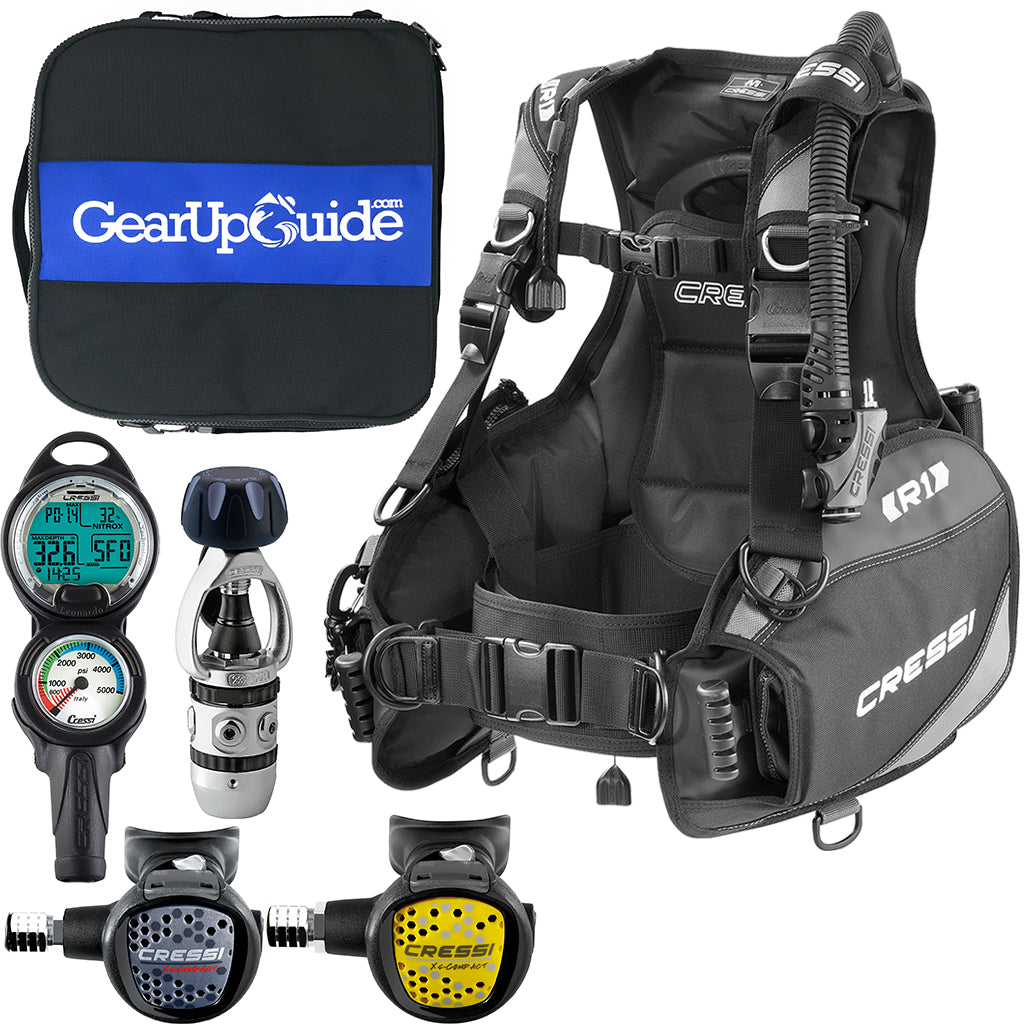
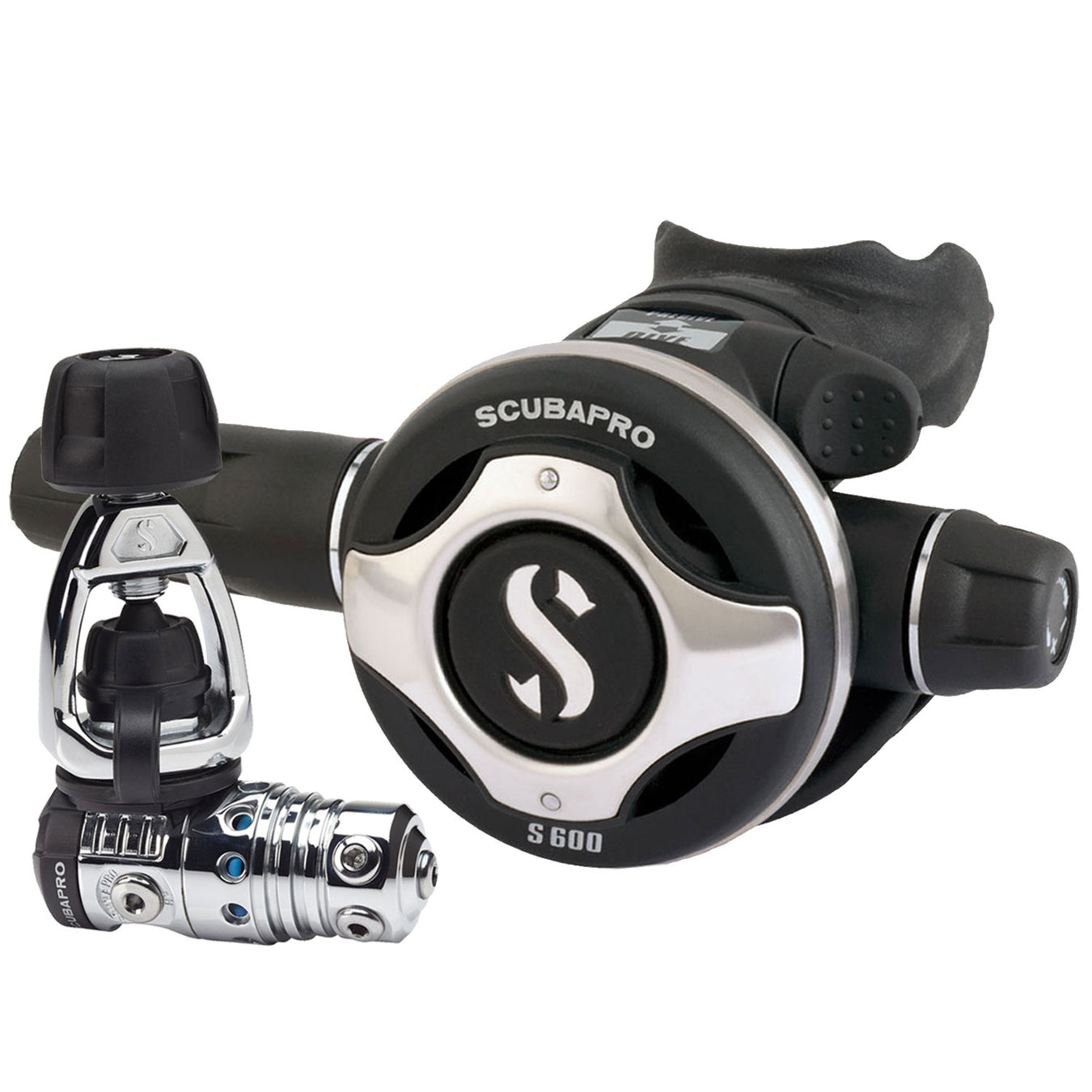
Aside from physiological factors, the equipment used in scuba diving and freediving also plays a significant role in the safety and success of each dive. Scuba divers rely on complex gear, including tanks, regulators, and buoyancy control devices, to explore the underwater world comfortably and safely.
Proper maintenance and regular inspection of scuba equipment are crucial to prevent malfunctions that could lead to dangerous situations underwater. Divers are trained to perform pre-dive equipment checks to ensure that all components are functioning correctly before descending into the depths.
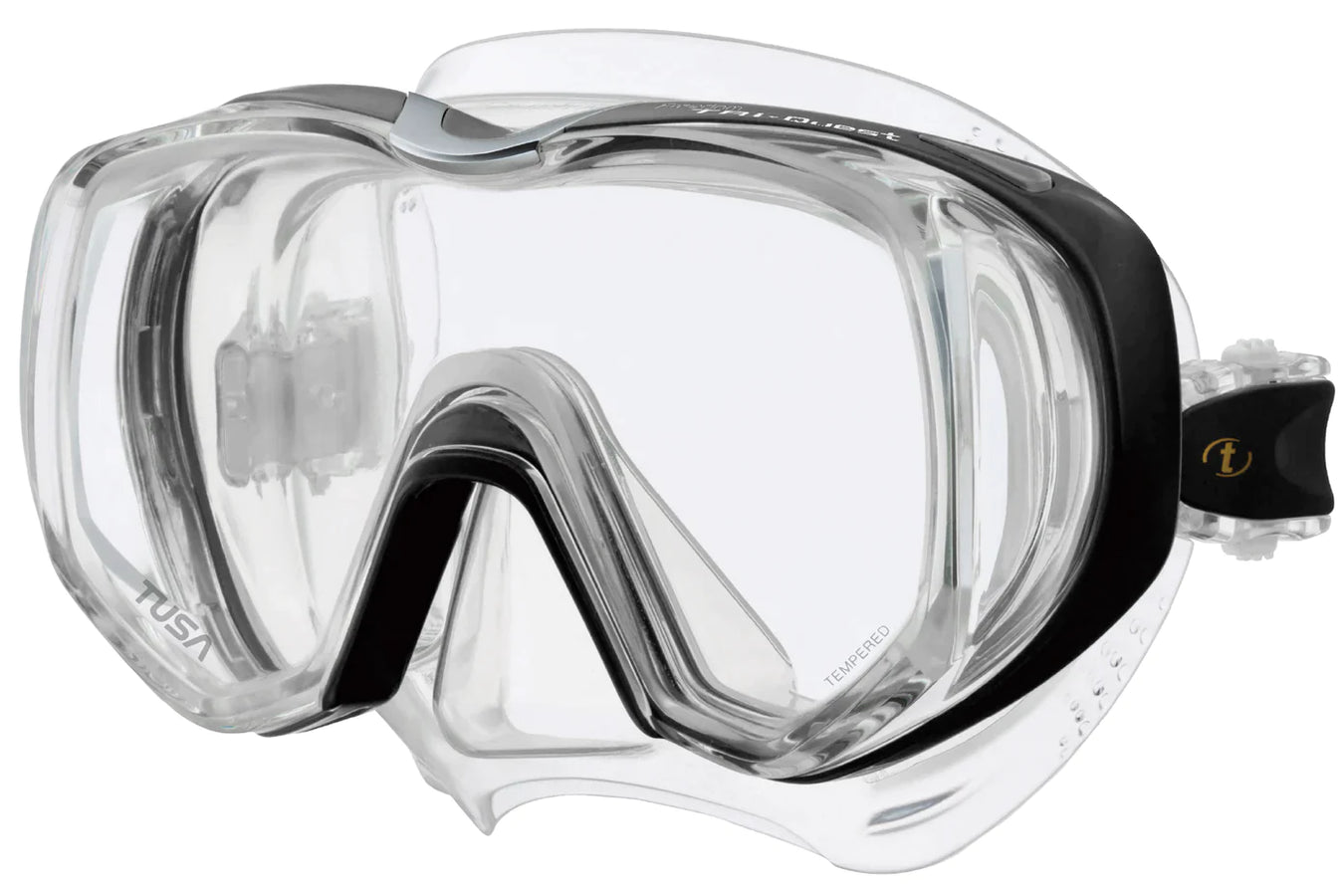
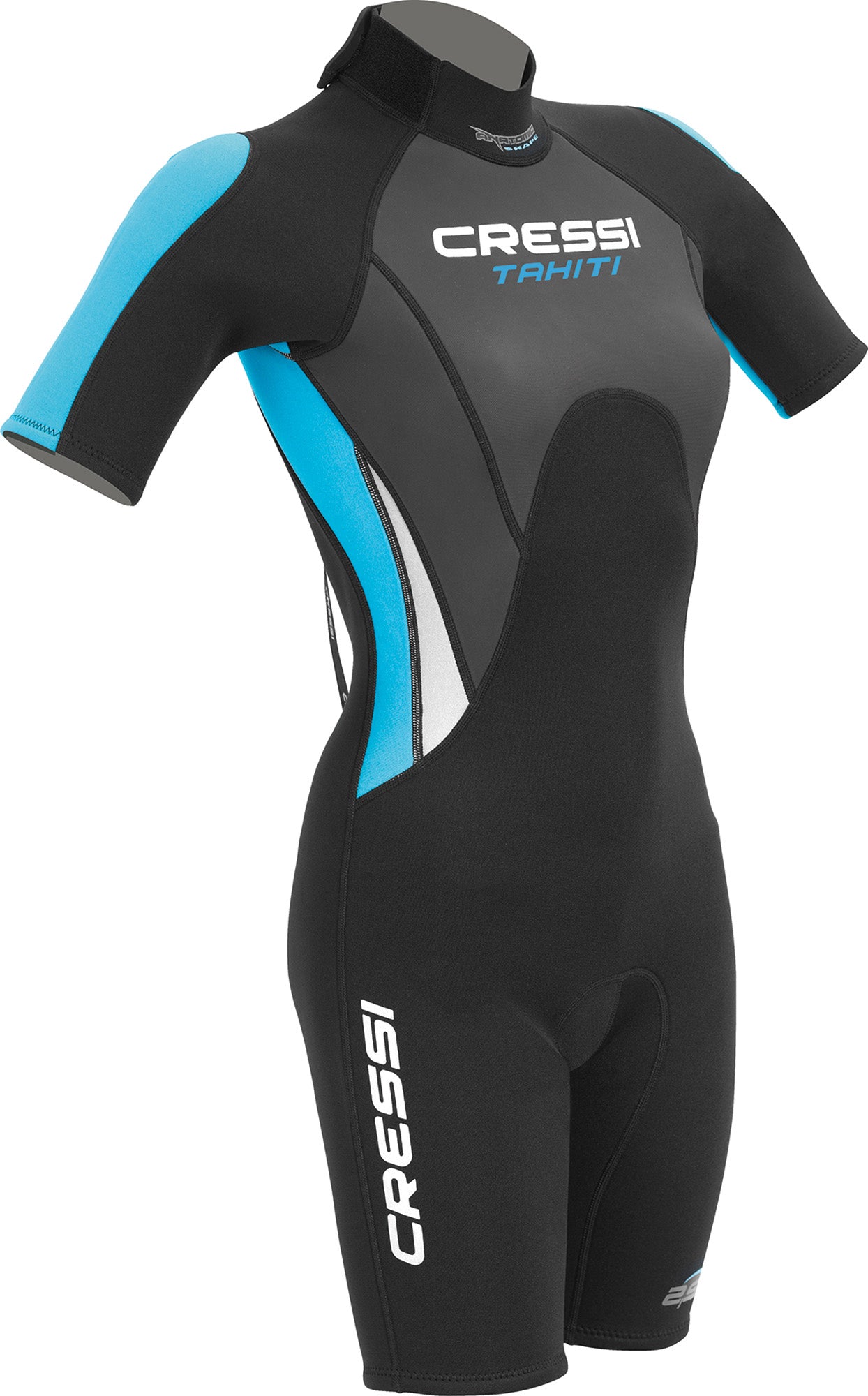
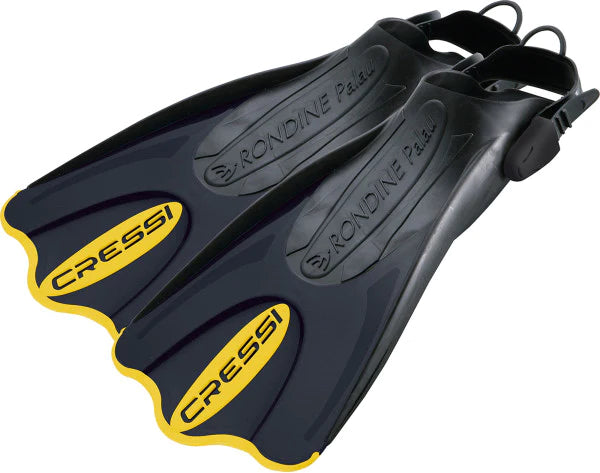
In contrast, freedivers have a simpler equipment setup, typically consisting of a mask, snorkel, fins, and a wetsuit. While freediving equipment may seem less intricate compared to scuba gear, each piece plays a vital role in enhancing the diver's performance and safety.
For example, a well-fitted mask with a low internal volume reduces the effort required for equalization during descents, allowing freedivers to conserve energy and oxygen. Similarly, long-blade fins provide efficient propulsion with minimal effort, enabling divers to move gracefully through the water with each powerful kick.
Understanding the functions and maintenance requirements of scuba and freediving equipment is essential for all divers, regardless of their experience level. By ensuring that gear is in optimal condition and properly suited to the diving environment, divers can enhance their safety and enjoyment underwater.
Environmental awareness is a fundamental aspect of responsible diving practices. Both scuba diving and freediving expose divers to fragile marine ecosystems that require protection and conservation. Understanding the impact of human activities on underwater environments is crucial for minimizing harm and preserving the beauty of the oceans for future generations.
Scuba divers are encouraged to practice buoyancy control to prevent accidental contact with delicate corals and marine life. Proper finning techniques and dive planning help reduce the risk of damaging reef structures or disturbing aquatic creatures during dives.
Similarly, freedivers must exercise caution and mindfulness when exploring marine environments. By respecting marine life and adhering to sustainable diving practices, freedivers can contribute to the preservation of underwater ecosystems and promote responsible tourism in coastal regions.
Engaging in environmental conservation efforts, such as participating in underwater clean-up activities or supporting marine protected areas, allows divers to give back to the oceans that provide endless opportunities for exploration and discovery.
The allure of the underwater world continues to draw adventurers to its depths. Scuba diving and freediving offer unique perspectives and experiences within this vast blue wilderness. By understanding the physiological principles behind diving and adhering to safety guidelines, divers can safely enjoy the wonders of the ocean.
Embracing safe diving practices is not just about adhering to guidelines but about fostering a culture of safety and responsibility within the diving community. Sharing experiences, knowledge, and lessons learned plays a vital role in promoting safety and preventing accidents. The diving community thrives on collective enthusiasm and shared adventures, with safety as the cornerstone of every dive.
By prioritizing safety, divers can continue to explore, discover, and marvel at the underwater world, ensuring that the adventure continues for generations to come. The ocean's mysteries and wonders await, but they demand respect and caution, reminding us that the greatest adventure lies in returning safely to dive another day.
As you embrace the safe diving practices essential for both scuba diving and freediving, remember that having the right equipment is just as crucial for a safe and enjoyable experience. Lancaster Scuba is here to support your underwater adventures with our extensive selection of scuba and water sports gear. Whether you're looking to buy, rent, or service your diving equipment, we've got you covered with over 15 different brands. Ready to gear up for your next dive? Check out our scuba gear and ensure you're prepared for the depths of the ocean. Gear. Dive. Travel. with Lancaster Scuba, and let the adventure continue safely.


{"one"=>"Select 2 or 3 items to compare", "other"=>"{{ count }} of 3 items selected"}