

Exploring the Depths: Spearfishing in San Diego
Dive into the exhilarating world of spearfishing in San Diego! Discover the best spots, techniques, and gear for an unforgettable underwater adventure.
Read now
In the vast, blue expanse of our world's oceans, spearfishing emerges not just as a sport but as an art form that connects us with the primal essence of hunting. It's a pursuit that demands skill, respect for the marine environment, and an understanding of the delicate balance that sustains aquatic life. This article delves into the heart of spearfishing, guiding enthusiasts on which fish are ethically and legally permissible to spear, ensuring the sport's sustainability and the ocean's health.
At the core of spearfishing lies a profound respect for the ocean and its inhabitants. The ethical spearfisher navigates the underwater world with a sense of responsibility, aiming to minimize their impact while engaging in the sport. It's a balance of adventure and conservation, where the thrill of the hunt is matched by a commitment to preserving marine ecosystems for future generations.
Before venturing into the waters with a spear in hand, it's crucial to understand the ecosystems that make up the marine environment. Each species plays a specific role in its habitat, contributing to the health and stability of oceanic life. Knowledge of these ecosystems allows spearfishers to make informed decisions about which fish to target, ensuring that their actions support the overall wellbeing of the marine community.
Statistics from marine conservation organizations highlight the importance of selective spearfishing. For instance, overfishing of key species can lead to imbalances, affecting not only the targeted fish populations but also the broader ecosystem. By choosing to spearfish species that are abundant and less critical to their ecosystems, spearfishers can help maintain the ocean's natural balance.
Legal regulations play a significant role in sustainable spearfishing practices. Many countries and regions have established guidelines that specify which fish species can be legally harvested. These regulations are often based on scientific research that assesses fish populations, their reproductive rates, and their role in the ecosystem.
Adhering to these legal guidelines is not only a matter of compliance but also an act of conservation. By following the rules set forth by marine authorities, spearfishers contribute to the efforts to protect vulnerable species and ensure the long-term health of marine ecosystems. It's a testament to the spearfishing community's dedication to responsible and sustainable practices.
Identifying which fish are okay to spearfish involves a combination of ethical consideration, legal compliance, and ecological awareness. The following sections highlight several species that are commonly accepted as suitable targets for spearfishing, taking into account their population status, ecological impact, and legal protections.
Species such as the lionfish, which has become an invasive threat in many parts of the world, are often encouraged targets for spearfishers. Removing these predators helps protect native fish populations and restore balance to affected ecosystems. Similarly, species with healthy populations that can sustain selective fishing, such as certain types of grouper and snapper, are also considered acceptable choices.
Data from marine research indicates that targeting invasive and abundant species not only provides an adventurous spearfishing experience but also contributes positively to marine conservation efforts. For example, efforts to control lionfish populations in the Caribbean have been supported by spearfishing tournaments, demonstrating how the sport can align with environmental stewardship.
Conversely, there are fish that spearfishers should avoid due to their conservation status, ecological importance, or legal protections. Endangered species, such as certain types of sharks and rays, are off-limits for ethical and legal reasons. These creatures play critical roles in their ecosystems, and their populations are already under threat from factors like habitat loss and commercial fishing.
Respecting these guidelines and choosing not to target protected species is a hallmark of responsible spearfishing. It reflects an understanding that the sport is not just about the thrill of the hunt but also about contributing to the preservation of the marine environment.
Safety is paramount in spearfishing, both for the spearfisher and the marine life. This section covers essential safety practices that ensure a safe and enjoyable experience for everyone involved.
Personal safety measures include proper training, the use of appropriate gear, and adherence to safe diving practices. Spearfishers should be certified divers, familiar with the underwater environment, and capable of handling the physical demands of the sport. Additionally, using equipment that is in good condition and suitable for the specific conditions of the dive site is crucial for minimizing risks.
Statistics show that most spearfishing accidents can be prevented through proper preparation and adherence to safety guidelines. This includes diving with a buddy, informing someone onshore of your diving plans, and being aware of local marine life and conditions.
Environmental safety involves practices that protect marine life and habitats. This includes avoiding sensitive areas, such as coral reefs and breeding grounds, and being mindful of the impact of spearfishing activities on the underwater environment. Spearfishers should strive to leave no trace of their presence, ensuring that the ocean remains a vibrant and healthy ecosystem for all its inhabitants.
By combining a passion for adventure with a commitment to safety and conservation, spearfishing can be an enriching experience that connects us more deeply with the natural world. It's a sport that offers the thrill of the hunt while fostering a sense of responsibility towards the ocean and its diverse life forms.
Mastering the art of spearfishing requires not only skill and knowledge of marine ecosystems but also proficiency in techniques and the use of specialized equipment. Understanding the different methods of spearfishing and selecting the right gear can enhance the efficiency and safety of your underwater hunts.
There are various techniques employed in spearfishing, each suited to different environments and target species. Free diving, where the diver holds their breath while hunting, is a common approach that requires good breath-holding abilities and diving skills. Another method is using a spear gun, which allows for greater accuracy and range but demands proper training to handle safely.
For beginners, snorkel-assisted spearfishing can be a good entry point, providing the opportunity to practice hunting skills while using snorkeling gear for breathing. The choice of technique depends on factors such as water visibility, depth, and the behavior of the fish being targeted.
The equipment used in spearfishing plays a crucial role in the success and safety of the dive. A speargun, the primary tool for catching fish, comes in different types, including pneumatic, band-powered, and rail guns. The selection of a speargun depends on factors like the diver's experience level, the size of the fish being targeted, and personal preference.
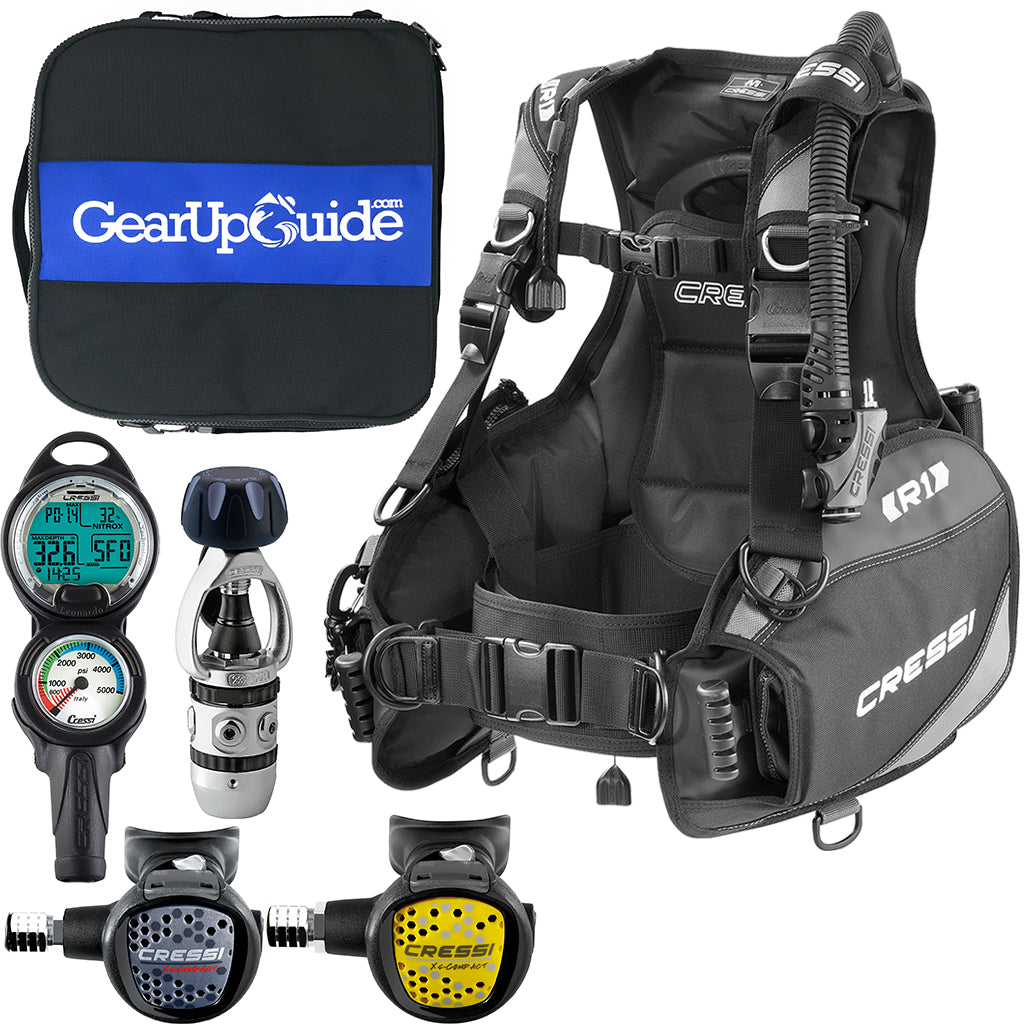
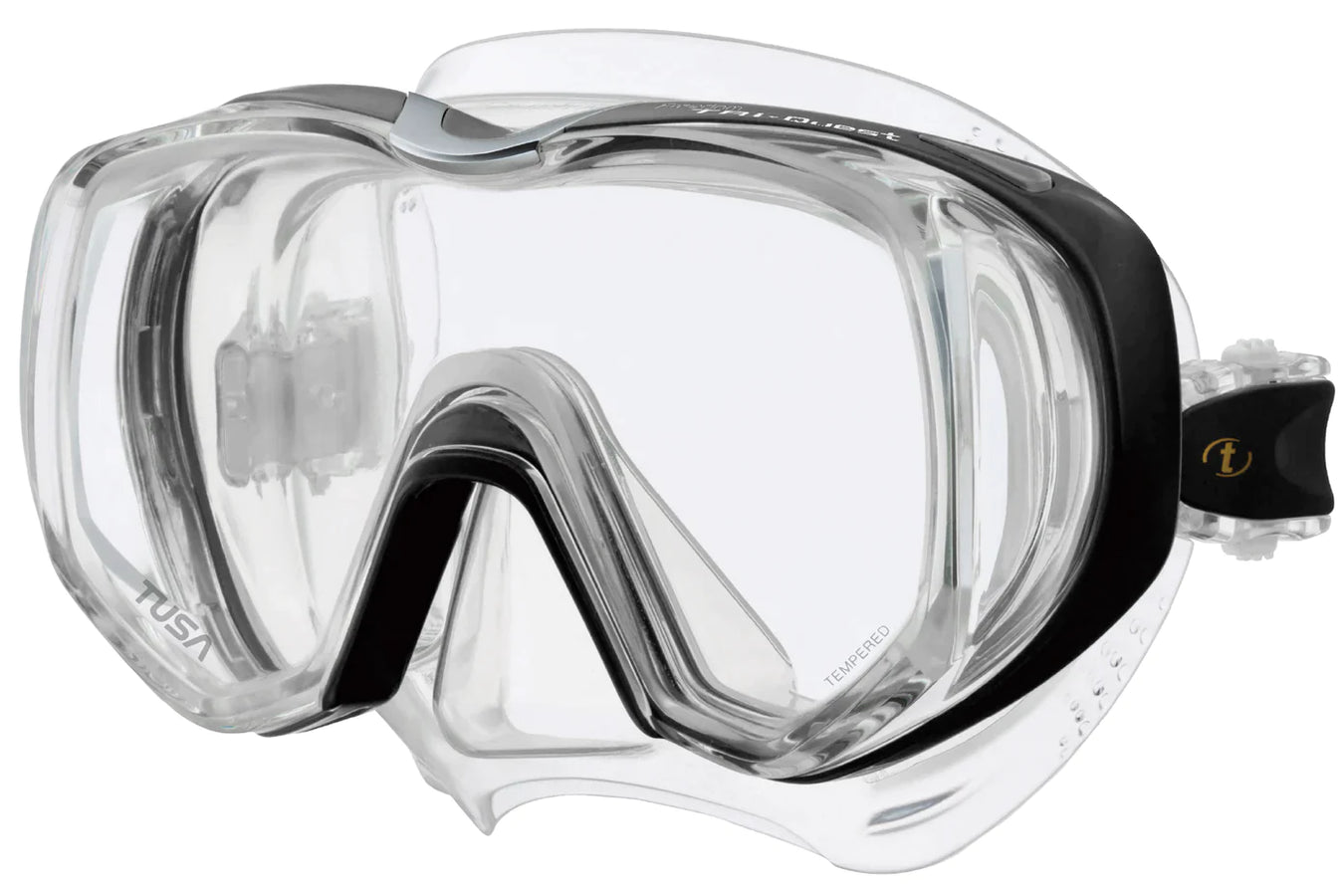
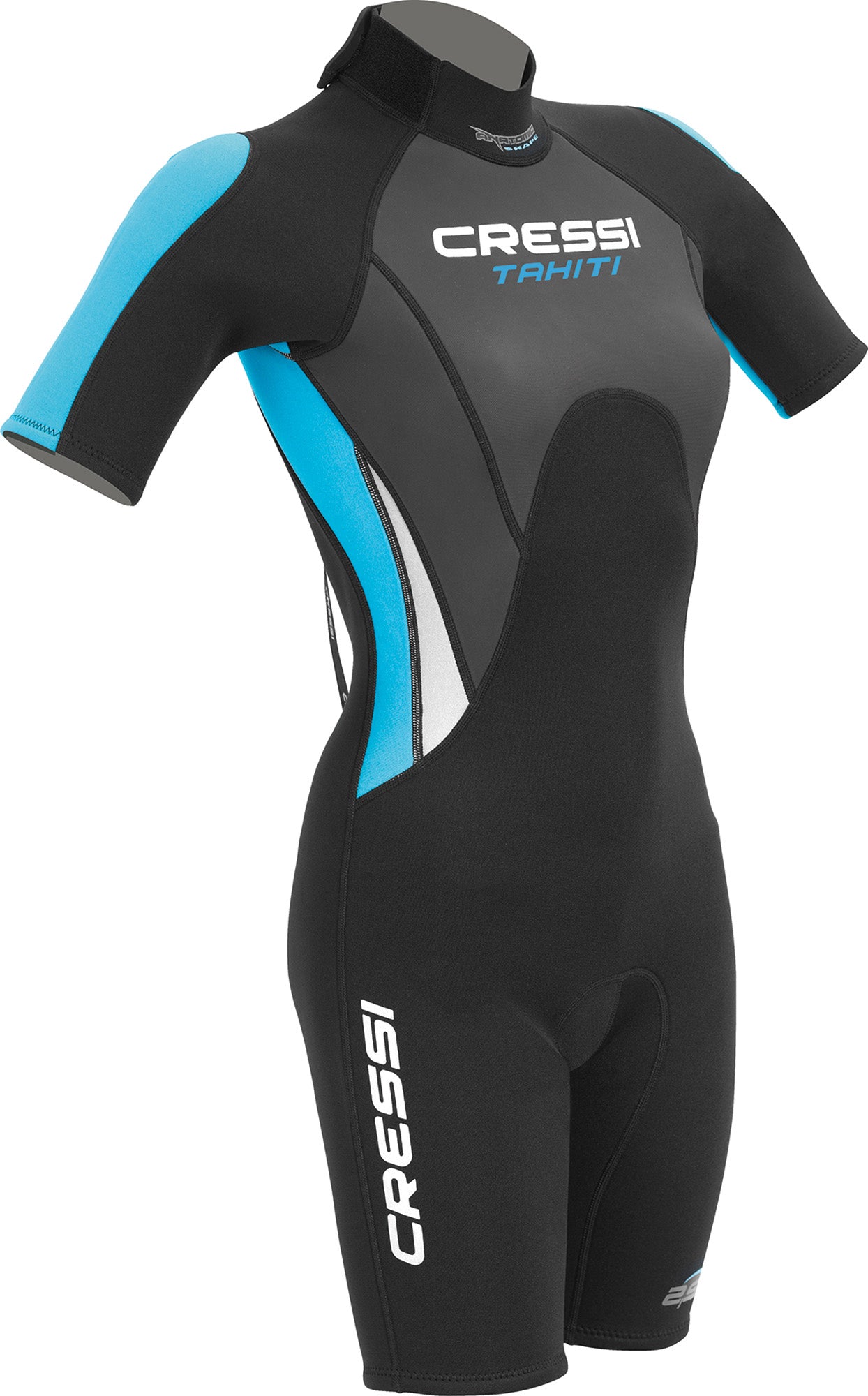
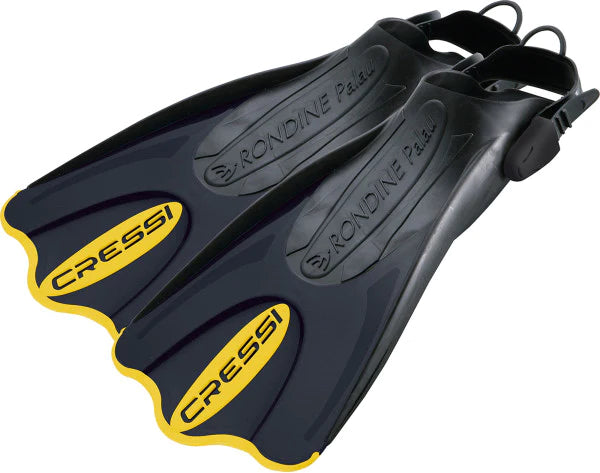
Other essential gear includes a wetsuit for thermal protection, diving fins for propulsion and maneuverability, a weight belt for buoyancy control, and a mask and snorkel for clear vision and breathing at the surface. It's important to invest in high-quality gear that fits well and is maintained regularly to ensure optimal performance underwater.
Beyond the thrill of the hunt and the adventure of spearfishing, there lies a deeper connection to marine conservation and the spearfishing community. Engaging in conservation initiatives and fostering a sense of camaraderie among fellow spearfishers can amplify the positive impact of the sport on the ocean and its inhabitants.
Participating in marine conservation projects and supporting initiatives that promote sustainable fishing practices are integral to the ethos of responsible spearfishing. By volunteering for beach cleanups, joining reef restoration programs, or advocating for marine protected areas, spearfishers can actively contribute to the preservation of marine ecosystems and biodiversity.
Education also plays a vital role in conservation efforts. By sharing knowledge about marine species, ecosystems, and the importance of sustainable fishing practices, spearfishers can inspire others to become stewards of the ocean. Awareness campaigns, workshops, and outreach programs can help raise consciousness about the fragility of marine environments and the role individuals can play in their protection.
Building a strong and supportive community within the spearfishing world fosters camaraderie, knowledge sharing, and a sense of belonging. Spearfishing clubs, online forums, and social gatherings provide platforms for enthusiasts to connect, exchange experiences, and collaborate on conservation initiatives.
Organizing group dives, competitions, and training sessions not only enhances skills and camaraderie but also strengthens the collective voice of the spearfishing community in advocating for sustainable practices and environmental protection. By coming together as a community, spearfishers can amplify their impact and work towards a shared vision of a healthy and thriving marine environment.
In the spirit of responsible spearfishing, enthusiasts are encouraged to continue educating themselves, engaging with conservation efforts, and advocating for sustainable practices within the community. Together, we can ensure that spearfishing remains an adventure that enriches not only our lives but also the health of our planet's magnificent oceans.
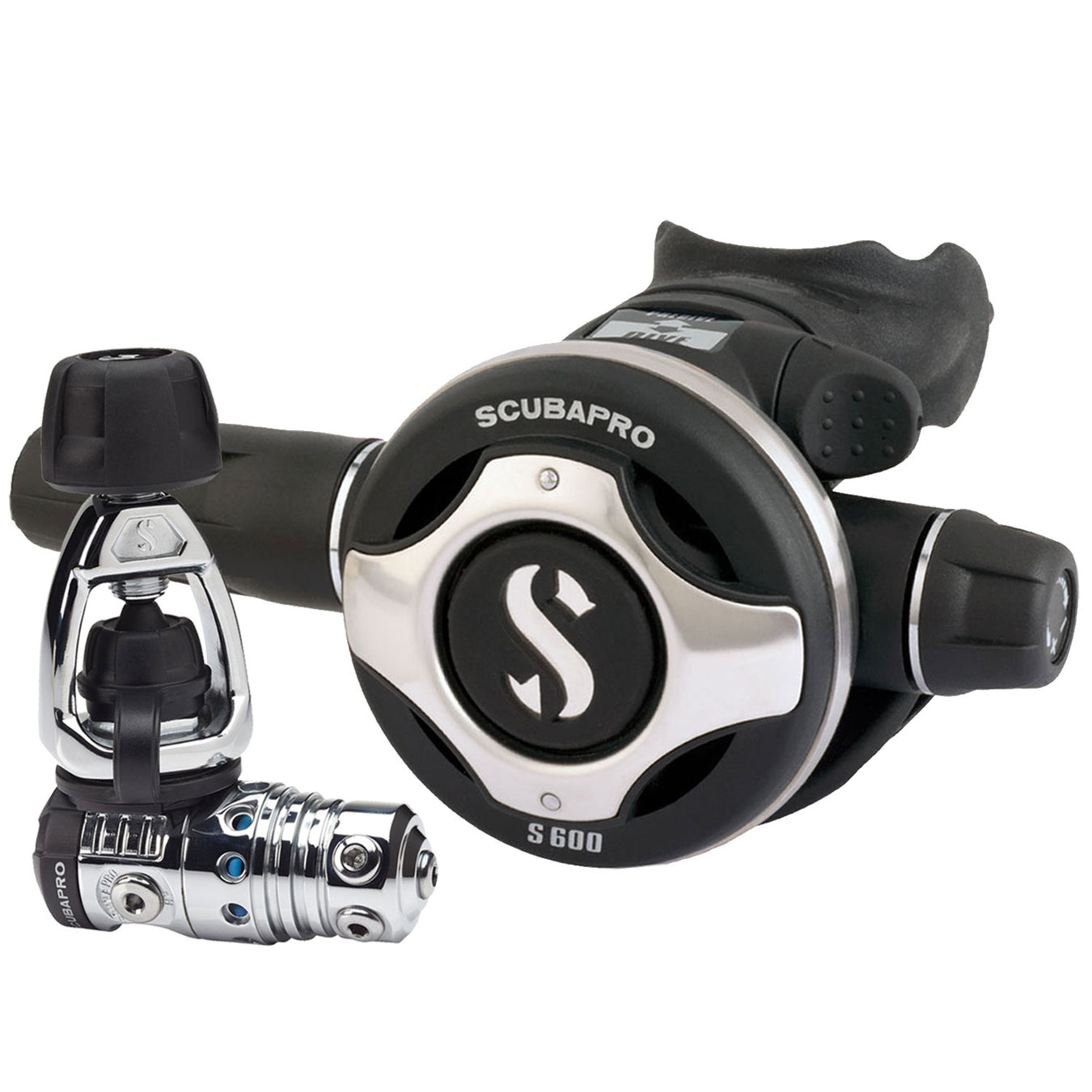
As you embrace the principles of ethical spearfishing and contribute to the conservation of our oceans, having the right equipment is essential. Lancaster Scuba is your partner in this journey, offering a wide selection of scuba and spearfishing gear tailored to meet your needs. Whether you're just starting out or looking to upgrade your kit, we provide expert advice, quality equipment, and the support you need to dive responsibly. Check out our scuba gear and join us in the adventure of sustainable underwater hunting.


{"one"=>"Select 2 or 3 items to compare", "other"=>"{{ count }} of 3 items selected"}