

Exploring the Depths: Spearfishing in San Diego
Dive into the exhilarating world of spearfishing in San Diego! Discover the best spots, techniques, and gear for an unforgettable underwater adventure.
Read now
In the vast, open embrace of the ocean, spearfishing emerges not just as a sport but as an adventure, a testament to human skill and the primal connection between man and sea. At the heart of this pursuit lies a question of both comfort and safety: when is a wetsuit needed for spearfishing? This inquiry does not merely touch upon the practicalities of the sport but delves into the essence of preparation, ensuring each dive is not just successful but also a step deeper into the marvels of the underwater world.
Understanding the critical importance of a wetsuit in spearfishing begins with recognizing the multifaceted roles it plays. A wetsuit is not just a piece of equipment; it is a shield against the elements, a layer of warmth in the cool embrace of the sea, and a companion in the depths of the ocean.
The primary function of a wetsuit is to offer protection. The ocean is a beautiful yet unpredictable entity, with conditions that can change as swiftly as the tides. A wetsuit provides a barrier against potential hazards such as sharp rocks, coral, and even the occasional encounter with marine life. It serves as an armor, safeguarding the spearfisher from cuts, abrasions, and stings that are all too common in the underwater realm.
Moreover, the sun's rays, while a source of light and warmth above the surface, can be harmful during prolonged exposure, especially on the water where reflection intensifies their effect. A wetsuit offers UV protection, shielding the skin from the sun's harmful rays, thus preventing sunburn and contributing to the spearfisher's overall health and safety.
Perhaps the most well-known function of a wetsuit is its ability to provide thermal insulation. The ocean's depths are home to cooler temperatures, and the human body loses heat rapidly in water. A wetsuit traps a thin layer of water between its material and the skin, which the body then warms up, creating an insulating layer of warmth. This feature is crucial, as it allows spearfishers to remain in the water for extended periods without the risk of hypothermia, ensuring both comfort and safety during dives.
Statistics show that the risk of hypothermia significantly decreases with the proper use of a wetsuit, highlighting the importance of thermal protection in cold water environments. The choice of wetsuit thickness is paramount here, with options ranging from 2mm for warm waters to 7mm for cold conditions, each designed to offer the right level of insulation for different temperatures.
Wetsuits also play a pivotal role in enhancing buoyancy and mobility underwater. The material used in wetsuits, neoprene, is naturally buoyant, which helps in maintaining a comfortable depth with less effort. This buoyancy is a boon for spearfishers, as it aids in conserving energy during dives, allowing for longer and more enjoyable experiences beneath the waves.
Furthermore, the design of modern wetsuits emphasizes mobility, with flexible materials and strategic cuts that enable a full range of motion. This mobility is critical in spearfishing, where precision and agility are paramount. The ability to move freely, to align oneself perfectly for the shot, transforms the wetsuit from a mere piece of equipment into an extension of the spearfisher's own body.
The decision to wear a wetsuit while spearfishing is influenced by a variety of factors, each significant in its own right. It's a balance between the conditions of the environment and the personal comfort and safety of the diver.
The temperature of the water is perhaps the most critical factor in deciding whether a wetsuit is needed. As a general rule, any water temperature below 70°F (21°C) warrants the use of a wetsuit. In colder waters, the risk of hypothermia becomes a serious concern, making a wetsuit not just a matter of comfort but of safety. However, even in warmer waters, a wetsuit can provide protection from the sun and potential hazards, making it a valuable asset in various conditions.
The length of time and depth to which a spearfisher plans to dive also play crucial roles in the decision to wear a wetsuit. Longer dives, especially in cooler waters, increase the body's exposure to lower temperatures, making a wetsuit essential for maintaining body heat. Similarly, deeper dives expose the diver to cooler temperatures, as water temperature decreases with depth. In these scenarios, a wetsuit becomes an indispensable tool for ensuring the diver's warmth and safety.
When considering the duration of a dive, it's essential to factor in variables such as the diver's metabolic rate, the level of physical exertion, and the ambient temperature. These elements can impact how quickly the body loses heat and the overall comfort of the diver during the dive. A wetsuit acts as a buffer against these external factors, helping to regulate body temperature and ensure a more enjoyable and safe experience underwater.
Ultimately, the choice to wear a wetsuit also comes down to personal comfort and preference. Some divers may prefer the freedom of diving without a wetsuit in warmer waters, while others may choose the additional protection and insulation a wetsuit provides, even in conditions where it might not be strictly necessary. The key is for each spearfisher to assess their own comfort levels, experience, and the specific conditions of their dive to make an informed decision.
Wetsuits come in various types, each designed to cater to specific needs and conditions. Understanding the differences between these types can help spearfishers make informed decisions when selecting the most suitable wetsuit for their adventures.
Full wetsuits, also known as steamer wetsuits, cover the entire body from neck to ankles and wrists. These wetsuits provide maximum coverage and insulation, making them ideal for colder waters or longer dives where thermal protection is crucial. Full wetsuits come in different thicknesses to accommodate various water temperatures, ensuring spearfishers can stay comfortable and safe in a range of conditions.
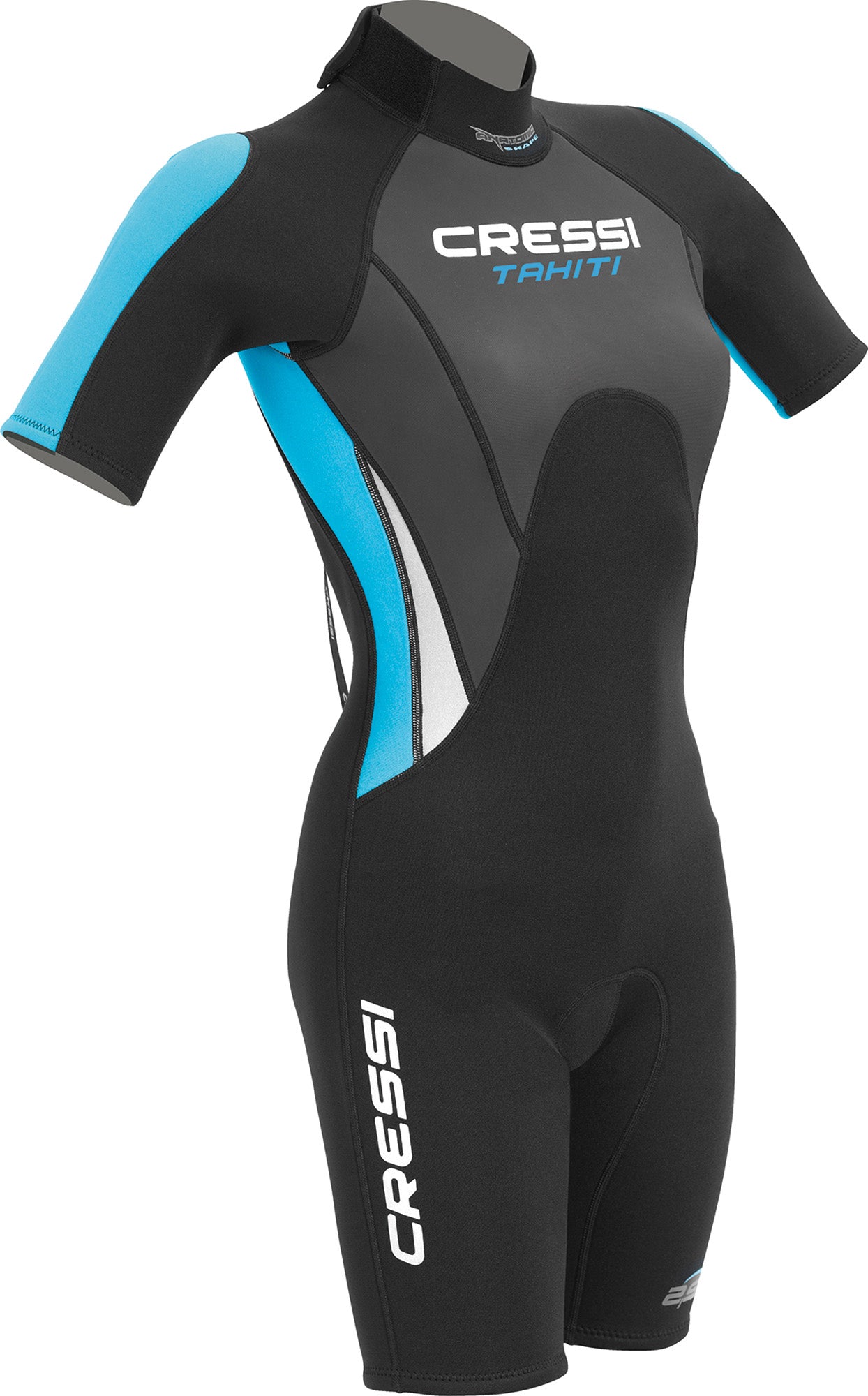
Shorty wetsuits, as the name suggests, have shorter arms and legs, typically ending above the elbows and knees. These wetsuits offer less coverage than full wetsuits but are preferred in warmer waters or for activities that require more mobility, such as freediving. Shorty wetsuits provide thermal protection while allowing for greater flexibility, making them a versatile choice for spearfishers in milder conditions.
Freediving wetsuits are specifically designed for the unique requirements of freedivers and spearfishers who prioritize flexibility and mobility. These wetsuits are typically thinner and more form-fitting than traditional wetsuits, allowing for unrestricted movement and minimizing drag in the water. Freediving wetsuits excel in warmer waters and are favored by those who seek maximum performance during dives.
When selecting a wetsuit for spearfishing, several factors should be taken into consideration to ensure optimal comfort, performance, and safety. From material and thickness to fit and design, each aspect plays a crucial role in determining the suitability of a wetsuit for a particular diving experience.
The material of a wetsuit significantly impacts its performance and durability. Neoprene, a synthetic rubber compound, is the most common material used in wetsuit construction due to its insulating properties and flexibility. High-quality neoprene wetsuits offer excellent thermal protection and comfort, making them a popular choice among spearfishers.
Additionally, some wetsuits feature advanced materials such as Yamamoto neoprene, which is known for its superior stretch and lightweight feel. These premium materials enhance mobility and comfort, allowing divers to move effortlessly through the water and maintain body heat more effectively.
The thickness of a wetsuit is crucial in determining its suitability for different water temperatures. Thicker wetsuits provide more insulation and are ideal for colder waters, while thinner wetsuits offer greater flexibility and are preferred in warmer conditions. Spearfishers should choose a wetsuit thickness that matches the expected water temperature during their dives to ensure optimal comfort and safety.
It's essential to note that wetsuit thickness is typically measured in millimeters, with options ranging from 1mm to 7mm or more. Spearfishers diving in tropical waters may opt for a 1mm to 3mm wetsuit, while those exploring colder environments may require a 5mm to 7mm wetsuit for adequate thermal protection.
The fit of a wetsuit is paramount in ensuring comfort and performance underwater. A wetsuit should fit snugly against the skin without being too tight, allowing for a thin layer of water to form and provide insulation. A proper fit prevents water from flushing in and out of the suit, maintaining body heat and enhancing buoyancy during dives.
Moreover, wetsuits with features such as seamless panels, adjustable closures, and reinforced knees and elbows offer added comfort and durability. Spearfishers should try on different wetsuit sizes and styles to find the one that provides the best fit and range of motion for their diving activities.
In the realm of spearfishing, a wetsuit is more than just gear; it is a companion in the adventure, a guardian against the unforeseen, and a facilitator of the extraordinary experience that is diving. Whether it's for protection, insulation, or simply personal comfort, the decision to don a wetsuit is a crucial step in preparing for the journey beneath the waves. As spearfishers venture into the depths, they do so with the assurance that their wetsuit, chosen with care and consideration, will serve them well in the boundless, thrilling world of the ocean.
As you prepare to embrace the underwater world of spearfishing, ensure you're equipped with the best gear for an unforgettable experience. Lancaster Scuba is your one-stop destination for top-quality wetsuits and spearfishing equipment. With our expert advice and extensive selection, you'll find the perfect fit to keep you protected, warm, and agile beneath the waves. Check out our scuba gear today and gear up for your next spearfishing adventure with confidence. Dive into your passion for the sea with Lancaster Scuba – where Gear, Dive, and Travel converge for the ultimate underwater journey.


{"one"=>"Select 2 or 3 items to compare", "other"=>"{{ count }} of 3 items selected"}