

Exploring the Depths: Spearfishing in San Diego
Dive into the exhilarating world of spearfishing in San Diego! Discover the best spots, techniques, and gear for an unforgettable underwater adventure.
Read now
In the realm of underwater exploration and adventure, two pieces of gear stand out for their critical role in diver safety and comfort: the wetsuit and the drysuit. Both serve the essential purpose of thermal protection but do so in uniquely different ways, catering to various diving conditions and personal preferences. Understanding the nuances between a wetsuit and a drysuit not only enhances a diver's experience but also opens up new possibilities for diving adventures.
At first glance, wetsuits and drysuits might appear to serve the same basic function. However, the core difference lies in their approach to managing the diver's exposure to cold water. This distinction is pivotal in choosing the right gear for your diving journey.
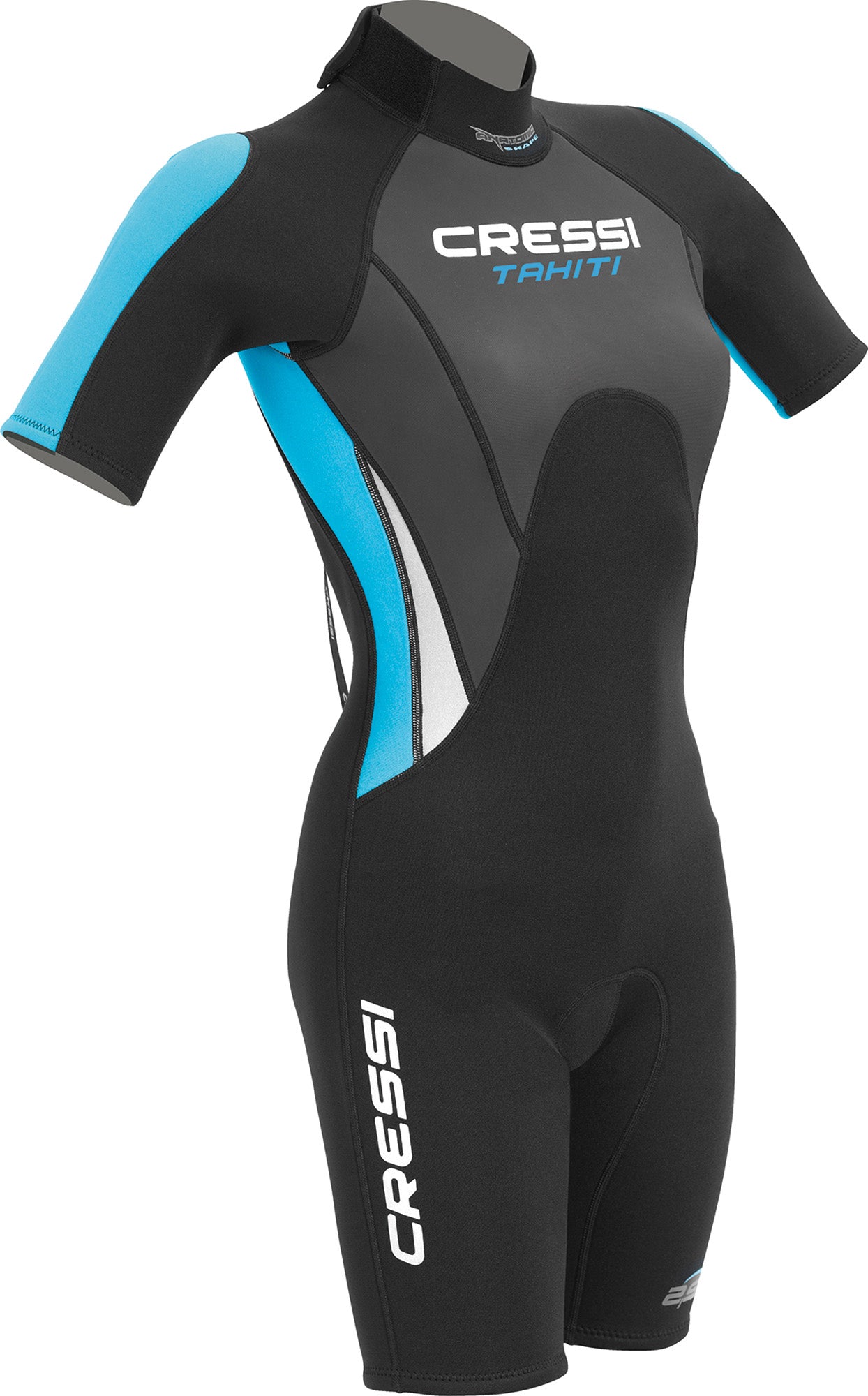
Wetsuits are designed to allow a thin layer of water to enter the suit, which is then warmed by the diver's body heat, providing insulation against the cold water outside. Made primarily from neoprene, a type of synthetic rubber, wetsuits are available in various thicknesses to suit different water temperatures. The snug fit of a wetsuit is crucial, as it minimizes water exchange and maximizes warmth.
Statistics show that wetsuits are the gear of choice for divers in waters ranging from 10°C to 25°C (50°F to 77°F), highlighting their versatility in moderately cold to warm conditions. The evolution of wetsuit technology has also seen the introduction of features like thermal linings and sealed seams, further enhancing their thermal protection capabilities.
Unlike wetsuits, drysuits are designed to keep the diver completely dry, except for their head and hands. This is achieved through a combination of waterproof materials and seals around the neck and wrists. Drysuits are equipped with a valve to allow the diver to inflate or deflate the suit, adjusting for buoyancy and insulation. The air inside the suit, rather than water, acts as the insulating layer, which can be regulated according to the diving conditions.
Drysuits are preferred in conditions where water temperatures drop below 10°C (50°F), providing essential protection in cold water environments. They are also favored for extended dives, where prolonged exposure to cold water in a wetsuit could lead to hypothermia.
The decision between a wetsuit and a drysuit often comes down to the specific needs of the diver, the diving environment, and personal preference. Each type of suit offers distinct advantages and considerations.
Wetsuits are generally more affordable and versatile, making them a popular choice for beginners and seasoned divers alike. They are easier to put on and take off, require less maintenance, and offer a greater range of motion, which is particularly beneficial for free diving and snorkeling. However, the thermal protection of a wetsuit is limited to the thickness of the neoprene, making them less suitable for very cold water diving.
Despite their limitations in extremely cold conditions, wetsuits remain a staple for divers exploring tropical waters, where the focus is more on protection from marine life and minor temperature fluctuations rather than extreme cold.
Drysuits, while more expensive and requiring more maintenance than wetsuits, provide superior protection in cold water conditions. They allow for the wearing of warm clothing underneath, making them adaptable to a wide range of temperatures. Drysuits also offer better buoyancy control, which can enhance safety and comfort during dives. However, they require additional training to use effectively, particularly in managing buoyancy and dealing with potential leaks.
For divers seeking to explore colder waters or engage in technical diving that involves prolonged exposure to low temperatures, drysuits are the preferred choice. The ability to layer clothing under a drysuit allows for customization of thermal protection, ensuring comfort and safety in challenging environments.
While the choice between a wetsuit and a drysuit is often dictated by water temperature and personal preference, there are additional factors that can enhance a diver's overall experience and safety.
Both wetsuits and drysuits can be complemented by a range of accessories to improve functionality and comfort. Gloves, hoods, and boots are essential for divers using wetsuits in colder waters, providing additional insulation for extremities. Drysuit divers may opt for specialized undergarments designed to wick moisture away from the body and provide extra warmth.
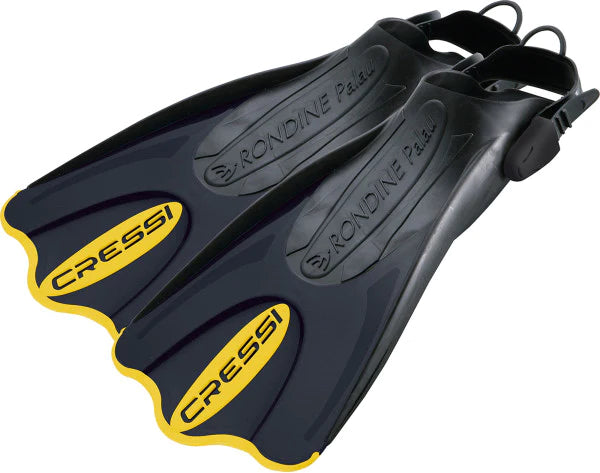
Other gear considerations include the type of fins used, with some divers preferring open-heel fins for use with booties in colder conditions. Diving watches, compasses, and dive computers are valuable tools for monitoring dive profiles and ensuring safe ascents and descents.
Proper maintenance of diving gear is crucial for ensuring its longevity and performance. Both wetsuits and drysuits require regular rinsing with fresh water after use to remove salt and debris that can degrade the materials over time. Storage in a cool, dry place away from direct sunlight is recommended to prevent premature aging of the suits.
Inspecting seals, zippers, and valves for signs of wear and tear is essential to prevent leaks and maintain the integrity of the suit's waterproofing. Lubricating zippers with silicone-based lubricants and replacing damaged seals promptly can prevent costly repairs and extend the life of the gear.
Choosing the right thermal protection is not just a matter of comfort but of safety. Hypothermia can be a serious risk in cold water diving, making the choice between a wetsuit and a drysuit a critical decision. Moreover, the right gear can significantly impact the range of diving adventures available to a diver.
Wetsuits open up a world of underwater exploration in warmer waters, from coral reef diving in the Caribbean to surfing in the Pacific. The ease of movement provided by a wetsuit supports a wide range of activities, making every dive an opportunity for adventure.
With a drysuit, divers can venture into the icy waters of the Arctic or explore the depths of freshwater caves, environments that would be inaccessible with a wetsuit. Drysuits not only offer protection in extreme conditions but also expand the horizons of diving exploration.
In the end, whether opting for the snug embrace of a wetsuit or the sealed environment of a drysuit, divers are equipped to dive deeper into the wonders of the underwater world. Each suit offers a unique pathway to adventure, bound by the common thread of safety and the relentless pursuit of exploring the unknown.
Ready to embrace the underwater adventures that await you? Whether you're drawn to the warmth of a wetsuit or the comprehensive protection of a drysuit, Lancaster Scuba has the gear you need to dive in with confidence. With our extensive selection of scuba and water sports equipment, expert diving instruction, and thrilling dive trips, we're here to ensure your experiences are unforgettable. Check out our scuba gear today and take the first step towards your next underwater expedition. Gear. Dive. Travel. – your adventure begins here.


{"one"=>"Select 2 or 3 items to compare", "other"=>"{{ count }} of 3 items selected"}