

Exploring the Depths: Spearfishing in San Diego
Dive into the exhilarating world of spearfishing in San Diego! Discover the best spots, techniques, and gear for an unforgettable underwater adventure.
Read now
In the vast, exhilarating world of scuba diving and water sports, the question of what to wear under a wetsuit for females emerges as a topic rich with practicality and personal preference. This guide delves deep into the layers of comfort, safety, and functionality, mirroring the adventurous spirit and dedication seen in the diving community. It's not just about selecting the right gear; it's about embracing the full potential of your underwater experiences.
Choosing what to wear under a wetsuit is more than a matter of personal comfort; it's a decision that impacts your overall diving experience. The right undergarments can enhance warmth, prevent chafing, and even affect buoyancy. Let's explore the significance of making informed choices in this realm.
Comfort under the pressure of the deep blue is not merely a luxury; it's a necessity. The right undergarments serve as a second skin, providing a barrier against the neoprene material of the wetsuit, which can otherwise cause irritation during prolonged periods of wear. This layer also helps in regulating body temperature, keeping the diver warm in cold waters and vice versa.
Protection against the elements and potential hazards is another critical aspect. The underlayer adds an additional buffer against cuts, stings, and abrasions, offering peace of mind as divers explore the underwater world.
The choice of material for undergarments plays a pivotal role in their effectiveness. Synthetic fabrics such as polyester and nylon are favored for their quick-drying properties and ability to wick moisture away from the skin, keeping the diver dry and comfortable. Natural fibers, while comfortable, may not offer the same level of functionality under a wetsuit.
Moreover, the material's thickness can influence buoyancy—a thinner fabric means less air trapped between the wetsuit and the skin, allowing for a smoother descent into the depths.
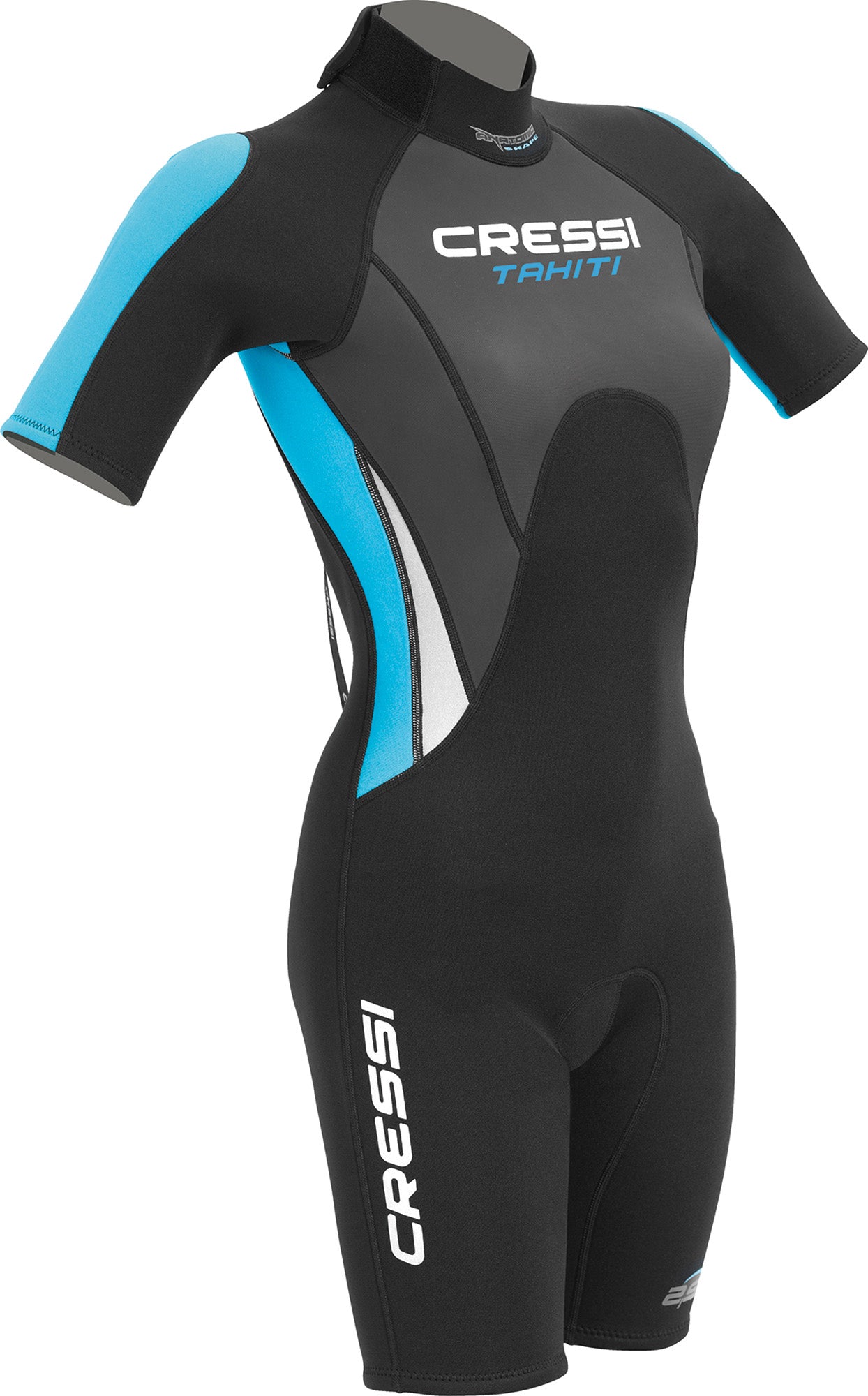
When it comes to what to wear under a wetsuit, women have a variety of options, each with its own set of advantages. From specially designed dive skins to simple swimsuits, the choice depends on factors like water temperature, dive duration, and personal preference.
Dive skins and rash guards stand out as popular choices for their sleek design and functional benefits. These tight-fitting garments offer full coverage, minimizing the risk of chafing and providing an additional layer of warmth. Made from lightweight, stretchable materials, they allow for maximum mobility underwater.
Furthermore, many dive skins and rash guards come with UV protection, making them an excellent choice for surface intervals or water sports in sunny conditions.
For those who prefer minimalism or are diving in warmer waters, swimsuits and bikinis offer a simple, hassle-free option. They eliminate concerns about layering and are easy to change in and out of. However, it's important to choose styles that are snug and secure to avoid discomfort under the wetsuit.
High-quality, durable fabrics are essential to withstand the wear and tear of diving, ensuring that your chosen swimsuit remains a reliable companion on many dives.
Diving in cold water presents its own set of challenges, with the primary concern being the preservation of body heat. In these conditions, what you wear under your wetsuit becomes even more critical.
For cold water dives, thermal undergarments are the go-to choice. These specially designed layers are crafted to trap body heat, providing an essential buffer against the cold. Materials like fleece-lined fabrics or neoprene offer the best insulation, keeping divers warm even in frigid temperatures.
It's crucial to balance warmth with buoyancy; too many layers can make it difficult to sink, while too few can lead to a risk of hypothermia. Divers should experiment with different thicknesses to find the perfect combination for their specific dive conditions.
The fit of thermal undergarments is just as important as the material. Too tight, and they can restrict movement and circulation; too loose, and they fail to provide adequate insulation. A snug, flexible fit ensures that divers can move freely while benefiting from the warmth the garment provides.
Flexibility is particularly important for female divers, who may find that standard unisex sizes don't accommodate their body shapes as well. Many manufacturers now offer women-specific designs that better suit their needs.
Aside from the practical considerations of what to wear under a wetsuit, enhancing your dive experience involves a holistic approach that encompasses mental preparedness, physical fitness, and environmental awareness.
Before descending into the depths, take a moment to center yourself mentally. Clear your mind of distractions and focus on the present moment. Visualize a successful dive, imagine the marine life you may encounter, and remind yourself of the beauty and tranquility that awaits beneath the surface.
Practicing mindfulness can not only enhance your enjoyment of the dive but also improve your awareness of your surroundings and fellow divers, promoting safety and camaraderie.
Being in good physical condition is essential for a successful dive. Strengthening your core muscles, improving your cardiovascular endurance, and maintaining flexibility are key aspects of dive fitness. Incorporate exercises like swimming, yoga, and weight training into your routine to enhance your overall diving performance.
Remember, diving can be physically demanding, requiring strength and stamina to navigate currents, carry equipment, and maintain buoyancy. By staying fit and active, you'll not only enjoy your dives more but also reduce the risk of fatigue and injury.
As stewards of the ocean, it's crucial for divers to be environmentally conscious and respectful of marine life. Familiarize yourself with local dive regulations, practice proper buoyancy control to avoid damaging fragile ecosystems, and refrain from touching or disturbing underwater creatures.
Consider participating in underwater clean-up initiatives, supporting marine conservation organizations, and spreading awareness about the importance of preserving our oceans for future generations. By being an advocate for marine conservation, you can make a positive impact both above and below the surface.
The question of what to wear under a wetsuit for females is not one with a universal answer. It's a personal choice, influenced by a variety of factors including dive conditions, personal comfort, and the specific activities planned. Whether opting for a full dive skin for protection and warmth or a simple bikini for ease and freedom, the key is to choose garments that enhance your diving experience.
Remember, every dive is an opportunity for adventure, a chance to explore the unknown. The right undergarments not only ensure comfort and safety but also empower divers to embrace the full potential of their underwater journeys.
Now that you're equipped with the knowledge of what to wear under your wetsuit, take the next step with Lancaster Scuba. Gear up for your next dive adventure by exploring our extensive collection of scuba and water sports gear. Whether you're just starting out or looking to advance your skills with our PADI certification courses, we've got you covered. And for those who dream of diving into exotic waters, join us on one of our unforgettable dive trips. Check out our scuba gear today and dive into your next underwater expedition with confidence and style.


{"one"=>"Select 2 or 3 items to compare", "other"=>"{{ count }} of 3 items selected"}