

Exploring the Depths: Spearfishing in San Diego
Dive into the exhilarating world of spearfishing in San Diego! Discover the best spots, techniques, and gear for an unforgettable underwater adventure.
Read now
In the vast, blue expanse of the ocean, where adventure calls beneath the waves, lies an experience that is as thrilling as it is serene—scuba diving. Just as a painter needs their brush and a writer their pen, a diver needs their gear. But it's not just about having the right equipment; it's about what you wear that can make or break your underwater journey. This guide is dedicated to unraveling the mystery of what to wear scuba diving, ensuring safety, comfort, and the freedom to explore the aquatic world to its fullest.
Embarking on a scuba diving adventure begins with understanding the core components of diving attire. These essentials are not merely items of clothing but are lifelines that protect you from the elements, enhance your mobility, and ensure your safety in the depths of the ocean.
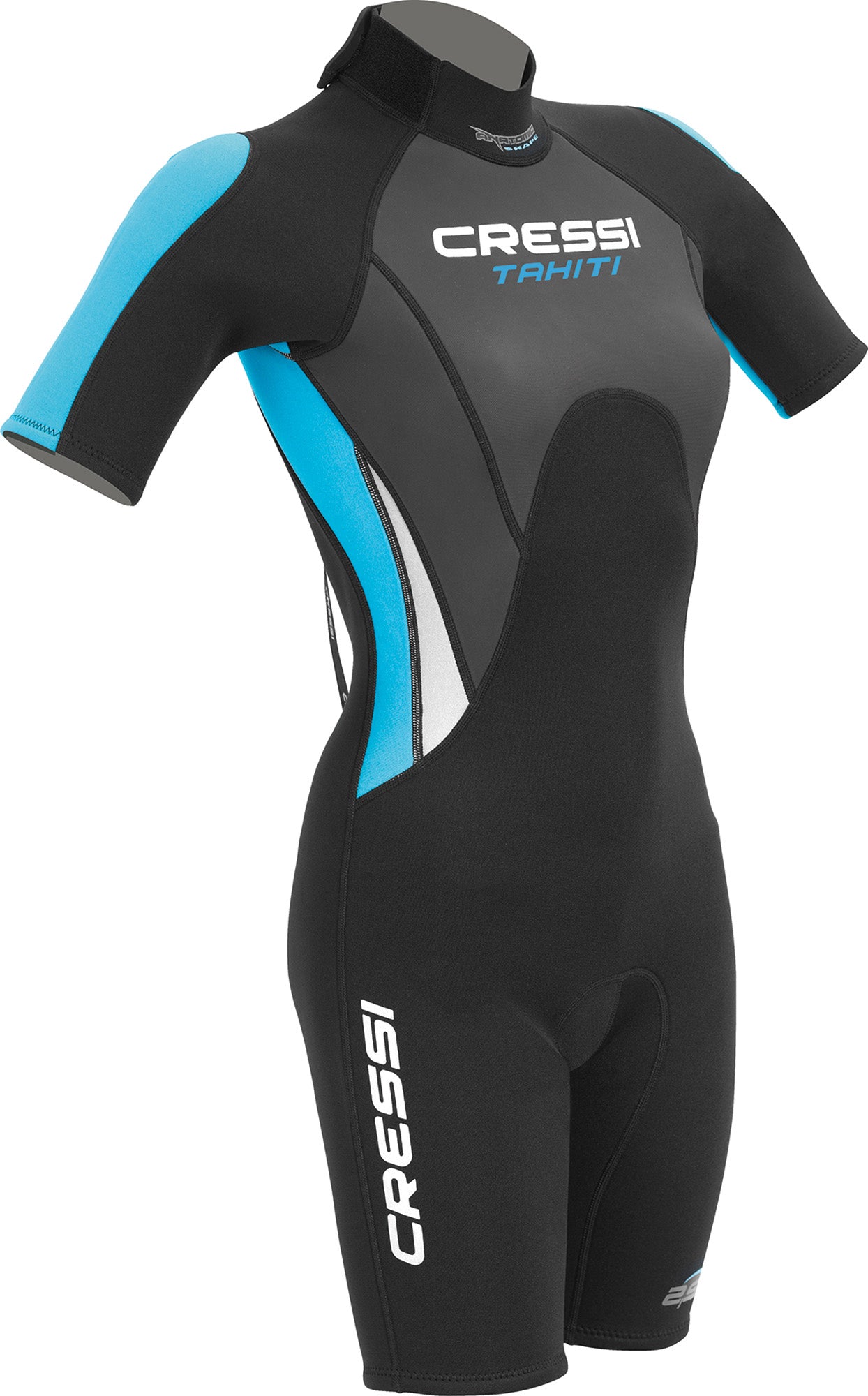
At the heart of a diver's wardrobe is the choice between a wetsuit and a drysuit. This decision is influenced by water temperature, dive depth, and personal comfort. Wetsuits, made from neoprene, work by trapping a thin layer of water between the suit and the skin, which is then warmed by the body, providing insulation. Drysuits, on the other hand, keep you completely dry and are preferred in colder waters, offering insulation through air and the wearing of additional layers underneath.
Statistics show that the majority of recreational divers opt for wetsuits due to their versatility and the warm climates in which they often dive. However, drysuits are indispensable for those venturing into colder waters, where temperatures can drop below 10°C (50°F).
Extremities require special attention when diving. Neoprene boots not only protect your feet from sharp objects and cold but also provide a snug fit for fins. Gloves serve a similar purpose, guarding against cuts and stings, while hoods are essential for retaining heat, as a significant amount of body heat is lost through the head.
It's important to note that while these accessories add layers of protection, they should be chosen with care to ensure they do not restrict movement or become cumbersome underwater.
The material of your diving attire is as crucial as the attire itself. The evolution of materials used in diving gear has been marked by an increased emphasis on durability, flexibility, and thermal protection.
Neoprene remains the cornerstone material for wetsuits and many diving accessories. Recent advancements have led to the development of super-stretch neoprene, offering divers unparalleled flexibility and comfort. This material can stretch up to 200% of its original size, allowing for a perfect fit that enhances thermal protection and reduces water entry.
Furthermore, eco-friendly neoprene alternatives made from limestone or plant-based rubber are gaining popularity, reflecting the diving community's growing commitment to environmental conservation.
Beyond neoprene, manufacturers are integrating advanced thermal protection technologies into diving attire. Materials that reflect body heat back to the diver, such as those used in space blankets, are being sewn into wetsuits to provide extra warmth without additional bulk.
These innovations not only offer improved comfort and protection but also extend the range of conditions in which divers can safely explore.
While the basics of diving attire are universal, personalizing your gear can enhance your diving experience, making it safer and more enjoyable.
The fit of your diving attire is paramount. A well-fitting wetsuit or drysuit should feel like a second skin, offering flexibility without being overly tight. Personal comfort should also guide your choice of accessories, with many divers opting for custom-fitted boots or gloves for an enhanced diving experience.
Comfort extends beyond the physical, encompassing the psychological assurance that comes from wearing gear that you trust and feel good in. This confidence is crucial when facing the challenges and unpredictability of the underwater world.
While the aesthetics of diving gear may seem secondary, the color of your attire can significantly impact your safety underwater. Bright colors improve visibility, making it easier for fellow divers to spot you in the vast blue. This is not only a safety measure but also a way to keep groups together, enhancing the communal experience of diving.
Moreover, certain marine animals are attracted to or deterred by specific colors, adding another layer to the consideration of gear color, depending on the dive environment.
Safety is the cornerstone of any diving adventure. The right attire not only protects against the cold and potential injuries but also plays a critical role in buoyancy control, a fundamental aspect of safe diving practices.
The choice of diving attire impacts buoyancy. Wetsuits, for example, add buoyancy due to the air trapped in the neoprene, requiring divers to wear additional weights to descend. Understanding this balance is crucial for maintaining control and ensuring a safe dive.
Regular maintenance and inspection of your attire are also vital safety practices. This includes checking for tears, ensuring proper fit, and replacing items that have lost their thermal protection capabilities.
The environment in which you dive also dictates specific safety attire considerations. For instance, diving in areas with strong currents may require more streamlined gear to reduce drag, while diving in regions known for sharp coral or hazardous marine life necessitates more robust protection.
Adapting your attire to the environment not only ensures your safety but also protects the delicate marine ecosystems you are there to enjoy.
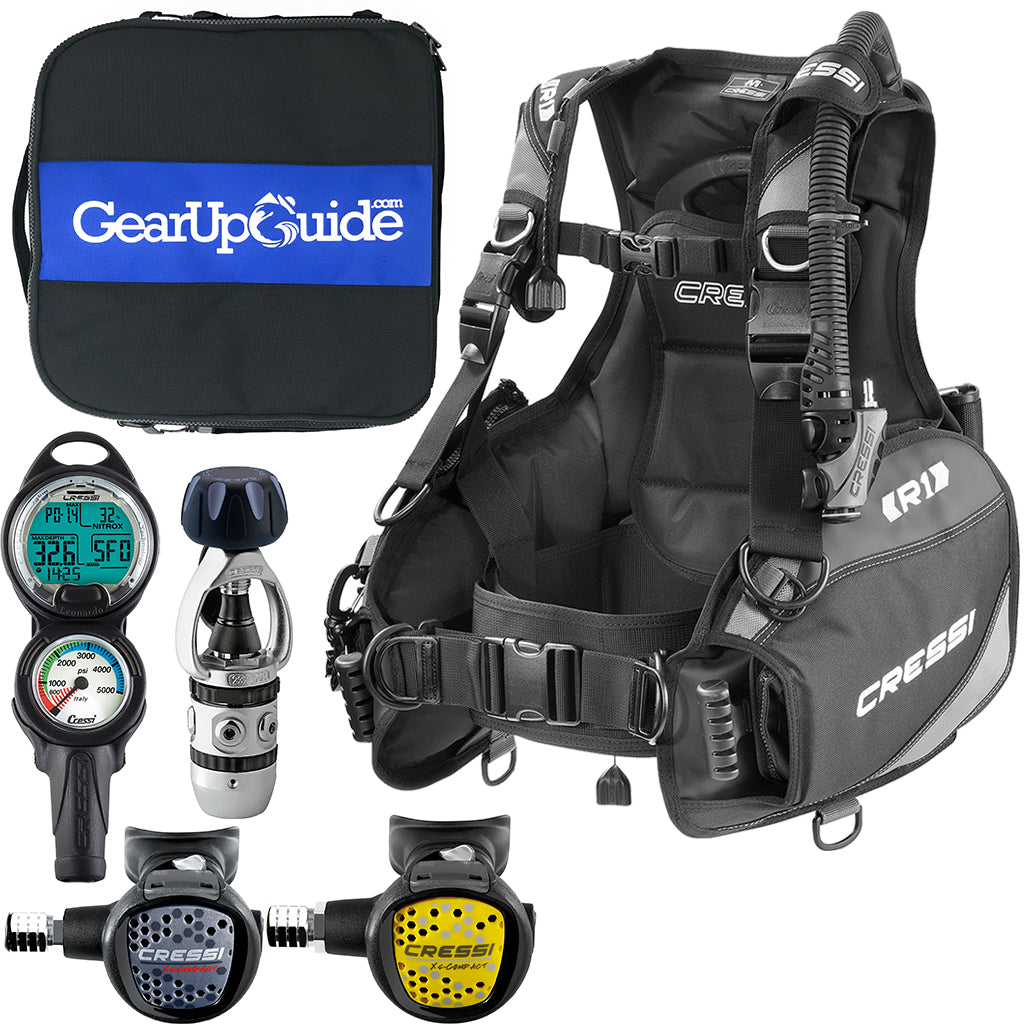
While the core diving attire is essential, certain additional gear can elevate your underwater adventures. Consider investing in a dive computer, a device that provides crucial information such as depth, dive time, and decompression limits. Dive lights are another valuable accessory, especially for exploring dark crevices or caves, enhancing visibility and safety.
Underwater cameras have become increasingly popular among divers, allowing you to capture the mesmerizing beauty of the underwater world and share your experiences with others. These technological advancements not only add to the excitement of diving but also contribute to safety and awareness during your dives.
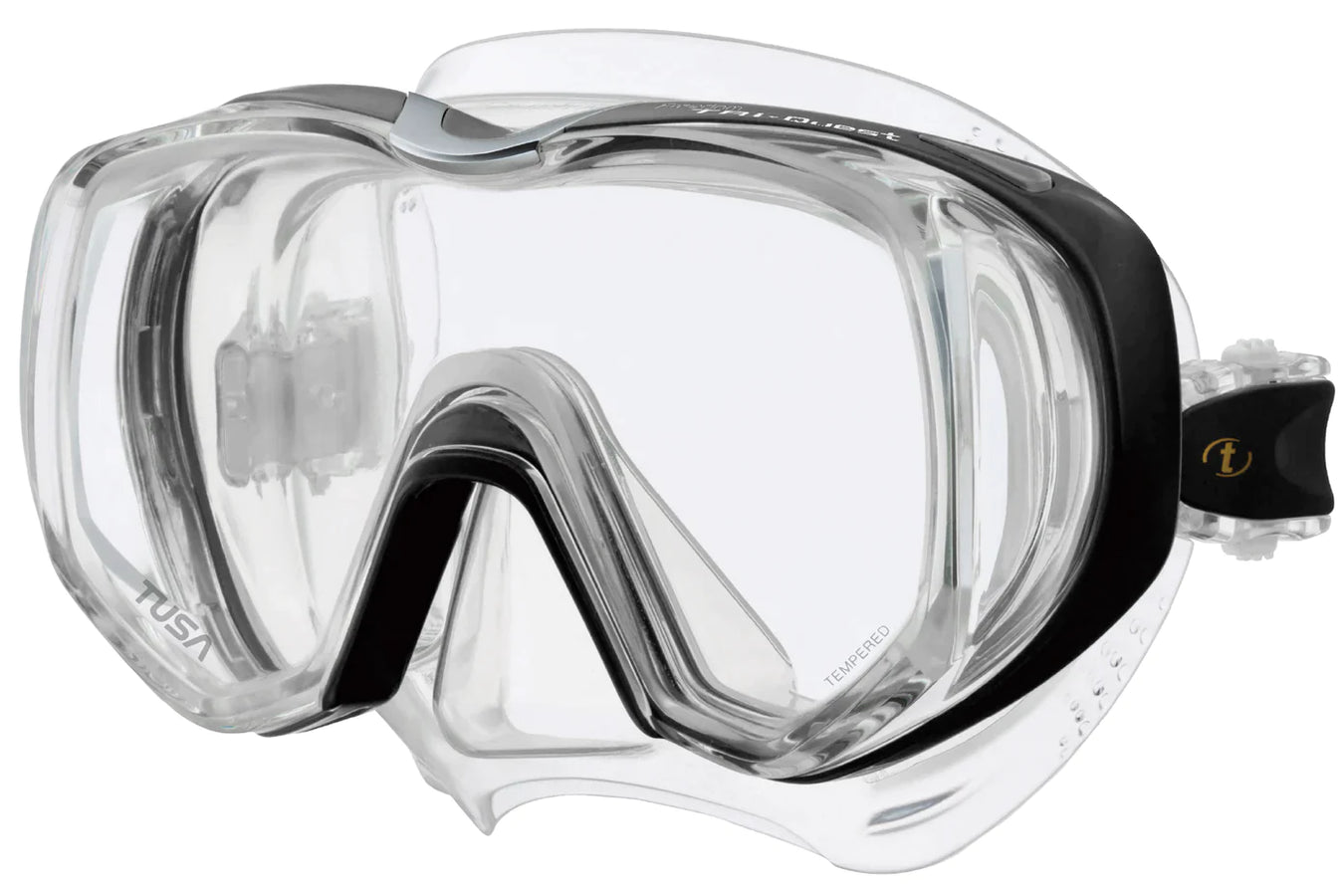
One of the most critical pieces of equipment for a diver is their mask. A well-fitted dive mask not only provides a clear view of the underwater environment but also ensures a comfortable and watertight seal. When selecting a dive mask, consider factors such as the material of the skirt, the field of vision, and the ease of equalization.
Silicone skirts are preferred for their durability and flexibility, while frameless masks offer a wider field of vision and are easier to clear. Proper equalization is essential to prevent discomfort or injury, making it crucial to test the fit and functionality of your mask before heading into the water.
Enhancing your diving attire with the right accessories can significantly improve your comfort and safety underwater. Consider investing in a quality dive knife, a versatile tool that can be used for cutting through fishing lines, signaling, or even for self-defense in rare situations.
Surface marker buoys (SMBs) are essential for signaling your position to boats or fellow divers on the surface, enhancing safety during ascents or in areas with boat traffic. Additionally, underwater signaling devices such as noise makers or dive whistles can be valuable tools for communication and attracting attention in emergencies.
Scuba diving is an adventure that offers an unparalleled opportunity to explore the mysteries of the underwater world. The joy of this exploration, however, is deeply intertwined with the safety and comfort provided by the right diving attire. From the thermal protection of wetsuits and drysuits to the personal touches that make your gear uniquely yours, every piece of your diving wardrobe plays a crucial role in your underwater journey.
As we embrace the wonders of the ocean, let us do so with the respect and preparation it demands, ensuring that our adventures beneath the waves are not only exhilarating but also safe and sustainable. After all, in the vast, uncharted waters of our planet, the right attire is not just about what we wear—it's about embracing the spirit of exploration with responsibility and care.
Now that you're equipped with the knowledge of what to wear for your scuba diving adventures, it's time to gear up with Lancaster Scuba. Whether you're just starting out or looking to expand your diving horizons, we've got you covered with top-notch equipment, expert instruction, and unforgettable dive trips. Check out our scuba gear and embrace the spirit of underwater exploration with the best in Gear. Dive. Travel. Dive into your next aquatic adventure with Lancaster Scuba today!


{"one"=>"Select 2 or 3 items to compare", "other"=>"{{ count }} of 3 items selected"}