

Exploring the Depths: Spearfishing in San Diego
Dive into the exhilarating world of spearfishing in San Diego! Discover the best spots, techniques, and gear for an unforgettable underwater adventure.
Read now
In the vast, blue expanse of the ocean, where adventure calls beneath the waves, scuba diving stands as a gateway to a world of unparalleled wonder. Yet, embarking on this journey requires more than just a spirit of adventure; it requires the right gear. What to wear for scuba diving is not just about comfort or style—it's about safety, functionality, and enhancing the diving experience. This guide dives deep into the essentials of scuba diving attire, ensuring that every dive is a step closer to the heart of the ocean's mysteries.
At the core of scuba diving gear is a suite of items designed to protect and empower the diver. Understanding these essentials is the first step in preparing for an underwater adventure.
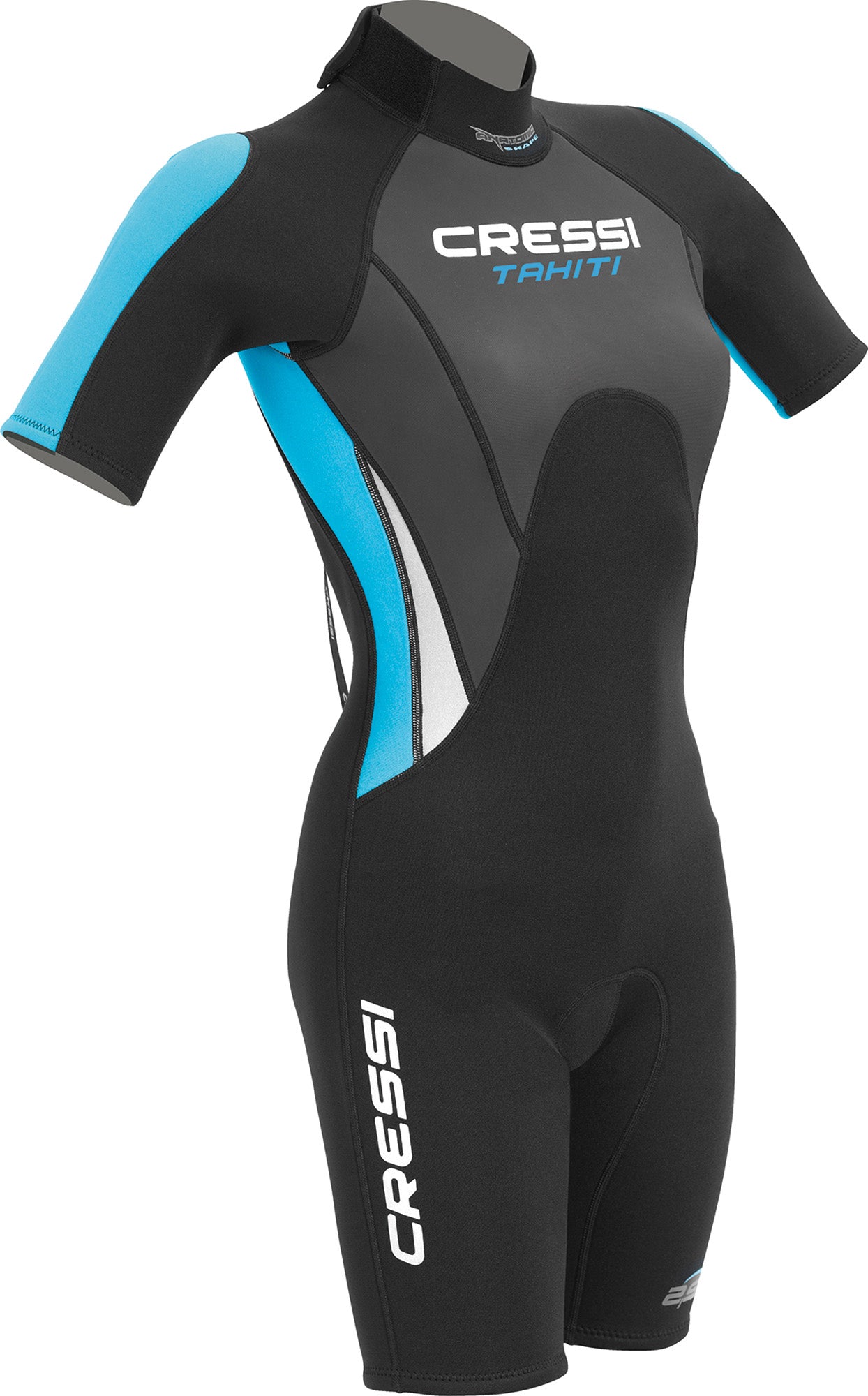
The choice between a wetsuit and a drysuit is determined by the water temperature. Wetsuits, made from neoprene, offer thermal protection by trapping a thin layer of water between the suit and the skin, which is then warmed by the body. They are ideal for waters ranging from 70°F to 50°F. Drysuits, on the other hand, are designed for colder environments, providing insulation through air trapped inside the suit and worn insulation underneath. They are essential for temperatures below 50°F.
Choosing the right thickness for a wetsuit is crucial. Thickness ranges from 2mm for warm waters to 7mm for colder conditions. Some wetsuits also come with hoods, gloves, and boots for added warmth.
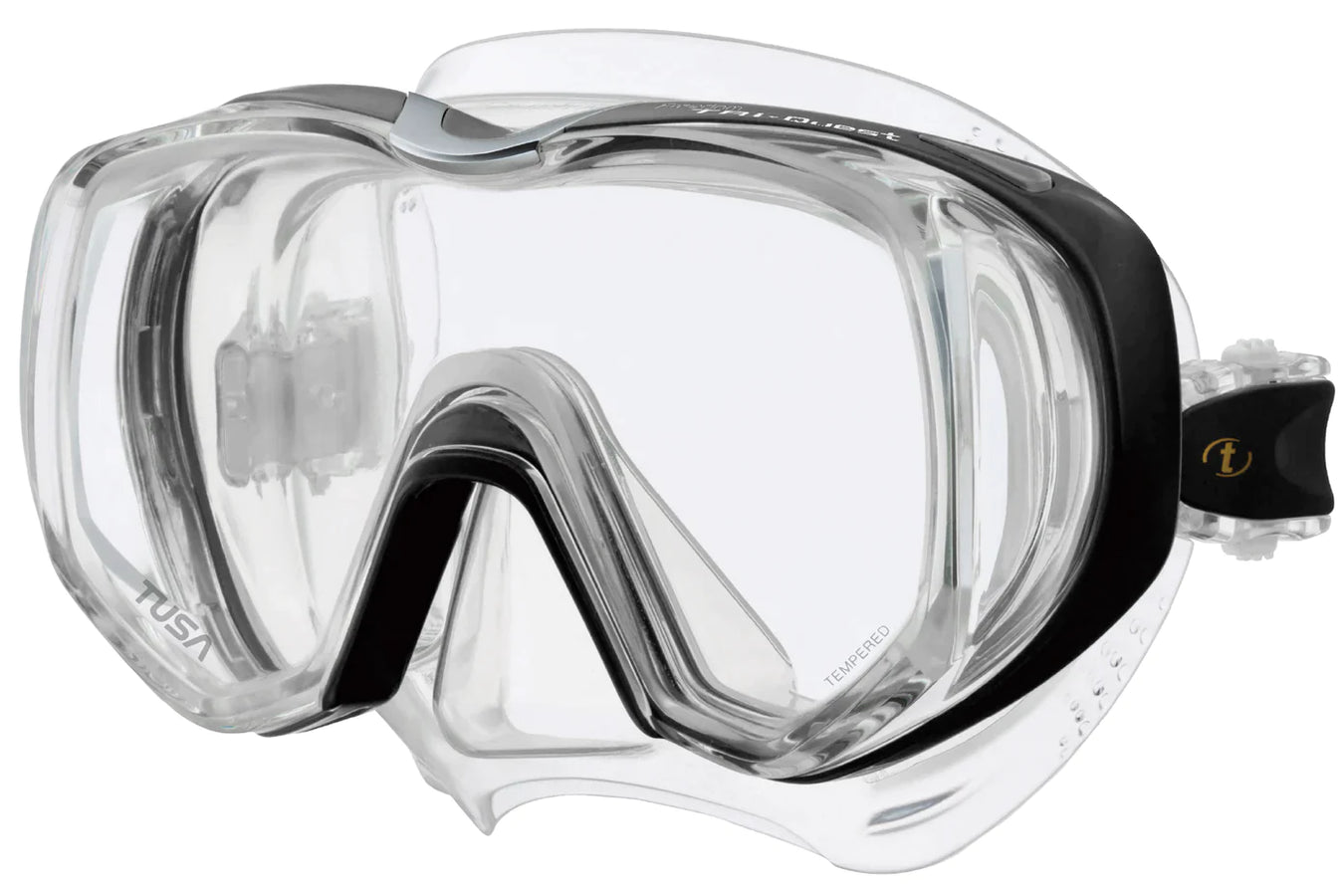
A scuba mask is more than just a window to the underwater world; it is a vital piece of safety equipment. A well-fitting mask prevents water from entering and allows divers to see clearly underwater. Masks come with different lens configurations, including single, double, and even corrective lenses for those who require prescription glasses.
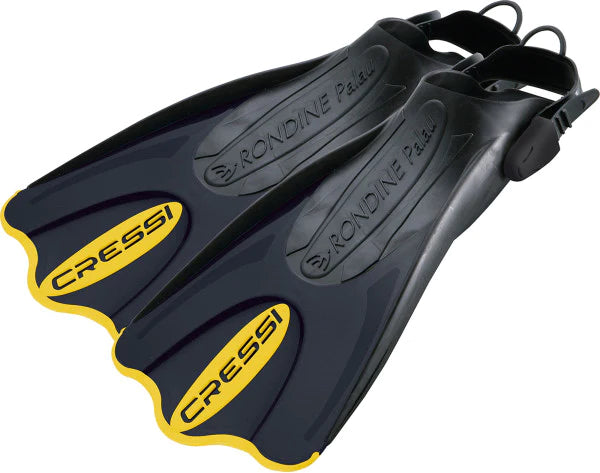
Fins translate a diver's movements into efficient motion through the water. There are two main types: open-heel and full-foot. Open-heel fins, used with booties, are adjustable and versatile for different water temperatures. Full-foot fins are lighter and more suitable for warm waters. The choice of fins affects maneuverability and comfort during dives.
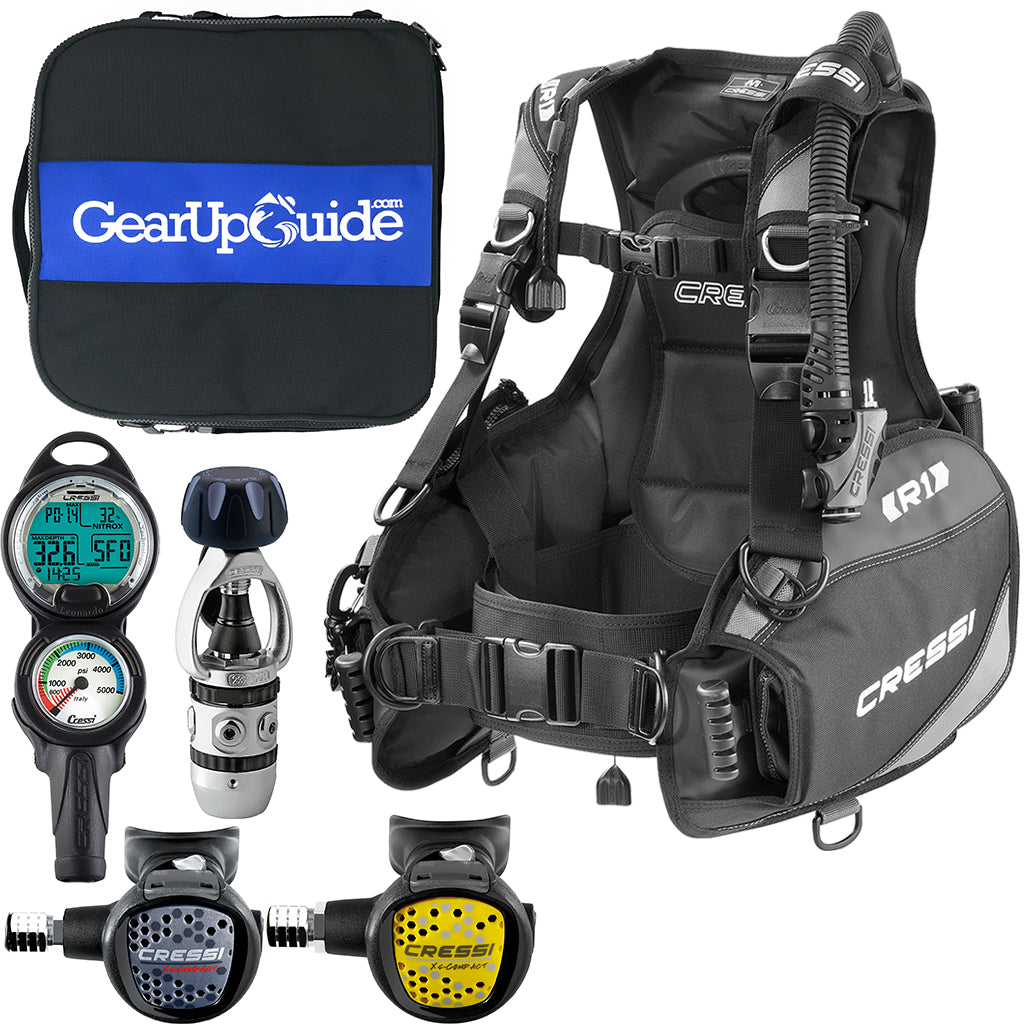
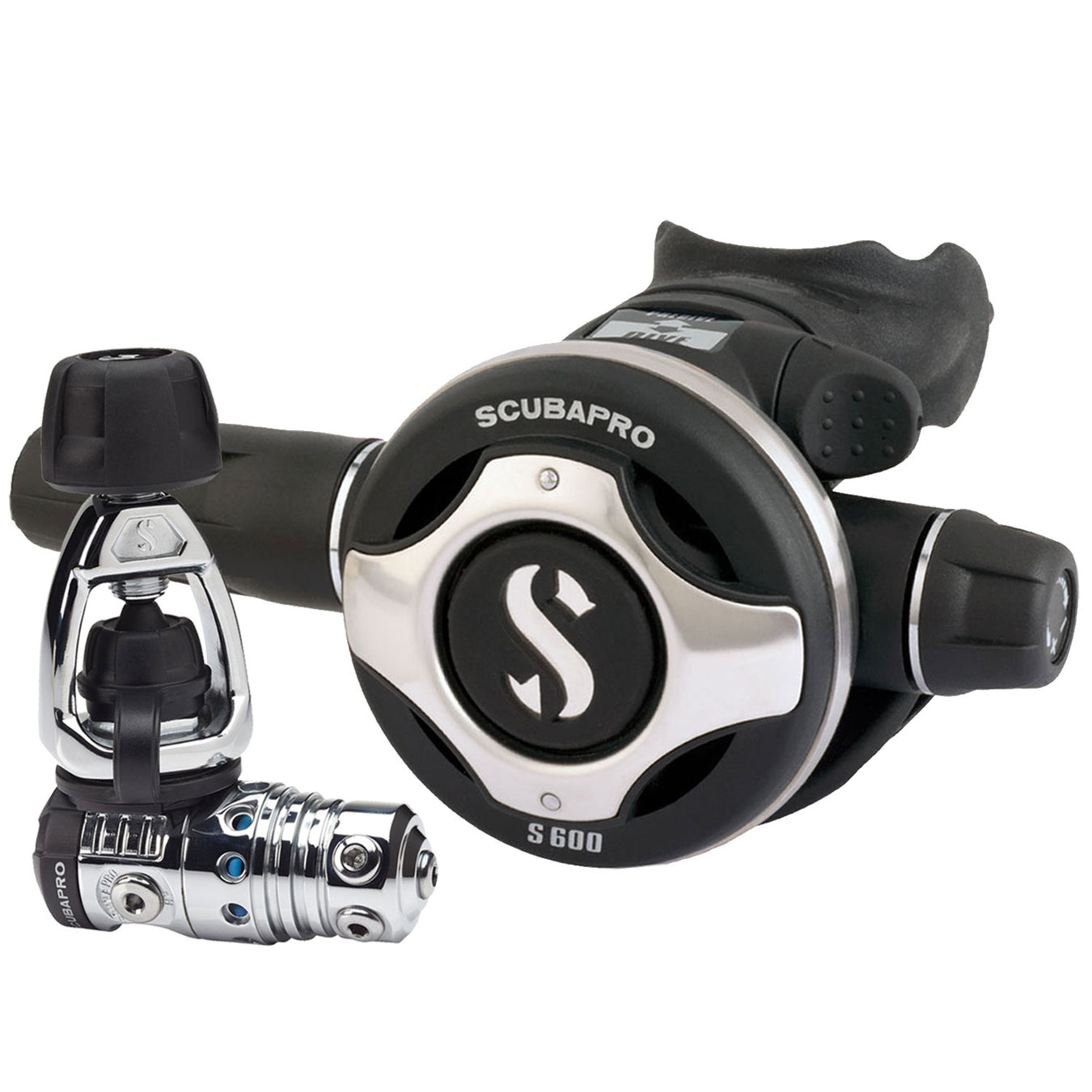
Regulators are crucial components of scuba gear, allowing divers to breathe underwater by reducing the high-pressure air in the tank to ambient pressure. Buoyancy compensators, or BCDs, help divers control their buoyancy by adding or releasing air. They also provide attachment points for other gear and can serve as flotation devices on the surface.
While the foundational gear is non-negotiable, additional items can enhance comfort, safety, and the overall diving experience.
Dive computers are critical for monitoring depth, time, and decompression status, making dives safer by providing real-time data. They come in various forms, from wrist-mounted to console-mounted models, and feature different functionalities to suit divers' needs.
For added warmth and protection, divers often turn to gloves, hoods, and boots. These accessories not only guard against the cold but also protect against cuts and stings from marine life. The material and thickness should be chosen based on the diving environment.
Documenting the underwater world is a passion for many divers. Underwater cameras allow divers to capture the beauty of the ocean and share their experiences with others. Proper lighting is essential for photography and videography, as natural light diminishes with depth.
Scuba diving attire is not one-size-fits-all; different environments require specific considerations.
In warm, tropical waters, divers might opt for a shorty wetsuit or even a rash guard and board shorts for protection against the sun and minor abrasions. Lighter gear enhances comfort and ease of movement in these inviting conditions.
Cold water diving demands comprehensive thermal protection. A drysuit with appropriate undergarments, thick gloves, and a hood become essential. Divers must also consider the buoyancy changes that come with thicker suits and adjust their weight systems accordingly.
Technical diving, which includes cave diving, wreck diving, and deep diving, may require specialized gear. This can include sidemount harnesses, additional tanks, and specific lighting and navigation tools. Each piece of gear must be chosen with the particular challenges of the dive in mind.
Proper maintenance of scuba gear is essential for safety and longevity. Rinsing equipment with fresh water after each dive, storing it away from direct sunlight, and servicing regulators and tanks regularly are key practices. Inspecting gear for wear and tear ensures that it functions correctly when needed.
What to wear for scuba diving intertwines with the very essence of the sport—preparation, safety, and a deep respect for the ocean's mysteries. The right gear not only ensures safety but also enhances the joy of exploration. As divers suit up, they're not just preparing for a dive; they're dressing for an adventure that brings them closer to the heart of the underwater world.
Remember, every piece of attire is a key to unlocking new experiences beneath the waves. Choose wisely, dive safely, and embrace the boundless adventures that await.
Now that you're equipped with the knowledge of what to wear for your underwater adventures, it's time to gear up with Lancaster Scuba. Whether you're just starting out or looking to upgrade your dive kit, we have everything you need to dive with confidence. From top-quality equipment to expert instruction and exhilarating dive trips, Lancaster Scuba is your one-stop shop for all things scuba. Check out our scuba gear and embark on your next underwater journey with us. Gear. Dive. Travel. – your adventure begins here.


{"one"=>"Select 2 or 3 items to compare", "other"=>"{{ count }} of 3 items selected"}