

Exploring the Depths: Spearfishing in San Diego
Dive into the exhilarating world of spearfishing in San Diego! Discover the best spots, techniques, and gear for an unforgettable underwater adventure.
Read now
In the vast, thrilling world of spearfishing, where adventure meets the primal hunt, there lies a critical aspect often overshadowed by the excitement—safety. Among the most pressing concerns is the phenomenon of blackout, a sudden loss of consciousness that can occur underwater due to lack of oxygen. This article delves deep into understanding, preventing, and responding to such incidents, ensuring that the spearfishing community remains a vibrant testament to the spirit of adventure, underscored by a commitment to safety and education.
At the heart of spearfishing lies the challenge of holding one's breath underwater for extended periods. This act, while a testament to human capability, carries with it the risk of blackout due to hypoxia—where the brain does not receive enough oxygen. Understanding the nature of these blackouts is the first step in safeguarding against them.
Blackouts during spearfishing are primarily categorized into two types: shallow water blackout and deep water blackout. Shallow water blackout occurs during the ascent, often just a few meters from the surface, where the oxygen partial pressure drops rapidly. Deep water blackout, less common but equally dangerous, can happen at depth, typically due to hyperventilation before a dive, which lowers carbon dioxide levels and delays the body's natural urge to breathe.
Statistics from diving safety organizations highlight a sobering reality—most blackout incidents are preventable with proper knowledge and precautions. These organizations report that a significant percentage of spearfishing fatalities are attributed to shallow water blackouts, underscoring the need for awareness and education within the community.
Early recognition of a diver in distress can mean the difference between a close call and a fatal incident. Signs of an impending blackout include confusion, poor coordination, and a glazed-over look in the eyes. Physical symptoms may also include convulsions or a limp body posture as the diver ascends. Awareness of these signs among spearfishers and their buddies is crucial for timely intervention.
Preventing blackouts in spearfishing is a multifaceted approach that begins with education and training. Spearfishers must be equipped with the knowledge and skills to manage their breath-hold dives safely.
Comprehensive dive training programs that include breath-hold techniques, risk awareness, and emergency response are essential. These programs often emphasize the importance of never diving alone and the role of a dive buddy in monitoring and assisting in case of distress.
Experts in the field advocate for continuous learning and skill development, even for experienced spearfishers. Advanced courses that focus on physiology, dive planning, and stress management further equip divers to handle the challenges of the sport safely.
Proper breath-hold management is key to minimizing blackout risk. This includes avoiding hyperventilation, which can lead to a false sense of security and delay the urge to breathe, increasing the risk of blackout. Divers are advised to take calm, deep breaths before a dive and to always listen to their body's signals.
Setting personal limits and gradually increasing dive depth and duration under controlled conditions can help divers build their capabilities safely. The use of dive computers and depth gauges to monitor dive profiles is also recommended.
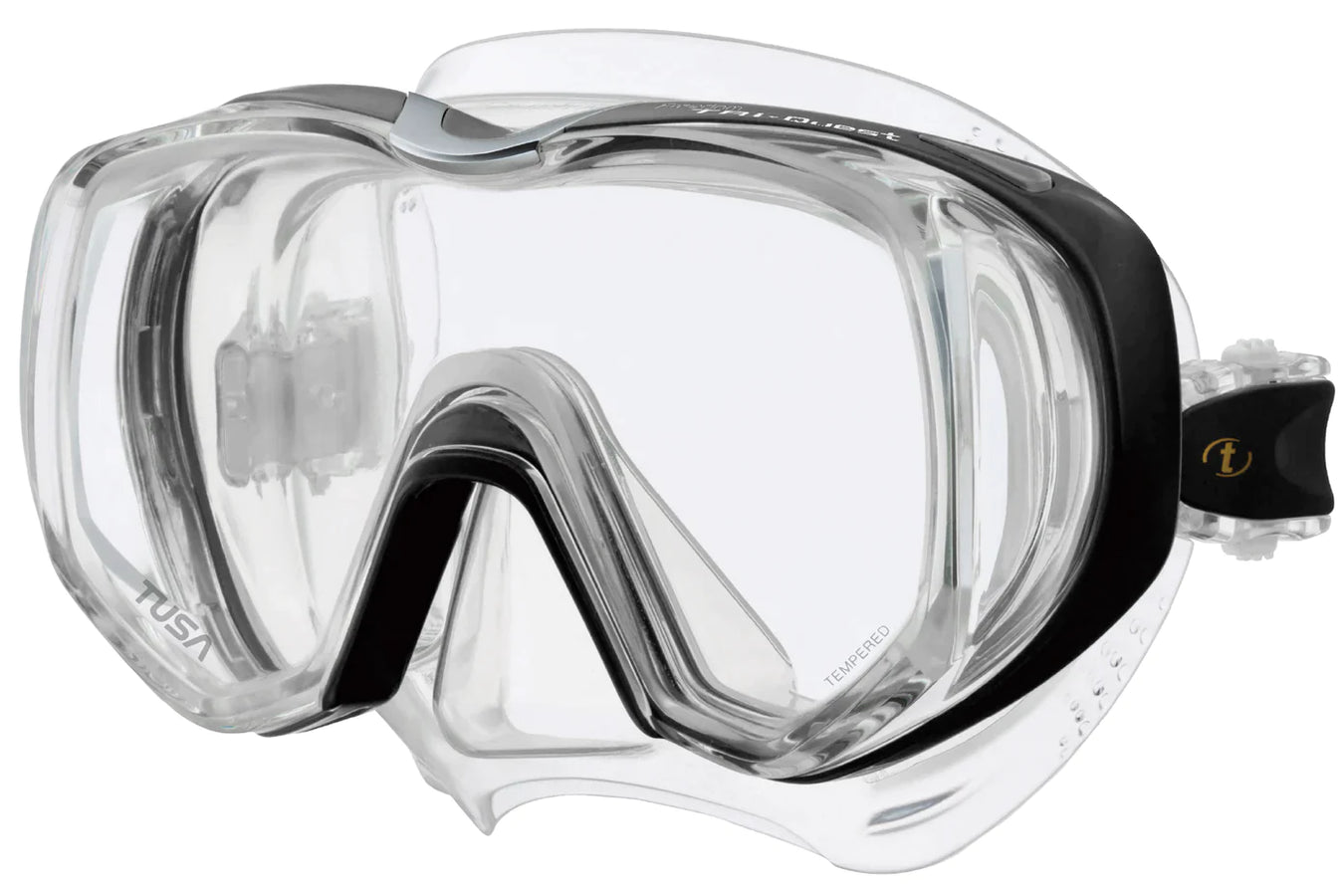
Aside from training and technique, the equipment used in spearfishing plays a crucial role in safety. Ensuring that all gear is well-maintained and functioning properly is paramount. Regular checks of masks, snorkels, fins, and spearguns are essential to prevent any unexpected malfunctions that could lead to dangerous situations underwater.
Additionally, having emergency equipment such as signaling devices, first aid kits, and oxygen tanks readily available can make a significant difference in responding to blackout incidents or other emergencies swiftly and effectively.
Despite all precautions, the possibility of a blackout cannot be entirely eliminated. Knowing how to respond in such situations is critical for every member of the spearfishing community.
If a diver blacks out, the first priority is to ensure their airway is above water to allow breathing to resume. The dive buddy should support the victim's head, remove their mask to open the airway, and signal for help. Gentle stimulation, such as tapping on the cheek or calling the diver's name, can aid in recovery.
Once the diver regains consciousness, it's important to keep them calm and horizontal in the water, monitoring for any signs of secondary drowning—a condition where water in the lungs can cause difficulties breathing even after rescue.
After a blackout incident, even if the diver seems to recover quickly, it is crucial to seek medical evaluation. Secondary effects of hypoxia can be delayed, and only a medical professional can assess the need for further treatment or observation.
Following an incident, reviewing what happened and understanding the factors that led to the blackout are important steps in preventing future occurrences. This reflective practice, coupled with a commitment to ongoing education, strengthens the individual diver's safety and the safety culture within the spearfishing community.
The allure of spearfishing lies in its blend of adventure, skill, and the primal connection to the underwater world. However, the true essence of the sport is found in the camaraderie and collective commitment to safety that binds the community. By fostering an environment where education, preparation, and vigilance are paramount, spearfishers can continue to pursue their passion with the assurance that they are supported by a culture that values their well-being above all.
In conclusion, while the risks associated with spearfishing, such as blackout, cannot be entirely eradicated, they can be significantly mitigated through education, awareness, and proper response strategies. It is through these measures that the spirit of adventure can flourish, supported by a foundation of safety and respect for the ocean's power.
As you embrace the underwater adventure of spearfishing, remember that your safety is paramount. Lancaster Scuba is here to ensure you're well-equipped for every dive. With our extensive selection of gear, expert diving instruction, and thrilling travel opportunities, we've got you covered. Check out our scuba gear today and dive into your next spearfishing journey with confidence and the right support. Gear up, dive in, and explore the world with Lancaster Scuba.


{"one"=>"Select 2 or 3 items to compare", "other"=>"{{ count }} of 3 items selected"}