

Exploring the Depths: Spearfishing in San Diego
Dive into the exhilarating world of spearfishing in San Diego! Discover the best spots, techniques, and gear for an unforgettable underwater adventure.
Read now
In the vast, blue expanse of the ocean, snorkelers often find themselves in awe of the underwater world's beauty and diversity. However, amidst the colorful coral reefs and the myriad of marine life, there lies the possibility of encountering one of the ocean's most misunderstood inhabitants—the shark. While the very thought might send shivers down the spine of many, understanding and preparing for such an encounter can transform fear into respect and fascination. This guide aims to navigate the swirling waters of information and advice on what to do if you see a shark while snorkeling, drawing from expert opinions, safety protocols, and the spirit of adventure that defines the heart of every ocean explorer.
Before diving into the depths of how to handle a shark encounter, it's crucial to set the scene with some perspective on the reality of these meetings. Despite the sensationalism often portrayed in media, shark encounters are exceedingly rare, and attacks are even rarer.
Sharks, often portrayed as the villains of the sea, are in fact largely indifferent to humans. Most species prefer to avoid contact, and encounters are usually cases of curiosity rather than aggression. Understanding that sharks are not out to harm you is the first step in managing fear and reacting appropriately.
Statistics show that the likelihood of experiencing a shark attack is about 1 in 11.5 million. To put that in perspective, you're more likely to be struck by lightning or win the lottery than to be bitten by a shark. This data isn't meant to trivialize the importance of safety but to highlight that with knowledge and preparation, snorkeling can be a safe and exhilarating experience.
While over 500 species of sharks roam the oceans, only a handful are commonly encountered by snorkelers in popular destinations. These include the nurse shark, reef shark, and occasionally, the more solitary hammerhead shark. Each species has its own behaviors and habitats, emphasizing the importance of local knowledge when snorkeling.
Nurse sharks, for example, are bottom-dwellers known for their docile nature, often found resting on sandy bottoms. Reef sharks, on the other hand, are more active during the day and are commonly seen patrolling coral reefs. Understanding these behaviors can help snorkelers anticipate and respect the natural movements of these magnificent creatures.
The adage "an ounce of prevention is worth a pound of cure" rings especially true when it comes to snorkeling in shark-inhabited waters. Preparation and awareness are your best tools for a safe and enjoyable experience.
Researching your snorkeling destination is the first step in minimizing the risk of unwanted shark encounters. Opt for locations known for their clear water and healthy coral ecosystems, as these conditions not only enhance the beauty of your snorkeling experience but also reduce the likelihood of surprising a shark or entering their feeding grounds.
Consulting with local dive shops and experienced snorkelers can provide invaluable insights into the safest spots and times for snorkeling. They can also inform you about recent sightings and behaviors of local marine life, including sharks.
Adhering to general snorkeling safety practices not only ensures your well-being but also respects the marine environment and its inhabitants. Always snorkel with a buddy, as there is safety in numbers. Stay close to shore or your boat, and avoid snorkeling at dawn or dusk when sharks are most active. Additionally, maintaining a calm and steady presence in the water can prevent attracting unwanted attention from wildlife.
It's also crucial to avoid wearing shiny jewelry or watches, as the reflected light can resemble fish scales and attract curious sharks. Similarly, minimizing splashing and keeping your hands and feet close can help you avoid being mistaken for a shark's natural prey.
If you find yourself face-to-face with a shark, the way you respond can significantly influence the outcome of the encounter. The key is to remain calm, maintain eye contact, and slowly back away.
Panic is your worst enemy in any potentially dangerous situation. Sharks are adept at sensing erratic movements, which can pique their curiosity or, in rare cases, provoke an aggressive response. By staying calm and maintaining eye contact, you communicate that you are not prey but another predator. This can often lead to the shark losing interest and swimming away.
Remember, sharks are more interested in their natural prey and are likely assessing you out of curiosity. By keeping your movements slow and deliberate, you minimize the risk of triggering a predatory response.
While your instinct might be to swim away as fast as possible, sudden movements can trigger a chase response in sharks. Instead, slowly back away, keeping the shark in sight without turning your back. This allows you to maintain a defensive posture while creating distance between you and the shark.
If the shark continues to approach, try to put a solid object between you and the shark, such as a reef or rock formation. This can serve as a barrier, providing an extra layer of protection as you retreat.
Aside from the immediate actions to take during a shark encounter, there are additional safety measures that can further reduce the risk of such encounters. One effective method is to avoid swimming near areas where fishing activities are prevalent, as these can attract sharks due to the presence of bait and discarded fish parts in the water. Being aware of local fishing practices and avoiding these areas can significantly decrease the likelihood of encountering sharks while snorkeling.
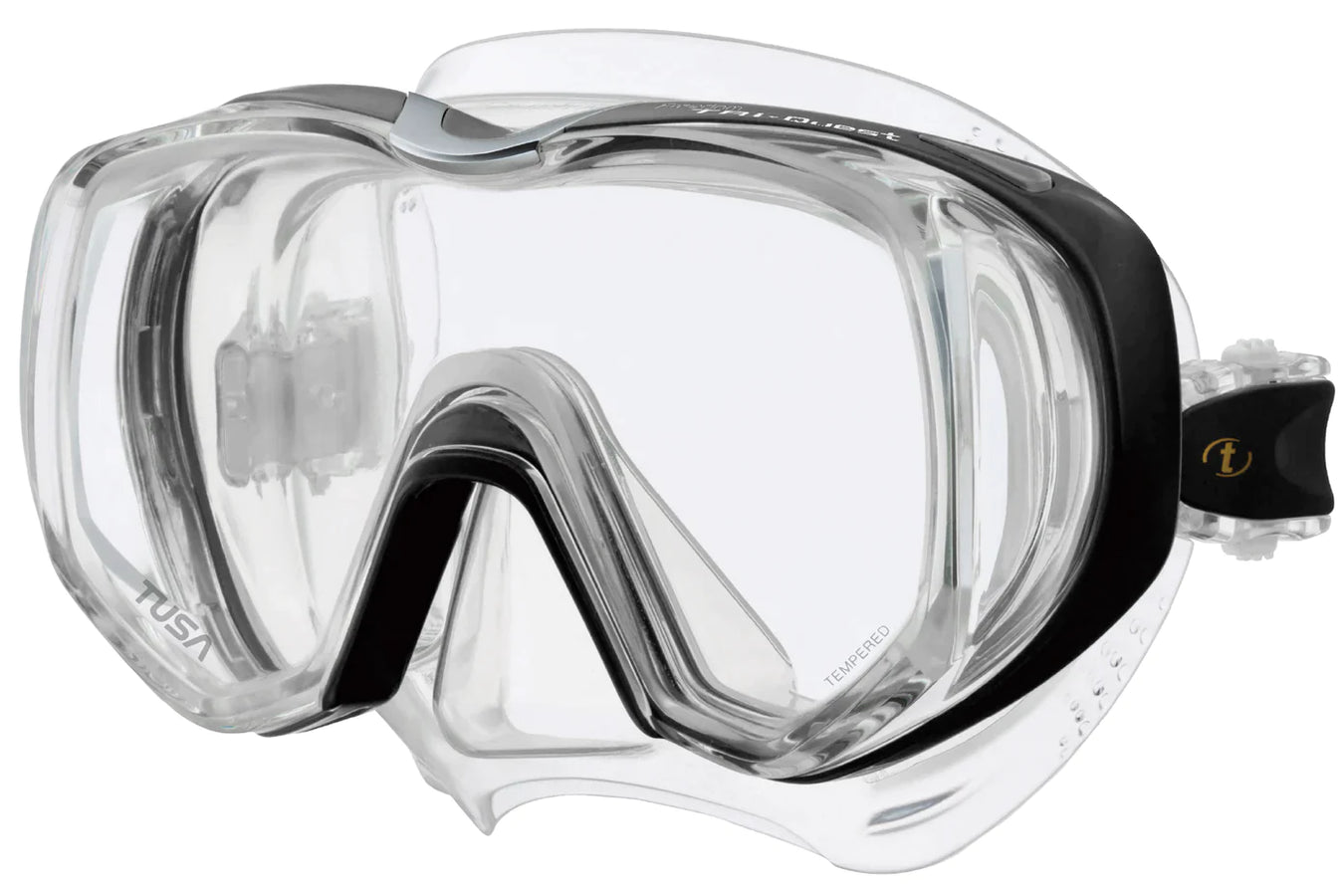
Ensuring that your snorkeling equipment is well-maintained and functioning properly is another crucial aspect of staying safe in the water. A malfunctioning snorkel or mask can not only hinder your ability to enjoy the underwater sights but can also lead to potential safety hazards. Regularly inspecting and servicing your gear, including checking for leaks in your mask and ensuring your snorkel is clear of obstructions, can help prevent unexpected issues while snorkeling.
Once you've safely exited the water, take a moment to reflect on the encounter. Sharing your experience with local authorities and fellow snorkelers can help contribute to the collective knowledge and safety of the snorkeling community.
Reporting your shark encounter to local wildlife officials or marine conservation organizations can provide valuable data for research and help in the development of safety guidelines. It's also a way to contribute to the understanding and conservation of shark populations, ensuring that future generations can continue to marvel at these guardians of the ocean.
Remember, every encounter with marine life is an opportunity to learn and grow as a snorkeler. By respecting the ocean and its inhabitants, you not only ensure your safety but also contribute to the preservation of the marine ecosystem.
Sharing your story with the snorkeling community can demystify shark encounters and help dispel the myths and fears surrounding these magnificent creatures. Whether through social media, blogs, or speaking at local community events, your experience can inspire others to explore the underwater world with respect, curiosity, and a sense of adventure.
In the heart of every snorkeler lies a profound connection to the ocean and its myriad of life forms. Encounters with sharks, while rare, remind us of the wild and untamed nature of the sea. By approaching these experiences with knowledge, preparation, and respect, we can navigate our fears and embrace the true spirit of adventure that snorkeling offers.
Ready to dive into your next snorkeling journey with confidence and the right gear? Lancaster Scuba is here to ensure you're prepared for whatever the ocean has in store. From top-notch scuba equipment to expert diving instruction, we've got you covered. Gear up for your underwater explorations, dive into new adventures with our PADI certification courses, and travel to breathtaking aquatic destinations. Check out our scuba gear today and embrace the spirit of the sea with Lancaster Scuba—where Gear, Dive, and Travel come together for an unforgettable experience.


{"one"=>"Select 2 or 3 items to compare", "other"=>"{{ count }} of 3 items selected"}