

Exploring the Depths: Spearfishing in San Diego
Dive into the exhilarating world of spearfishing in San Diego! Discover the best spots, techniques, and gear for an unforgettable underwater adventure.
Read now
In the vast, open embrace of the ocean, where adventure calls and the heart yearns for exploration, there lies a question as pivotal as the compass to the sailor: What thickness wetsuit do I need? This inquiry is not just about fabric and fit, but about unlocking the doors to underwater realms in comfort and safety. It's about ensuring that each dive becomes a progressively enriching experience, much like the journey of a dedicated diver who plunges not only into the depths of the sea but into the depths of life's potential.
Understanding the significance of selecting the appropriate wetsuit thickness is akin to grasping the importance of a well-calibrated compass on an open sea voyage. It's about harmonizing with the environment to enhance the diving experience. The right thickness determines your thermal comfort, buoyancy, and the range of motion under the water, elements that are foundational to a safe and enjoyable dive.
The ocean is a realm of mystery and majesty, yet its waters can be as chilling as the tales of ancient mariners. The primary function of a wetsuit is to provide thermal protection, to keep the diver warm amidst the cold embrace of the deep. The thickness of the wetsuit is directly proportional to its ability to insulate and protect against hypothermia, a condition as perilous as the sirens' call.
Water conducts heat away from the body approximately 25 times faster than air, making thermal protection critical for divers. The thickness of your wetsuit, measured in millimeters, acts as a barrier between you and the cold, with variations designed to suit different water temperatures. From the sun-drenched shallows to the shadowy depths, the choice of wetsuit thickness is your shield against the cold.
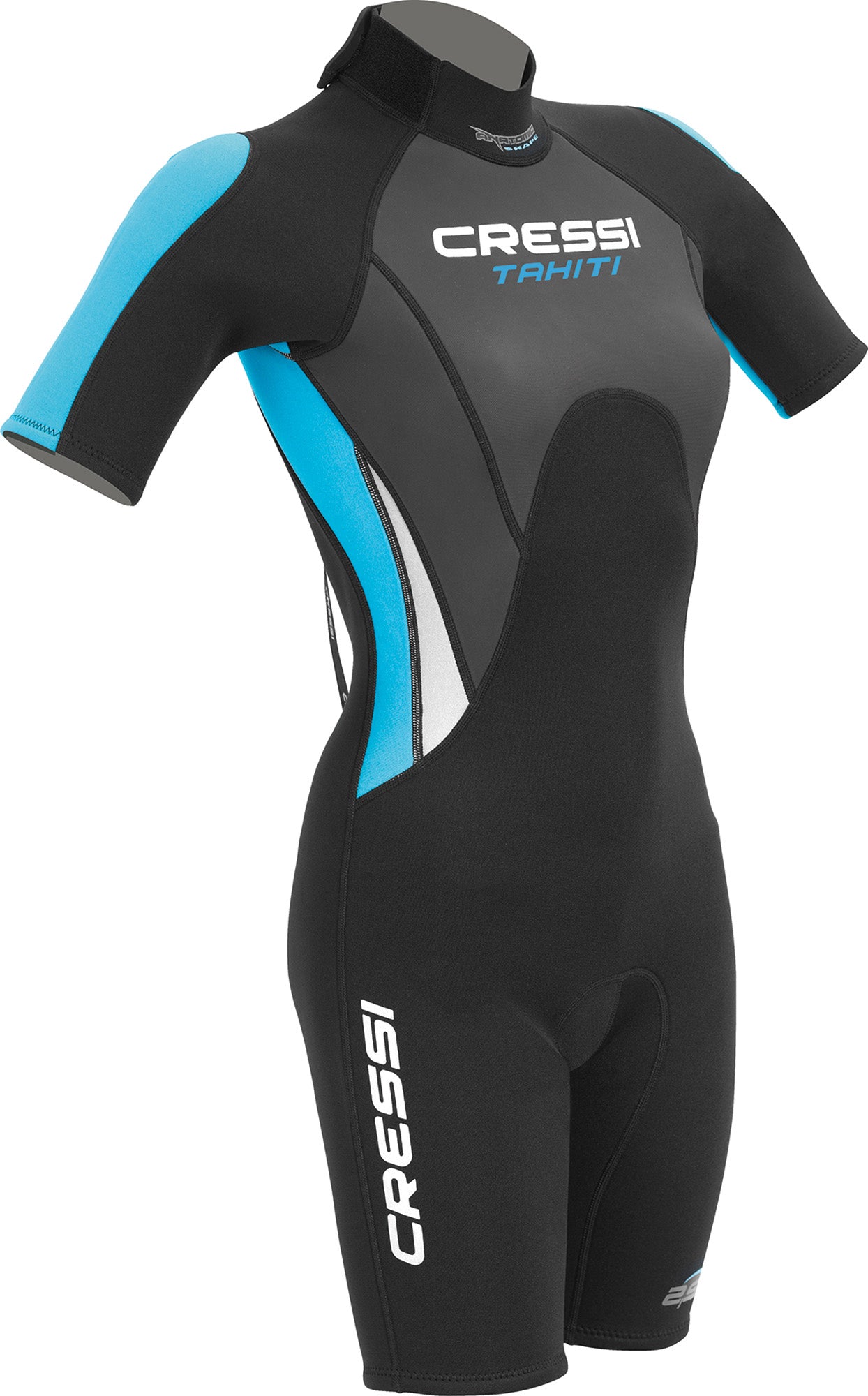
Wetsuits come in various thicknesses, typically ranging from 2mm to 7mm, to cater to different diving conditions. The thickness is often described in a two or three-number system, such as 3/2mm or 5/4/3mm, indicating the material's thickness in different parts of the wetsuit. This design consideration balances warmth with flexibility, allowing divers to move freely in the water while staying protected from the cold.
The thinner material, usually found in the arms and legs, ensures that divers can paddle and swim without feeling restricted, while the thicker torso area focuses on keeping the body's core warm. This thoughtful design is a testament to the wetsuit's role not just as gear, but as a companion in the diver's quest for adventure beneath the waves.
The quest for the perfect wetsuit thickness is guided by the waters you wish to explore. Just as a ship adjusts its sails to navigate through varying winds, a diver must choose a wetsuit thickness that harmonizes with the water temperature. This choice is crucial, for it affects not only comfort but also the very safety of the diver.
In the embrace of cold waters, where the ocean whispers ancient secrets, the choice of wetsuit thickness becomes a lifeline. For temperatures below 60°F, a wetsuit of 7mm thickness or a drysuit is often recommended. This thickness acts as a fortress, guarding the diver against the cold's sharp claws, ensuring that the body's warmth is preserved amidst the silent depths.
At these temperatures, additional accessories such as hoods, gloves, and boots become not just additions but necessities. They complete the diver's armor, offering protection and warmth, allowing the spirit of adventure to flourish even in the coldest waters.
As the waters warm to a more temperate embrace, the wetsuit thickness can be reduced to balance between warmth and flexibility. For water temperatures ranging from 60°F to 75°F, a wetsuit thickness of 5mm to 7mm is typically ideal. This range offers a middle ground, a harmony between the diver and the liquid world, allowing for extended exploration without the weight of excessive insulation.
In this temperate zone, the diver finds a balance, much like a navigator finding the perfect course, where adventure and safety intersect, allowing for the discovery of underwater wonders without the burden of the cold.
In the warm, welcoming arms of tropical waters, where the sun's rays dance upon the surface, the need for thermal protection diminishes. Here, a wetsuit of 2mm to 3mm thickness suffices, acting more as a shield against the sun and abrasion than the cold. This minimal thickness ensures that the diver remains agile and free, like a bird in flight, exploring coral gardens and vibrant marine life with ease.
The warm waters invite the diver to linger, to explore without the haste imposed by the cold. In this realm, the wetsuit becomes a light cloak, a mere whisper of protection that allows the diver to embrace the ocean's warmth fully.
While the thickness of a wetsuit is a critical factor in determining comfort and safety during dives, there are other considerations that can further enhance your underwater experience. One such consideration is the material of the wetsuit. Neoprene is the most common material used in wetsuits due to its insulating properties and flexibility. However, newer materials like eco-friendly alternatives are also becoming popular among environmentally conscious divers.
Another important aspect to consider is the fit of the wetsuit. A well-fitted wetsuit not only provides better insulation but also allows for ease of movement underwater. It should be snug but not constricting, ensuring that water does not flush in and out, which can lead to heat loss. Additionally, features such as sealed seams and zippers can prevent water entry, further enhancing the wetsuit's thermal efficiency.
Furthermore, the design of the wetsuit, including features like reinforced knee pads, ankle zippers, and adjustable collars, can add to its functionality and durability. These design elements not only improve the wetsuit's performance but also contribute to its longevity, ensuring that it remains a reliable companion on your underwater adventures for years to come.
For divers engaged in specialized activities such as deep diving, wreck exploration, or cold water cave diving, there are wetsuits designed with specific features to meet the demands of these pursuits. These specialized wetsuits may include additional insulation layers, reinforced panels for abrasion resistance, and integrated pockets for carrying essential equipment.
Moreover, some wetsuits are equipped with built-in hoods or detachable hoods to provide extra warmth and protection for the head and neck in colder waters. These specialized wetsuits cater to the unique requirements of different diving disciplines, ensuring that divers can focus on their underwater objectives without compromising on comfort or safety.
The journey to finding the perfect wetsuit thickness is not just about measurements and water temperatures; it's about understanding your own desires for adventure, the types of environments you wish to explore, and the balance between comfort, safety, and freedom. Like the mariner's quest for new horizons, it is a personal voyage, one that requires insight, preparation, and a deep love for the mysteries of the deep.
As you stand on the threshold of your next underwater adventure, remember that the right wetsuit is not just equipment; it is your companion in the exploration of the unknown, a guardian against the elements, and a key to unlocking the full potential of your diving experiences. Choose wisely, dive safely, and let the wonders of the ocean inspire your journey to depths unknown.
As you prepare to dive into the wonders of the ocean, let Lancaster Scuba be your trusted ally in selecting the ideal wetsuit thickness for your aquatic endeavors. With our extensive range of gear, expert diving instruction, and thrilling travel opportunities, we are dedicated to enhancing your underwater experiences. Check out our scuba gear and embark on a journey that promises both safety and excitement. Dive into your next adventure with confidence and the spirit of discovery, knowing that Lancaster Scuba has got you covered from gear to dive to travel.


{"one"=>"Select 2 or 3 items to compare", "other"=>"{{ count }} of 3 items selected"}