

Exploring the Depths: Spearfishing in San Diego
Dive into the exhilarating world of spearfishing in San Diego! Discover the best spots, techniques, and gear for an unforgettable underwater adventure.
Read now
In the realm of underwater exploration, the allure of the unknown beckons adventurers from around the globe. It's a world where the weight of your gear is as crucial as the weight of your aspirations. Understanding the intricacies of scuba gear, from its heft to its purpose, is not just about preparation; it's about diving deeper into the essence of the adventure itself. This guide is dedicated to unraveling the mysteries of scuba gear weight, a fundamental aspect that shapes the experience of every diver. Whether you're a seasoned explorer of the ocean's depths or a novice eager to take your first plunge, the knowledge of your equipment's weight is your first step towards a safe and exhilarating journey.
Before we delve into the specifics of weight, let's explore the core components that make up the scuba gear. Each piece plays a pivotal role in the diver's journey, ensuring safety, mobility, and the sheer joy of exploration.
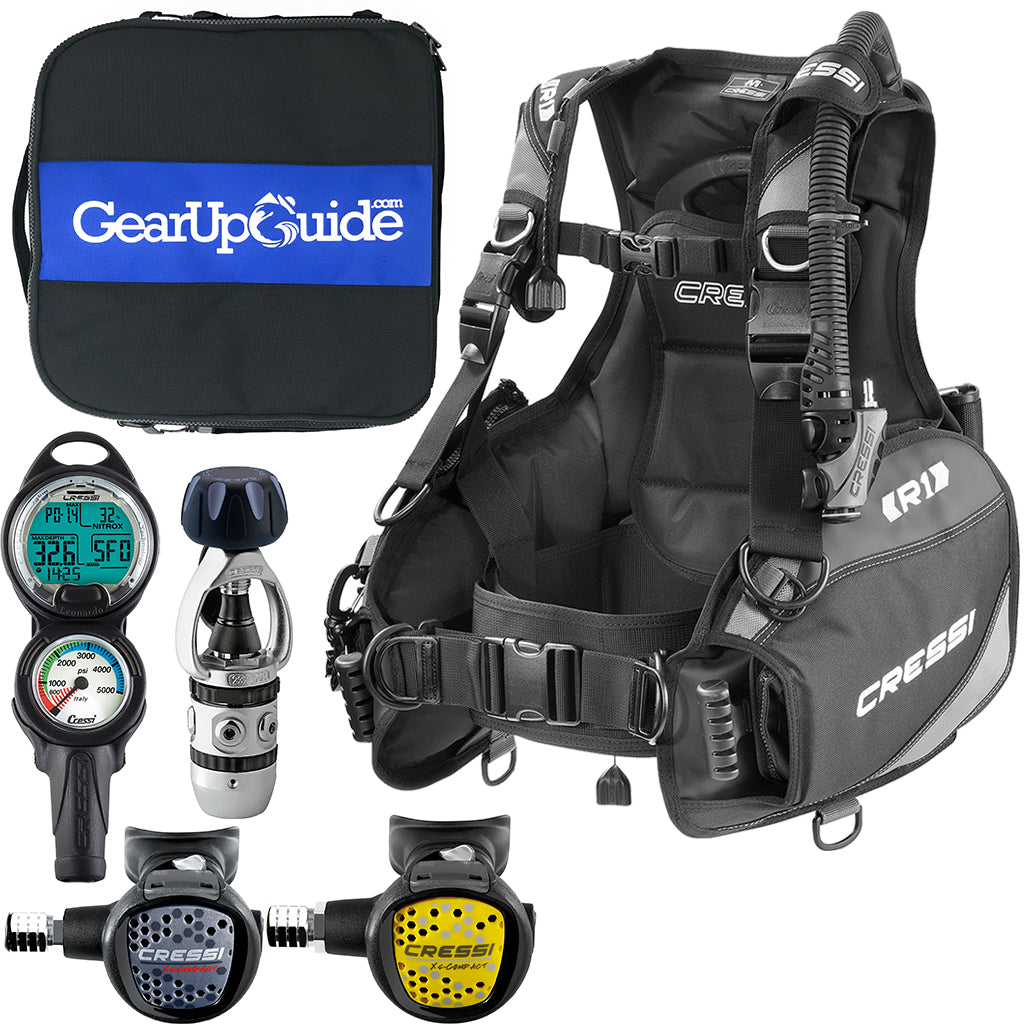
The BCD is not just a piece of equipment; it's the diver's companion in maintaining neutral buoyancy. It allows for a seamless dance with the currents, where the diver can ascend, descend, or hover with grace. The weight of a BCD can vary significantly, ranging from 2 to 7 pounds (0.9 to 3.2 kilograms), depending on the design and materials used. This variance highlights the importance of choosing a BCD that aligns with your diving style and the nature of your adventures.
Moreover, the BCD is a testament to the evolution of diving technology. Modern designs incorporate materials that reduce weight without compromising on durability, offering divers the freedom to explore without being weighed down.
At the heart of the scuba gear lies the scuba tank, a vessel of life-giving air. It's a symbol of the diver's autonomy under the waves, a reminder of the preciousness of every breath. The weight of a scuba tank can be quite substantial, with an average empty weight of 25 to 35 pounds (11.3 to 15.9 kilograms) for aluminum tanks and 28 to 36 pounds (12.7 to 16.3 kilograms) for steel tanks. When filled, the weight increases, adding another dimension to the diver's experience.
The choice between aluminum and steel tanks is a reflection of personal preference and diving conditions. Steel tanks, while heavier, offer a higher capacity for air, extending the boundaries of exploration. Aluminum tanks, on the other hand, are lighter and more buoyant, catering to those who seek agility in their aquatic adventures.
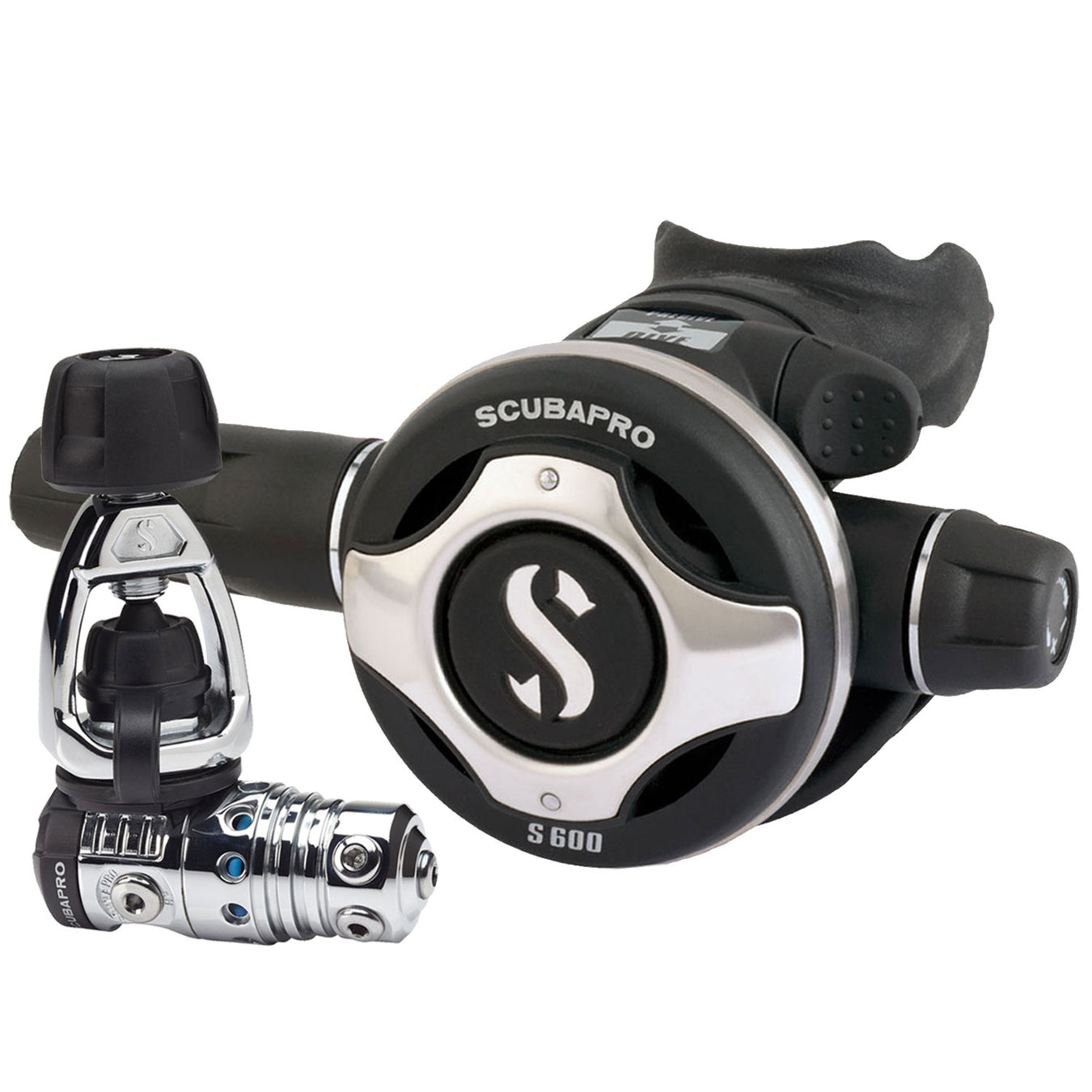
The regulator, paired with the octopus, is the diver's lifeline, a sophisticated system that delivers air from the tank with each breath. This duo embodies the marvel of human ingenuity, enabling us to breathe underwater as if we belonged to the sea. The weight of this system is relatively light, with an average of 2 to 3 pounds (0.9 to 1.4 kilograms), yet its significance is immeasurable.
Choosing a regulator and octopus setup is about finding the balance between performance and weight. Advanced materials and design innovations have led to lighter models that do not compromise on reliability or functionality, ensuring that every breath is a testament to the spirit of adventure.
Beyond the core components, a diver's gear includes a range of accessories that enhance the diving experience. Each piece adds a layer of complexity and excitement to the adventure, from the depths explored to the creatures encountered.
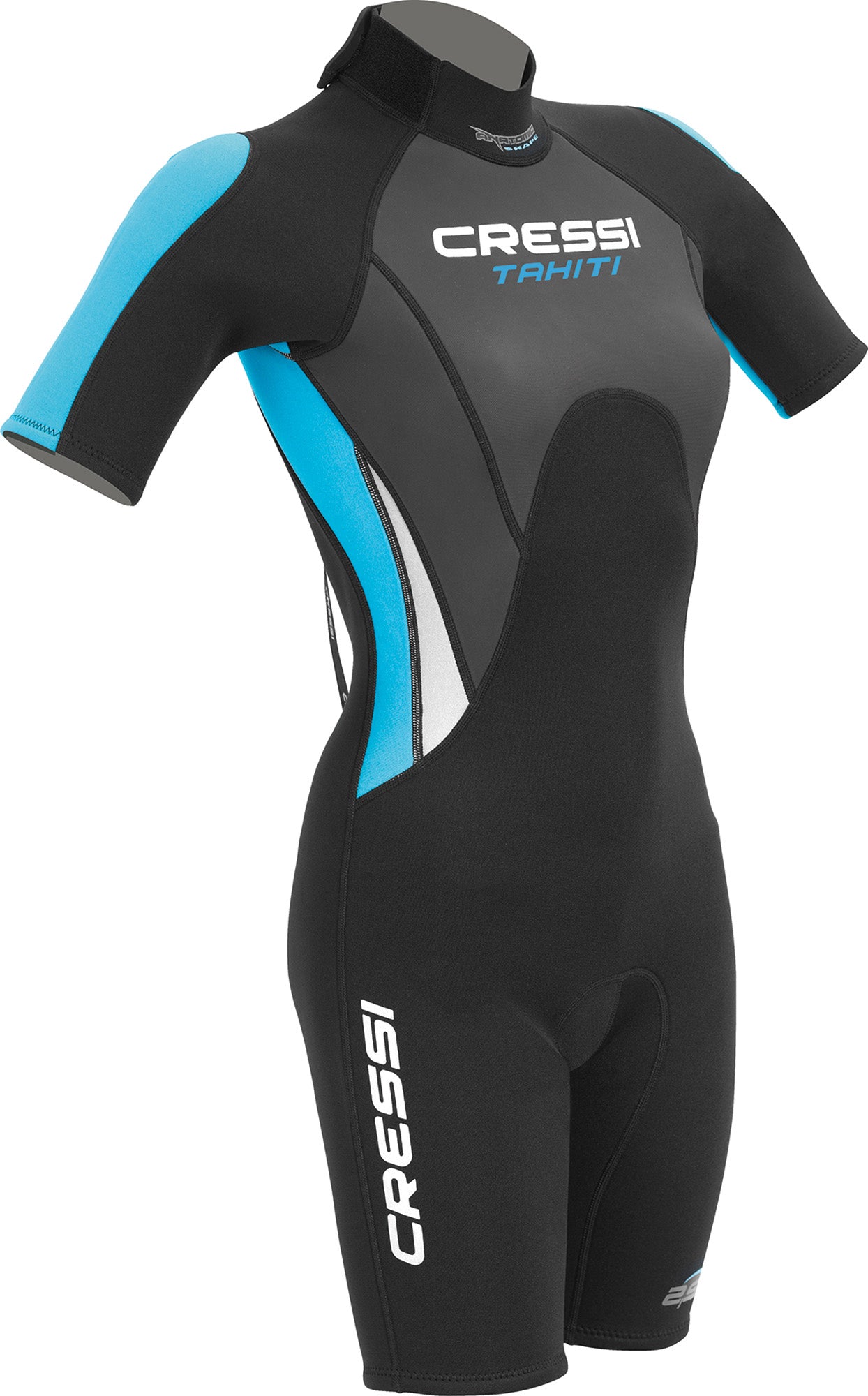
The diving suit is the diver's second skin, a protective layer against the elements. Whether it's a lightweight wetsuit or a sturdy drysuit, the choice of suit is influenced by the diving environment. Wetsuits can range from 3 to 8 pounds (1.4 to 3.6 kilograms), while drysuits are heavier, averaging between 7 to 14 pounds (3.2 to 6.4 kilograms). This variation underscores the importance of selecting a suit that not only fits the diver's body but also the nature of their underwater quests.
The evolution of diving suits has seen the introduction of materials that offer warmth and flexibility without excessive weight, allowing divers to embrace the cold depths without being burdened.
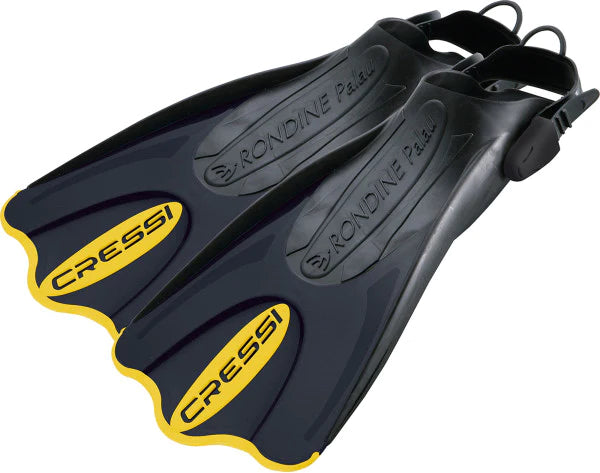
Fins are the diver's wings, granting the power to glide through the water with ease and grace. The weight of fins can vary, with an average of 2 to 3 pounds (0.9 to 1.4 kilograms) for a pair. The choice of fins is a reflection of the diver's style and the conditions they seek to conquer, from gentle currents to the challenge of deep wrecks.
Modern fins are designed to maximize efficiency and minimize effort, using materials that are both strong and lightweight. This innovation allows divers to move through the water with a sense of freedom, turning each kick into a stroke of discovery.
As divers venture into the unknown depths, the importance of underwater navigation gear cannot be overstated. Navigating through underwater landscapes requires precision and awareness, making these tools essential for a safe and fulfilling dive.
Dive computers have revolutionized the way divers track their time underwater, monitor depths, and manage decompression. These compact devices provide real-time data that enhances safety and allows for more efficient dives. The weight of a dive computer is minimal, typically adding only a few ounces to the diver's gear ensemble.
Modern dive computers come equipped with advanced features such as air integration, nitrox compatibility, and personalized dive profiles. These technological marvels not only lighten the diver's load but also deepen their understanding of the underwater world.
An underwater compass is a diver's guide in the labyrinth of the ocean. It offers a reliable means of orientation, ensuring that divers can navigate with confidence and precision. The weight of an underwater compass is negligible, yet its value in providing direction amidst the vastness of the sea is immeasurable.
With advancements in design and functionality, underwater compasses have become essential tools for underwater explorers, allowing them to chart their course and discover hidden wonders beneath the waves.
As we assemble the pieces of the puzzle, the total weight of scuba gear becomes clear. It's a balance of necessity and innovation, where each component plays its part in the symphony of the dive. On average, a fully equipped diver can carry between 40 to 60 pounds (18.1 to 27.2 kilograms) of gear, a testament to the physical and mental preparation that diving demands.
Yet, this weight is not a burden; it's a badge of honor. It represents the courage to explore the unknown, the strength to face the depths, and the joy of discovering the wonders beneath the waves. For every diver, the weight of their gear is a measure of their commitment to the adventure, a commitment that is as profound as the ocean itself.
In the end, the question of 'how much does scuba gear weigh' is more than a matter of numbers. It's about understanding the weight we carry as a gateway to the extraordinary, a step towards experiences that enrich our lives beyond measure. So, as you prepare for your next dive, remember that the weight of your gear is the weight of your dreams, waiting to be realized beneath the surface of the sea.
Ready to transform the weight of your dreams into a reality beneath the waves? Lancaster Scuba is here to guide you every step of the way. From top-notch gear to expert diving instruction and unforgettable travel experiences, we embody the essence of "Gear. Dive. Travel." Dive into our extensive selection of scuba and water sports equipment, embrace the thrill of PADI-certified courses, and join us on exhilarating dive trips to the most captivating underwater destinations. Check out our scuba gear today and take the plunge into your next great adventure!


{"one"=>"Select 2 or 3 items to compare", "other"=>"{{ count }} of 3 items selected"}