

Exploring the Depths: Spearfishing in San Diego
Dive into the exhilarating world of spearfishing in San Diego! Discover the best spots, techniques, and gear for an unforgettable underwater adventure.
Read now
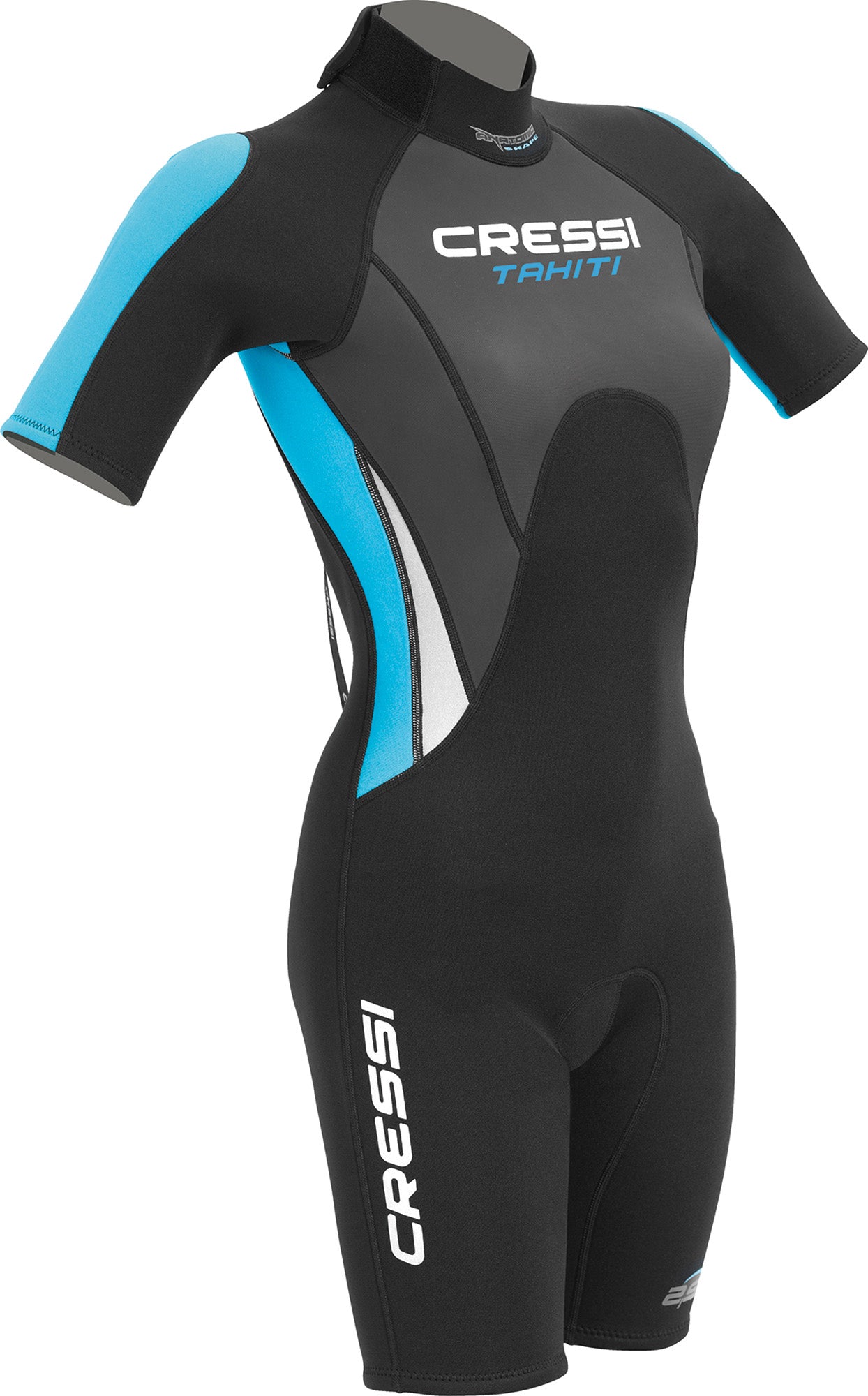
In the vast expanse of the ocean, where the adventure calls the brave and the passionate, there lies a simple yet profound question that beckons every diver's curiosity—how warm is a wetsuit? This question, seemingly straightforward, opens up a world of understanding, not just about the garment itself but about the very essence of diving. Diving, after all, is not merely a sport or a hobby; it's a pursuit of the unknown, a journey into the depths of the sea and oneself. In this exploration, the wetsuit emerges not just as a piece of equipment but as a companion that guards against the chill of the underwater world, enabling the diver to explore further, deeper, and longer.
At the heart of every wetsuit is the material from which it is crafted. This material is not just fabric; it's a technology, a science that has evolved over the years to meet the diver's needs. Let's delve into the essence of this material and understand what makes it the diver's second skin.
Neoprene, the lifeblood of the wetsuit, is a synthetic rubber that boasts unique properties, making it ideal for insulation in aquatic environments. Its closed-cell structure is filled with tiny air bubbles, which trap heat and prevent the cold water from sapping the diver's body warmth. This characteristic of neoprene, its ability to provide insulation, is what makes the wetsuit an indispensable part of diving gear.
Over the years, the technology behind neoprene has seen significant advancements. Today, wetsuits are not just warmer but also more flexible, allowing for greater freedom of movement under the water. The thickness of the neoprene plays a crucial role in the level of warmth it provides. Generally, wetsuits range from 2mm to 8mm thick, with the thicker suits offering more warmth in colder waters.
The pursuit of better, more efficient wetsuits has led to several innovations in the material and design. Manufacturers have introduced features such as thermal linings that reflect body heat back to the diver, further enhancing the warmth provided by the suit. Additionally, advancements in seam construction have improved the water-tightness of wetsuits, minimizing water exchange and thus retaining more body heat.
Another noteworthy innovation is the development of eco-friendly neoprene alternatives. These sustainable materials aim to reduce the environmental impact of wetsuit production, offering a warmer and cleaner ocean for future generations of divers to explore.
The warmth of a wetsuit is not determined by the material alone. The thickness of the suit and how well it fits the diver are equally important factors. A closer look at these aspects reveals their critical role in the diver's comfort and warmth underwater.
The thickness of a wetsuit is measured in millimeters and often varies across different parts of the suit to provide both insulation and flexibility where needed. The choice of wetsuit thickness depends on the water temperature and the diver's sensitivity to cold. As a general guideline, thicker wetsuits are recommended for colder waters, while thinner suits are suitable for warmer climates.
Understanding the water temperature and the corresponding wetsuit thickness is crucial for divers. For instance, a 3mm wetsuit might be ideal for waters around 70°F, while a 7mm suit would be better suited for temperatures around 50°F. This knowledge not only ensures the diver's comfort but also their safety, as hypothermia can be a serious risk in cold waters.
A wetsuit must fit snugly against the diver's body to be effective. A suit that is too loose will allow water to flow freely between the suit and the skin, reducing the suit's ability to insulate and keep the diver warm. Conversely, a suit that is too tight can restrict movement and even breathing. Finding the right fit is a balance between snugness and comfort, ensuring that the wetsuit serves its purpose without hindering the dive.
When trying on wetsuits, divers should look for a fit that is tight but not constricting, allowing for full range of motion. Special attention should be paid to the fit around the neck, wrists, and ankles, as these areas are crucial for preventing excessive water entry.
While the wetsuit forms the core of a diver's gear, there are several accessories that can further enhance the diving experience. From hoods to gloves and boots, these additions not only provide additional warmth but also offer protection and comfort in challenging underwater conditions.
Wetsuit hoods are essential for maintaining overall body warmth during dives, as a significant amount of heat can be lost through the head. Hoods come in various thicknesses to suit different water temperatures and are designed to provide a snug fit around the face and neck, preventing water from entering and cooling the head.
Additionally, hoods offer protection against jellyfish stings and other potential hazards, making them a valuable accessory for divers exploring diverse marine environments.
Hands and feet are particularly susceptible to cold temperatures underwater, making gloves and boots crucial additions to a diver's ensemble. These accessories not only provide insulation but also protect against abrasions and injuries while navigating rocky or uneven terrain.
Gloves with textured palms offer better grip on equipment, while boots with sturdy soles enhance traction and prevent slipping on wet surfaces. By extending warmth to the extremities, gloves and boots ensure that divers can focus on their underwater exploration without discomfort or distraction.
Proper maintenance of wetsuits is essential to ensure their longevity and performance. By following a few simple care practices, divers can prolong the life of their wetsuits and continue to enjoy their diving adventures without compromising on warmth and comfort.
After each dive, wetsuits should be thoroughly rinsed with fresh water to remove salt, sand, and other debris that can degrade the material over time. It's important to pay attention to zippers, Velcro fastenings, and other components that may trap residue and cause damage.
Once rinsed, wetsuits should be hung to dry in a shaded, well-ventilated area away from direct sunlight. Avoiding heat sources and excessive sunlight helps prevent neoprene from drying out and losing its flexibility, ensuring that the wetsuit remains supple and comfortable to wear.
When not in use, wetsuits should be stored flat or hung on wide, padded hangers to maintain their shape and prevent creasing. Folding wetsuits can lead to permanent creases that affect both fit and insulation.
Regularly inspecting wetsuits for signs of wear and tear, such as fraying seams or punctures, is essential for timely repairs. Small damages can be easily fixed with neoprene patches and wetsuit glue, preventing them from worsening and compromising the wetsuit's integrity.
While the primary function of a wetsuit is to keep the diver warm, its role in safety and protection is equally significant. Diving, with all its beauty and thrill, comes with inherent risks, and the wetsuit is a key piece of gear in mitigating some of these dangers.
Aside from insulating the diver, wetsuits also provide a layer of protection against physical hazards. Sharp rocks, coral, and even marine life can pose a threat to the diver's skin. A wetsuit acts as a barrier, minimizing cuts, abrasions, and stings, thus allowing the diver to explore with confidence.
Moreover, the buoyancy provided by the neoprene material aids in easier swimming and surface flotation, reducing the diver's effort and enhancing safety. This buoyancy can be a critical factor in preventing diving accidents, especially in challenging conditions.
Modern wetsuits often incorporate bright colors and reflective materials, improving the diver's visibility to other divers and boats. This feature is particularly important in busy diving spots or in conditions with limited visibility, where being seen by others can prevent accidents.
The safety features of wetsuits, from protection against physical hazards to enhanced visibility, highlight the garment's role as a multifaceted tool in the diver's arsenal. It's a testament to the fact that diving gear is not just about facilitating exploration but ensuring that such exploration is safe and responsible.
The question of how warm a wetsuit is opens up a broader conversation about the essence of diving. It's not just about staying warm; it's about embracing the adventure, exploring the unknown, and doing so with safety and confidence. The wetsuit, in all its simplicity, represents this spirit of adventure. It's a symbol of the diver's readiness to dive deeper, to discover the wonders of the underwater world, and to do so with respect for the environment and oneself.
Every dive is an adventure, a step into the unknown. With the right wetsuit, divers can extend their boundaries, explore colder waters, and stay underwater longer. The warmth provided by the suit is not just physical; it's also a warmth of spirit, a comfort that comes from knowing that one is prepared to face the challenges of the deep.
The wetsuit, therefore, is more than just a piece of diving equipment. It's a companion on the journey, a guardian against the cold, and a key that unlocks the endless possibilities of the underwater world. It allows divers to pursue their passion for adventure, to explore without limits, and to dive deeper into the mysteries of the ocean and of life itself.
In the end, the warmth of a wetsuit is a reflection of the diver's spirit—resilient, adventurous, and ever eager to explore the depths of the sea and the depths of their own potential. It's a testament to the fact that with the right gear, the right attitude, and a respect for the environment, the world beneath the waves is an endless frontier, waiting to be discovered.
As you stand at the threshold of the ocean's mysteries, ready to embrace the call of the unknown, ensure you're equipped with the best. Lancaster Scuba is your gateway to the depths, offering top-tier gear, expert dive instruction, and unforgettable travel experiences. Embrace the spirit of adventure and check out our scuba gear to find the perfect wetsuit that will be your companion in the uncharted waters. Gear up, dive in, and let the journey begin with Lancaster Scuba.


{"one"=>"Select 2 or 3 items to compare", "other"=>"{{ count }} of 3 items selected"}