

Exploring the Depths: Spearfishing in San Diego
Dive into the exhilarating world of spearfishing in San Diego! Discover the best spots, techniques, and gear for an unforgettable underwater adventure.
Read now
In the realm of scuba diving and water sports, there exists a question that, while seemingly trivial, is often whispered among beginners and seasoned divers alike. It's a query that touches on comfort, necessity, and a dash of humor within the diving community. Today, we dive deep into the enigmatic question: Can you pee in a wetsuit?
This exploration is not just about answering a simple yes or no. It's about understanding the science, the etiquette, and the experiences that shape this peculiar aspect of diving culture. So, let's embark on this journey, navigating through the waves of curiosity to uncover the truths and myths surrounding this topic.
Before we delve into the practicalities and social norms, it's crucial to understand the science that underpins the functionality of a wetsuit and how it interacts with our bodily functions.
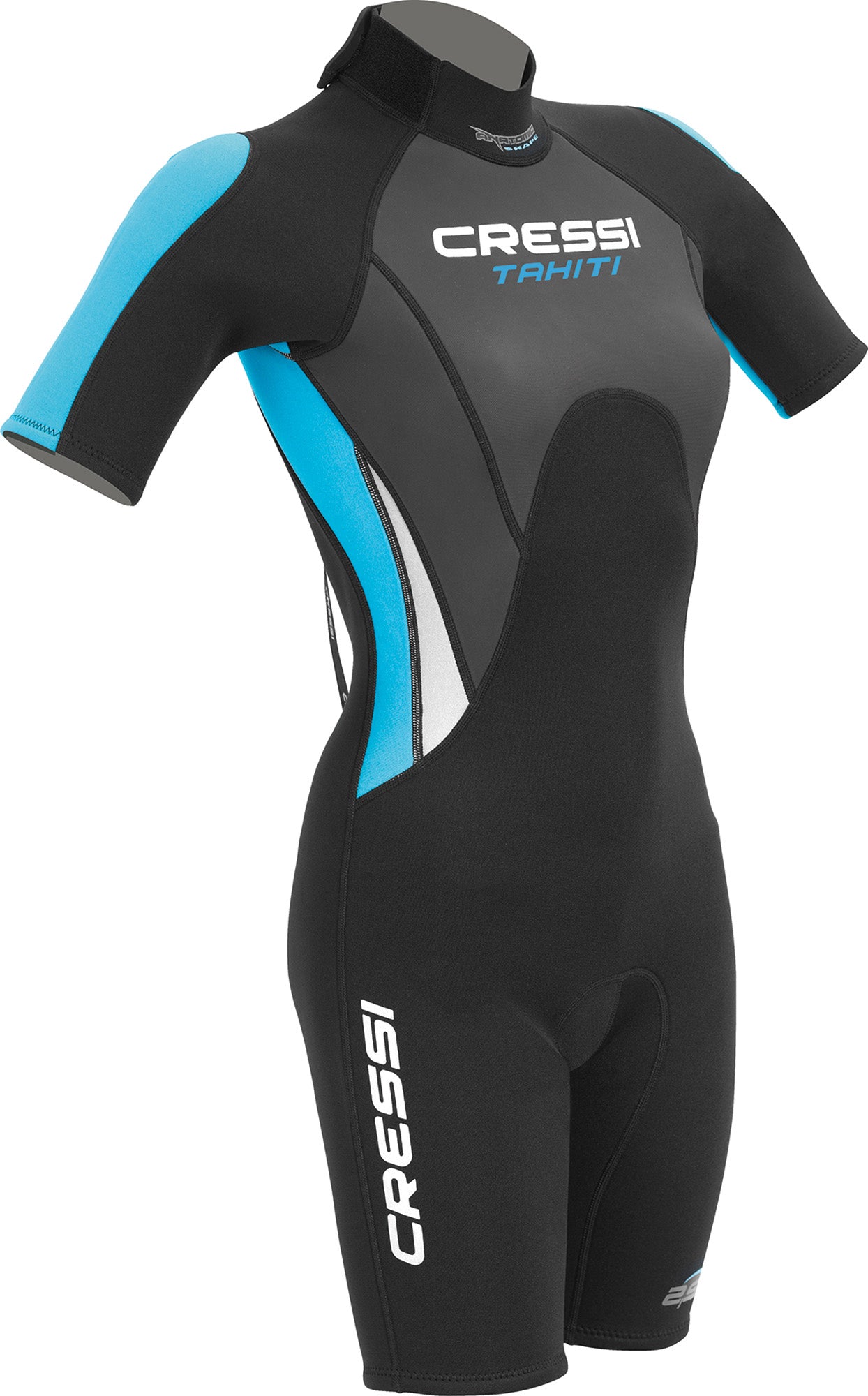
Wetsuits are marvels of modern diving technology, designed to keep divers warm by trapping a thin layer of water between the suit and the skin. This water is then warmed by the body's natural heat, creating an insulating layer. The material, usually neoprene, also plays a significant role in providing thermal protection and buoyancy.
Given this design, the question arises: how does urinating affect the wetsuit's functionality? The answer lies in the understanding that urine, like the trapped water, can also be warmed by the body, potentially offering additional warmth. However, this is where the science intersects with considerations of hygiene and maintenance.
When submerged in water, especially cold water, the human body undergoes several physiological changes. One notable reaction is the mammalian dive reflex, which optimizes respiration to allow staying underwater for longer periods. Another is the body's natural response to cold, which can include an increased urge to urinate, known as cold diuresis.
This physiological response is crucial in understanding why the question of peeing in a wetsuit is so prevalent. It's not merely a matter of convenience or discomfort but a natural bodily function that can be amplified by the diving environment.
When contemplating the practicalities of peeing in a wetsuit, health and hygiene emerge as significant considerations. It's essential to weigh the comfort and warmth against the potential for irritation and the maintenance of the wetsuit.
Urine is generally sterile when it leaves the body, but it can break down into ammonia and other compounds, potentially causing irritation or rash, especially in the presence of sensitive skin or prolonged exposure. This consideration is paramount for divers contemplating the convenience of urinating in their wetsuit.
Moreover, the warmth and moisture inside a wetsuit can create an environment conducive to bacterial and fungal growth, which underscores the importance of proper wetsuit maintenance and hygiene practices.
Regular and thorough cleaning of a wetsuit is crucial, not just for hygiene but also to preserve the material's integrity. Urine can affect the neoprene, leading to odors and degradation over time if not properly rinsed out. This aspect of wetsuit care is often highlighted by manufacturers and seasoned divers alike, emphasizing the need for diligent maintenance to extend the life of the gear.
It's also worth noting that advancements in wetsuit technology have led to the development of materials that are more resistant to bacteria and easier to clean, offering solutions for those who choose to pee in their wetsuits.
Within the diving community, the topic of peeing in a wetsuit is often met with a mix of humor and practicality. It's a shared experience that many divers can relate to, yet it's also subject to individual preferences and social etiquette.
Many experienced divers will candidly share their views and stories about peeing in a wetsuit, often with a sense of camaraderie and an understanding of the practical reasons behind it. These insights provide valuable perspectives for newcomers, highlighting the balance between personal comfort and respect for shared equipment and environments.
It's also not uncommon for dive instructors to address this question during training, offering advice on how to manage the need while maintaining hygiene and respect for fellow divers.
The decision to pee in a wetsuit is ultimately a personal one, but it's important to consider the social context, especially when using rental equipment or diving in groups. In these situations, the emphasis on cleanliness and respect for others takes precedence, guiding divers towards practices that ensure a positive and hygienic experience for everyone involved.
While the focus has primarily been on the individual diver's experience, it's also essential to consider the broader environmental implications of peeing in a wetsuit. Urine, as a bodily waste product, introduces nutrients into the water that can impact marine ecosystems.
Excessive nutrients from urine can contribute to algal blooms, which disrupt the natural balance of marine environments and harm aquatic life. In sensitive ecosystems, such as coral reefs, the introduction of additional nutrients can have detrimental effects on the delicate biodiversity present.
Therefore, divers should be mindful of their actions and strive to minimize their impact on the underwater world. This includes considering the disposal of bodily waste responsibly and following established guidelines for diving in environmentally sensitive areas.
Amidst the scientific, health, and environmental considerations, the question of peeing in a wetsuit often comes down to personal comfort and practicality for individual divers. Factors such as water temperature, dive duration, and access to restroom facilities can influence a diver's decision in the moment.
For some divers, the convenience of relieving oneself in a wetsuit may outweigh the potential drawbacks, especially in situations where removing the suit is impractical or disruptive to the diving experience. Others may prioritize hygiene and discomfort avoidance, opting to hold off until a more suitable opportunity arises.
Ultimately, the choice to pee in a wetsuit is a personal one that each diver must make based on their own preferences, considerations, and the specific circumstances of their dive. By weighing the various factors at play and being mindful of the broader implications, divers can navigate this aspect of diving culture with respect for themselves, their fellow divers, and the marine environment.
Now that you're equipped with the knowledge to make informed decisions about your comfort and the environment while diving, why not enhance your underwater adventures with the right gear? Lancaster Scuba is here to support your passion for the deep blue with our extensive selection of scuba equipment. Whether you're a beginner seeking your first wetsuit or a seasoned diver looking to upgrade your kit, we've got you covered. Check out our scuba gear and embrace the full spectrum of "Gear. Dive. Travel." for an unforgettable diving journey.


{"one"=>"Select 2 or 3 items to compare", "other"=>"{{ count }} of 3 items selected"}