

Exploring the Depths: Spearfishing in San Diego
Dive into the exhilarating world of spearfishing in San Diego! Discover the best spots, techniques, and gear for an unforgettable underwater adventure.
Read now
In the vast expanse of the ocean, where the adventure calls and the heart of the diving community beats with a fervent passion for exploration, there lies a simple yet profound question that bridges the gap between curiosity and knowledge. How does a wetsuit keep you warm? This question, seemingly straightforward, opens the door to a world of scientific principles, safety considerations, and the relentless pursuit of diving deeper into the ocean's mysteries. Just as Johnny Walker has dedicated his life to fostering a community at Lancaster Scuba that thrives on shared experiences and collective enthusiasm, we dive into the essence of wetsuits with a similar spirit. It's not just about understanding a piece of diving equipment but about embracing the adventure and ensuring safety as we explore the unknown territories beneath the waves.
At the heart of understanding how wetsuits function lies a fascinating interplay of materials science and human physiology. Wetsuits are not just garments but gateways to exploring the aquatic world, designed with precision to combat the challenges posed by cold water environments.
Central to the wetsuit's ability to keep you warm is neoprene, a synthetic rubber that boasts unique properties. Neoprene's structure is characterized by tiny gas bubbles trapped within the material, providing insulation by reducing heat conduction. This feature is crucial in minimizing body heat loss to the surrounding water, which is often significantly colder than the human body.
Neoprene's thickness plays a pivotal role in the level of warmth provided. Generally, thicker wetsuits offer greater insulation, making them suitable for colder waters. However, the trade-off comes in the form of reduced flexibility, highlighting the importance of finding a balance based on the diving conditions.
Another key aspect of how wetsuits keep you warm is the principle of water layering. Upon entering the water, a thin layer of water infiltrates the space between the wetsuit and the skin. The body quickly warms this water, which then acts as an additional insulating layer. Neoprene's structure is designed to minimize the exchange of this warm layer with the surrounding cold water, effectively trapping warmth close to the body.
This mechanism underscores the importance of a properly fitting wetsuit. A snug fit ensures minimal water exchange, maximizing the insulating effect of the trapped water layer. Conversely, a loose wetsuit allows for greater water flow, reducing its effectiveness in keeping you warm.
Expanding on the concept of water layering, it's fascinating to note that this natural insulation mechanism not only keeps the diver warm but also contributes to maintaining a stable body temperature throughout the dive. The body's ability to regulate its heat in conjunction with the wetsuit's design showcases the intricate dance between human physiology and technological innovation in the world of diving.
Just as Johnny Walker emphasizes the critical importance of education and safety in diving, understanding the safety implications of wetsuit usage is paramount. A wetsuit not only provides warmth but also plays a role in buoyancy and protection.
Wetsuits offer increased buoyancy, a feature that can significantly enhance safety during dives. The gas bubbles within neoprene contribute to this effect, reducing the effort required to stay afloat. This buoyancy support allows divers to conserve energy, which is especially beneficial in emergency situations or during prolonged dives.
Moreover, the buoyancy provided by wetsuits adds an element of control, enabling divers to fine-tune their buoyancy with less reliance on additional weights or buoyancy control devices. This aspect not only contributes to safety but also to the enjoyment and comfort of the dive.
When considering the impact of enhanced buoyancy on diver safety, it's essential to highlight how wetsuits not only aid in floatation but also assist in maintaining proper body positioning underwater. By promoting a streamlined posture and reducing the effort needed to stay at the desired depth, wetsuits play a crucial role in preventing fatigue and ensuring a more relaxed and controlled diving experience.
Wetsuits serve as a protective barrier against physical hazards and marine life, reducing the risk of cuts, abrasions, and stings. This protective feature is particularly important in environments where divers may encounter sharp coral, rocky undersea landscapes, or potentially harmful marine creatures.
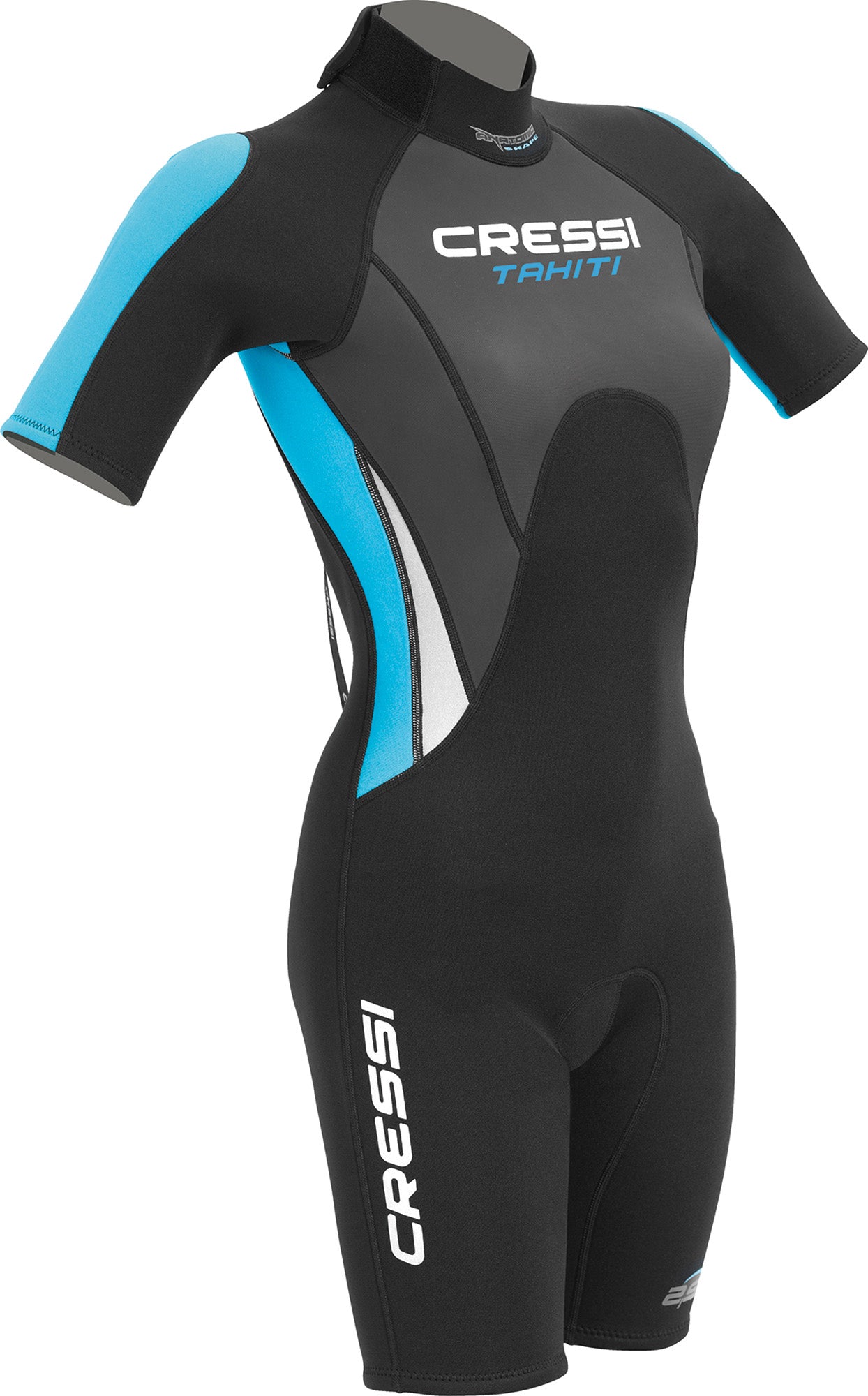
The thickness and coverage of the wetsuit contribute to the level of protection offered. Full-body wetsuits provide comprehensive coverage, while shorter styles may be suitable for warmer waters or specific activities. The choice of wetsuit style should be informed by both the temperature of the water and the nature of the diving environment.
For enthusiasts like Johnny Walker and the vibrant community at Lancaster Scuba, diving is not just a sport but a doorway to adventure. Wetsuits, by enabling divers to explore colder and deeper waters safely, expand the horizons of underwater exploration.
With the warmth and protection provided by wetsuits, divers are empowered to venture into previously inaccessible areas. Shipwrecks, underwater caves, and coral reefs in colder regions become reachable, offering unique experiences and the thrill of discovery. Each dive, equipped with the right wetsuit, becomes an opportunity to uncover the mysteries of the deep.
The advancement in wetsuit technology continues to push the boundaries of what is possible, allowing divers to explore further, stay underwater longer, and experience the underwater world in new and exciting ways.
Just as Johnny Walker cherishes the camaraderie and shared experiences within the dive community, wetsuits facilitate these collective adventures by making diving accessible in a variety of conditions. Divers, united by their protective gear, share the wonders of the underwater world, forging bonds that last a lifetime.
The stories of exploration, the encounters with marine life, and the challenges overcome together enrich the diving experience, making each adventure not just a dive, but a journey into life's potential.
Over the years, wetsuit design has undergone significant evolution, driven by advancements in materials, manufacturing techniques, and a deeper understanding of diver needs. From the early days of bulky, restrictive suits to the sleek, form-fitting designs of today, wetsuits have transformed the diving experience.
One notable aspect of wetsuit evolution is the focus on enhancing flexibility without compromising insulation. Modern wetsuits utilize innovative materials and construction methods to provide greater freedom of movement, allowing divers to navigate underwater environments with ease and agility.
Additionally, the incorporation of features such as reinforced knee pads, wrist and ankle seals, and adjustable neck closures showcases the attention to detail in modern wetsuit design. These elements not only enhance comfort and durability but also contribute to the overall safety and performance of the diver.
As the diving community becomes increasingly aware of environmental issues, the concept of sustainability has also made its way into wetsuit manufacturing. Companies are now exploring eco-friendly materials, recycling programs for old wetsuits, and energy-efficient production processes to reduce their ecological footprint.
By prioritizing sustainability in wetsuit manufacturing, divers can enjoy their underwater adventures knowing that their gear has been produced with minimal impact on the environment. This shift towards eco-conscious practices reflects a broader commitment within the diving industry to preserve the oceans and marine ecosystems for future generations.
When selecting a wetsuit for your dive, several factors come into play to ensure optimal comfort, safety, and performance underwater. Understanding the key considerations in wetsuit selection can make a significant difference in your diving experience.
One of the primary factors to consider when choosing a wetsuit is the water temperature of your dive location. Wetsuits are available in varying thicknesses to suit different temperature ranges, with thicker suits providing more insulation in colder waters.
Additionally, the duration of your dive can influence the wetsuit choice. Longer dives may require wetsuits with enhanced comfort features, such as seamless construction or extra padding in high-mobility areas, to prevent chafing and ensure prolonged comfort underwater.
The fit of your wetsuit is crucial for both warmth and mobility during dives. A wetsuit that is too loose can allow water to flow in and out, reducing its insulating properties, while a suit that is too tight may restrict movement and cause discomfort.
When trying on a wetsuit, pay attention to areas such as the shoulders, knees, and crotch to ensure a full range of motion. Flexibility in these key areas is essential for efficient swimming, diving, and maneuvering through underwater environments.
Depending on your diving preferences and the specific conditions of your dive, you may want to consider additional features and accessories for your wetsuit. These can include integrated hoods for added warmth, reinforced seams for durability, or pockets for storing small essentials during dives.
Furthermore, accessories such as gloves, boots, and hoods can complement your wetsuit and provide extra protection in colder waters or challenging diving environments. By customizing your gear to suit your needs, you can enhance your comfort and safety while exploring the underwater world.
As you embark on your next diving adventure, armed with the knowledge of how wetsuits keep you warm and the considerations for selecting the right wetsuit, remember that each dive is not just a journey beneath the waves but a step into a realm of endless discovery and wonder.
Now that you're well-versed in the science of staying warm beneath the waves, it's time to gear up for your next underwater adventure. Lancaster Scuba is your one-stop destination for top-notch scuba gear, expert diving instruction, and unforgettable dive travel experiences. Whether you're a beginner or a seasoned diver, our extensive selection of equipment and PADI certification courses will ensure you're prepared for any aquatic journey. Ready to dive into the world of scuba? Check out our scuba gear and embrace the thrill of exploration with confidence and style.


{"one"=>"Select 2 or 3 items to compare", "other"=>"{{ count }} of 3 items selected"}