

Exploring the Depths: Spearfishing in San Diego
Dive into the exhilarating world of spearfishing in San Diego! Discover the best spots, techniques, and gear for an unforgettable underwater adventure.
Read now
In the vast, open embrace of the ocean, where adventurers seek the thrill of the unknown and the beauty of the underwater world, there lies a simple yet profound question that connects every diver to the essence of their passion—how does a wetsuit keep you warm? This question is not just about understanding a piece of diving equipment but about appreciating a technology that enables us to explore the depths of the ocean comfortably and safely. Just as Johnny Walker has dedicated his life to the diving community through Lancaster Scuba, emphasizing the importance of education, safety, and the joy of diving, this article aims to dive deep into the science and technology behind wetsuits. It's about unraveling the layers, much like the layers of neoprene that wrap around you, offering warmth and protection as you embark on each underwater adventure.
At the heart of understanding how a wetsuit works is the science of heat transfer and the human body's response to cold water. The ocean is a vast, often cold place, where the unaided human body cannot sustain its core temperature for long. Here, we explore the principles that make wetsuits an essential gear for divers, surfers, and ocean enthusiasts alike.
Heat transfer is a fundamental concept that explains how heat moves from a warmer object to a cooler one. In the context of diving, when a diver enters the water, their body heat begins to transfer to the surrounding water. Without insulation, this heat transfer can quickly lead to hypothermia, even in relatively mild water temperatures. A wetsuit's primary function is to slow down this heat transfer, keeping the diver warm and comfortable.
The material of a wetsuit, neoprene, plays a crucial role in this process. Neoprene is a type of synthetic rubber that contains thousands of tiny air bubbles. These bubbles act as insulators, trapping the body's heat and reducing the rate of heat loss to the water. This thermal insulation is what makes wetsuits so effective in cold water environments.
Contrary to what one might think, the thin layer of water that enters the wetsuit through the neck, wrists, and ankles is actually crucial to the wetsuit's warming mechanism. Once this water is warmed by the body's heat, the neoprene traps it, creating a warm water layer that acts as additional insulation. This process highlights the importance of a well-fitting wetsuit, as too much water flushing in and out can cool the diver down.
Ensuring that your wetsuit fits correctly is not just about comfort but also about maximizing its thermal efficiency. A wetsuit that is too loose will allow water to flow in and out more freely, reducing its insulating properties. On the other hand, a wetsuit that is too tight can restrict blood flow and actually make you feel colder. Taking the time to find the right fit for your body shape and size can significantly enhance your diving experience.
Just as divers come in all shapes and sizes, so do wetsuits. The design and thickness of a wetsuit can significantly affect its warmth and flexibility. Understanding the different types of wetsuits and their features can help divers choose the right one for their underwater adventures.
The thickness of a wetsuit is measured in millimeters and is often described with two or three numbers separated by a slash (e.g., 5/4/3mm). The first number represents the thickness of the neoprene in the torso area, which is crucial for core warmth. The second (and third, if present) numbers indicate the thickness in the limbs, where flexibility is more important. Thicker wetsuits offer more warmth but less flexibility, making it essential to find the right balance for your diving conditions.
Statistics show that the choice of wetsuit thickness can significantly affect a diver's comfort and safety. For example, a 3mm wetsuit is suitable for water temperatures of approximately 20°C to 25°C, while a 7mm wetsuit is designed for temperatures as low as 10°C. These guidelines help divers make informed decisions based on the specific conditions they will face.
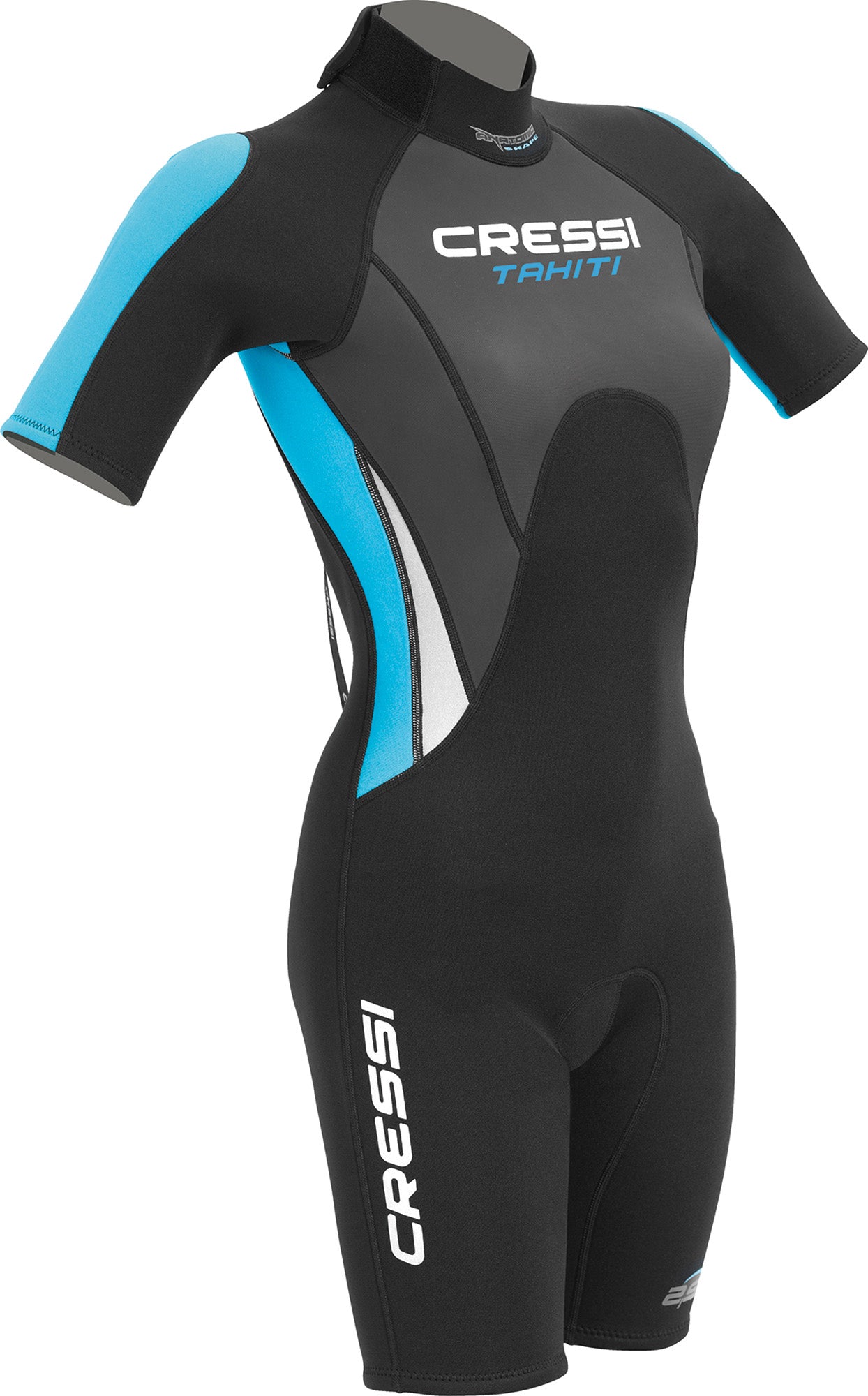
Wetsuits come in various styles, including full suits, spring suits, and shorties, each designed for different water temperatures and activities. Full suits cover the entire body and are ideal for colder waters, offering maximum warmth and protection. Spring suits, which may have short sleeves, long sleeves, or be sleeveless, and shorties, which are similar but with short legs, are better suited for warmer conditions. The choice of style is not just about temperature but also about the diver's comfort and the specific activities they are engaging in.
While a wetsuit forms the core of your thermal protection gear, adding accessories can further enhance your comfort and safety. Items such as hoods, gloves, and boots provide additional insulation for areas of the body that are prone to heat loss. A hood, for example, can prevent heat from escaping through your head, which is a significant source of heat loss in cold water. By selecting the appropriate accessories based on your diving conditions, you can create a comprehensive thermal protection system.
The adventure of diving is not just about exploring the depths; it's about doing so safely and comfortably. A wetsuit is more than a piece of equipment; it's a companion that accompanies you, allowing you to focus on the beauty and thrill of the underwater world.
While wetsuits provide warmth, they also offer protection against abrasions, stings, and other underwater hazards. The safety aspect of wearing a wetsuit is paramount, as it adds a layer of security that can make all the difference in an unpredictable environment. Divers are encouraged to regularly inspect their wetsuits for signs of wear and tear and to choose a wetsuit that fits properly, as an ill-fitting wetsuit can compromise both warmth and safety.
For many, the allure of diving is in the exploration of unknown territories, the weightlessness that feels almost like flying, and the encounters with stunning sea life. A good wetsuit enables these experiences by ensuring that divers remain warm and comfortable throughout their adventure. It's about embracing the opportunity to dive deeper into life's potential, much like Johnny Walker's vision for Lancaster Scuba.
In conclusion, understanding how a wetsuit keeps you warm is not just about the technical details; it's about appreciating a piece of technology that opens up a world of adventure. It's a testament to human ingenuity and the desire to explore the boundaries of our planet. As we don our wetsuits and dive into the depths, we carry with us a sense of curiosity, adventure, and a deep respect for the ocean's wonders.
Now that you're equipped with the knowledge of how a wetsuit keeps you warm, take the next step in your underwater journey with Lancaster Scuba. Whether you're gearing up for your first dive or looking to enhance your diving experience, our selection of top-quality scuba gear has you covered. From the essential wetsuit to the latest diving accessories, we provide everything you need to stay warm, safe, and ready to explore the depths. Check out our scuba gear today and embrace the thrill of diving with confidence and comfort. Gear. Dive. Travel. – Your adventure awaits!


{"one"=>"Select 2 or 3 items to compare", "other"=>"{{ count }} of 3 items selected"}