

Exploring the Depths: Spearfishing in San Diego
Dive into the exhilarating world of spearfishing in San Diego! Discover the best spots, techniques, and gear for an unforgettable underwater adventure.
Read now
In the vast, blue expanse of the ocean, where adventure calls and the heart yearns to explore, lies the quintessential tool of the diver—the scuba tank. A beacon of safety and exploration, the scuba tank is more than just equipment; it is the diver's lifeline, a vessel of breath in the underwater realm. Yet, amidst the excitement and preparation for diving, one question often surfaces with surprising complexity: How much does a scuba tank weigh?
This inquiry, seemingly simple, unfolds into a narrative that encompasses not just numbers but the essence of diving itself. It's a tale of safety, adventure, and the relentless pursuit of discovery beneath the waves. Let us dive deeper into this question, exploring the weights, types, and the very soul of scuba diving.
At the heart of our exploration lies the answer to a question as varied as the oceans themselves. The weight of a scuba tank is influenced by several factors, including material, size, and whether it's full or empty. Understanding these nuances is not just about numbers; it's about preparing for an adventure with safety and confidence.
The material of a scuba tank significantly affects its weight. Steel tanks, revered for their durability and higher capacity for air, are generally heavier than their aluminum counterparts. An empty steel tank can weigh between 27 to 36 pounds (12 to 16 kilograms), offering a sturdy companion for the depths. In contrast, aluminum tanks, known for their resistance to corrosion, are lighter, with an empty weight ranging from 25 to 31 pounds (11 to 14 kilograms).
Yet, the tale of weight does not end with the material alone. When filled, the dynamics change. Steel tanks, despite their heft, become neutrally buoyant underwater, a trait that seasoned divers often prefer. Aluminum tanks, on the other hand, tend to become positively buoyant as they empty, a characteristic that can affect a diver's buoyancy control during the ascent.
The size and capacity of a scuba tank also play pivotal roles in its weight. Tanks are measured in cubic feet, with common sizes ranging from the compact 50 cubic feet to the expansive 130 cubic feet. The larger the tank, the heavier it is, but also the more air it holds, extending the diver's time beneath the waves.
An average 80 cubic feet aluminum tank, the most popular choice among recreational divers, weighs about 31 pounds (14 kilograms) when empty and can hold air at a pressure of 3000 psi (pounds per square inch). This size strikes a balance between weight and capacity, offering a harmonious choice for many.
While the weight of a scuba tank is crucial for buoyancy control and air capacity, it also plays a significant role in diver mobility. Divers must consider not only the weight of the tank itself but also how it affects their overall comfort and movement underwater.
Heavier steel tanks, while providing extended air supply, can be more cumbersome to maneuver, especially for divers with less upper body strength. On the other hand, lighter aluminum tanks offer greater ease of movement but may require more frequent refills due to their smaller capacity.
It's essential for divers to strike a balance between tank weight and mobility, ensuring that they can navigate the underwater world with agility and efficiency. Proper weighting and equipment selection are key components in enhancing the overall diving experience, allowing divers to focus on the wonders that surround them.
Understanding the weight of a scuba tank is not just a matter of logistics; it's a cornerstone of safety and adventure in diving. The right tank weight contributes to proper buoyancy control, a critical skill that ensures both the safety of the diver and the protection of the marine environment.
Proper weighting, achieved through a combination of scuba tank weight, additional weights, and buoyancy compensators, allows divers to descend gracefully and ascend safely. It's a delicate balance, one that enables divers to hover over coral reefs without touching them, protecting these fragile ecosystems while reveling in their beauty.
Moreover, the weight of the tank influences the diver's air consumption. A well-balanced diver, neutrally buoyant with their tank, uses air more efficiently, extending their time underwater and enhancing the adventure. It's a testament to the fact that in diving, every detail matters, turning challenges into opportunities for discovery.
Choosing the right scuba tank, with its weight as a key consideration, is akin to selecting a companion for an adventure. It's about finding the perfect match for one's diving style, destinations, and the wonders they wish to explore. Whether it's navigating the mysterious wrecks of the ocean floor or dancing with the vibrant life of coral reefs, the right tank makes every breath an opportunity for adventure.
For those drawn to the allure of the deep, where the ocean's secrets await, the heavier steel tanks offer extended air and neutral buoyancy, a boon for deeper dives. Recreational divers, seeking the joy of exploration within the sunlit waters, may find the lighter aluminum tanks a perfect fit, their positive buoyancy an added safety feature during ascent.
Beyond the physical aspects, the weight of a scuba tank can also have psychological implications for divers. Carrying a heavy tank may instill a sense of security and preparedness in some divers, while others may find it burdensome and anxiety-inducing.
It's essential for divers to not only consider the practical implications of tank weight but also how it affects their mental state underwater. Feeling comfortable and confident with the equipment is paramount for an enjoyable and safe diving experience. Divers should take the time to familiarize themselves with their gear, including the weight of their tanks, to ensure a harmonious dive.
In the end, the question of how much a scuba tank weighs opens the door to a deeper understanding of diving itself. It's a journey that goes beyond numbers, touching on the essence of what it means to explore the underwater world. With safety as our guide and adventure as our destination, the weight of a scuba tank becomes more than just a figure; it becomes a part of our story beneath the waves, a testament to the spirit of discovery that drives every diver.
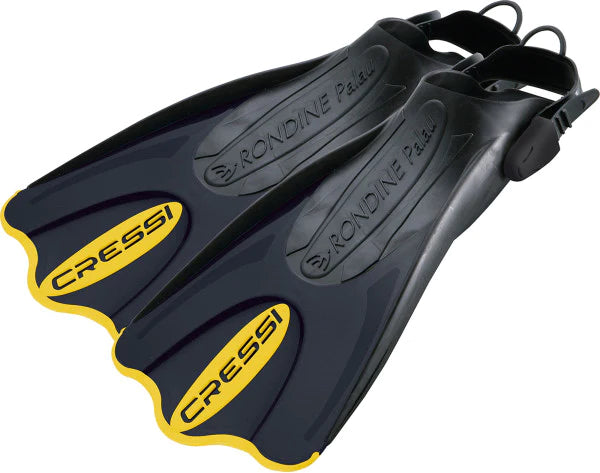
So, as we gear up for our next dive, let us remember that each element of our equipment, from the weight of our tanks to the fit of our fins, is a chapter in our ongoing adventure. It's a narrative of exploration, of the joy of diving, and of the endless wonders that await in the heart of the ocean.
Ready to embrace the weight of wonder and gear up for your next underwater adventure? Lancaster Scuba is here to ensure your dive is as seamless as the ocean's depths. With a wide selection of top-tier equipment, expert instruction, and exotic travel opportunities, we've got all your diving needs covered. Check out our scuba gear and join us as we gear up, dive in, and travel to the heart of the ocean's wonders.


{"one"=>"Select 2 or 3 items to compare", "other"=>"{{ count }} of 3 items selected"}