

Exploring the Depths: Spearfishing in San Diego
Dive into the exhilarating world of spearfishing in San Diego! Discover the best spots, techniques, and gear for an unforgettable underwater adventure.
Read now
In the vast, echoing chambers of the diving world, two pieces of equipment stand as silent sentinels to the safety and comfort of divers—drysuits and wetsuits. These guardians of the deep not only serve as a barrier between the diver and the unforgiving elements of the underwater realm but also symbolize the spirit of adventure that propels individuals to explore the unknown. Understanding the distinction between these two types of suits is not just about technical specifications; it's about diving deeper into the essence of what it means to embrace the underwater world.
At the heart of the diving experience lies the choice between a drysuit and a wetsuit, a decision that influences not just comfort but the very nature of the dive itself. This choice is guided by the conditions of the dive, the diver's preferences, and the type of adventure they seek to embark upon.
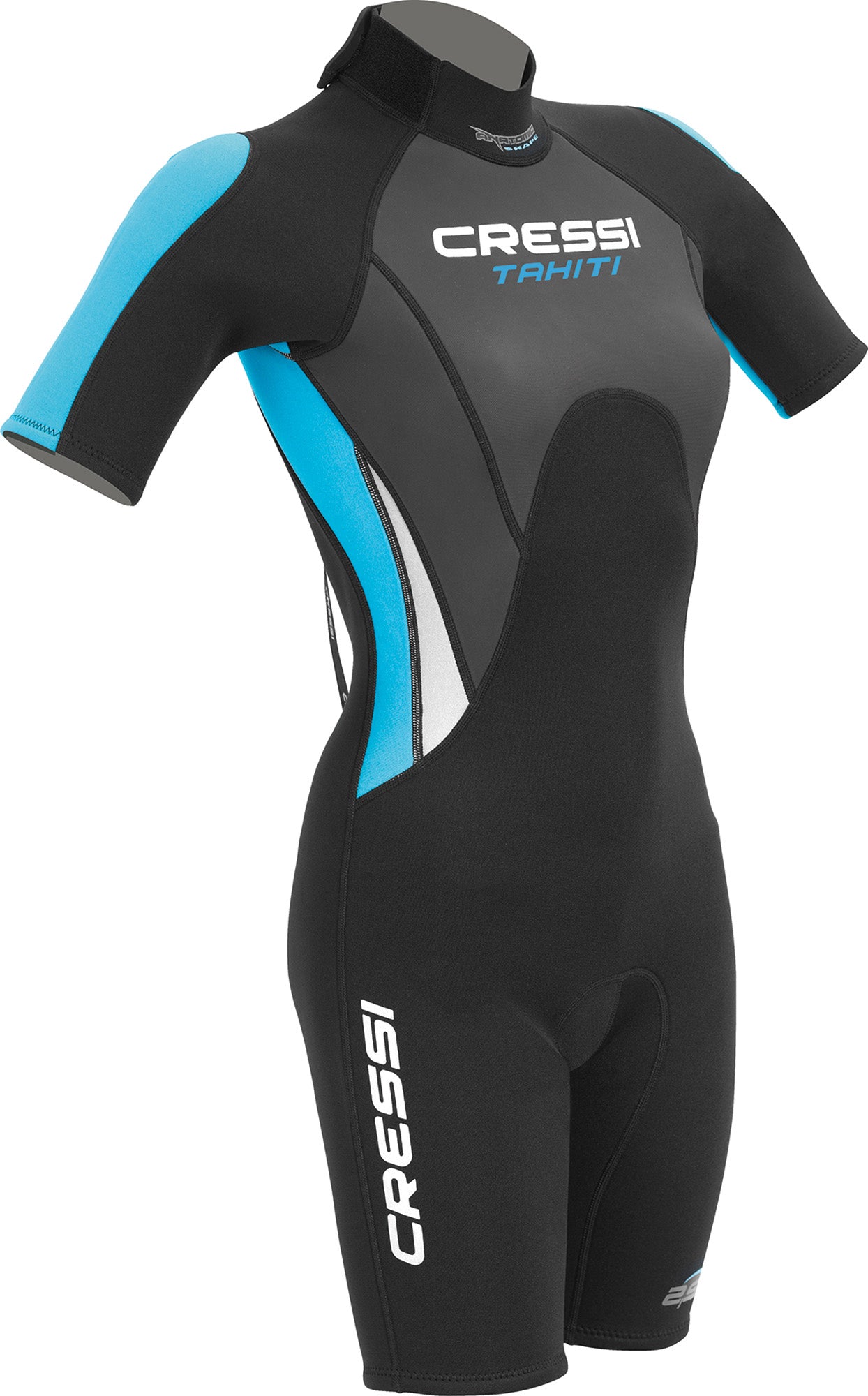
Drysuits and wetsuits, while serving a similar purpose, diverge significantly in their material and construction. Wetsuits, crafted from neoprene, work by trapping a thin layer of water between the suit and the skin. This water is then warmed by the body, forming a protective layer of warmth. Drysuits, on the other hand, are designed to keep the diver completely dry, utilizing materials such as nylon and neoprene coated with waterproof substances. Their construction includes seals at the wrists and neck to prevent water entry, and they often feature a zipper that creates an impermeable barrier.
The choice of material and construction directly impacts the suit's buoyancy, thermal protection, and the overall diving experience. While wetsuits offer a snug, warm embrace, drysuits provide a barrier against the cold, allowing for longer dives in colder waters.
One of the primary functions of both drysuits and wetsuits is to offer thermal protection to the diver. The effectiveness of this protection is a tale of two technologies. Wetsuits rely on the body's natural warmth to heat the trapped water layer, making them ideal for warmer or temperate waters. Drysuits, with their ability to be worn with insulating layers underneath, extend the diving season into the colder months, offering protection in environments where wetsuits would falter.
Statistics show that the thermal conductivity of water is significantly higher than air, making effective thermal protection crucial for preventing hypothermia. The choice between a drysuit and a wetsuit could mean the difference between a comfortable dive and a potentially dangerous situation.
Drysuits offer adjustable buoyancy through the use of inflator valves, allowing divers to fine-tune their buoyancy in the water. This feature not only enhances safety by enabling better control but also improves mobility, making it easier to navigate through challenging underwater landscapes. Wetsuits, while less adjustable, provide inherent buoyancy due to the neoprene's natural properties. This buoyancy can aid in maintaining a comfortable position in the water but requires more weight to achieve neutral buoyancy.
Mobility in a wetsuit versus a drysuit can vary significantly, with the latter often offering more freedom of movement due to the absence of water resistance inside the suit. This can be particularly advantageous in technical diving situations where precise movements are critical.
The depth and duration of a dive are also key factors in choosing between a drysuit and a wetsuit. Drysuits, with their superior thermal protection, are better suited for deeper dives and extended periods underwater, where temperatures can drop significantly. The ability to wear additional insulating layers under a drysuit means that divers can adjust their level of warmth to suit the dive conditions, extending their time beneath the surface.
Conversely, wetsuits, while offering less thermal protection, provide a simplicity and ease of use that can be appealing for shorter, shallower dives, especially in warmer waters. The reduced preparation time and greater flexibility in movement make wetsuits a popular choice for recreational diving.
The silent world beneath the waves is one of unparalleled beauty and inherent risk. The choice between a drysuit and a wetsuit is not just a matter of preference but a critical safety decision.
When considering the choice between a drysuit and a wetsuit, it's essential to also think about the environmental impact of each option. Wetsuits, typically made from neoprene, are not the most environmentally friendly choice due to the manufacturing process and disposal challenges. Neoprene is a synthetic rubber that is energy-intensive to produce and is not biodegradable. On the other hand, drysuits, often made from materials like nylon and breathable fabrics, offer a more sustainable alternative. These materials are easier to recycle and have a lower environmental footprint compared to neoprene.
By opting for a drysuit over a wetsuit, divers can make a conscious choice to reduce their environmental impact and contribute to the preservation of marine ecosystems. As stewards of the underwater world, divers have a responsibility to minimize their footprint and protect the fragile environments they explore.
Proper maintenance of diving equipment is crucial for ensuring diver safety and prolonging the lifespan of the gear. When it comes to drysuits and wetsuits, each type of suit requires specific care to keep it in optimal condition.
Wetsuits should be rinsed thoroughly with fresh water after each dive to remove salt, sand, and other debris that can degrade the neoprene material over time. It's also recommended to dry wetsuits away from direct sunlight to prevent fading and deterioration. Periodic treatments with wetsuit conditioner can help maintain the neoprene's flexibility and extend the suit's longevity.
Drysuits, with their seals and zippers, require additional attention to prevent leaks and damage. Inspecting and lubricating the seals regularly, as well as ensuring the zipper is clean and functioning correctly, are essential steps in drysuit maintenance. Storing a drysuit in a cool, dry place away from sunlight can help preserve the materials and prevent premature wear.
The decision between a drysuit and a wetsuit is not merely a practical one; it is a choice that shapes the adventure itself. Each type of suit offers a unique pathway to exploring the underwater world, with its own set of challenges and rewards.
Diving in a drysuit opens up a realm of possibilities, from exploring icy waters to extending the diving season into the colder months. The ability to venture into environments that would otherwise be inaccessible with a wetsuit is a testament to the spirit of adventure that defines the diving community. Drysuit diving requires additional training and familiarity with the equipment, but the rewards—unparalleled encounters with marine life, the thrill of ice diving, and the exploration of shipwrecks in cold waters—are immeasurable.
Wetsuit diving, with its simplicity and direct connection to the water, offers a different kind of adventure. The sensation of water against the skin, the ease of movement, and the joy of warm-water dives create an experience that is both intimate and exhilarating. Whether it's navigating coral reefs teeming with life or enjoying the freedom of a summer dive, wetsuits facilitate a connection to the sea that is both profound and personal.
When gearing up for a dive, selecting the appropriate accessories can enhance comfort, safety, and overall enjoyment underwater. Both drysuit and wetsuit divers have a range of accessories to choose from, each serving a specific purpose in optimizing the diving experience.
For drysuit divers, accessories like thermal undergarments, dry gloves, hood liners, and hood vents can help regulate body temperature and improve comfort during cold-water dives. These additional layers provide insulation and protection against the chill, allowing divers to stay warm and focused on the underwater environment.
Wetsuit divers, on the other hand, may opt for accessories such as rash guards, dive boots, gloves, and hoods to enhance their experience. Rash guards offer sun protection and can prevent chafing, while dive boots provide traction and foot protection when navigating rocky or uneven terrain. Gloves and hoods help maintain warmth and protect extremities in cooler waters, ensuring a comfortable and safe dive.
For divers seeking unique and specialized underwater experiences, the choice between a drysuit and a wetsuit can open doors to different diving environments and activities. Each type of suit is suited to specific conditions and adventures, allowing divers to tailor their gear to match their exploration goals.
Technical divers, who often delve into deep wrecks or caves, may find the thermal protection and adjustability of a drysuit indispensable for their challenging dives. The ability to fine-tune buoyancy, wear multiple layers for insulation, and withstand colder temperatures makes drysuits a preferred choice for technical diving where precision and safety are paramount.
Recreational divers, on the other hand, may gravitate towards the simplicity and versatility of wetsuits for their warm-water excursions. Whether snorkeling in tropical seas, exploring vibrant coral reefs, or enjoying leisurely dives along coastlines, wetsuits offer a lightweight and flexible option for recreational divers seeking comfort and ease of movement.
By understanding the nuances of each type of suit and matching them to the diving environment, divers can unlock a world of possibilities beneath the surface, from encountering rare marine species to exploring underwater landscapes that few have seen.
Whether you're drawn to the technical precision of deep-wreck diving or the serene beauty of tropical reefs, the right gear is essential for your journey. At Lancaster Scuba, we understand the importance of quality equipment for every dive experience. From the latest drysuits and wetsuits to a comprehensive range of scuba gear, we've got you covered. Embrace the spirit of underwater exploration with our expertly curated selection. Check out our scuba gear and take the first step towards your next diving adventure.


{"one"=>"Select 2 or 3 items to compare", "other"=>"{{ count }} of 3 items selected"}