

Exploring the Depths: Spearfishing in San Diego
Dive into the exhilarating world of spearfishing in San Diego! Discover the best spots, techniques, and gear for an unforgettable underwater adventure.
Read now
In the realm of underwater exploration, scuba diving emerges as a gateway to the unknown, offering a blend of adventure, tranquility, and unparalleled beauty. Yet, for many aspiring divers, the question of cost stands as a significant barrier to entry. This article delves into the multifaceted expenses associated with scuba diving, aiming to provide a comprehensive understanding that goes beyond mere figures. It's about embarking on a journey that could transform the way you perceive the world beneath the waves.
The first step in your scuba diving adventure is obtaining certification. This foundational phase not only equips you with the necessary skills but also ensures your safety and that of others as you navigate underwater realms.
Several organizations offer scuba diving certifications, with PADI (Professional Association of Diving Instructors) and SSI (Scuba Schools International) being among the most recognized. The cost of certification courses varies, typically ranging from $300 to $700, depending on the location and the dive center. This fee covers classroom instruction, pool dives, and open water dives, which are essential components of the learning process.
It's crucial to select a course that not only fits your budget but also aligns with your learning preferences and future diving plans. Some courses offer more flexible schedules or additional dive opportunities, which, while potentially increasing the cost, can enrich your learning experience.
Beyond the course fee, there are additional expenses to consider. These can include the cost of educational materials, which may range from $50 to $100, and the rental or purchase of diving equipment for the course. While some dive centers include equipment rental in the course fee, others may require students to rent or purchase their own gear, which can add several hundred dollars to the initial cost.
When considering the additional costs, it's essential to factor in potential expenses such as transportation to the dive site, accommodation if the course is conducted in a different location, and any meals or incidental costs that may arise during the training period. Planning for these extras can help you budget more effectively and avoid any financial surprises along the way.
Scuba diving is equipment-intensive, with each piece playing a crucial role in ensuring your safety and comfort underwater. The investment in quality gear is not just about functionality; it's about making each dive a seamless extension of your love for the ocean.
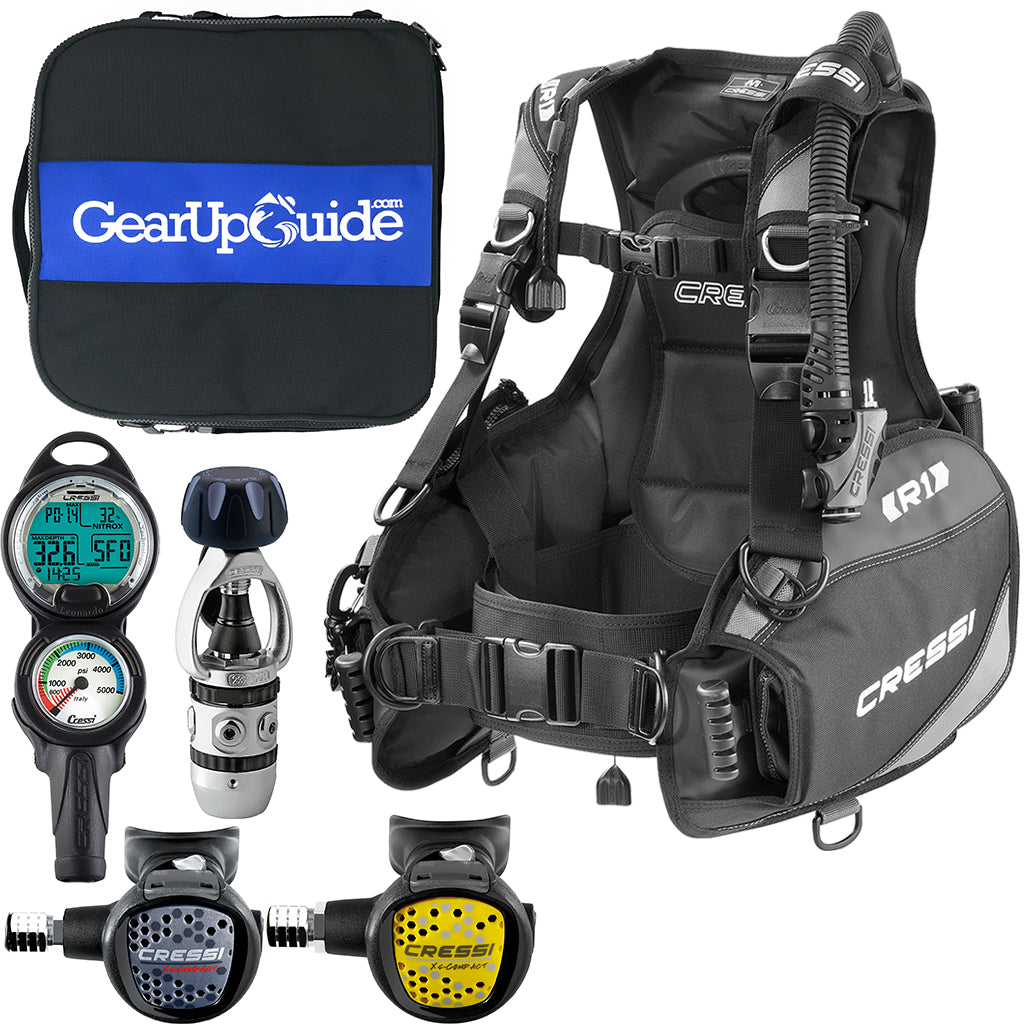
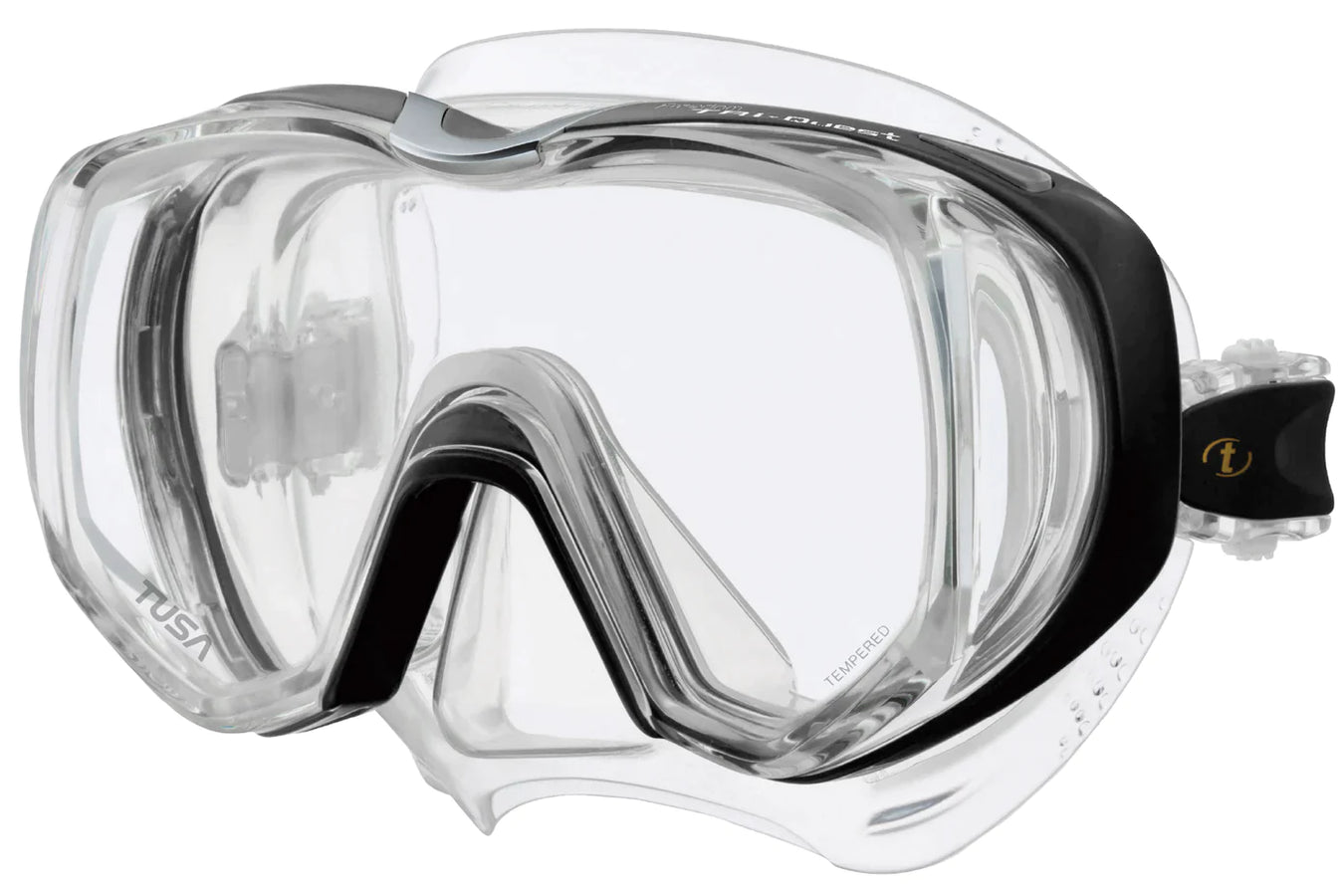
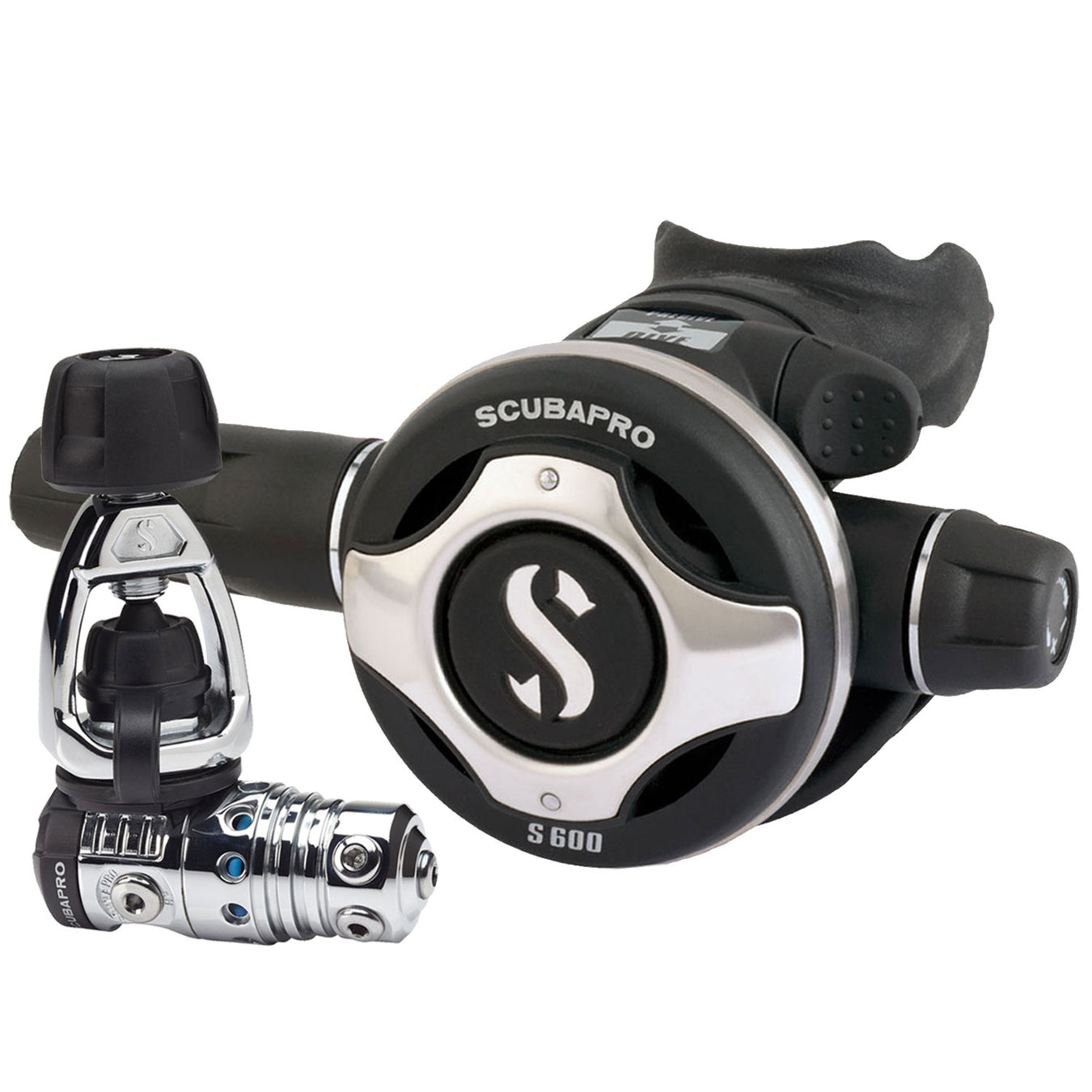
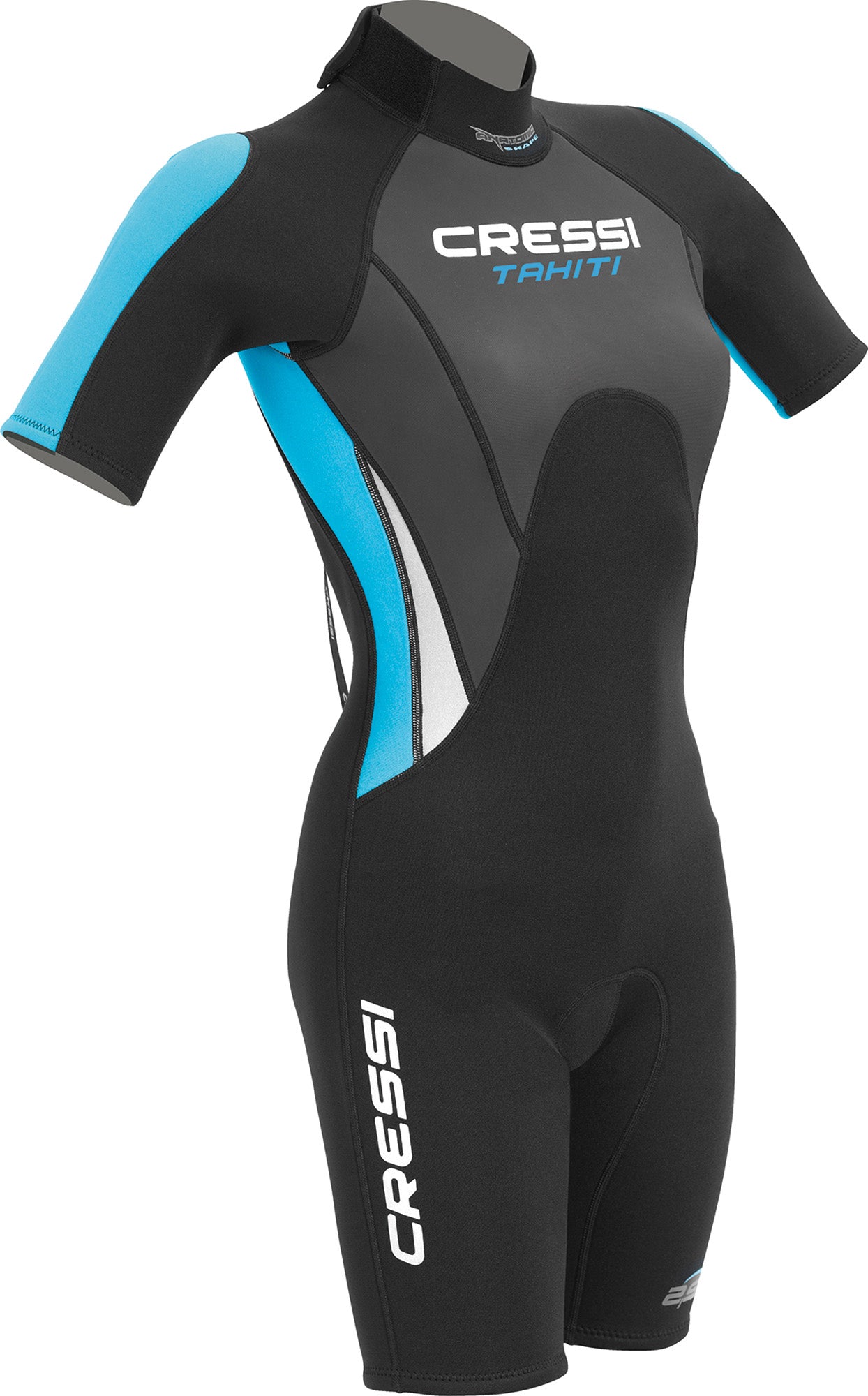
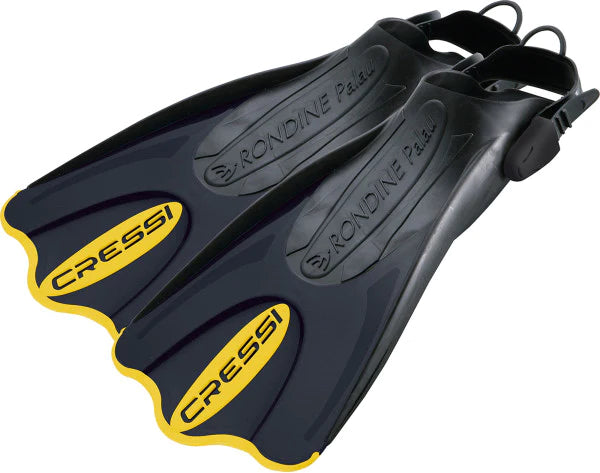
The essential gear for scuba diving includes a mask, snorkel, fins, wetsuit, buoyancy control device (BCD), regulator, and dive computer. Purchasing new, entry-level equipment can cost anywhere from $1,000 to $2,500, depending on the brands and features. While the upfront cost may seem steep, investing in your own gear means personalized fit and comfort, potentially enhancing your diving experience and safety.
When selecting your scuba gear, it's important to consider not only the initial purchase price but also the long-term durability and quality of the equipment. Opting for higher-end gear may involve a larger upfront investment, but it can pay off in terms of longevity and performance, reducing the need for frequent replacements and repairs.
For those not ready to commit to purchasing their own equipment, renting is a viable option. Rental costs vary widely by location and dive shop but expect to pay around $50 to $100 per day for a complete set of gear. Renting offers the flexibility to try different brands and models before making a purchase, but frequent divers may find that buying gear becomes more cost-effective over time.
Another factor to consider when deciding between renting and buying equipment is the convenience and familiarity that come with owning your gear. Having equipment that you are comfortable with and that fits you well can enhance your overall diving experience, allowing you to focus on the underwater world rather than adjusting to unfamiliar gear.
With certification in hand and gear at the ready, the world of scuba diving opens up with endless possibilities. Yet, each dive carries its own set of costs, from boat fees to travel expenses.
Diving locally can be a cost-effective way to gain experience and enjoy regular underwater adventures. Local dive sites may only require a nominal fee for access or boat dives, which can range from $50 to $150 per dive. On the other hand, destination diving in exotic locales offers the allure of exploring world-renowned sites but comes with higher costs, including travel, accommodation, and potentially higher dive fees.
When planning your diving excursions, it's essential to consider not only the immediate costs but also the overall value and experience each location offers. Local dives may be more budget-friendly, but exploring new destinations can provide unique underwater landscapes and encounters that make the additional expenses worthwhile. Budgeting for both local and destination dives can help you strike a balance between regular diving opportunities and occasional immersive experiences.
The journey of a diver is one of continual learning. Advanced and specialty courses, such as deep diving, wreck diving, or underwater photography, offer opportunities to enhance your skills and explore new aspects of diving. These courses typically cost between $200 and $400, excluding any additional equipment or trip fees required to complete the course dives.
When considering further education in scuba diving, it's important to assess not only the financial investment but also the potential benefits in terms of skill development and diving proficiency. Advanced courses can open up new diving opportunities and allow you to explore specialized areas of interest within the underwater world, enriching your overall diving experience and knowledge.
Scuba diving is more than a hobby; it's a passion that opens doors to exploring the mysteries of the underwater world. While the cost of scuba diving can vary widely, from initial certification to ongoing expenses, it's an investment in experiences that can enrich your life in immeasurable ways. By understanding the costs involved and planning accordingly, you can embark on a journey that not only respects your budget but also fulfills your dreams of adventure beneath the waves.
At Lancaster Scuba, we understand the allure of the underwater world and are committed to making your scuba diving journey as fulfilling as possible. Whether you're gearing up for your first dive or planning your next underwater adventure, we've got you covered with our expert instruction, top-notch equipment, and exciting travel opportunities. Check out our scuba gear and embrace the "Gear. Dive. Travel." experience to make your aquatic dreams a reality.


{"one"=>"Select 2 or 3 items to compare", "other"=>"{{ count }} of 3 items selected"}