

Exploring the Depths: Spearfishing in San Diego
Dive into the exhilarating world of spearfishing in San Diego! Discover the best spots, techniques, and gear for an unforgettable underwater adventure.
Read now
In the vast, blue expanse of our planet's oceans, there lies an adventure that beckons the brave and the curious alike—scuba diving. It's a pursuit that offers not just the thrill of exploration but a gateway to a world less known. Yet, before one can dive into these depths, a crucial step awaits: scuba certification. The journey towards becoming a certified diver is filled with learning, excitement, and, of course, costs. Let's dive deeper into what it truly means to embark on this journey, both financially and spiritually.
The road to becoming a certified scuba diver is paved with education, experience, and the promise of underwater adventures. It's a path that demands dedication, but rewards with unparalleled experiences. Understanding the financial aspect of this journey is essential for those looking to take the plunge.
At the heart of scuba certification lies the choice of a certifying agency. Prominent organizations like PADI (Professional Association of Diving Instructors), NAUI (National Association of Underwater Instructors), and SSI (Scuba Schools International) offer various programs tailored to different levels of expertise and interests. Each agency has its own fee structure, course offerings, and recognition worldwide, which can influence the overall cost of certification.
For instance, PADI, being one of the most recognized and widely accepted certification agencies, offers an Open Water Diver course that is considered the standard for entry-level divers. The cost of this course can vary significantly depending on the location, the dive center, and the included amenities, such as equipment rental and course materials.
The cost of scuba certification can be dissected into several components, each contributing to the final price tag. The primary expenses include the course fee, which covers the instructor's time, pool sessions, and classroom sessions. Equipment rental, if not included in the course fee, adds another layer to the cost. Additionally, certification dives, which are required to complete the certification process, often incur separate charges, including boat fees and travel expenses if the dives are conducted in remote or exotic locations.
On average, the cost for an entry-level certification course ranges from $300 to $500. However, this estimate can increase significantly when factoring in additional costs such as advanced courses, specialty certifications, and personal gear purchases.
The pursuit of scuba certification is not merely a financial transaction; it's an investment in one's safety, education, and personal growth. The knowledge and skills acquired during the certification process are invaluable, ensuring that each dive is conducted safely and responsibly.
Choosing a reputable dive center and a skilled instructor is paramount. The quality of instruction directly impacts a diver's ability to handle underwater situations, making it a critical factor in the overall cost and value of certification. Experienced instructors, who often command higher fees, bring a wealth of knowledge and insights that can significantly enhance the learning experience.
Moreover, the ratio of instructors to students can affect both the cost and the quality of training. Smaller class sizes offer more personalized attention, leading to a deeper understanding of diving techniques and safety protocols.
For those who wish to delve deeper into the world of scuba diving, advanced and specialty certifications offer pathways to new adventures and challenges. Courses such as Advanced Open Water, Rescue Diver, and various specialty courses like Wreck Diver or Deep Diver allow divers to expand their skills and explore specific interests. These certifications come with their own set of costs, but also open doors to more complex and rewarding dive experiences.
While the initial investment in scuba certification may seem substantial, the opportunities it unlocks are boundless. From exploring ancient shipwrecks to encountering exotic marine life, the world beneath the waves offers endless adventures that far outweigh the monetary cost.
Scuba certification is your ticket to a world of adventure, discovery, and camaraderie. The costs associated with becoming a certified diver are multifaceted, encompassing not just the financial investment but also the commitment to safety, education, and personal growth. As you embark on this journey, remember that each dollar spent brings you closer to experiencing the wonders of the underwater world.
In the end, the question of how much scuba certification costs cannot be answered simply in terms of dollars and cents. It's about the value of the experiences gained, the memories created, and the doors opened to a lifetime of underwater exploration. So, take the plunge, invest in your diving future, and discover the priceless treasures that await beneath the surface.
One crucial aspect that aspiring divers often overlook when considering the cost of scuba certification is the dive equipment itself. While many dive centers provide equipment rental as part of their courses, owning your gear can enhance your diving experience and save you money in the long run.
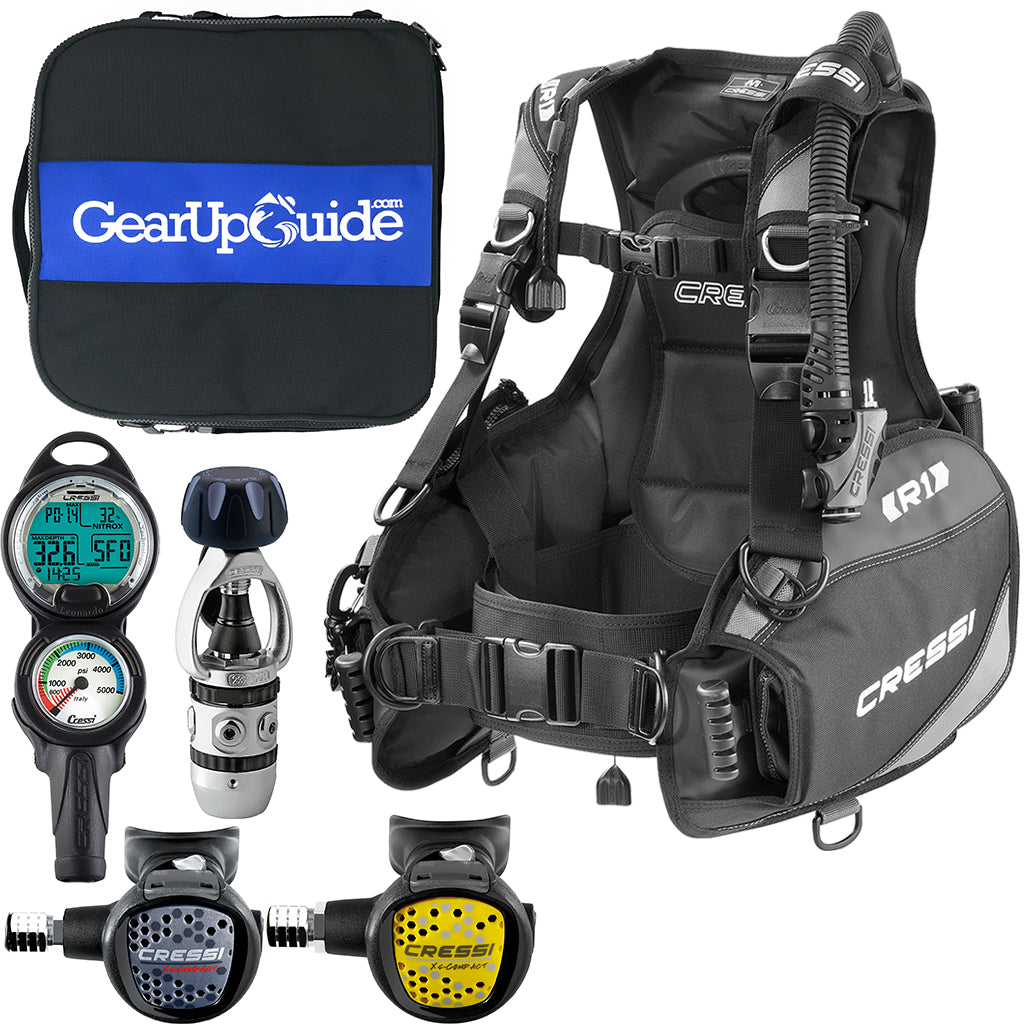
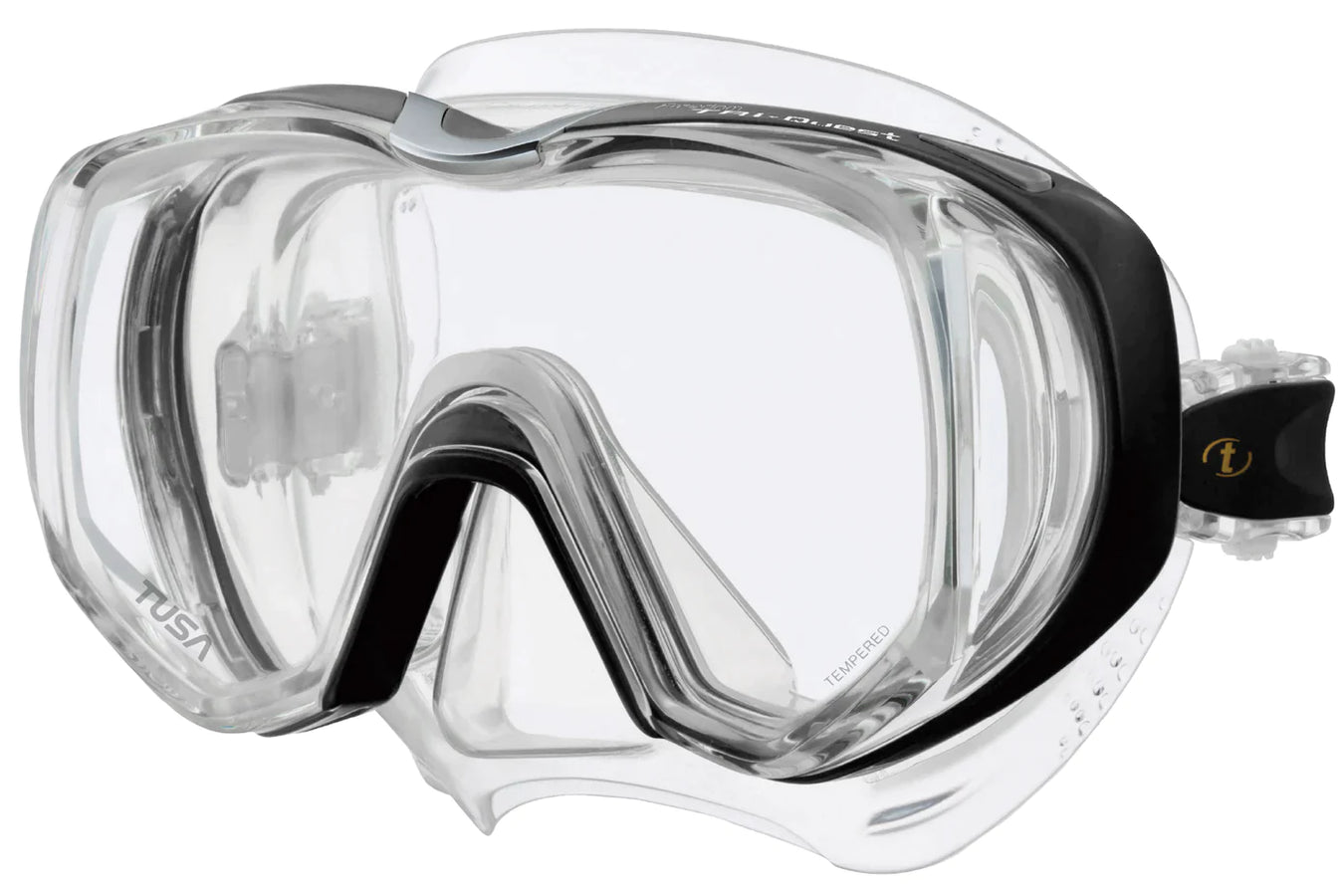
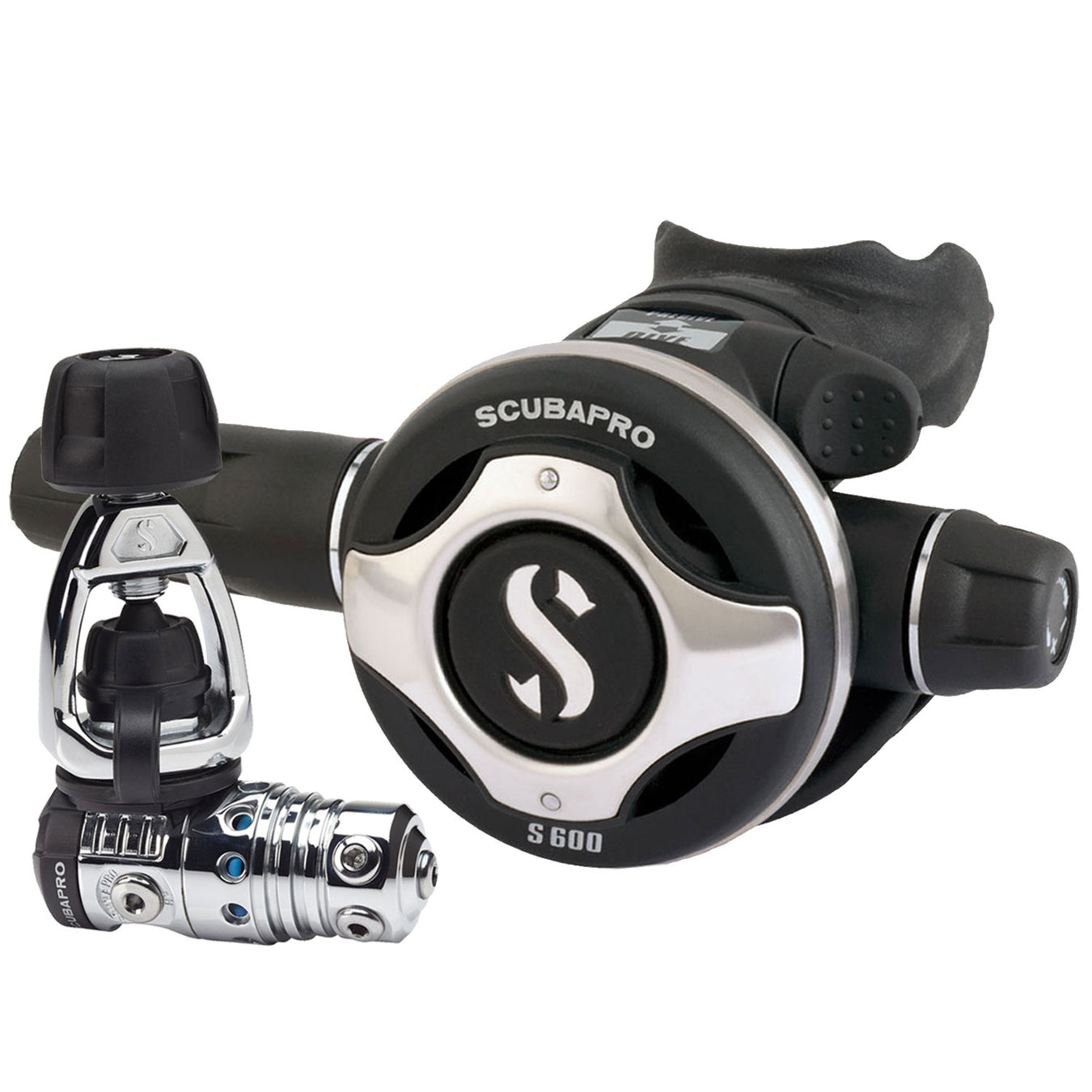
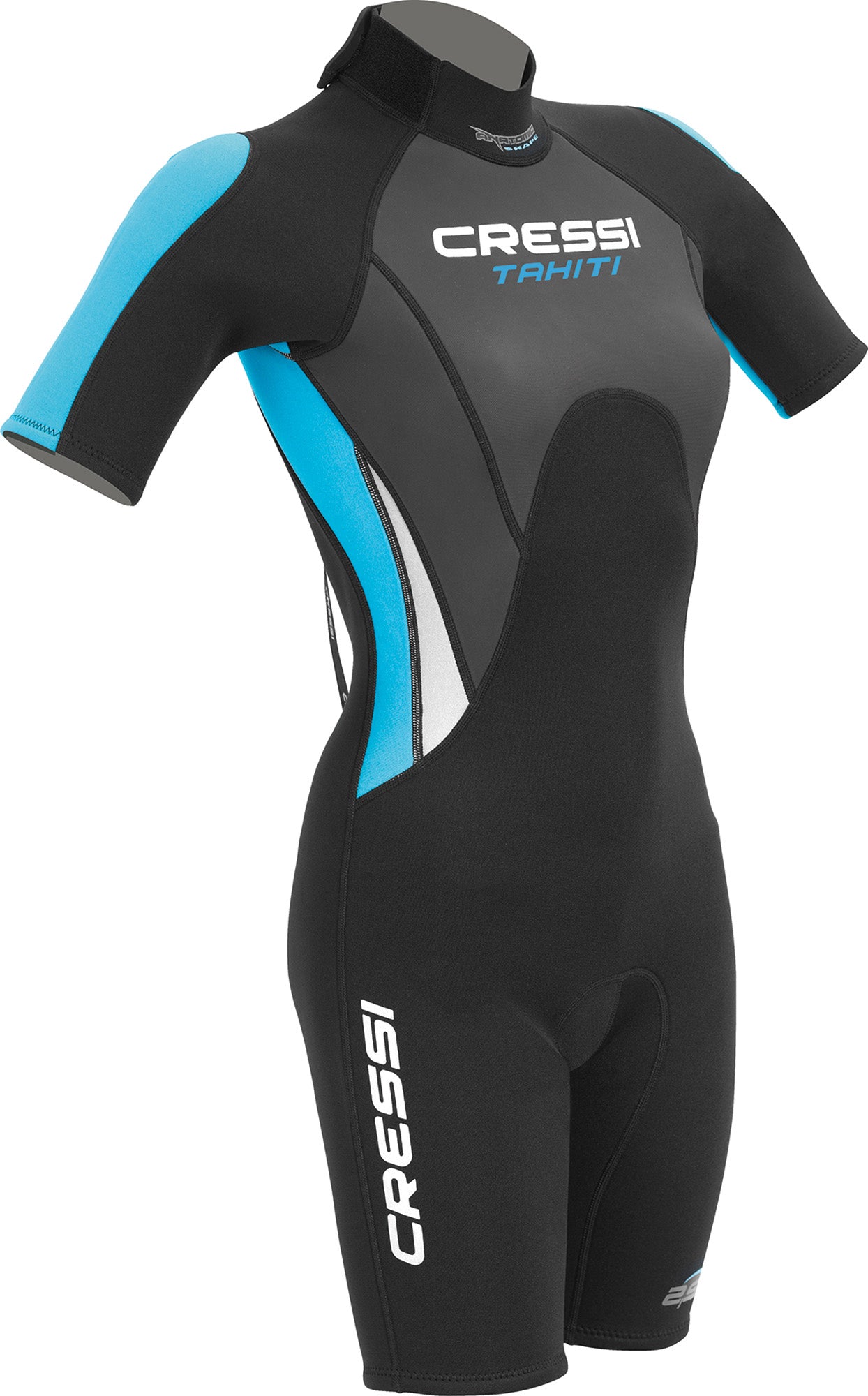
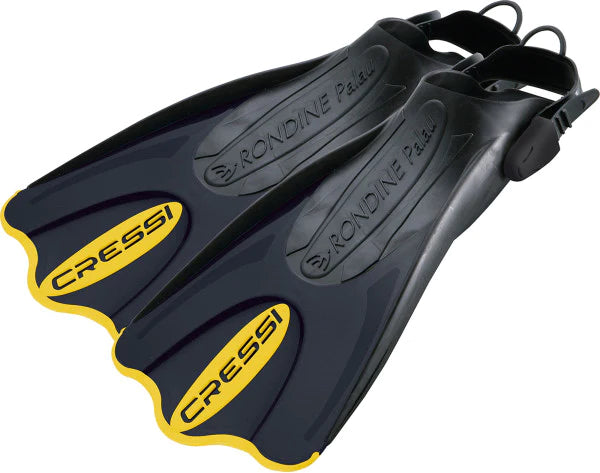
Investing in high-quality dive equipment, such as a mask, snorkel, fins, wetsuit, regulator, and buoyancy control device (BCD), can be a significant upfront cost. However, having gear that fits you perfectly and that you are comfortable with can make a world of difference in your underwater adventures.
Furthermore, maintaining and servicing your dive equipment is essential for ensuring your safety and the longevity of your gear. Regular inspections, servicing, and proper storage practices are crucial to prevent equipment malfunctions and accidents while diving.
For those looking to save on dive equipment costs, there are several strategies to consider. Purchasing gently used gear from reputable sources, taking advantage of seasonal sales and promotions, and investing in versatile equipment that can grow with your skills and diving preferences are all ways to make the most of your budget.
Additionally, some dive centers offer package deals for equipment purchases alongside certification courses, providing discounts and ensuring you have all the necessary gear from the start. Remember, while dive equipment can be a significant investment, it is a crucial component of your diving experience that should not be overlooked.
Once you've obtained your scuba certification and gathered your dive gear, a vast underwater world filled with wonders and mysteries awaits you. From vibrant coral reefs teeming with life to eerie shipwrecks shrouded in history, each dive offers a unique opportunity for exploration and discovery.
As you venture into the depths, remember to dive responsibly, respecting the marine environment and following safe diving practices. Whether you're drawn to the tranquility of a kelp forest, the adrenaline of drift diving, or the beauty of a night dive, each underwater experience will leave an indelible mark on your diving journey.
Embrace the challenges, savor the moments of weightlessness, and immerse yourself in the beauty of the underwater world. With each dive, you'll not only deepen your connection to the ocean but also to yourself, as you navigate a realm that is both captivating and humbling.
Ready to unveil the depths and embark on your scuba diving journey? Lancaster Scuba is here to guide you every step of the way. From top-notch gear to expert dive instruction and unforgettable travel experiences, we provide everything you need to explore the underwater world with confidence. Check out our scuba gear and start planning your next aquatic adventure today. Dive into a seamless experience with Lancaster Scuba, where your underwater exploration dreams become a reality.


{"one"=>"Select 2 or 3 items to compare", "other"=>"{{ count }} of 3 items selected"}