

Exploring the Depths: Spearfishing in San Diego
Dive into the exhilarating world of spearfishing in San Diego! Discover the best spots, techniques, and gear for an unforgettable underwater adventure.
Read now
In the vast ocean of the internet, a new predator has emerged, one that navigates the digital waves with precision and intent, targeting unsuspecting individuals and organizations. This predator is known as the spearphisher, a type of scammer who uses personalized attacks to infiltrate the defenses of their targets. The world of spearphishing is not just about deception; it's a deep dive into the psychology of trust and the exploitation of digital vulnerabilities. Like the explorers of the deep sea, we embark on a journey to understand the mechanics, the dangers, and the defenses against spearphishing, navigating through the murky waters of cyber threats to uncover the treasure of knowledge and preparedness.
Spearphishing, at its core, is a highly targeted form of phishing. Unlike its broader counterpart, which casts a wide net in the hopes of catching anyone in its path, spearphishing focuses on specific individuals or organizations, using tailored information to increase the likelihood of a successful attack. This precision makes spearphishing a formidable and dangerous adversary in the digital realm.
The first step in a spearphishing attack is the selection of the target. Scammers conduct thorough research, often using publicly available information from social media, company websites, and other sources to gather personal or organizational details. This information is then used to craft a believable and compelling lure.
Statistics show that attacks targeting specific individuals within organizations have a higher success rate due to the personalized nature of the approach. According to a recent report, over 65% of spearphishing attacks in the last year were directed at specific employees, with the aim of gaining access to internal systems.
Once the target is chosen, the scammer crafts a message that is designed to deceive. This could be an email, a message on social media, or any form of communication that appears legitimate. The message might mimic the tone and style of communication familiar to the target, and it often includes urgent or enticing prompts to action, such as clicking on a link or downloading an attachment.
The effectiveness of these lures is evident in their success rates. Research indicates that personalized emails have an open rate of up to 70%, significantly higher than generic phishing attempts.
With the lure ready, the scammer sends it to the target. The moment the target interacts with the malicious content, the attack is considered successful. This interaction could lead to the installation of malware, the theft of login credentials, or other forms of cyber exploitation.
Data breaches resulting from spearphishing attacks have led to significant financial losses and damage to reputations. In one notable case, a company lost over $5 million due to a single spearphishing email that tricked an employee into transferring funds to a fraudulent account.
One of the most insidious aspects of spearphishing is the psychological manipulation employed by scammers. By leveraging social engineering techniques, scammers exploit human emotions such as fear, curiosity, or urgency to prompt targets into taking actions that compromise their security.
For example, scammers may create a sense of urgency by claiming that immediate action is required to prevent a negative consequence, or they may appeal to the target's curiosity by offering exclusive information or opportunities. Understanding these tactics can help individuals and organizations recognize and resist manipulation attempts.
The threat of spearphishing is real and ever-present, but not invincible. Like a well-equipped diver who knows how to navigate the challenges of the deep, individuals and organizations can arm themselves with knowledge and tools to defend against these digital predators.
The first line of defense is awareness. Understanding the tactics used by scammers and recognizing the signs of a spearphishing attempt are crucial. Regular training sessions for employees, focusing on the latest spearphishing techniques and how to respond, can significantly reduce the risk of successful attacks.
Statistics support the effectiveness of education as a defense mechanism. Organizations that conduct regular cybersecurity training report up to a 70% reduction in successful spearphishing attempts.
Beyond education, technical defenses play a critical role in protecting against spearphishing. Advanced email filtering solutions, which use artificial intelligence to detect and block phishing attempts, are becoming increasingly effective. Additionally, implementing multi-factor authentication (MFA) adds an extra layer of security, ensuring that even if credentials are compromised, unauthorized access is still blocked.
According to recent data, the implementation of MFA can prevent 99.9% of automated attacks, making it a powerful tool in the fight against spearphishing.
Ultimately, the most effective defense against spearphishing is a culture of security. This means fostering an environment where cybersecurity is everyone's responsibility, and where vigilance and caution are part of the daily routine. Encouraging open communication about potential threats and creating clear protocols for reporting suspicious activities can strengthen an organization's defenses against spearphishing.
Another crucial aspect of defending against spearphishing is the establishment of robust monitoring systems and incident response protocols. By continuously monitoring network activity and email communications, organizations can detect suspicious patterns or anomalies that may indicate a spearphishing attempt in progress.
Having a well-defined incident response plan ensures that in the event of a successful spearphishing attack, swift and effective actions can be taken to mitigate the impact, contain the breach, and prevent further damage.
As spearphishing attacks become more sophisticated, organizations are turning to artificial intelligence (AI) to bolster their defenses. AI-powered solutions can analyze vast amounts of data in real-time, identifying patterns and anomalies that may indicate a potential spearphishing attempt.
Machine learning algorithms can adapt and improve over time, enhancing the accuracy of threat detection and reducing false positives. By harnessing the power of AI, organizations can stay one step ahead of cybercriminals and protect their sensitive information from spearphishing attacks.
Integrating AI-powered spearphishing detection tools with existing security operations can streamline threat response and investigation processes. By automating the initial stages of threat detection and analysis, security teams can focus their efforts on strategic decision-making and incident response, improving overall cybersecurity posture.
Furthermore, AI can provide valuable insights into emerging trends and tactics used by cybercriminals, enabling organizations to proactively adapt their defenses and stay resilient against evolving spearphishing techniques.
As we conclude our exploration of spearphishing, it's evident that this form of cyber threat requires a multifaceted approach to defense. By understanding the anatomy of a spearphishing attack, recognizing psychological manipulation tactics, and implementing a combination of education, technical defenses, and AI-powered solutions, individuals and organizations can significantly reduce their vulnerability to these targeted attacks.
Just as the ocean depths hold both mystery and danger, the digital landscape of spearphishing presents challenges and risks. However, with vigilance, preparation, and a commitment to cybersecurity best practices, we can navigate these treacherous waters with confidence, safeguarding our data and assets from the predators that lurk beneath the surface.
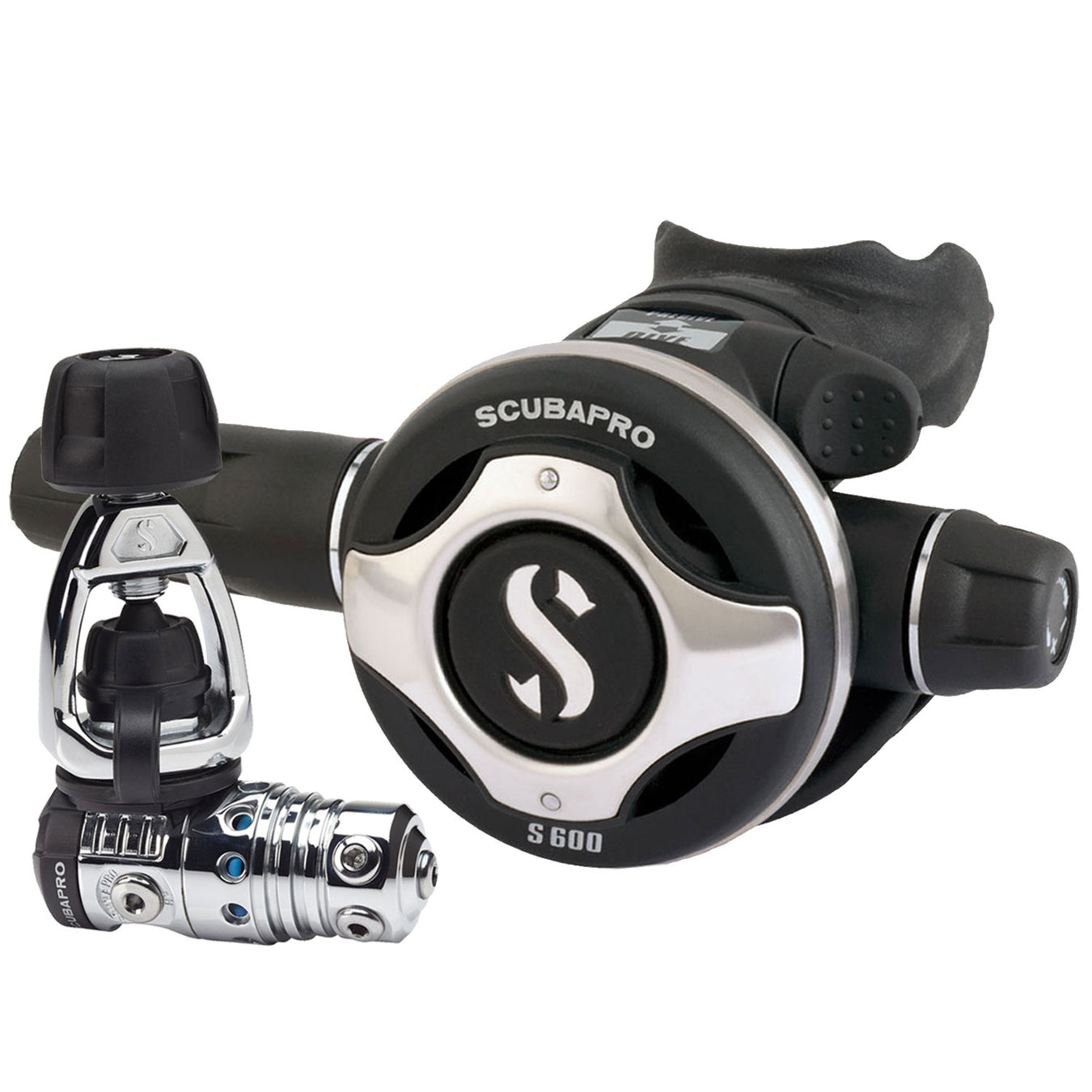
Just as you wouldn't explore the depths of the ocean without the proper gear, navigating the digital seas requires the right tools and knowledge to stay safe from spearphishing threats. Equip yourself for both underwater adventures and online security with Lancaster Scuba. Our expertly curated selection of scuba gear is designed to enhance your diving experience and keep you safe in the aquatic world. Check out our scuba gear today and embrace the spirit of "Gear. Dive. Travel." as you prepare for a secure journey, both in the water and on the web.


{"one"=>"Select 2 or 3 items to compare", "other"=>"{{ count }} of 3 items selected"}