

Exploring the Depths: Spearfishing in San Diego
Dive into the exhilarating world of spearfishing in San Diego! Discover the best spots, techniques, and gear for an unforgettable underwater adventure.
Read now
In the vast, blue expanse of the ocean, scuba divers find their sanctuary, exploring the mysteries that lie beneath the waves. The question of how long scuba divers can stay underwater is not just a matter of curiosity but a gateway to understanding the essence of scuba diving itself. It's a journey into the heart of what it means to embrace the underwater world, with its inherent risks, boundless adventures, and the pursuit of knowledge. This exploration is not merely about numbers or limits but about the passion that drives divers to push the boundaries of human endurance and the technology that enables these aquatic explorations. Let's dive deeper into the factors that define these limits and the spirit of adventure that propels divers forward.
Before delving into the depths of how long divers can remain submerged, it's crucial to grasp the fundamental principles that govern scuba diving. These principles are not just scientific guidelines but are the very fabric that ensures the safety and enjoyment of every dive.
A diver's air consumption rate is a pivotal factor in determining how long they can stay underwater. This rate varies widely among individuals, influenced by factors such as physical fitness, stress levels, water temperature, and the depth of the dive. Understanding one's air consumption rate is not just a matter of logistics but a step towards mastering the art of diving.
Statistics show that the average diver, with a standard 11-liter tank filled to 200 bar, can expect a dive time ranging from 45 to 60 minutes at moderate depths. However, this is a broad estimate, and the actual time can vary significantly based on the diver's experience and the conditions of the dive.
Factors such as efficient breathing techniques, streamlined gear configuration, and maintaining a calm demeanor underwater can all contribute to extending dive times. Experienced divers often develop a keen sense of their air consumption rate, allowing them to plan and execute longer dives with precision.
Another critical aspect of diving science is the body's absorption of nitrogen under pressure, which sets strict limits on dive times to prevent decompression sickness. The deeper and longer a diver goes, the more nitrogen dissolves in their body, necessitating careful ascent times and sometimes decompression stops. These stops are not mere interruptions but are essential pauses that allow divers to safely transition back to the surface world.
Decompression models, such as the Bühlmann and VPM (Varying Permeability Model), offer guidelines on safe ascent profiles, turning the complex interplay of depth, time, and nitrogen into a roadmap for safe exploration.
Understanding the physiological effects of nitrogen on the body is crucial for divers aiming to extend their underwater time. By adhering to dive tables, utilizing dive computers, and following established safety protocols, divers can mitigate the risks associated with nitrogen absorption and safely enjoy longer dives.
The quest to stay longer underwater has also been a driving force behind technological advancements in scuba diving. Each innovation is not just a triumph of engineering but a testament to the human desire to explore beyond our natural limits.
Rebreather technology represents a significant leap forward, allowing divers to recycle their breath, thereby extending underwater time significantly. Unlike traditional open-circuit systems that expel the breath into the water, rebreathers scrub out carbon dioxide and add oxygen, enabling divers to use the same gas for much longer periods. This technology is not just an equipment upgrade but a revolution that has opened new horizons in underwater exploration.
With rebreathers, dives of over three hours become feasible, even at depths that would require decompression stops. This extended time underwater allows for deeper immersion in the marine environment, offering opportunities for scientific research, detailed archaeological documentation, and profound personal experiences with the aquatic realm.
Rebreathers come in various configurations, from semi-closed to fully closed systems, each offering unique advantages and considerations for divers. Training in rebreather use is essential, as it involves a different set of skills and safety procedures compared to traditional scuba equipment.
The use of Enriched Air Nitrox, a breathing gas with a higher oxygen content than regular air, further extends the limits of dive times by reducing nitrogen absorption. This innovation is not merely a technical adjustment but a gateway to longer, safer dives, allowing divers to explore with greater freedom and less risk of decompression sickness.
While EANx enables longer bottom times, especially at shallower depths, it also requires additional training and certification, emphasizing the importance of education and preparation in the pursuit of diving excellence.
Utilizing EANx requires a thorough understanding of oxygen exposure limits, gas blending procedures, and the potential risks associated with higher oxygen concentrations. Divers must undergo specialized training to handle EANx safely and effectively, ensuring that they maximize the benefits of this gas mixture while minimizing the associated hazards.
At the core of extending dive times lies the human element—training, experience, and an unwavering commitment to safety. These are not just components of a diver's journey but the foundation upon which the diving community stands.
Diver education is paramount, not only for safety but for enhancing the overall diving experience. Through comprehensive training, divers learn to manage their air consumption, navigate decompression limits, and use advanced technologies like rebreathers and EANx effectively. This education is not just about acquiring skills but about building a foundation of knowledge that empowers divers to explore with confidence.
Advanced training programs, such as technical diving courses and rebreather certifications, equip divers with the skills and knowledge necessary to undertake more challenging and extended dives. These programs focus on risk management, gas planning, equipment maintenance, and emergency procedures, preparing divers for a wide range of underwater scenarios.
Experience plays a crucial role in extending underwater time safely. Each dive adds to a diver's understanding of their capabilities and limits. This accumulation of knowledge is not just about logging dives but about deepening one's connection with the underwater world, learning to move with grace and efficiency, and recognizing the signs of one's body under the unique stresses of the aquatic environment.
Personal limits are a crucial aspect of safe diving practices. Acknowledging these limits is not a sign of weakness but a mark of a responsible and mature diver. It's a recognition that the ocean is a powerful and sometimes unforgiving realm, demanding respect and caution.
Building experience through a variety of dive environments, conditions, and challenges is essential for divers looking to extend their underwater time. By gradually pushing their boundaries in a controlled and calculated manner, divers can expand their capabilities while maintaining a strong focus on safety and risk management.
The question of how long scuba divers can stay underwater is intertwined with the evolution of diving technology, the expansion of human knowledge, and the indomitable spirit of adventure that defines the diving community. It's a testament to the relentless pursuit of exploration, the commitment to safety and education, and the joy of discovering the unknown.
As technology advances and divers continue to push the boundaries of what's possible, the answer to this question will evolve. But the essence of diving—the thrill of exploration, the bond among divers, and the respect for the ocean—remains unchanged. It's a journey that goes beyond time, into the heart of what it means to be truly alive.
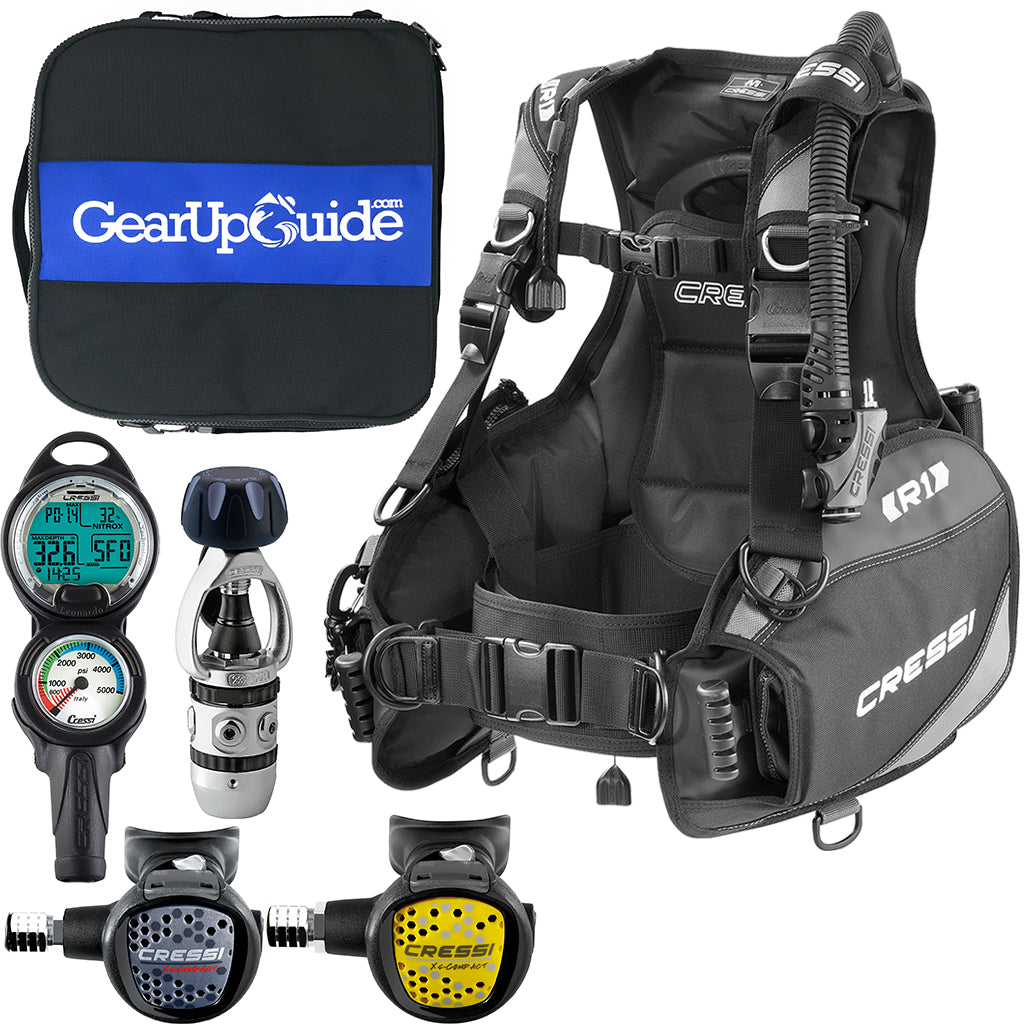
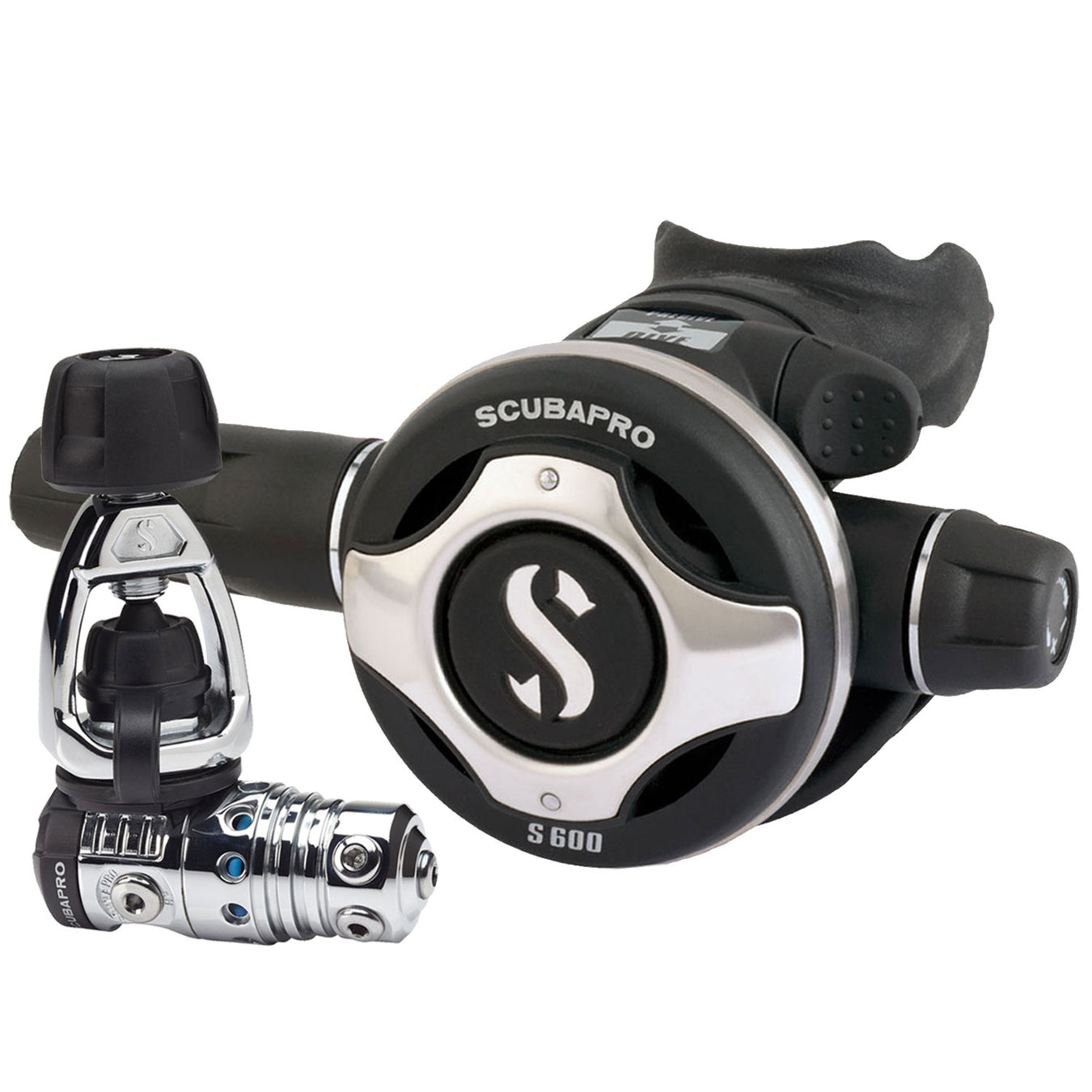
As you contemplate the endless possibilities of underwater exploration, remember that the right gear is your companion in every adventure. Lancaster Scuba is here to equip you with everything you need to extend your dive times safely and enjoyably. From top-notch equipment to expert training and unforgettable travel experiences, we've got you covered. Check out our scuba gear and embrace the "Gear. Dive. Travel." lifestyle to make your next underwater journey truly remarkable.


{"one"=>"Select 2 or 3 items to compare", "other"=>"{{ count }} of 3 items selected"}