

Exploring the Depths: Spearfishing in San Diego
Dive into the exhilarating world of spearfishing in San Diego! Discover the best spots, techniques, and gear for an unforgettable underwater adventure.
Read now
Scuba diving is not just about exploring the underwater realm but about pushing the limits of human endurance and curiosity. One question that often surfaces in the minds of both seasoned divers and those just beginning to dip their toes into the world of scuba diving is, "How long can a scuba diver stay underwater?" This inquiry opens up a discussion not only about the technical limitations but also about the human spirit's capacity for adventure and discovery. Embarking on this aquatic journey requires a blend of knowledge, skill, and respect for the ocean's power. It's a pursuit that combines the thrill of exploration with a commitment to safety and education. Let's dive deeper into understanding the factors that influence a diver's time beneath the surface, the advancements in diving technology, and the importance of responsible diving practices.
At the heart of scuba diving is a fundamental understanding of how human bodies interact with the underwater environment. Dive time is influenced by a variety of factors, each contributing to the overall experience and safety of the diver.
The concept of decompression is crucial in determining how long a diver can stay underwater. As divers descend, the pressure increases, causing the body to absorb more nitrogen from the breathing gas. The deeper and longer the dive, the more nitrogen is absorbed. Decompression sickness, or "the bends," can occur if a diver ascends too quickly, allowing nitrogen to form bubbles in the body. Thus, managing decompression times is essential for safe diving practices.
Decompression tables and dive computers are tools that help divers track their nitrogen absorption and safely plan their ascents. These resources provide guidelines based on depth and time, but individual factors like hydration, fitness level, and age can also influence decompression requirements.
Another critical factor in determining dive time is air consumption. Divers breathe compressed air or a mix of oxygen and other gases from tanks, and the rate at which this air is consumed varies depending on depth, exertion level, and the diver's breathing rate. Efficient air management ensures that divers have enough supply not only for the planned dive time but also for any emergencies that may arise.
Training and experience play significant roles in improving air consumption rates. Techniques like slow, deep breathing and maintaining buoyancy help in conserving air, allowing for longer dives.
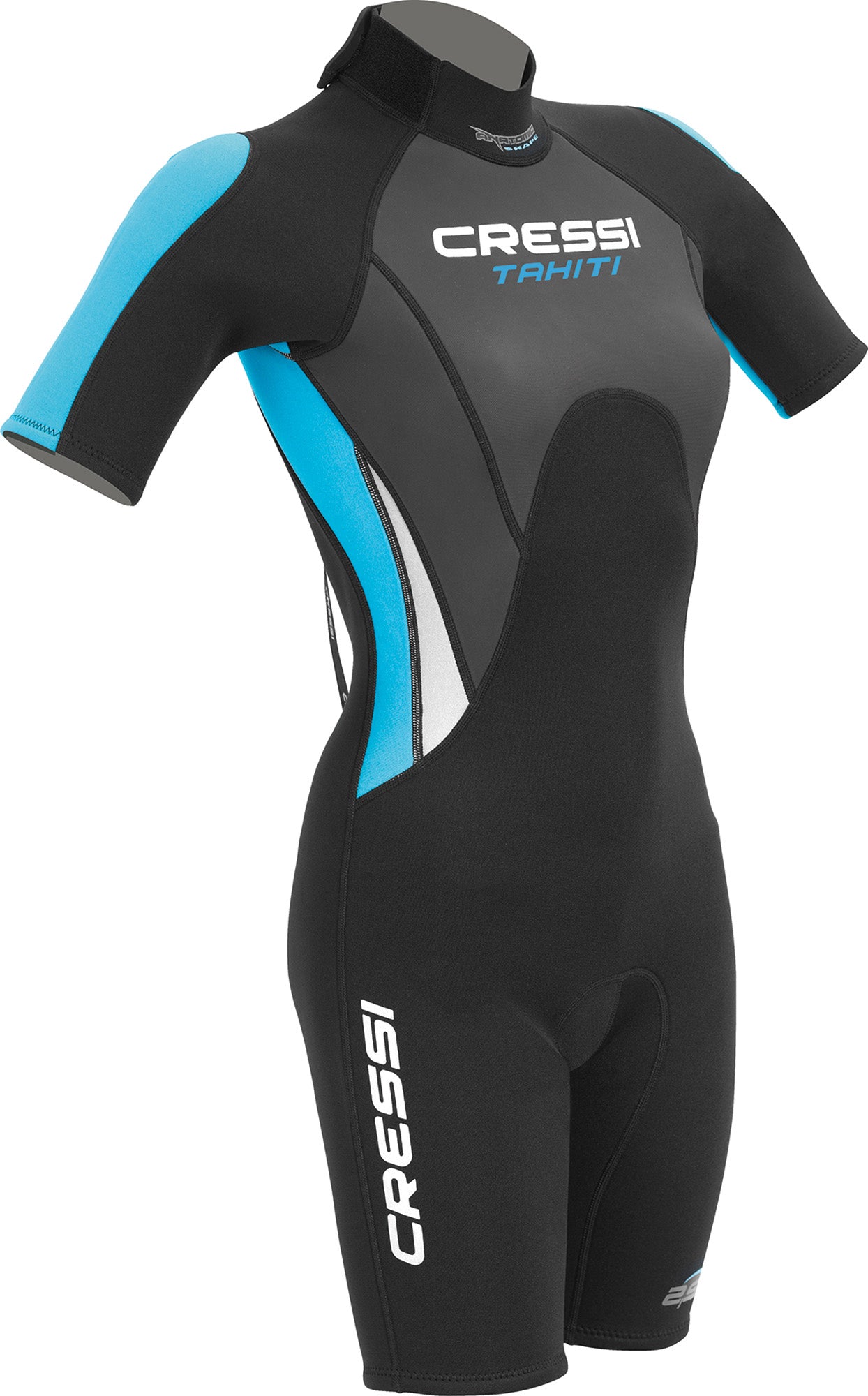
Water temperature is a factor that can significantly affect a diver's endurance underwater. Cold water can lead to increased air consumption as the body works harder to maintain its core temperature. Proper thermal protection through wetsuits or drysuits is essential in conserving energy and prolonging dive times in colder environments.
Additionally, exposure to cold water for extended periods can increase the risk of hypothermia, impacting a diver's physical and cognitive abilities. Being mindful of water temperature and taking appropriate measures to stay warm are crucial aspects of safe and enjoyable diving experiences.
Over the years, technological advancements have significantly impacted how long divers can stay underwater. From improvements in dive gear to the development of new breathing gas mixes, these innovations have expanded the boundaries of underwater exploration.
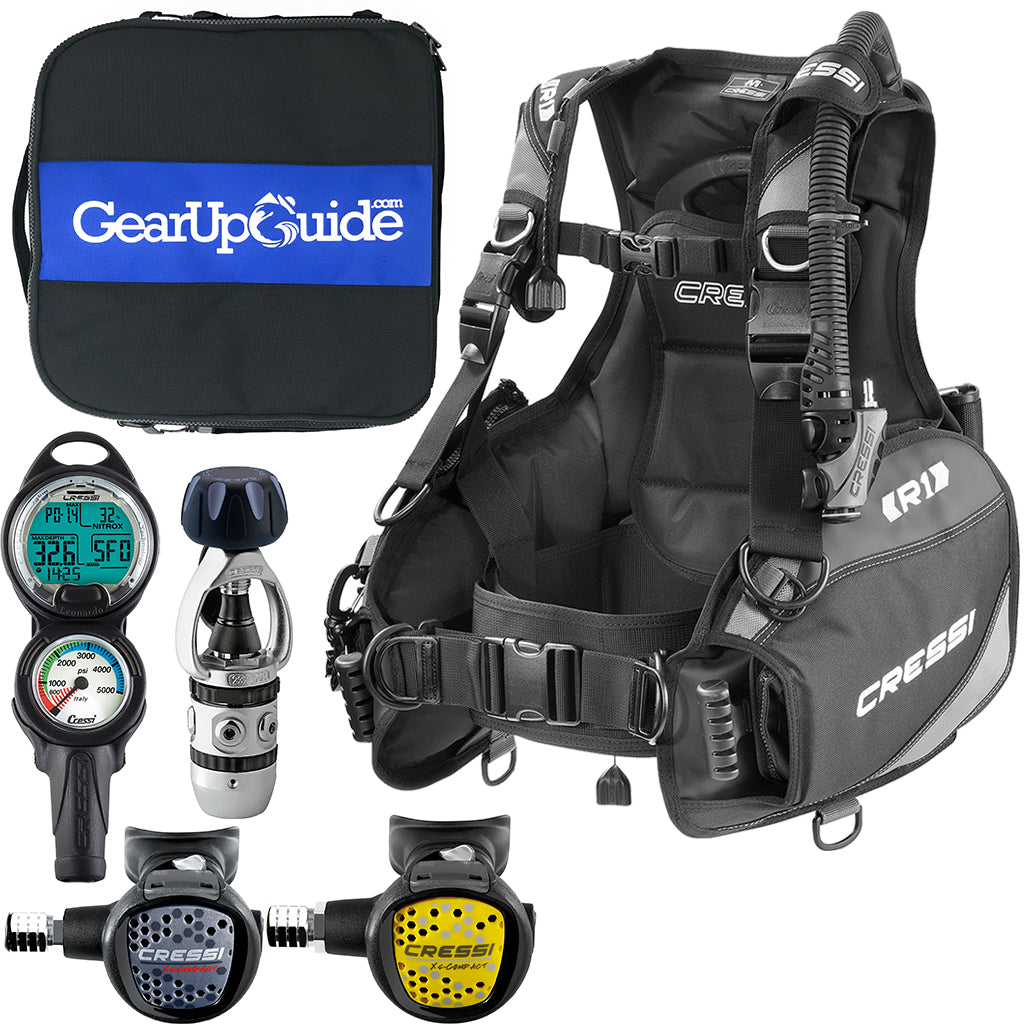
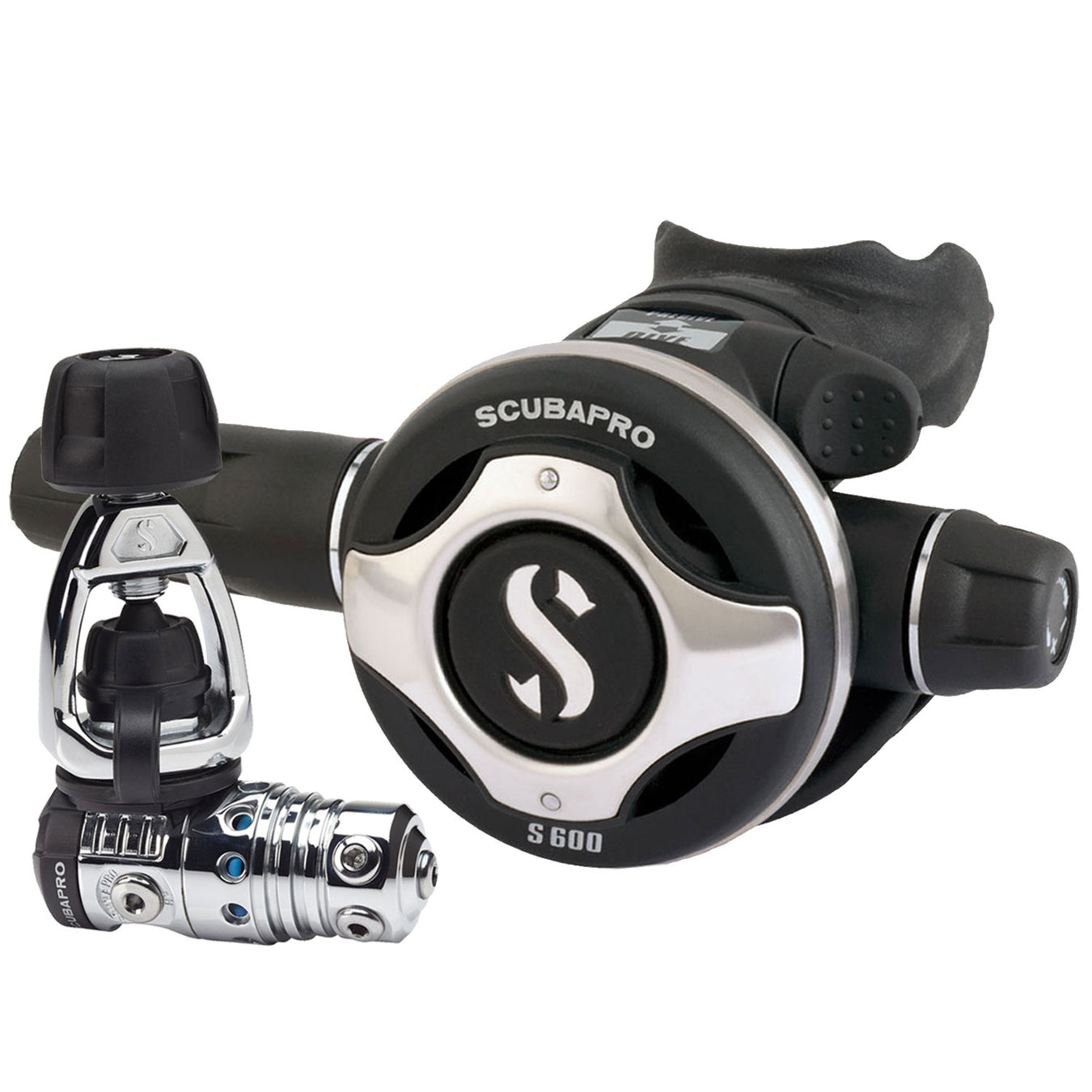
Modern dive gear is designed with both safety and efficiency in mind. High-quality wetsuits and drysuits provide better thermal protection, reducing the risk of hypothermia during long or deep dives. Additionally, state-of-the-art regulators and buoyancy control devices (BCDs) offer divers more control and stability underwater, contributing to reduced air consumption and extended dive times.
Dive computers have become an indispensable tool for divers, offering real-time monitoring of depth, time, and decompression status. These devices use sophisticated algorithms to calculate safe dive limits for individuals, taking into account the specifics of each dive.
Enriched Air Nitrox (EANx) has become increasingly popular among divers seeking longer bottom times. This breathing gas contains a higher percentage of oxygen and a lower percentage of nitrogen than regular air, reducing nitrogen absorption during dives. As a result, divers can extend their time underwater at certain depths without increasing their risk of decompression sickness.
However, diving with EANx requires additional training to manage the risks of oxygen toxicity, especially at greater depths. This highlights the importance of education and continuous learning in the diving community.
Rebreathers are devices that recycle a diver's exhaled breath, removing carbon dioxide and replenishing oxygen for reuse. Unlike traditional scuba systems that release exhaled gas into the water, rebreathers recycle the gas, allowing for longer dives and reduced gas consumption. This technology has revolutionized technical diving, enabling divers to explore deeper and stay underwater for extended periods.
Rebreathers come in various configurations, from semi-closed to fully closed systems, each offering unique benefits and challenges. Proper training and maintenance are essential for safe and effective use of rebreather technology, emphasizing the importance of thorough preparation and attention to detail in technical diving pursuits.
While the allure of the underwater world is undeniable, it's imperative that divers prioritize safety and responsibility above all else. Understanding and respecting the limits of one's training and experience is crucial in preventing accidents and ensuring enjoyable dives.
Every dive should begin with a thorough plan that considers the dive site conditions, the divers' experience levels, and emergency procedures. Setting clear objectives and limits for each dive helps in managing risks and ensures that all divers are on the same page.
Dive planning also involves considering environmental factors such as currents, visibility, and marine life encounters. By preparing for these variables, divers can adapt their plans as needed and avoid situations that could compromise their safety.
Being prepared for unexpected situations is a cornerstone of safe diving practices. Emergency response skills, including first aid training and rescue techniques, are essential for all divers, regardless of their experience level. In high-stress scenarios, the ability to remain calm, assess the situation, and take decisive action can make a critical difference in the outcome of an emergency.
Regular practice of emergency drills and scenarios helps divers build confidence in their abilities and reinforces the importance of teamwork and communication underwater. By prioritizing emergency response training, divers contribute to a culture of safety and preparedness within the diving community.
As ambassadors of the underwater world, divers have a responsibility to protect and preserve marine ecosystems. Practicing environmentally conscious diving behaviors, such as avoiding contact with fragile corals, properly disposing of waste, and reporting environmental disturbances, helps minimize human impact on underwater habitats.
Participating in marine conservation initiatives, such as reef cleanups and citizen science projects, allows divers to contribute positively to the health of the oceans. By fostering a deep respect for marine life and habitats, divers can actively engage in preserving the beauty and biodiversity of the underwater realm for future generations.
In conclusion, the question of how long a scuba diver can stay underwater opens up a vast ocean of considerations, from the physiological and technical to the ethical and environmental. It's a testament to the human desire to explore and to do so with mindfulness and respect for the natural world. As we continue to push the boundaries of diving, let us always remember the importance of safety, education, and the shared joy of discovery that unites the diving community.
As you contemplate the wonders of the underwater world and the thrill of extending your dive time, remember that the right gear is essential for a safe and enjoyable experience. Lancaster Scuba is here to equip you with everything you need for your aquatic adventures. From top-notch equipment to expert diving instruction and unforgettable travel experiences, we've got you covered. Check out our scuba gear and take the first step towards your next underwater expedition. Gear. Dive. Travel. – embark on your journey with Lancaster Scuba today!


{"one"=>"Select 2 or 3 items to compare", "other"=>"{{ count }} of 3 items selected"}