

Exploring the Depths: Spearfishing in San Diego
Dive into the exhilarating world of spearfishing in San Diego! Discover the best spots, techniques, and gear for an unforgettable underwater adventure.
Read now
In the vast, blue expanse of the ocean, where adventure beckons the brave, lies an activity that not only promises exploration but also an impressive expenditure of energy. Scuba diving, a pursuit that combines the thrill of discovery with the grace of floating in a weightless world, is more than just a sport—it's a journey into the very heart of what it means to explore. But amidst the excitement and allure of swimming alongside the mysteries of the deep, a question often surfaces: how many calories do you burn scuba diving?
This exploration is not merely about quantifying energy but understanding the intricate dance between the human body and the aquatic environment. It's a dive into the physiology of adventure, the metabolism of the explorer. Let's embark on this journey together, navigating through the currents of data and the waves of scientific insight, to uncover the caloric treasures hidden beneath the surface.
Before we plunge into the depths, it's essential to orient ourselves with the basics of energy expenditure. The human body, much like a vessel navigating the open sea, requires fuel to embark on any adventure, especially one as physically engaging as scuba diving.
The concept of energy expenditure is twofold, encompassing both the basal metabolic rate (BMR)—the energy used at rest to maintain vital bodily functions—and the energy expended during physical activity. Scuba diving, with its unique blend of excitement and exertion, sails beyond ordinary physical activities, engaging the body in a comprehensive workout that transcends the surface level.
Various factors influence the number of calories burned during a dive, including water temperature, the weight of the equipment, and the strength of the currents. Each element adds a layer of complexity, making the calculation of energy expenditure a fascinating challenge.
In the embrace of the ocean's depths, temperature plays a pivotal role in determining caloric burn. Cold water demands more from the body, triggering an increase in metabolic rate to maintain core temperature. This thermogenic effect means that a dive in cooler waters can significantly elevate the number of calories burned, turning each breath into a whisper of warmth against the chill.
Conversely, warmer waters offer a gentler experience, but the effort of swimming and managing buoyancy still ensures a substantial energy expenditure. The balance between temperature and exertion highlights the dynamic nature of scuba diving as a form of exercise.
With our compass set, let's navigate the specifics of caloric burn in scuba diving. This journey is not just about numbers; it's about understanding the synergy between body and ocean, the physical dialogue that unfolds with each dive.
Several variables contribute to the total caloric expenditure during a dive. The duration of the dive, the depth reached, and the physical condition of the diver all play critical roles. A longer dive, or one that battles against strong currents, demands more from the diver, turning the ocean into a gym that challenges and rewards in equal measure.
Equipment weight also cannot be overlooked. The gear, essential for safety and exploration, adds resistance, requiring the diver to expend more energy to move through the water. This resistance training, coupled with the cardiovascular workout of swimming, makes scuba diving a holistic exercise.
Studies and anecdotal evidence suggest that an average dive can burn between 400 to 600 calories per hour. However, this range is a starting point, a map that guides but does not define every journey. The true number can vary widely based on the factors previously discussed, with some estimates reaching up to 1000 calories for dives in challenging conditions.
This caloric expenditure places scuba diving on par with some of the most vigorous land-based exercises, highlighting its potential not just for adventure but for fitness. It's a testament to the sport's ability to blend the exhilaration of exploration with the rigors of a full-body workout.
In the quest for adventure and fitness, safety remains the guiding star. Scuba diving, for all its beauty and excitement, demands respect for the ocean's power and a commitment to preparation.
Understanding the basics of scuba diving, including how to manage equipment and respond to potential underwater challenges, is crucial. Education and training not only ensure a safer dive but also a more enjoyable and efficient one, allowing divers to maximize their energy expenditure without compromising their well-being.
Comprehensive dive training covers everything from buoyancy control, which can reduce unnecessary exertion, to navigation skills, ensuring that divers can explore without undue stress or effort.
The physical demands of scuba diving require a level of fitness that supports the activity's challenges. A strong cardiovascular system, good stamina, and the ability to manage the physical load of diving gear are all important. Divers should consider their physical condition and consult with healthcare providers before embarking on dives, especially those that push the limits of depth and duration.
Regular exercise, a balanced diet, and adequate rest are pillars that support not just the adventure of diving but the adventure of living. They ensure that each dive is not just a journey into the ocean's depths but a step towards a healthier, more vibrant life.
Scuba diving offers more than just a physical workout; it provides a gateway to a mesmerizing world beneath the waves. The marine ecosystem, with its vibrant colors, diverse species, and intricate ecosystems, unfolds like a living tapestry waiting to be explored.
As divers descend into the depths, they become part of this symphony of life. Schools of fish dance around coral reefs, sea turtles glide gracefully through the water, and delicate sea anemones sway in the current. Every dive is a chance to witness nature in its purest form, a reminder of the interconnectedness of all living beings.
One of the most captivating aspects of scuba diving is the sheer biodiversity that exists beneath the surface. From tiny nudibranchs showcasing a kaleidoscope of colors to majestic whale sharks cruising by, each dive holds the promise of encountering a new marvel of nature.
Exploring different dive sites allows divers to witness the incredible adaptations of marine life to their environments. Camouflaged octopuses blend seamlessly with their surroundings, while bioluminescent creatures illuminate the darkness of the deep. Every dive is a lesson in the resilience and beauty of the natural world.
As ambassadors of the ocean, divers play a crucial role in marine conservation. By observing marine life in its habitat, divers gain a deeper appreciation for the delicate balance that sustains ecosystems. This firsthand experience fosters a sense of stewardship, inspiring divers to protect and preserve the underwater world for future generations.
Participating in underwater clean-up efforts, supporting marine protected areas, and advocating for sustainable diving practices are just a few ways divers can contribute to the conservation of marine environments. Through these actions, divers become not just observers but active guardians of the seas.
One of the most transformative aspects of scuba diving is mastering the art of buoyancy control. Floating effortlessly in the water, weightless and free, divers experience a sense of peace and tranquility that is unmatched on land. Achieving neutral buoyancy is not just a skill; it's a state of being, a harmony between body and environment.
By fine-tuning their buoyancy, divers can move through the water with grace and precision, conserving energy and minimizing disturbances to marine life. The gentle kick of fins, the subtle adjustments of air in the buoyancy compensator, all contribute to a seamless underwater dance that epitomizes the zen of diving.
At the core of buoyancy control lies an understanding of physics. By adjusting the volume of air in their buoyancy compensator and their lungs, divers can achieve neutral buoyancy, where the force of gravity is perfectly balanced by the force of buoyancy. This equilibrium allows divers to hover in the water column, moving up or down with effortless ease.
Mastering buoyancy not only enhances the diving experience but also reduces the risk of damage to fragile marine ecosystems. By avoiding contact with the seabed or coral reefs, divers can explore with minimal impact, leaving only bubbles in their wake.
Buoyancy control is not just a physical skill; it's a mental discipline. The mindful diver remains attuned to their breathing, their surroundings, and the subtle changes in water pressure. By cultivating mindfulness underwater, divers can deepen their connection to the marine environment, immersing themselves fully in the present moment.
Practicing mindfulness during dives not only enhances safety and enjoyment but also fosters a sense of gratitude for the wonders of the ocean. Each breath becomes a reminder of the preciousness of life, each movement a celebration of the beauty that surrounds us.
In the grand tapestry of scuba diving, calories are but threads that weave into the larger narrative of adventure, discovery, and connection. The true essence of diving lies not in the numbers but in the experiences—the silent conversations with marine life, the camaraderie among divers, and the profound peace found in the embrace of the ocean.
As we surface from this exploration of energy expenditure, let's carry with us not just the knowledge of calories burned but the reminder that scuba diving offers a unique blend of adventure, fitness, and personal growth. It's a journey that invites us to dive deeper into life's potential, one breath at a time.
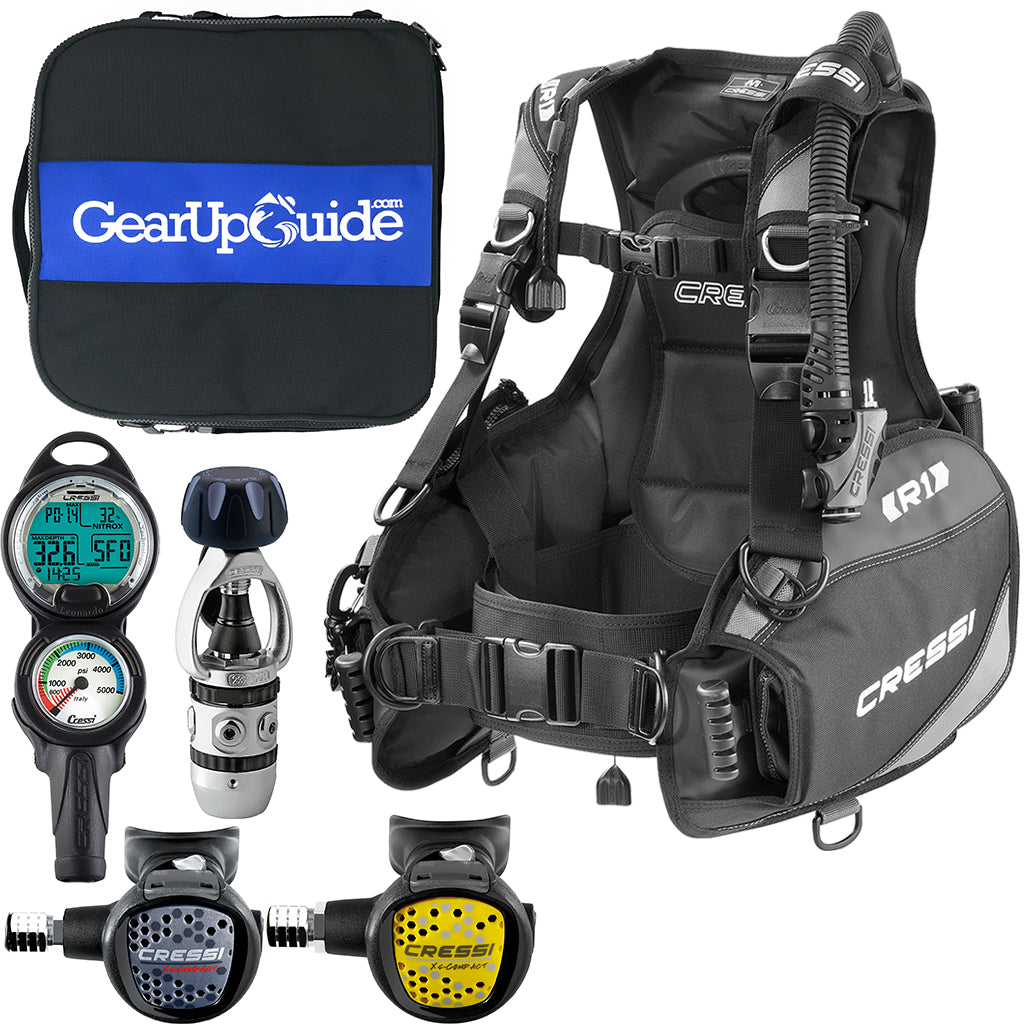
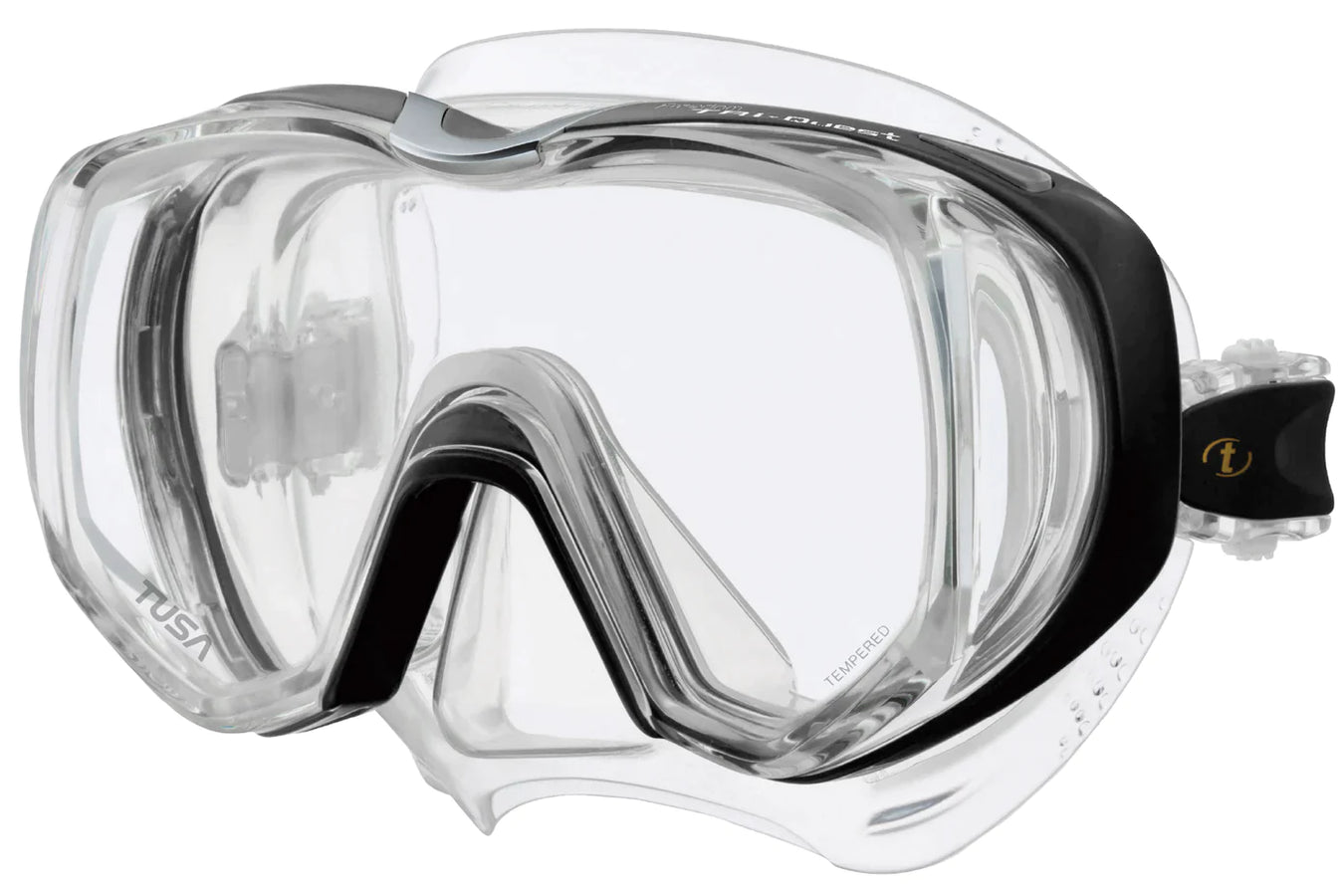
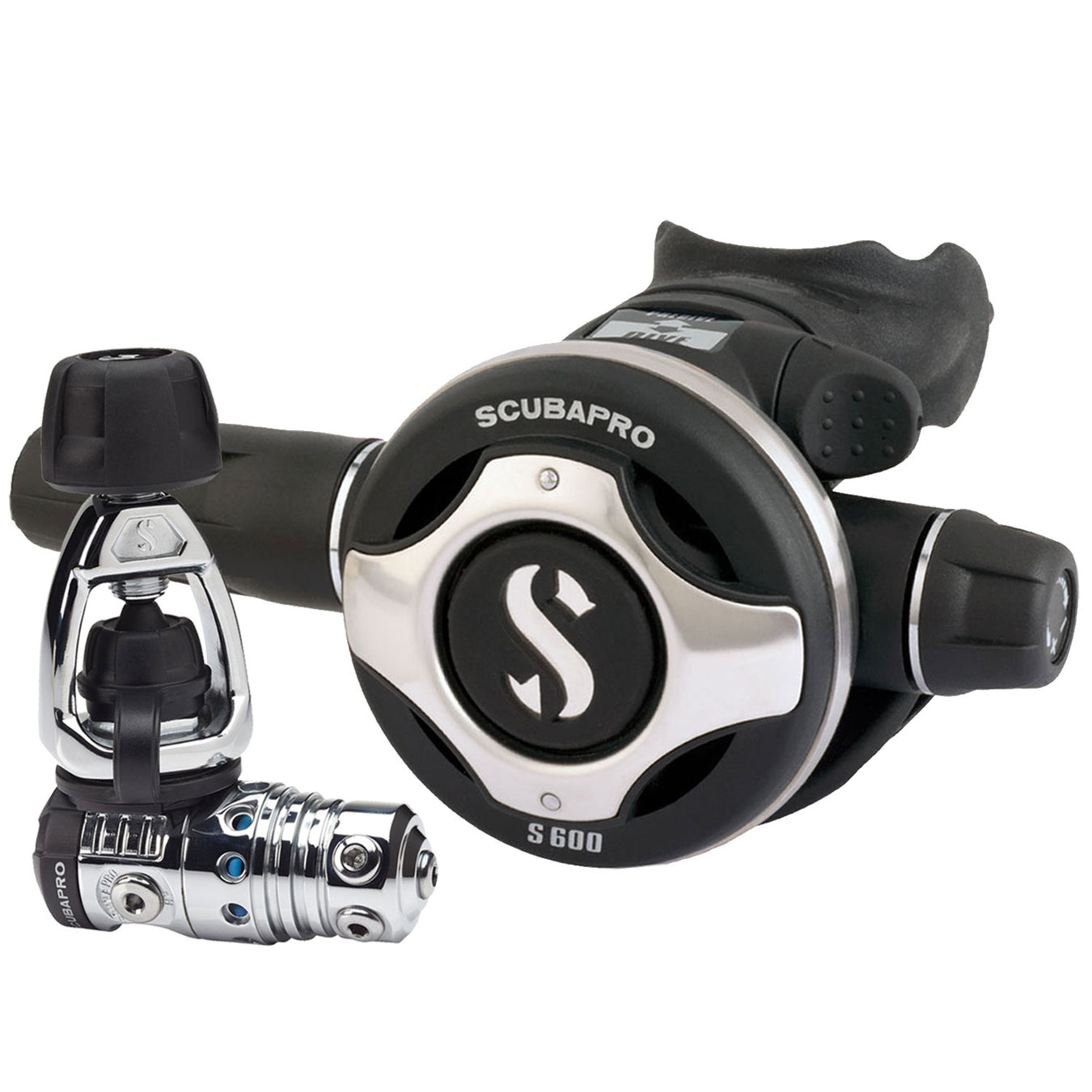
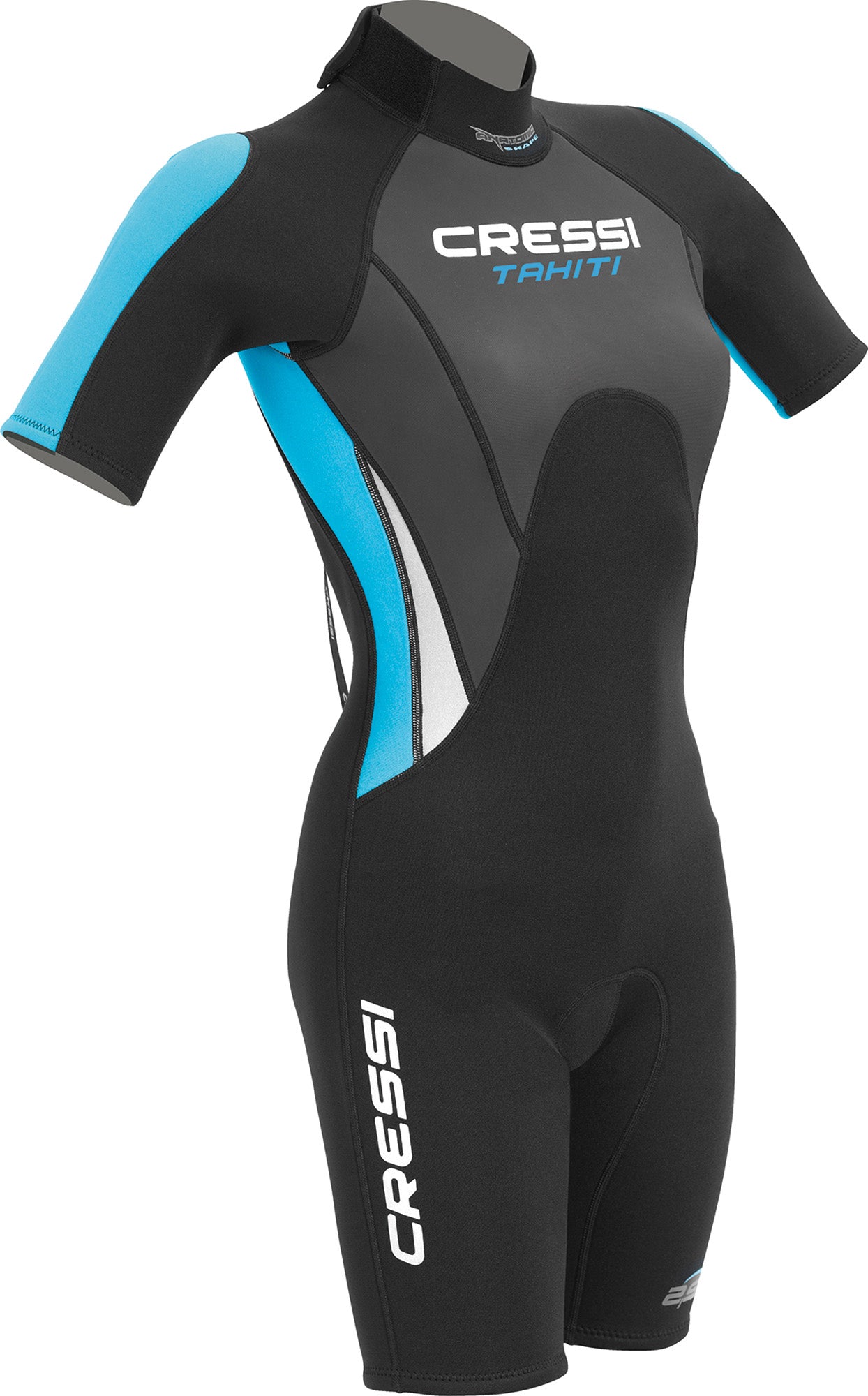
Ready to transform the calories burned into unforgettable memories beneath the waves? Lancaster Scuba is your gateway to the underwater world. With top-notch gear, expert instruction, and exotic travel destinations, we're here to ensure your scuba diving adventures are seamless and extraordinary. Check out our scuba gear and start planning your next dive today. Gear up, dive in, and let the journey begin!


{"one"=>"Select 2 or 3 items to compare", "other"=>"{{ count }} of 3 items selected"}