

Exploring the Depths: Spearfishing in San Diego
Dive into the exhilarating world of spearfishing in San Diego! Discover the best spots, techniques, and gear for an unforgettable underwater adventure.
Read now
The bends, more formally known as decompression sickness (DCS), presents a fascinating blend of science, danger, and the relentless pursuit of underwater exploration. It's a reminder of the ocean's majestic power and the respect it demands from those who dare to explore its depths.
By understanding its causes, symptoms, and prevention methods, we embark on a journey not just to explore the hidden wonders beneath the waves but to do so with safety, respect, and an ever-deepening appreciation for the sport of scuba diving.
The bends, or decompression sickness, is a condition that can affect divers who ascend too quickly from deep water to the surface. It's a phenomenon that underscores the delicate balance required when exploring the underwater world, where the laws of physics and human physiology intertwine in complex ways.
At the heart of decompression sickness lies the relationship between pressure, gases, and the human body. As divers descend, the pressure increases, causing the gases we breathe—primarily nitrogen—to dissolve into our bloodstream and tissues at higher concentrations. This is a perfectly natural process, but problems arise during a rapid ascent, where these gases can form bubbles in the body, leading to the bends.
The severity of the condition can vary, with symptoms ranging from mild joint pain to life-threatening neurological issues. It's a stark reminder of the respect the ocean demands, highlighting the importance of education and proper dive planning.
Decompression is the process of allowing the body to adjust and safely release the excess gases absorbed at depth. This is typically managed through controlled, slow ascents and adhering to dive tables or dive computers that guide divers on how long they can stay at certain depths without requiring decompression stops.
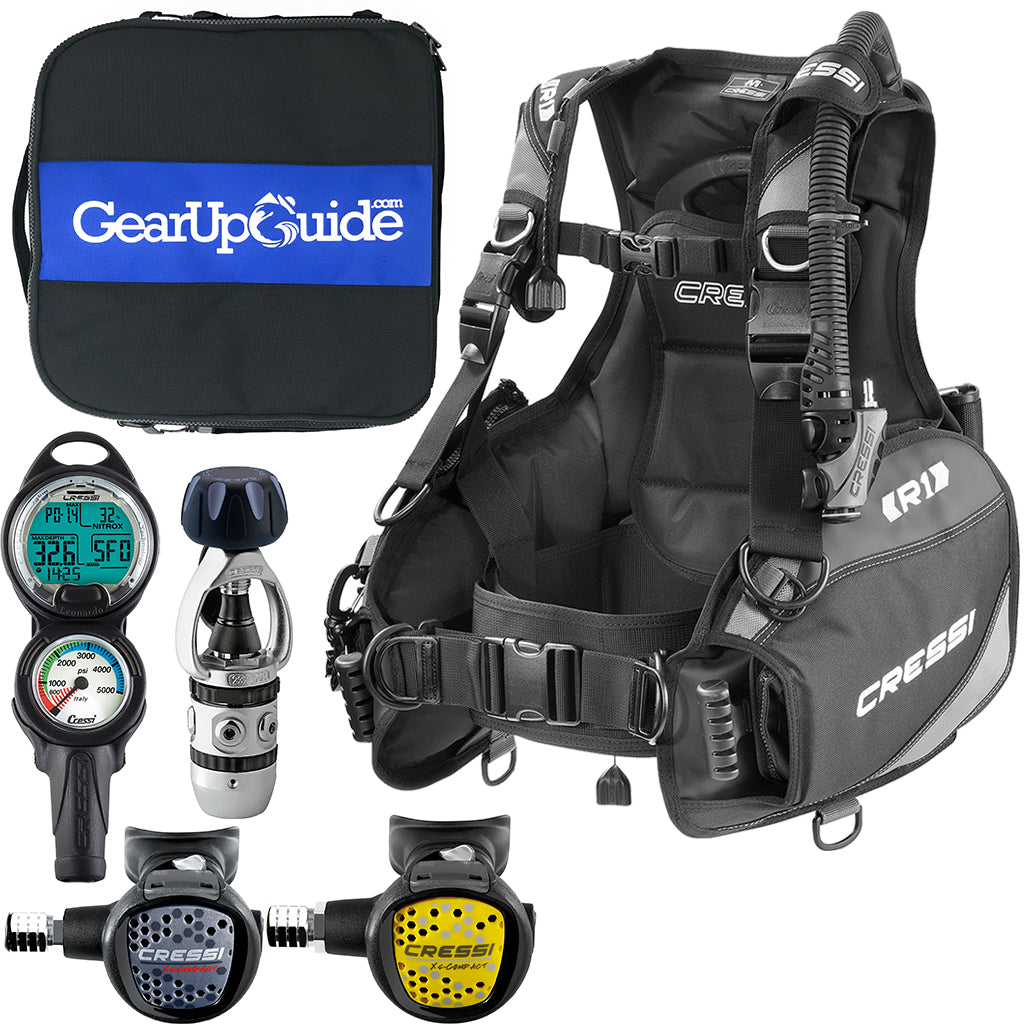
Dive tables and dive computers are indispensable tools for divers, providing crucial information on safe ascent rates and decompression stops. Dive tables, based on extensive research and calculations, offer guidelines for planning dives and managing nitrogen absorption. On the other hand, dive computers provide real-time data during a dive, continuously monitoring nitrogen levels and recommending safe ascent profiles.
Understanding how to interpret and apply the information from dive tables and computers is essential for every diver. It's not just about following guidelines but about internalizing the principles behind safe diving practices, ensuring that each descent and ascent is a calculated, informed maneuver.
Recognizing the symptoms of the bends and knowing how to respond is crucial for every diver. It's a testament to the community's commitment to safety and mutual support, ensuring that every dive is a step towards more profound knowledge and experience.
The bends can manifest in various ways, from the mild discomfort of "the niggles" to more severe symptoms like paralysis or confusion. Joint pain, commonly known as "the bends," is a frequent symptom, alongside dizziness, fatigue, and shortness of breath. These signs can appear within minutes or be delayed for several hours, making vigilance and awareness key to early detection and treatment.
Early detection of decompression sickness symptoms is critical for effective treatment. Divers are encouraged to be vigilant not only during a dive but also in the hours following it, as symptoms can sometimes manifest after surfacing. Any indication of potential DCS should prompt immediate action, including notifying dive partners and seeking medical evaluation.
Responding promptly to symptoms of the bends can significantly impact the outcome, potentially preventing the progression of the condition to more severe stages.
The first step in treating the bends is recognizing the need for immediate medical attention. Administering 100% oxygen and seeking hyperbaric therapy are critical steps. Hyperbaric chambers, which simulate pressure conditions, allow the body to safely eliminate the excess gases that cause DCS.
Every diver's toolkit should include not just gear for exploration but knowledge and resources for handling potential challenges. It's a balance of adventure and responsibility that defines the spirit of scuba diving.
Prevention is the cornerstone of safe diving practices. It's about more than avoiding danger; it's about embracing the full potential of diving as a gateway to adventure, discovery, and connection with the underwater world.
Knowledge is the first line of defense against decompression sickness. Comprehensive dive training programs emphasize the importance of understanding dive physics, physiology, and proper ascent techniques. This education is not just about technical skills but about cultivating a mindset of respect, caution, and curiosity towards the ocean and its mysteries.
Proper dive planning, including the use of dive tables and computers, is essential for managing decompression risk. These tools, when used correctly, guide divers in planning their depth and duration to minimize nitrogen absorption and the need for decompression stops. Additionally, maintaining and understanding one's dive equipment ensures that every adventure under the sea is both safe and exhilarating.
Environmental factors play a significant role in dive safety and the risk of decompression sickness. Water temperature, currents, visibility, and depth all influence the body's response to pressure changes and gas absorption. Divers must be attuned to these variables, adjusting their dive plans and techniques accordingly to mitigate potential risks and enhance their overall diving experience.
By incorporating environmental awareness into dive preparations and decision-making processes, divers can proactively address challenges and optimize their underwater explorations. It's a holistic approach to diving that integrates knowledge, skill, and adaptability, ensuring that each dive is not just an adventure but a harmonious interaction with the marine environment.
Understanding the interconnected nature of diving—where science, technology, and human behavior converge—enriches the experience and fosters a deeper appreciation for the underwater world. The bends, with its blend of danger and intrigue, serves as a powerful reminder of the ocean's vastness and the respect it commands. Yet, it also highlights the incredible potential for adventure, discovery, and camaraderie that scuba diving offers. By approaching diving with the right knowledge, preparation, and respect, divers can safely explore the wonders of the underwater world, turning potential perils into pathways for profound experiences and connections.
As you stand on the brink of your next underwater journey, let Lancaster Scuba be your trusted companion in unraveling the mysteries of the deep. With our extensive selection of scuba gear and expert guidance, you're poised to dive into the ocean's wonders with confidence and safety. Check out our scuba gear to elevate your diving experience to new heights. Dive in with Lancaster Scuba, where your aquatic adventures await.


{"one"=>"Select 2 or 3 items to compare", "other"=>"{{ count }} of 3 items selected"}