

Exploring the Depths: Spearfishing in San Diego
Dive into the exhilarating world of spearfishing in San Diego! Discover the best spots, techniques, and gear for an unforgettable underwater adventure.
Read now
In the vast, blue expanse of the ocean, scuba diving emerges as a gateway to unparalleled adventures, offering a glimpse into an underwater world teeming with life and history. Yet, amidst the allure of exploration lies a phenomenon known to divers as the bends, a condition that weaves caution into the tapestry of underwater adventure. This article delves into the essence of the bends, exploring its causes, symptoms, and preventative measures, guided by the same spirit of education and safety that pioneers like Johnny Walker have championed within the diving community.
At the heart of understanding the bends, formally known as decompression sickness (DCS), lies a journey into the physics and physiology that govern our bodies under the pressure of the deep sea. It's a narrative that underscores the importance of knowledge and preparation in the pursuit of diving adventures.
Decompression sickness occurs when nitrogen, a gas that's dissolved in our body's tissues under the high pressure of deep water, forms bubbles as the pressure decreases during ascent. These bubbles can cause a range of symptoms, from mild aches to life-threatening conditions, depending on where they form and how the body reacts.
The risk of DCS increases with the depth and duration of the dive, underscoring the critical importance of adhering to dive tables and decompression limits. It's a stark reminder that the thrill of discovery must always be balanced with the discipline of safety.
The bends can manifest in myriad ways, from joint pain and rashes to more severe neurological symptoms. Early recognition and response are paramount, as the severity of symptoms can escalate rapidly. This variability in symptoms highlights the importance of thorough dive planning and post-dive monitoring, ensuring that every adventure beneath the waves is approached with caution and respect for the ocean's power.
The narrative of the bends is not one of fear, but of respect and preparation. It's a tale that reinforces the value of education in the diving world, where knowledge becomes the key to unlocking safer, more enjoyable underwater experiences.
Adhering to dive tables, managing dive profiles to avoid rapid ascents, and allowing for adequate surface intervals are foundational practices in the prevention of DCS. These practices are not just rules but are the pillars upon which safe diving adventures are built, ensuring that the story of each dive has a happy ending.
Moreover, the use of dive computers has revolutionized dive planning, offering real-time data that helps divers stay within safe limits. It's a testament to how technology can enhance the diving experience, marrying the thrill of exploration with the assurance of safety.
Monitoring for symptoms of the bends after a dive is as crucial as the dive itself. This vigilance ensures that any signs of DCS are recognized early, allowing for prompt treatment. It's a practice that speaks to the broader culture of care and responsibility that defines the diving community, where the well-being of each diver is a shared priority.
One of the critical aspects of avoiding decompression sickness is ensuring a proper ascent at the end of a dive. As divers ascend, the pressure decreases, and any nitrogen that has been absorbed into the body during the dive can form bubbles. To prevent this, divers must ascend slowly, allowing the nitrogen to be released gradually without forming bubbles that can lead to decompression sickness.
Proper buoyancy control plays a significant role in a safe ascent. Divers should maintain neutral buoyancy and avoid rapid ascents, as these can increase the risk of decompression sickness. By controlling their ascent rate and taking safety stops at prescribed depths, divers can minimize the chances of developing this potentially serious condition.
Safety stops are a crucial part of safe diving practices, especially in preventing decompression sickness. These stops, typically made at depths between 15 to 20 feet for a few minutes, allow the body additional time to off-gas excess nitrogen safely. By incorporating safety stops into their dive profiles, divers add an extra layer of protection against the bends, ensuring a safer and more enjoyable diving experience.
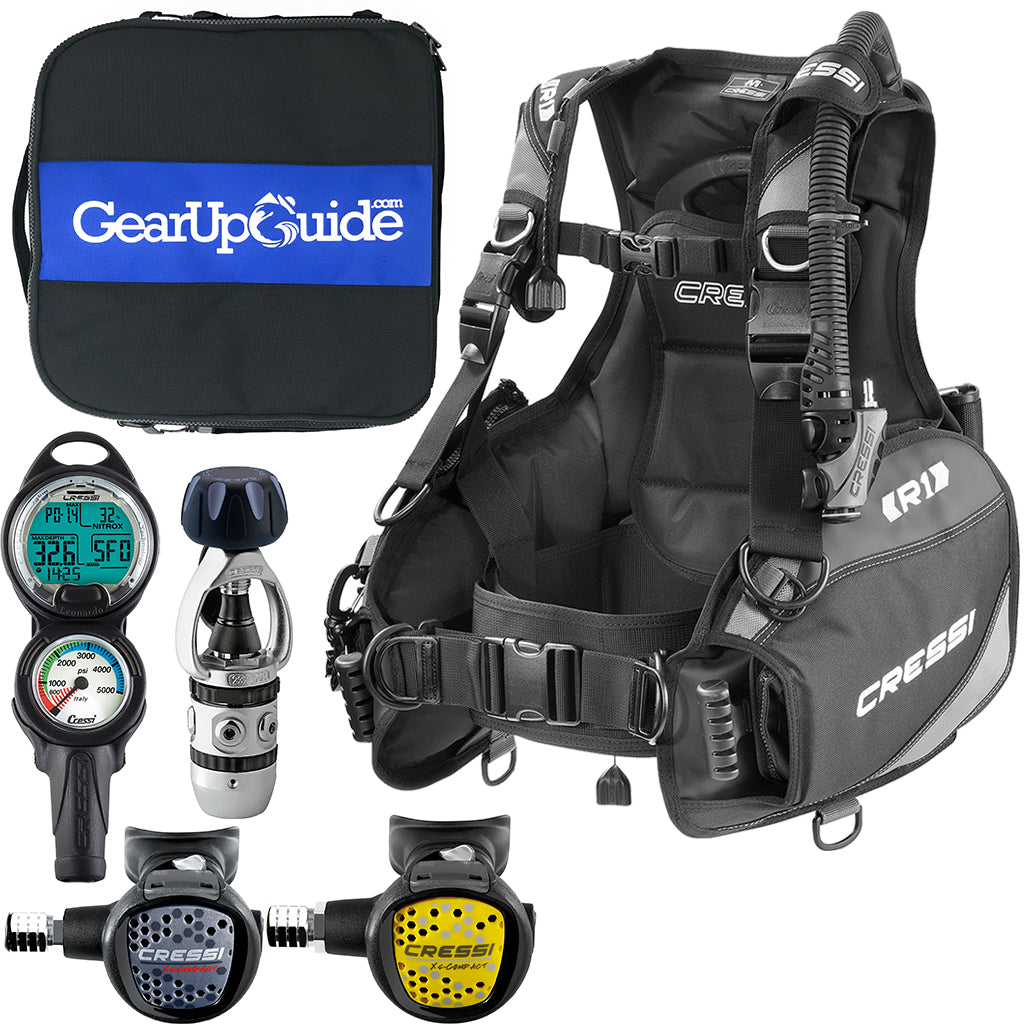
Ensuring that diving equipment is well-maintained is another key aspect of dive safety that can help prevent decompression sickness. Malfunctioning equipment can lead to unsafe diving conditions, increasing the risk of accidents and injuries, including decompression sickness.
Regular equipment inspections, servicing, and following manufacturer guidelines for maintenance are essential practices for divers. By taking care of their gear and ensuring it is in optimal working condition, divers can minimize the likelihood of encountering issues that could compromise their safety underwater.
Having a well-thought-out emergency action plan is vital for dive safety. In the event of an emergency, such as a diver showing symptoms of decompression sickness, having clear protocols in place can help ensure a swift and effective response. Divers should familiarize themselves with emergency procedures, including how to provide assistance to an affected diver and how to initiate emergency services if needed.
In the event that a diver does experience the bends, the role of hyperbaric oxygen therapy becomes paramount. This treatment, which involves breathing pure oxygen in a pressurized chamber, is the most effective way to reduce the bubbles that cause DCS, highlighting the importance of access to medical care in dive planning.
Hyperbaric chambers simulate the high-pressure environment of deep water, allowing the body to reabsorb nitrogen bubbles more safely. It's a fascinating intersection of medicine and diving science, offering a lifeline back to health and safety for affected divers.
The bends, while a serious consideration, should not deter the spirit of adventure that calls divers to the sea. Instead, it serves as a reminder of the importance of education, preparation, and respect for the natural laws that govern our underwater explorations. By embracing these principles, divers can continue to pursue the thrill of discovery, armed with the knowledge and practices that ensure their adventures are both safe and fulfilling.
In the end, the story of the bends in scuba diving is one of balance—between the call of adventure and the heed of caution. It's a narrative that resonates deeply within the diving community, echoing the ethos of pioneers like Johnny Walker, who have always championed the blend of passion, expertise, and safety. As we dive deeper into the mysteries of the ocean, let us carry forward this legacy, ensuring that our underwater journeys are marked not only by the wonders we discover but by the care and respect with which we explore.
As you seek the balance between the thrill of underwater exploration and the importance of diving safely, let Lancaster Scuba be your trusted partner. With our extensive selection of top-quality gear, expert diving instruction, and exciting travel opportunities, we are dedicated to enhancing your diving experiences. Embrace the adventure with confidence by checking out our scuba gear, and let us help you prepare for a journey that's as safe as it is unforgettable. Gear up, dive in, and travel far with Lancaster Scuba—where your underwater adventures begin.


{"one"=>"Select 2 or 3 items to compare", "other"=>"{{ count }} of 3 items selected"}