

Exploring the Depths: Spearfishing in San Diego
Dive into the exhilarating world of spearfishing in San Diego! Discover the best spots, techniques, and gear for an unforgettable underwater adventure.
Read now
In the vast expanse of the ocean's embrace, there lies an activity that combines the thrill of the hunt with the beauty of the underwater world—spearfishing. This ancient practice, which has evolved over centuries from a means of survival to a sport brimming with adventure and camaraderie, offers more than just the pursuit of fish. It invites individuals to explore the depths, to understand the marine ecosystem, and to engage in a sport that is as challenging as it is rewarding.
Spearfishing is not merely an activity; it's a journey into the heart of the sea, where the hunter becomes part of the aquatic environment. It's a sport that demands skill, patience, and respect for the ocean's inhabitants. But what exactly is spearfishing used for in today's world, where grocery stores and fish markets are aplenty?
Historically, spearfishing was a method of sustenance. Ancient civilizations relied on this technique to catch fish for their communities, using rudimentary spears crafted from wood and bone. This method of fishing allowed early humans to thrive in coastal regions and along riverbanks, where seafood was a staple of their diet.
Today, while the tools and techniques have significantly advanced, the essence of spearfishing remains rooted in the primal connection between humans and the sea. Modern spearfishers, equipped with pneumatic and band-powered spearguns, still feel the age-old thrill of the hunt, a testament to the sport's enduring appeal.
One of the most compelling aspects of spearfishing is its role in promoting sustainable fishing practices. Unlike commercial fishing methods that often result in overfishing and bycatch, spearfishing allows individuals to target specific species, reducing unnecessary harm to marine populations. This selective approach helps maintain ecological balance and supports the conservation of marine biodiversity.
Furthermore, spearfishers typically adhere to strict regulations regarding size, species, and quantity, further minimizing their impact on the marine environment. This conscientious approach to fishing underscores the community's commitment to preserving the ocean for future generations.
For many, spearfishing is a gateway to adventure, offering unparalleled opportunities to explore underwater landscapes. From coral reefs teeming with life to the haunting beauty of sunken ships, the ocean floor is a world waiting to be discovered. Each dive is a unique journey, with challenges and surprises that test the skill and resolve of the spearfisher.
The thrill of navigating through kelp forests or the adrenaline rush of encountering a school of predatory fish adds layers of excitement to the spearfishing experience. It's not just about the catch; it's about the stories, the close calls, and the moments of awe that come with diving into the unknown.
While spearfishing offers a path to adventure, it also demands a high level of responsibility and awareness. Safety and education are paramount, ensuring that each dive is not only successful but also respectful of the marine environment and its inhabitants.
Before embarking on a spearfishing journey, it's crucial for individuals to receive proper training. This includes learning about dive safety, underwater navigation, and the correct use of spearfishing gear. Knowledge of first aid and rescue techniques is also essential, preparing divers to handle potential emergencies.
Many spearfishing communities and organizations offer courses and certifications that cover these topics, emphasizing the importance of being well-prepared before diving in. This education not only enhances the safety of the spearfisher but also contributes to a more enjoyable and respectful interaction with the marine environment.
Education in spearfishing extends beyond safety and technique; it also encompasses an understanding of marine biology and ecology. Spearfishers must recognize the significance of the species they target, including their role in the ecosystem and their population status. This knowledge informs responsible fishing practices, ensuring that spearfishing remains a sustainable activity.
Moreover, by learning about the behavior and habitats of marine life, spearfishers can minimize their impact on the underwater world. This respect for the ocean and its inhabitants is a fundamental principle of the spearfishing community, reflecting a deep appreciation for the natural world.
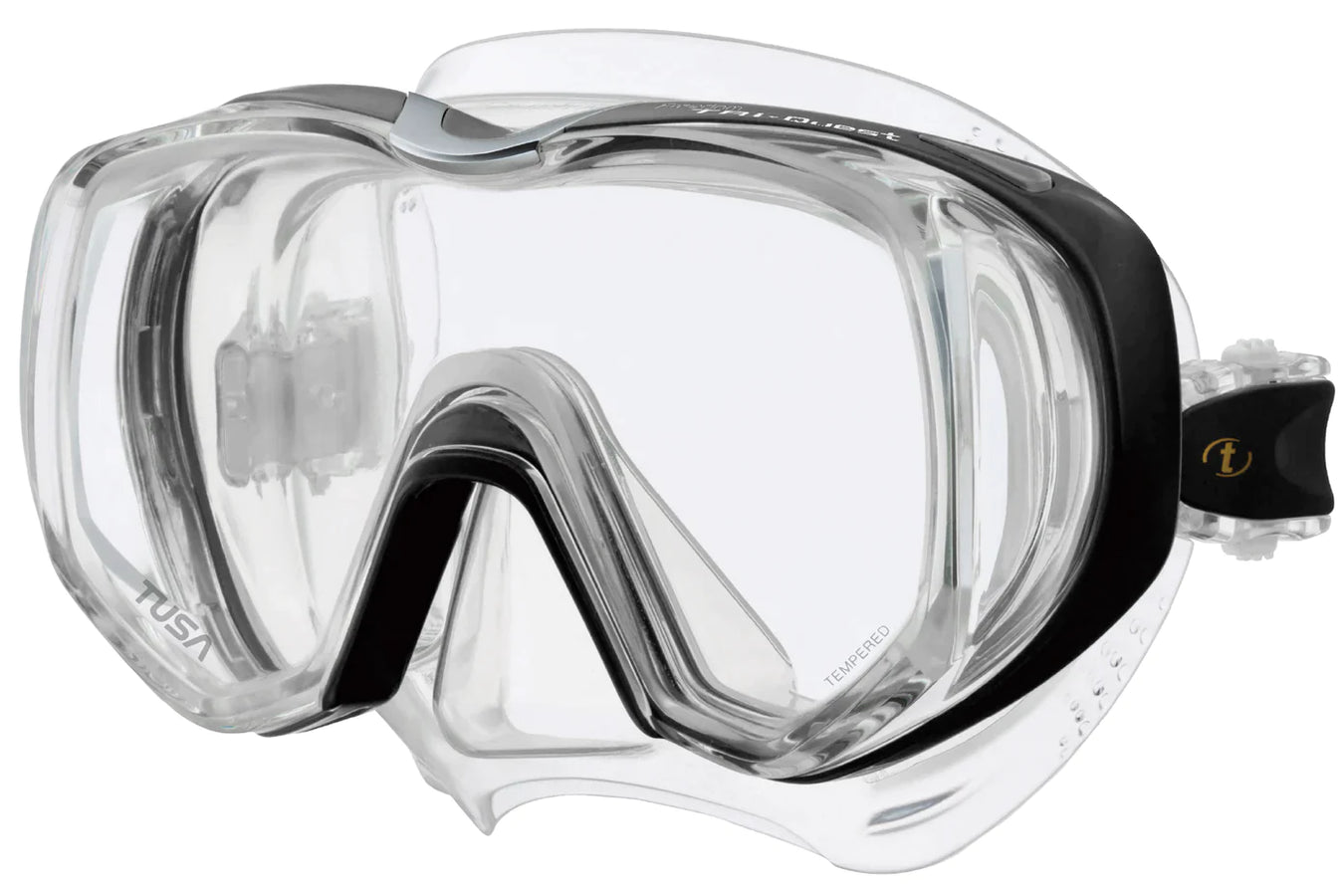
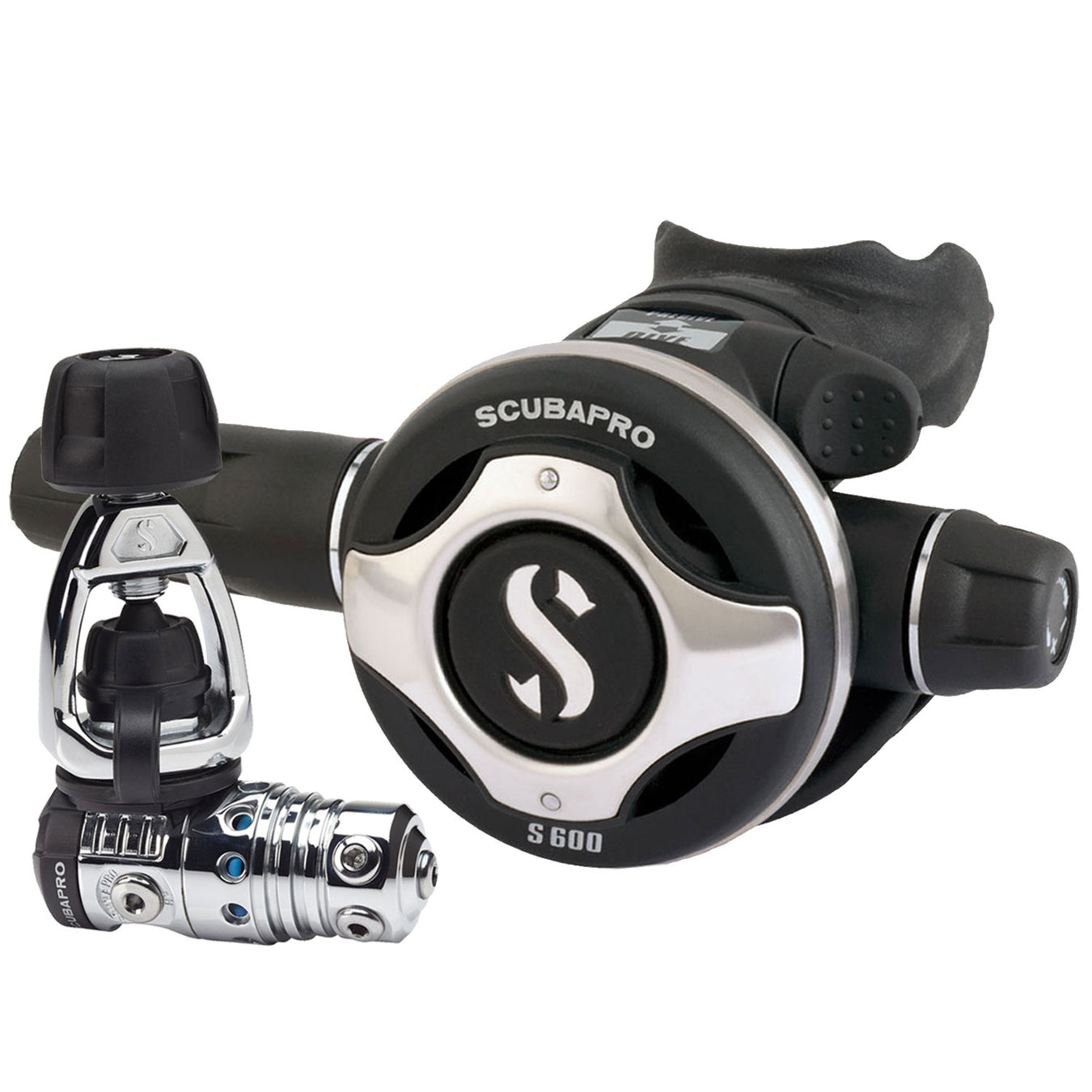
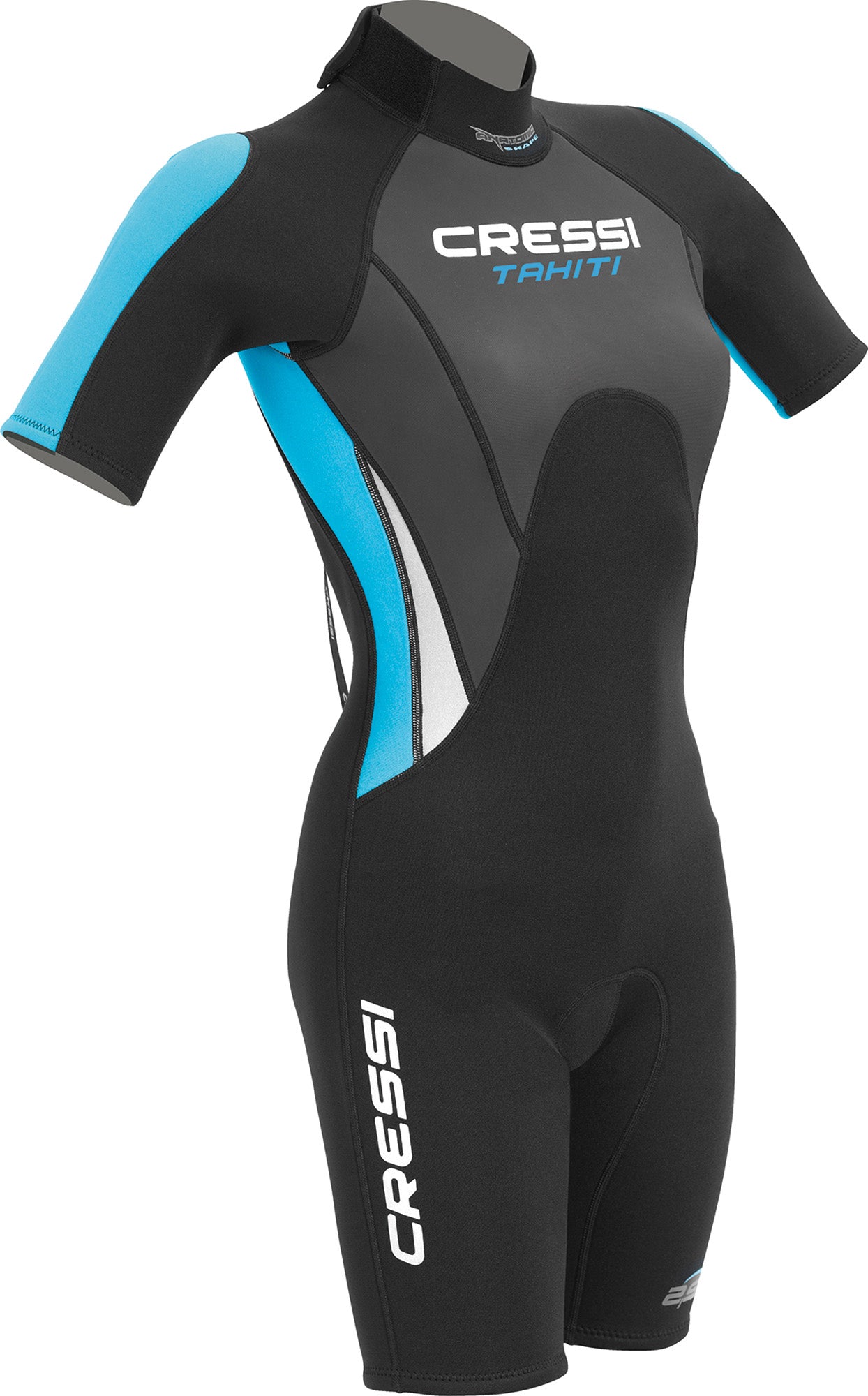
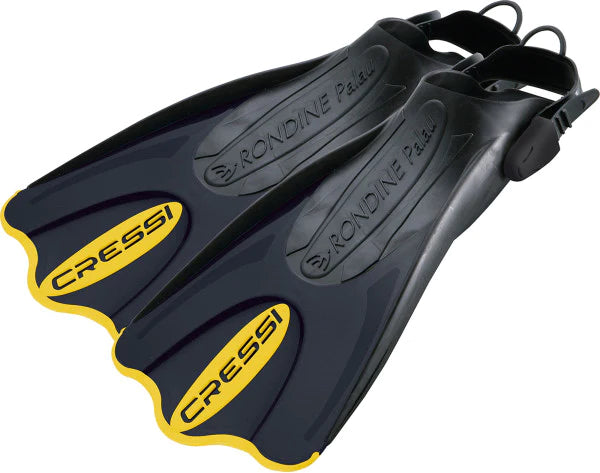
When it comes to spearfishing, the right equipment can make all the difference. Spearfishers rely on a variety of gear to enhance their diving experience and improve their chances of a successful catch. From spearguns to wetsuits, each piece of equipment plays a crucial role in the diver's ability to navigate the underwater environment and target fish effectively.
Spearguns come in different types, including pneumatic, band-powered, and even Hawaiian slings. The choice of speargun depends on the diver's skill level, the type of fish being targeted, and the diving conditions. Some spearfishers prefer the simplicity of a Hawaiian sling for its quiet operation and ease of use, while others opt for the power and range of a pneumatic speargun for larger game fish.
Wetsuits are essential for maintaining body temperature and protecting against abrasions while diving. Depending on the water temperature, spearfishers may choose between wetsuits of varying thicknesses, from thin skins for tropical waters to full-body suits for colder climates. Additionally, weight belts help divers achieve neutral buoyancy, allowing for smoother descents and ascents during dives.
Proper maintenance of spearguns is crucial to ensure their reliability and performance underwater. Regular cleaning and lubrication of the trigger mechanism prevent malfunctions that could compromise safety during dives. Inspecting the bands or pneumatic components for wear and tear is also essential to avoid equipment failure while hunting fish.
Spearguns should be stored in a cool, dry place away from direct sunlight to prevent damage to rubber components and metal parts. Before each dive, spearfishers should check the speargun for any signs of corrosion or deterioration and make any necessary repairs or replacements. By taking care of their equipment, divers can enjoy a seamless and successful spearfishing experience.
Successful spearfishing requires more than just the right gear; it also demands skill, patience, and an understanding of underwater hunting techniques. Spearfishers employ various strategies to approach and target fish effectively, maximizing their chances of a successful catch while minimizing disturbances to the marine environment.
One common technique used in spearfishing is stalking, where divers move stealthily through the water to get within range of their target fish. By controlling their movements and minimizing disturbances, spearfishers can increase their chances of a precise shot and a clean kill. Stalking requires patience and observation, as divers must anticipate the behavior of their prey to position themselves for a successful hunt.
Another popular strategy is ambush hunting, where spearfishers wait in a concealed position for fish to approach before taking the shot. This technique is effective for targeting cautious or elusive species that may be spooked by a diver's presence. By remaining still and blending into the surroundings, spearfishers can surprise their prey and increase their chances of a successful hunt.
Accuracy is key in spearfishing, and proper shot placement is essential for a humane and efficient kill. Spearfishers aim for vital organs or the head of the fish to ensure a quick and ethical harvest. Targeting these areas not only minimizes the suffering of the fish but also prevents unnecessary damage to the meat, preserving its quality for consumption.
Understanding the anatomy of the fish being targeted is crucial for determining the best shot placement. Different species have varying vulnerabilities, and spearfishers must adapt their aim accordingly to achieve a clean and effective kill. By honing their shot placement skills through practice and experience, divers can improve their success rate and become more proficient hunters.
As stewards of the ocean, spearfishers have a responsibility to protect and preserve the marine environment. Environmental awareness is a core principle of spearfishing, guiding divers to make informed decisions that minimize their impact on fragile ecosystems and contribute to the conservation of marine resources.
One way spearfishers practice environmental awareness is by adhering to sustainable fishing practices. By targeting only legal-sized fish and respecting catch limits, divers help maintain healthy fish populations and prevent overfishing. Additionally, releasing non-target species unharmed and avoiding sensitive habitats like coral reefs demonstrate a commitment to preserving the marine environment.
Participating in beach cleanups and marine conservation initiatives is another way spearfishers can give back to the ocean. By removing marine debris and promoting environmental education, divers contribute to the health and vitality of marine ecosystems, ensuring that future generations can continue to enjoy the wonders of the underwater world.
Building a strong and supportive spearfishing community is essential for fostering a culture of conservation and camaraderie. Spearfishers often come together to share knowledge, experiences, and resources, creating a network of like-minded individuals dedicated to the sport and the preservation of the marine environment.
Community engagement extends beyond the dive site, with spearfishing clubs and organizations organizing events, competitions, and educational programs to promote responsible fishing practices and environmental stewardship. By collaborating with local authorities and conservation groups, spearfishers can advocate for policies that protect marine habitats and ensure sustainable fishing opportunities for future generations.
Spearfishing is more than a method of catching fish; it's an adventure that connects individuals to the primal beauty of the ocean. It offers a unique blend of thrill, challenge, and respect for nature, embodying the spirit of exploration and conservation. Whether it's the pursuit of a specific catch, the joy of underwater exploration, or the commitment to sustainable practices, spearfishing provides a meaningful and enriching experience for those who dive into its depths.
As we continue to explore the vast and mysterious world beneath the waves, spearfishing remains a testament to the human spirit's desire for adventure and its capacity for stewardship of the natural world. It's a journey of discovery, not just of the ocean's treasures, but of our own potential to engage with the environment in a respectful and sustainable way.
Ready to dive into the exhilarating world of spearfishing and embrace the ocean's call? Lancaster Scuba is your trusted partner in this aquatic journey. With our extensive selection of scuba and water sports gear, expert diving instruction, and thrilling dive trips, we're here to ensure your underwater adventures are unforgettable. Check out our scuba gear and join a community passionate about Gear. Dive. Travel. Let's make your next dive a Lancaster Scuba experience.


{"one"=>"Select 2 or 3 items to compare", "other"=>"{{ count }} of 3 items selected"}