

Exploring the Depths: Spearfishing in San Diego
Dive into the exhilarating world of spearfishing in San Diego! Discover the best spots, techniques, and gear for an unforgettable underwater adventure.
Read now
In the vast, blue expanse of our planet's oceans, there lies a world teeming with life and mysteries waiting to be explored. For those drawn to the allure of the underwater realm, scuba diving and snorkeling offer gateways to adventures that are as enriching as they are exhilarating. But what exactly indicates an activity as scuba diving or snorkeling? Let's dive deeper into the essence of these aquatic adventures, understanding their unique characteristics, safety protocols, and the boundless opportunities they present for exploration and connection.
At the heart of underwater exploration are two activities that, while similar in their pursuit of aquatic discovery, differ fundamentally in technique, equipment, and the experiences they offer. Scuba diving and snorkeling are both thrilling ways to encounter the ocean's wonders, but understanding their distinct features is essential for anyone looking to embark on these adventures.
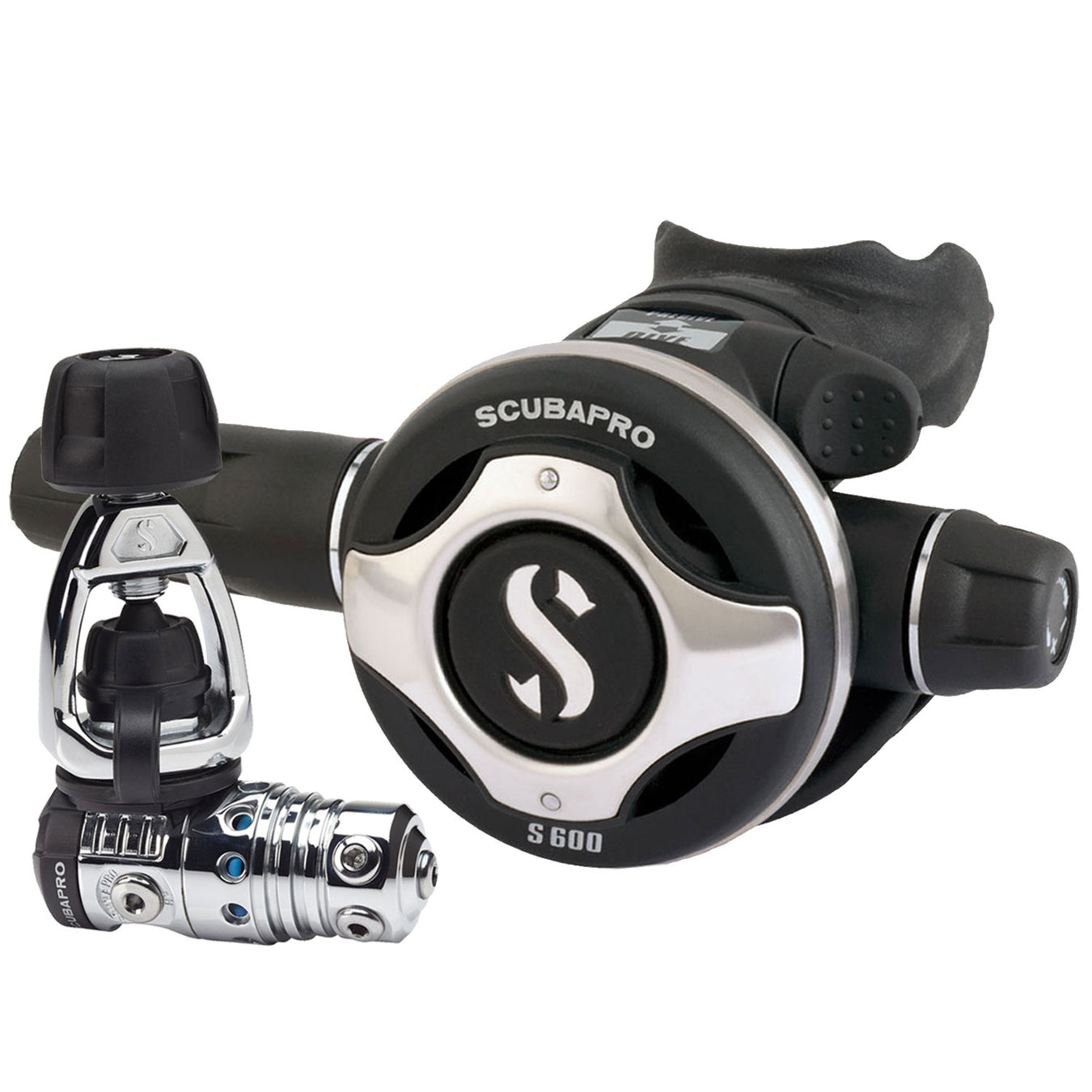
Scuba diving is an activity that allows individuals to go beneath the ocean's surface to explore for extended periods, thanks to the use of self-contained underwater breathing apparatus (SCUBA). This equipment, which includes a tank of compressed air or a mix of gases, a regulator, and a buoyancy control device (BCD), enables divers to breathe underwater and adjust their buoyancy to navigate the depths.
The allure of scuba diving lies in its ability to transport individuals to a world vastly different from our own, where gravity seems to hold no sway, and the silence is punctuated only by the sound of one's own breathing. From exploring coral reefs teeming with colorful marine life to discovering sunken ships that whisper tales of the past, scuba diving offers an unparalleled adventure into the unknown.
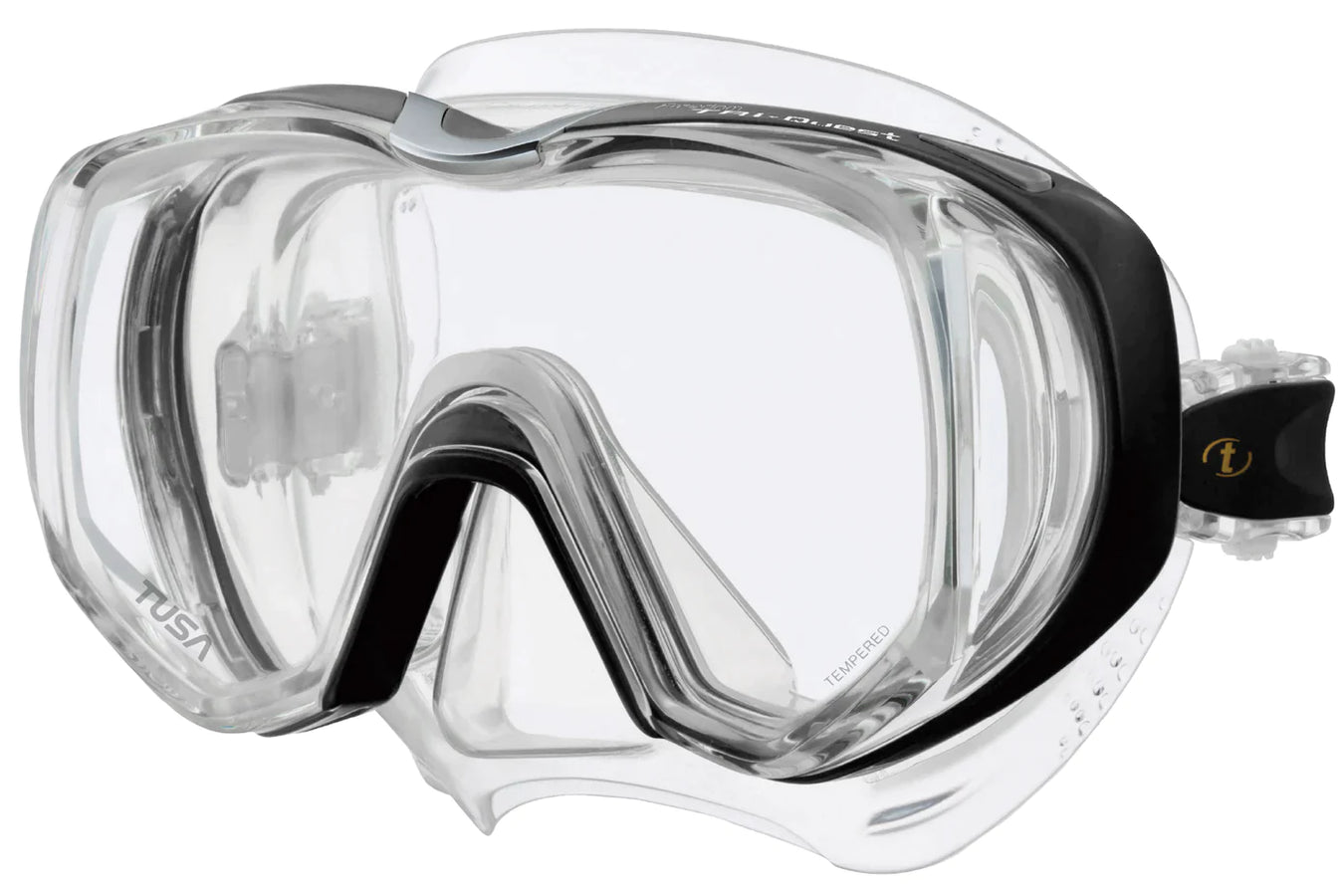
Snorkeling, on the other hand, is a more accessible and less equipment-intensive way to observe the underwater world. It involves swimming at the surface of the water while equipped with a snorkel (a breathing tube) and a mask that allows for clear vision underwater. Fins are often used to aid in swimming. Unlike scuba diving, snorkeling does not require extensive training or certification, making it a popular choice for casual adventurers and families looking to experience the ocean's beauty.
While snorkeling may not offer the same depth of exploration as scuba diving, it still provides a magical experience. Floating effortlessly on the ocean's surface, snorkelers can gaze down upon vibrant coral reefs, schools of darting fish, and even the occasional sea turtle gliding gracefully below. It's a peaceful, meditative activity that connects individuals with the majesty of the marine environment.
Embarking on underwater adventures, whether through scuba diving or snorkeling, requires a commitment to safety. The ocean, for all its beauty, is an environment that demands respect and preparation. Understanding and adhering to safety protocols can ensure that every dive or snorkel session is not only enjoyable but also secure.
Scuba diving, given its technical nature and the environments it explores, has comprehensive safety protocols. Before taking the plunge, divers must undergo training and certification through accredited organizations. This education covers essential skills such as buoyancy control, underwater navigation, and emergency procedures. Divers learn to check their equipment meticulously, plan their dives, and never dive alone, adhering to the buddy system for mutual safety.
Moreover, understanding the effects of increased pressure underwater, such as nitrogen narcosis and decompression sickness, is crucial. Divers are taught to ascend slowly and perform safety stops to allow excess nitrogen to safely leave the body. Regular health checks and staying within one's certified depth limits are also fundamental to safe diving practices.
While snorkeling is less technically demanding than scuba diving, it still requires awareness and preparation. Snorkelers should always snorkel with a buddy and stay within their comfort zone, especially when swimming in areas with strong currents or deeper water. Checking equipment before entering the water, staying hydrated, and protecting oneself from the sun with reef-safe sunscreen are also key safety tips.
Additionally, snorkelers should be mindful of their environment, avoiding contact with coral and marine life to preserve the delicate underwater ecosystems. Being aware of local regulations and conservation efforts can enhance the snorkeling experience while contributing to the protection of marine habitats.
One of the most captivating aspects of scuba diving and snorkeling is the opportunity to witness the diverse and vibrant marine life that inhabits the oceans. From tiny, colorful fish darting among coral formations to majestic sea turtles gliding gracefully through the water, every underwater excursion offers a chance to encounter fascinating creatures in their natural habitat.
Scuba divers, with their ability to explore greater depths and stay submerged for longer periods, often have the privilege of encountering larger marine species such as sharks, rays, and even dolphins. These awe-inspiring creatures inspire a sense of wonder and respect for the ocean's ecosystems, reminding divers of the importance of conservation and responsible interaction with marine life.
Snorkelers, while limited to the surface or shallow depths, still have the opportunity to observe an array of marine species up close. Schools of tropical fish, graceful sea stars, and intricate coral formations create a mesmerizing underwater world that captivates the imagination and nurtures a deep appreciation for the interconnectedness of all life in the ocean.
As we venture into the ocean's realm, it is essential to approach marine life with respect and mindfulness. Avoiding touching or disturbing animals, maintaining a safe distance, and refraining from feeding wildlife are crucial practices to ensure the well-being of marine species and the preservation of their habitats.
Conservation organizations and marine parks around the world work tirelessly to protect vulnerable species and ecosystems, and by following guidelines for responsible diving and snorkeling, enthusiasts can contribute to these efforts. By fostering a culture of respect and stewardship for the ocean, we can help safeguard its wonders for future generations to enjoy.
One of the joys of exploring the underwater world is the opportunity to capture its beauty through photography. Whether you're a seasoned diver with professional equipment or a casual snorkeler armed with a waterproof camera, underwater photography allows you to immortalize the enchanting scenes you encounter beneath the waves.
Scuba divers, equipped with specialized underwater cameras and lighting systems, can capture stunning images of marine life, coral reefs, and underwater landscapes with remarkable clarity and detail. From macro photography that reveals the intricate patterns of tiny sea creatures to wide-angle shots that showcase the vastness of the ocean, underwater photographers have a wealth of subjects to explore.
Snorkelers, too, can partake in underwater photography using compact cameras or even smartphones in waterproof housings. While snorkeling may limit the depth and range of subjects compared to scuba diving, it offers unique perspectives on the shallower regions of the ocean, where sunlight dances on the surface and colorful fish abound.
Whether you're a novice or experienced underwater photographer, there are several tips to enhance your skills and capture memorable images. Understanding the principles of light underwater, adjusting white balance settings, and practicing buoyancy control to maintain stability while shooting are essential techniques for achieving great results.
Patience and observation are key virtues in underwater photography, as marine life can be unpredictable and fleeting. By taking the time to study your subjects, anticipate their movements, and compose your shots thoughtfully, you can create images that convey the magic and wonder of the underwater world.
The call of the ocean is irresistible to those with a spirit of adventure and a love for the natural world. Scuba diving and snorkeling are not just recreational activities; they are invitations to explore, to learn, and to connect with the planet in a profound way.
Whether you're drawn to the comprehensive exploration that scuba diving offers or the serene simplicity of snorkeling, the first step is choosing the path that resonates with you. Consider your interests, your level of commitment, and what you hope to gain from the experience. Both activities offer a wealth of opportunities for adventure, discovery, and personal growth.
For those ready to take the plunge into scuba diving, seeking out a reputable dive center for training and certification is the first step. For snorkelers, equipping yourself with quality gear and perhaps taking a guided tour can enhance your experience. Regardless of your choice, the underwater world awaits with open arms.
As we explore the depths of the oceans, we also become stewards of this incredible environment. Scuba diving and snorkeling offer unique perspectives on the importance of marine conservation, highlighting the beauty of the underwater world and the urgent need to protect it. Through these activities, we forge a deeper connection with nature, understanding our role in its preservation.
Every dive or snorkel is an opportunity to witness the wonders of the ocean, to learn from its inhabitants, and to carry the message of conservation above the surface. It's a journey that enriches our lives, broadens our horizons, and inspires us to advocate for the protection of our planet's most precious resource—the ocean.
In the end, whether through the lens of a scuba mask or the view from a snorkel tube, the experiences garnered beneath the waves are transformative. They remind us of the adventure that lies in exploration, the joy of discovery, and the profound connection we share with the natural world. So, take a breath, dive in, and let the ocean's mysteries unfold before you.
Ready to unlock the mysteries of the ocean and experience the thrill of scuba diving and snorkeling? Lancaster Scuba is your gateway to the underwater world. With our extensive selection of gear, expert diving instruction, and exciting travel opportunities, you're set for a seamless dive experience. Whether you're just starting out or looking to expand your skills with specialty courses, we have everything you need. Check out our scuba gear and embark on your next aquatic adventure today!


{"one"=>"Select 2 or 3 items to compare", "other"=>"{{ count }} of 3 items selected"}