

Exploring the Depths: Spearfishing in San Diego
Dive into the exhilarating world of spearfishing in San Diego! Discover the best spots, techniques, and gear for an unforgettable underwater adventure.
Read now
In the vast, blue expanse of the ocean, where adventure beckons and the heart races with anticipation, lies not just an opportunity for exploration but a journey towards personal health and fitness. Scuba diving, a sport synonymous with discovery and exhilaration, offers more than just visual splendor and serenity beneath the waves. It is a physical activity that challenges the body, engages the mind, and, as many enthusiasts might not fully realize, burns calories in a way that is both effective and enjoyable.
At the heart of scuba diving's appeal is its ability to blend physical exertion with the sheer pleasure of exploring the underwater world. But how does this translate into caloric burn, and what factors influence this aspect of the sport?
Scuba diving is unique among physical activities. The resistance of water, combined with the effort required to maneuver with diving gear, contributes to a higher energy expenditure compared to many land-based activities. The act of diving itself, encompassing everything from finning against currents to maintaining buoyancy, engages multiple muscle groups, thereby increasing the overall caloric burn.
Statistics indicate that an average dive can burn as many as 400 to 500 calories per hour. This figure, however, is subject to variation based on several factors, including the diver's weight, the temperature of the water, and the intensity of the dive.
The caloric expenditure during a dive is not a static number; it is influenced by a myriad of factors that can either increase or decrease the amount of energy a diver uses.
Diver's Physical Characteristics: A diver's weight and body composition play significant roles in determining how many calories are burned during a dive. Heavier individuals tend to burn more calories due to the increased effort required to move through the water.
Water Temperature: Cold water diving requires the body to work harder to maintain its core temperature, thus increasing caloric burn. This is why dives in colder environments may lead to a higher energy expenditure compared to those in warmer waters.
Dive Conditions: The presence of strong currents, the effort of swimming long distances, or navigating through complex underwater terrains can also amplify the amount of energy a diver uses, thereby affecting the caloric burn.
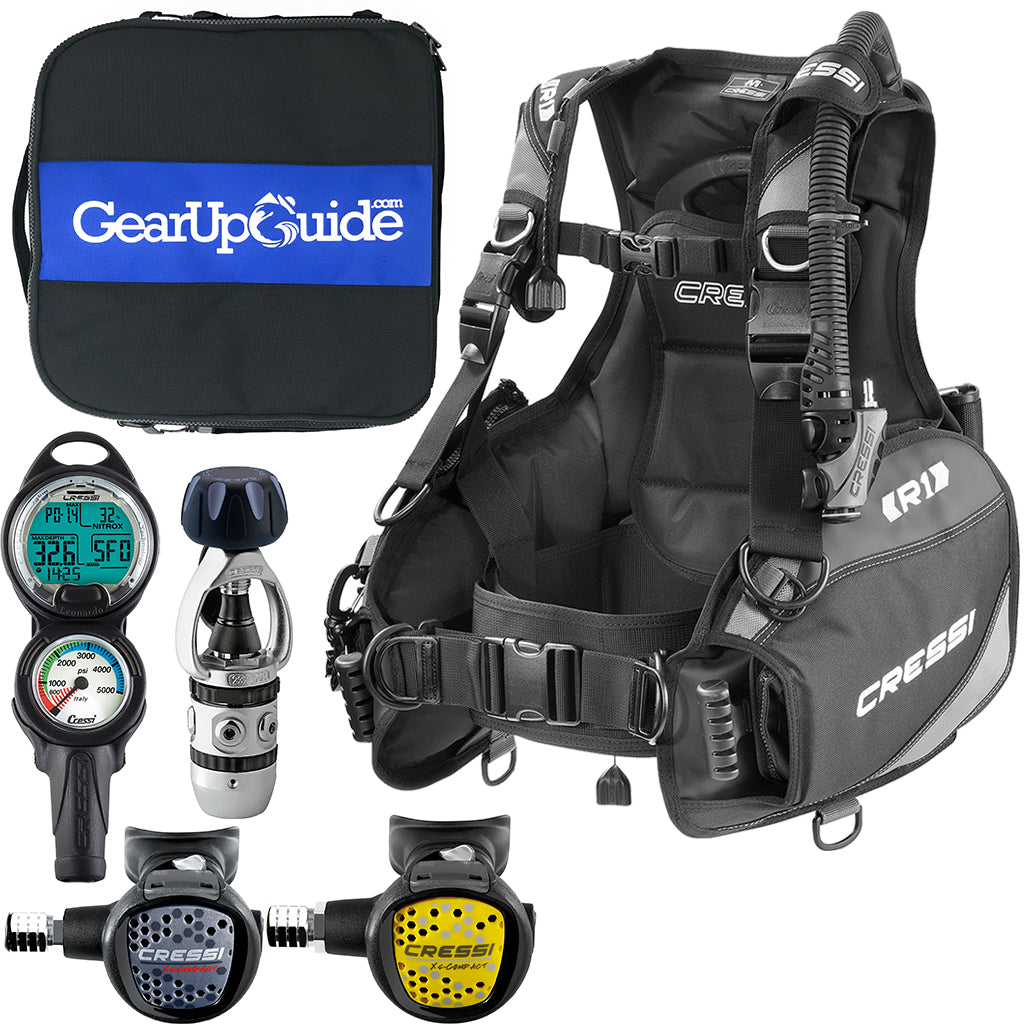
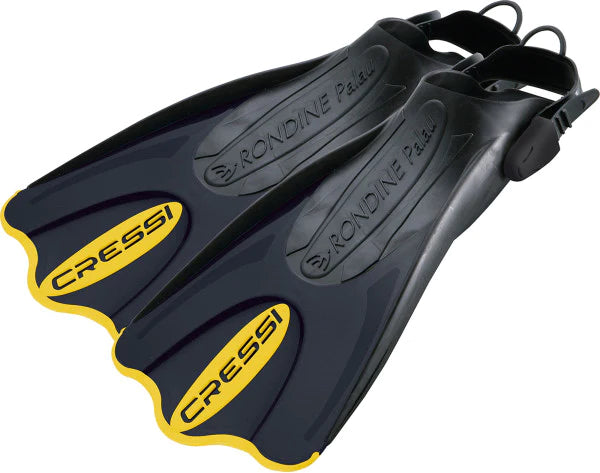
Another crucial aspect influencing the caloric burn of scuba diving is the type and quality of equipment used. Bulkier gear can add resistance and weight, thereby increasing the energy expenditure required to move through the water. Properly fitting gear that is streamlined and well-maintained can optimize the diver's efficiency underwater, potentially affecting the overall caloric burn.
Beyond the adventure and the thrill of discovering the mysteries of the deep, scuba diving offers a plethora of health benefits, making it a holistic activity that nurtures both the body and the soul.
Scuba diving is an excellent cardiovascular workout. The effort required to fin, especially against currents, increases heart rate and promotes better blood circulation, strengthening the cardiovascular system over time.
Moreover, the breathing techniques used in diving, aimed at efficient air consumption, can also enhance lung capacity and improve overall respiratory health.
The underwater environment presents a resistance which is significantly greater than that of air. Regular diving can lead to improved muscle strength, particularly in the legs, back, and core, as these are the primary areas engaged during a dive. Additionally, maneuvering through the water and handling the gear can enhance flexibility and dexterity.
Perhaps one of the most profound benefits of scuba diving is its ability to reduce stress. The rhythmic nature of breathing underwater, combined with the mesmerizing tranquility of the marine world, can induce a state of calm and relaxation akin to meditation.
While the caloric burn of scuba diving is a compelling aspect of the sport, it is essential to approach this element with safety and health in mind.
Given the physical demands of diving, maintaining proper hydration and nutrition before and after dives is crucial. Divers should ensure they are well-hydrated and have consumed adequate calories to sustain their energy levels throughout the dive.
Ignoring these aspects can lead to decreased performance, increased risk of decompression sickness, and other health complications.
Every diver's body responds differently to the physical demands of diving. It is important to listen to one's body and recognize signs of fatigue or discomfort. Pushing beyond one's limits can lead to accidents and injuries, negating the health benefits of the sport.
Effective dive planning not only enhances safety underwater but also contributes to optimizing the caloric burn during a dive. By strategizing the route, considering factors such as currents and dive duration, divers can ensure a more efficient and beneficial workout while minimizing risks associated with exhaustion or inadequate energy levels.
Aside from the physical health advantages, scuba diving offers a unique opportunity to connect with marine life and experience the mental benefits of underwater exploration.
Engaging with the underwater environment fosters a sense of responsibility towards marine conservation. Divers often develop a deeper appreciation for the delicate ecosystems beneath the surface, leading to increased awareness and advocacy for protecting marine life and habitats.
Immersing oneself in the underwater world requires focus, presence, and adaptability. These qualities, essential for safe and enjoyable diving, also translate into everyday life, promoting emotional resilience and mindfulness. The meditative aspects of diving can help reduce anxiety, improve mental clarity, and enhance overall well-being.
In conclusion, scuba diving is not just an adventure sport; it is a journey towards better health and fitness. The calories burned during a dive are a testament to the physical demands and benefits of the sport. However, it is the combination of these health benefits with the unparalleled joy of exploring the underwater realm that makes scuba diving a truly holistic activity. As divers, we not only discover the mysteries of the deep but also unlock the potential for a healthier, more vibrant life.
Now that you've unlocked the secret to burning calories and enhancing your well-being through scuba diving, it's time to gear up for your next underwater adventure. Lancaster Scuba is your one-stop destination for all your diving needs, from top-notch equipment to expert instruction and exciting travel opportunities. Whether you're just starting out or looking to expand your diving horizons, we've got you covered. Check out our scuba gear and take the plunge into a healthier, more vibrant life with us. Gear. Dive. Travel. – your journey begins here!


{"one"=>"Select 2 or 3 items to compare", "other"=>"{{ count }} of 3 items selected"}