

Exploring the Depths: Spearfishing in San Diego
Dive into the exhilarating world of spearfishing in San Diego! Discover the best spots, techniques, and gear for an unforgettable underwater adventure.
Read now
In the vast expanse of the ocean, there lies a world teeming with life and color, a world that beckons the adventurous at heart to explore its depths. Snorkeling, a sport that combines the thrill of underwater exploration with the simplicity of swimming, offers a window into this mesmerizing underwater realm. This guide delves into the intricacies of snorkeling, from its basic principles to the safety measures that ensure every adventure is not only exhilarating but also secure.
At its core, snorkeling is about bridging the gap between two worlds—the airy expanse above the water and the serene, vibrant life beneath the waves. It's a sport that requires minimal equipment yet opens the door to the boundless adventure that lies below the ocean's surface.
Snorkeling is a practice as old as time, yet its principles remain elegantly simple. A snorkel, a mask, and fins are the primary tools that allow humans to breathe while floating face-down on the water's surface, observing the life below without the need for frequent resurfacing. This section explores the mechanics of snorkeling gear and how it facilitates this unique form of exploration.
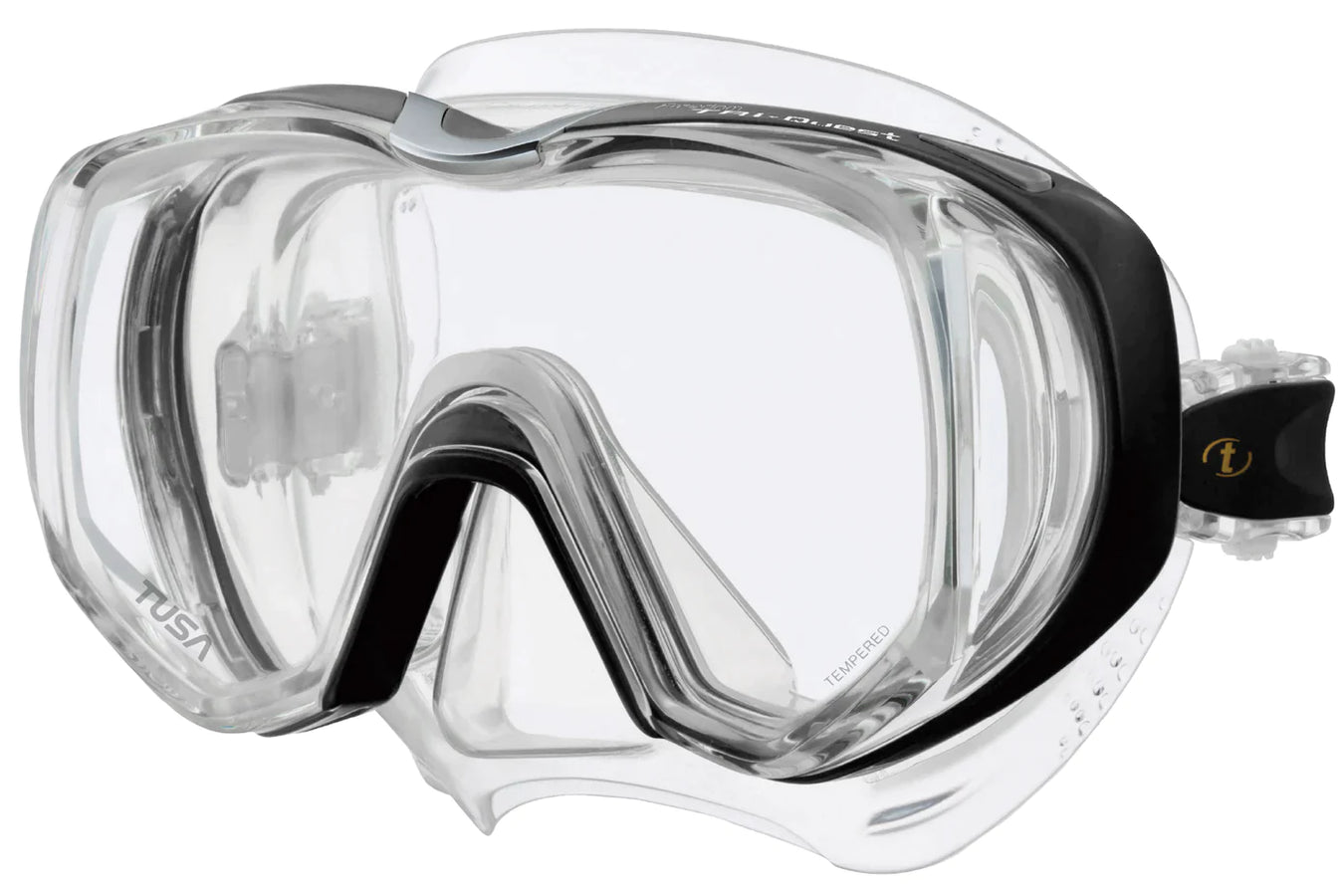
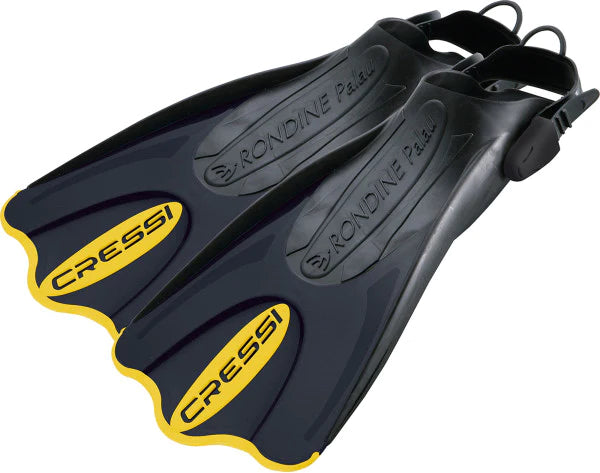
The snorkel, a J-shaped tube with a mouthpiece at one end, is the snorkeler's lifeline, allowing for breathing while the face is submerged. The mask provides a clear window to the underwater world, and the fins enable efficient movement through the water. Together, these tools create a seamless interface between man and the marine environment.
Snorkeling serves as a gateway to the underwater world for millions of enthusiasts around the globe. It's an accessible form of marine exploration that doesn't require the extensive training and equipment associated with scuba diving. Through snorkeling, individuals can encounter a variety of marine life, from vibrant coral reefs to schools of colorful fish, and even the occasional sea turtle or dolphin.
Moreover, snorkeling plays a crucial role in marine conservation efforts. By allowing people to witness the beauty and fragility of underwater ecosystems firsthand, it fosters a deeper appreciation and a sense of responsibility towards these environments.
While snorkeling is a relatively safe activity, it is not without its risks. Understanding and adhering to safety guidelines is paramount to ensuring that every snorkeling adventure is both enjoyable and secure.
The right equipment is crucial for a safe snorkeling experience. A well-fitting mask, a snorkel with a purge valve for easy clearing, and fins suited to the snorkeler's skill level are the basics. Additionally, wearing a snorkeling vest can provide buoyancy and visibility, further enhancing safety.
Beyond equipment, engaging in safe practices such as snorkeling with a buddy, staying hydrated, and being mindful of weather and ocean conditions are key to avoiding potential hazards.
Common risks associated with snorkeling include water inhalation, cramps, and encounters with hazardous marine life. Knowledge and preparation are the best defenses against these risks. Learning proper breathing techniques, staying within one's physical limits, and being aware of the marine environment can significantly reduce the likelihood of accidents.
Moreover, understanding how to signal for help and knowing basic first aid can be invaluable in the event of an emergency.
Snorkeling is more than just a sport—it's a doorway to adventure, a means to connect with the natural world in a profound and personal way. From the shallow reefs teeming with life to the mysterious wrecks that lie in deeper waters, snorkeling offers endless opportunities for exploration and discovery.
With the vast majority of the Earth covered by water, the potential destinations for snorkeling are nearly limitless. Whether it's the Great Barrier Reef in Australia, the vibrant waters of the Caribbean, or the hidden gems in Southeast Asia, each location offers a unique snorkeling experience.
When selecting a destination, consider factors such as the diversity of marine life, water conditions, and the level of snorkeling experience required. Researching and planning ahead can lead to unforgettable snorkeling adventures.
As snorkelers traverse the underwater world, they also have the opportunity to contribute to its preservation. Participating in citizen science projects, adhering to responsible snorkeling practices, and supporting marine conservation initiatives are ways in which snorkelers can give back to the ecosystems they enjoy.
By fostering a symbiotic relationship with the marine environment, snorkelers can ensure that the wonders of the underwater world will continue to thrive for generations to come.
For those looking to take their snorkeling skills to the next level, mastering advanced techniques can enhance the overall experience. One such technique is duck diving, where the snorkeler uses their fins to descend below the surface quickly. This allows for closer observation of marine life and reefs without disturbing the underwater environment.
Another advanced technique is free diving while snorkeling, which involves breath-holding to explore greater depths. It's essential to practice proper breathing exercises and gradually increase dive times to ensure safety and enjoyment while free diving.
Capturing the beauty of the underwater world through photography can immortalize snorkeling adventures and share them with others. When snorkeling with a camera, it's important to consider factors such as natural lighting, water clarity, and the behavior of marine life to capture stunning images.
Investing in a waterproof camera or a reliable underwater housing for your existing camera can open up a world of photographic possibilities beneath the waves. Experimenting with different angles and compositions can result in captivating underwater shots that showcase the magic of snorkeling.
As stewards of the ocean, snorkelers have a responsibility to minimize their impact on marine ecosystems and wildlife. Practicing good snorkeling etiquette not only ensures a positive experience for oneself but also helps protect the fragile underwater environments for future generations to enjoy.
Some key aspects of snorkeling etiquette include avoiding touching or disturbing marine life, refraining from standing on coral reefs, and properly disposing of any trash or waste. By following these guidelines, snorkelers can contribute to the preservation of the underwater world they cherish.
Remember, the beauty of snorkeling lies in the harmony between humans and nature, and by respecting the marine environment, we can continue to explore and appreciate its wonders for years to come.
Ready to dive into the enchanting world beneath the waves? Lancaster Scuba is your trusted partner in unlocking the mysteries of snorkeling and beyond. With our extensive selection of scuba and water sports gear, expert diving instruction, and exotic travel opportunities, we're here to ensure your aquatic adventures are unforgettable. Check out our scuba gear and start planning your next underwater exploration today. Gear up, dive in, and let the journey begin!


{"one"=>"Select 2 or 3 items to compare", "other"=>"{{ count }} of 3 items selected"}