

Exploring the Depths: Spearfishing in San Diego
Dive into the exhilarating world of spearfishing in San Diego! Discover the best spots, techniques, and gear for an unforgettable underwater adventure.
Read now
In the vast, blue expanse of the ocean, where silence envelopes you and the only sound is your own breathing, there lies an intricate piece of technology that makes this serene experience possible—the scuba regulator. This device, though small, plays a monumental role in the world of underwater exploration, acting as a lifeline that connects divers to the essence of life itself: air. Understanding how scuba regulators work is not just about technical knowledge; it's about appreciating the gateway to countless adventures beneath the waves.
At its core, a scuba regulator is a marvel of engineering designed to deliver air to a diver at the exact pressure needed for comfortable breathing, regardless of the depth. It's a device that stands as a testament to human ingenuity, allowing us to explore the underwater world beyond natural human limits.
Imagine taking a breath 30 meters below the surface. The air that fills your lungs has traveled through a meticulously designed pathway to reach you. It starts in the scuba tank, a strong metal container filled with compressed air, sometimes enriched with oxygen for deeper dives. This air is under immense pressure, far too high for direct human consumption.
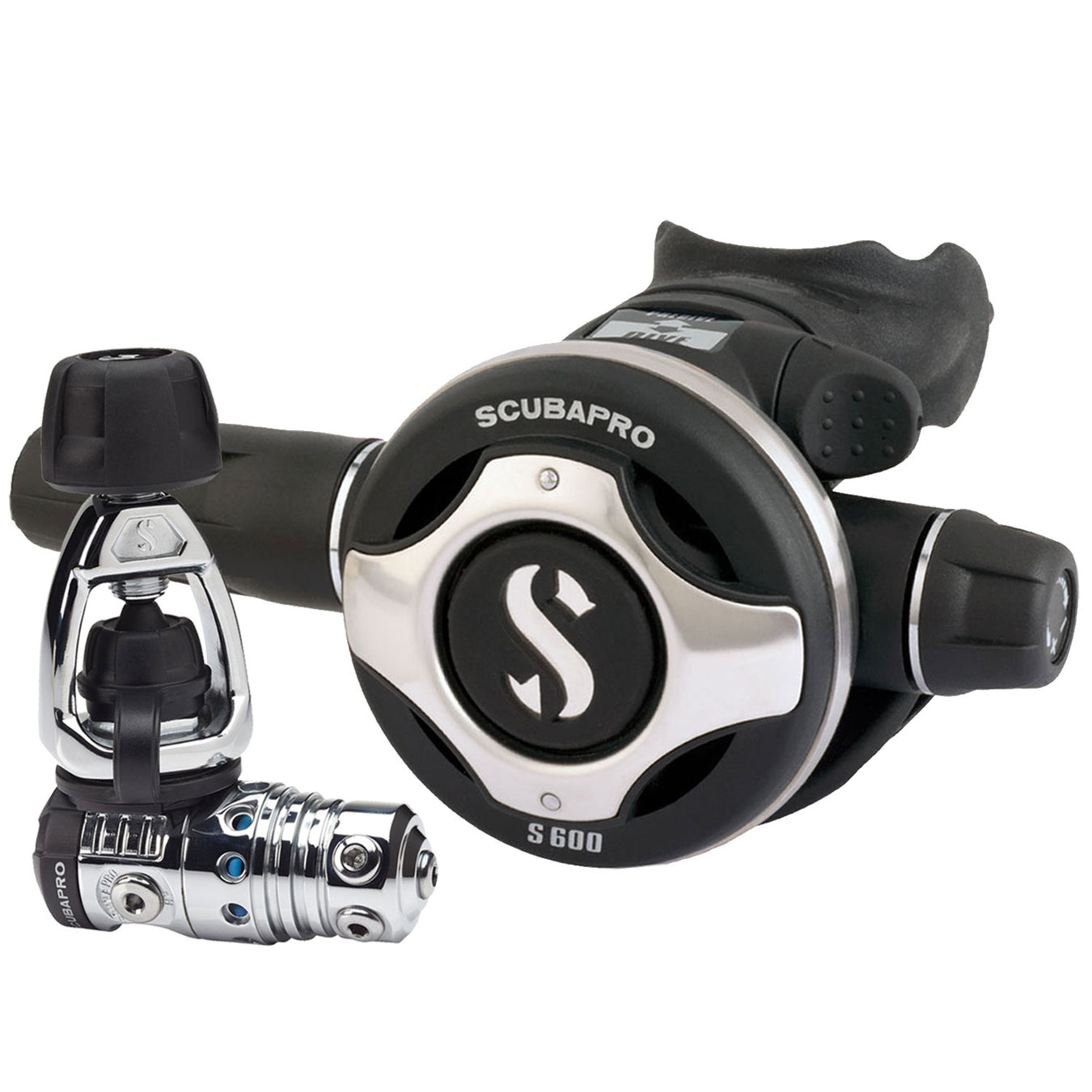
Enter the first stage of the regulator, attached to the tank valve. It reduces this high pressure to an intermediate pressure, a crucial step in making the air breathable. The magic continues as the air moves to the second stage of the regulator, the part you breathe from. Here, the pressure is fine-tuned to match the surrounding water pressure, ensuring that each breath is as natural as taking a breath on land.
As the air reaches the diver's lungs, it undergoes another transformation. The body absorbs the oxygen and releases carbon dioxide, which is then exhaled back into the water. This cycle of breathing underwater is a delicate dance between diver and regulator, a symbiotic relationship that allows for extended exploration beneath the waves.
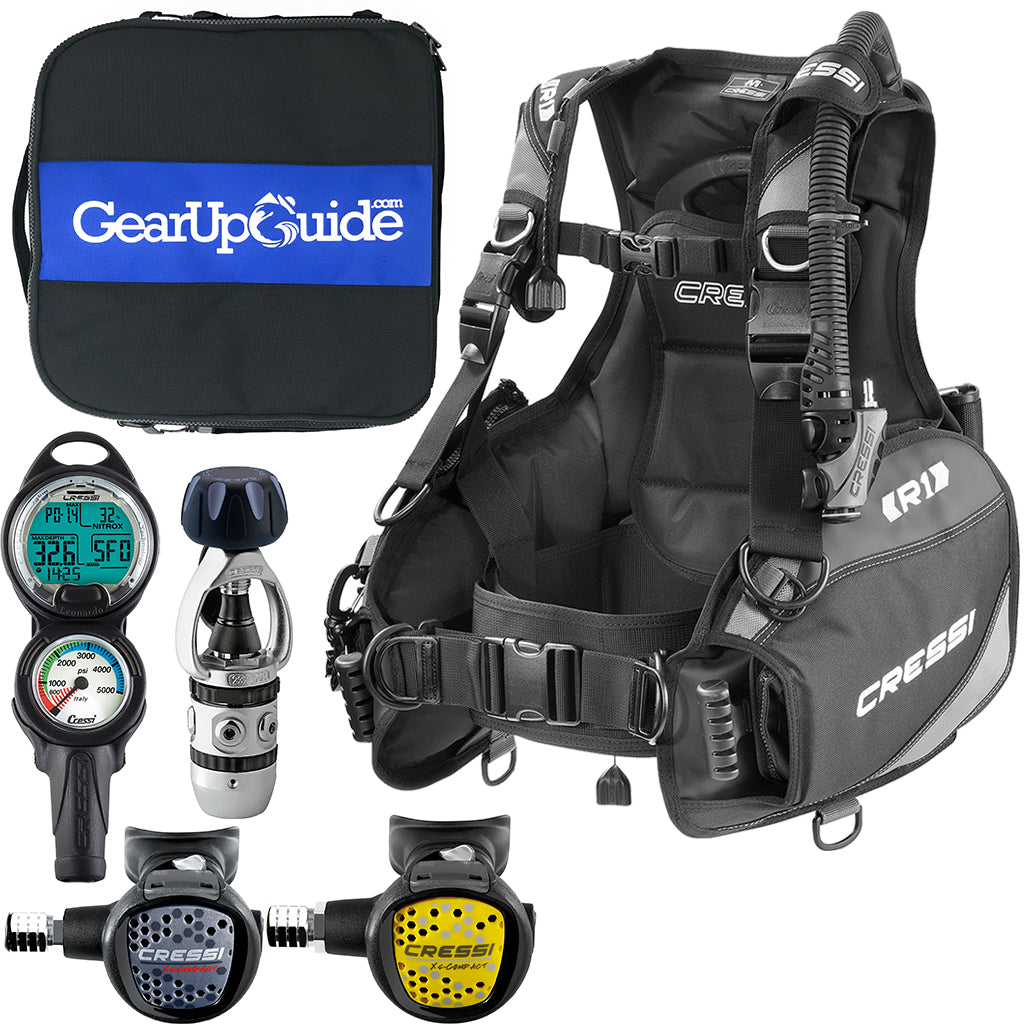
The first stage, often made of durable materials like brass and chrome, is the unsung hero of the regulator setup. It's equipped with multiple ports to connect the second stage, the octopus (an alternate air source for emergencies), and instruments such as depth gauges and dive computers.
Within the second stage, the demand valve is a critical component that ensures air is delivered only when the diver inhales. This mechanism not only conserves the precious air supply but also enhances the overall diving experience by providing a seamless flow of breathing gas.
The principle that allows regulators to function so effectively under the sea is Boyle’s Law, which explains how the volume of gas varies with its pressure. This fundamental law of physics is what regulators leverage to ensure that the air you breathe underwater is just as comfortable as on the surface.
As a diver descends, the pressure from the surrounding water increases, compressing the air in the lungs and the scuba tank. The regulator’s job is to counteract this pressure, delivering air at a pressure that matches the external conditions. This balance is what allows divers to breathe normally, even at significant depths.
Moreover, the regulator's ability to adjust to changes in depth in real-time is a testament to the precision engineering behind its design. By continuously monitoring and regulating the air supply, divers can focus on the wonders of the underwater world without the distraction of breathing difficulties.
For advanced diving scenarios, such as deep dives or technical dives, divers may utilize gas mixtures other than regular compressed air. Nitrox, for example, is a blend of nitrogen and oxygen that can extend bottom time and reduce the risk of decompression sickness. Rebreathers, another type of diving apparatus, recycle exhaled gas, removing carbon dioxide and replenishing oxygen for longer dives.
These specialized gas mixtures and equipment require additional training and expertise to use safely. Divers must understand the implications of different gas blends on their bodies and diving profiles to ensure a smooth and enjoyable underwater experience.
Scuba diving, while exhilarating, carries inherent risks, particularly related to breathing compressed air underwater. The design and function of scuba regulators are deeply rooted in safety, addressing potential hazards before they become threats.
Regular maintenance is crucial for the reliability of a scuba regulator. Manufacturers recommend annual servicing, which includes checking for wear and tear, replacing o-rings and filters, and ensuring that all components function correctly. This preventative care is essential for safe diving adventures.
Additionally, proper storage of scuba equipment is vital to prevent damage and ensure longevity. Keeping regulators away from direct sunlight, extreme temperatures, and corrosive substances helps maintain their performance and extends their lifespan.
Despite meticulous planning and adherence to safety protocols, emergencies can still occur while diving. Divers undergo training to handle various scenarios, including regulator malfunctions, out-of-air situations, and rapid ascents. Practicing emergency drills and maintaining clear communication with dive buddies are crucial aspects of safe diving practices.
Carrying essential safety equipment, such as signaling devices, dive knives, and redundant air sources, adds an extra layer of preparedness for unforeseen circumstances. By being proactive and vigilant, divers can mitigate risks and ensure a smooth and enjoyable underwater experience.
Responsible diving goes beyond personal safety; it extends to protecting the marine environment. Divers are encouraged to practice buoyancy control to avoid damaging delicate coral reefs or stirring up sediment. Proper finning techniques and streamlined equipment setup contribute to minimizing the impact on underwater ecosystems.
Furthermore, participating in underwater clean-up initiatives and supporting marine conservation efforts are ways for divers to give back to the oceans they love to explore. By fostering a sense of stewardship for the underwater world, divers can help preserve its beauty for future generations to enjoy.
Understanding how scuba regulators work illuminates the path to countless underwater adventures. From the vibrant coral reefs teeming with life to the silent wrecks that whisper tales of the past, the regulator is your key to unlocking these mysteries.
Each breath taken through a scuba regulator is a step further into the unknown, a chance to explore the uncharted territories of our planet. The technology behind the regulator, so often taken for granted, is what makes these journeys possible, turning the dream of underwater exploration into a breathtaking reality.
As divers, the respect we hold for our equipment mirrors the reverence we have for the ocean. It's a relationship built on trust, curiosity, and the endless pursuit of adventure. The scuba regulator, in all its complexity, is a symbol of this bond, a testament to human ingenuity and the spirit of exploration that drives us to dive deeper into life's potential.
In the grand tapestry of diving adventures, the scuba regulator is a thread that weaves through every experience, connecting us to the wonders of the aquatic world. It's a piece of technology that, by enabling us to breathe underwater, allows us to soar through the ocean's depths, exploring, learning, and growing with every dive.
Ready to turn the dream of underwater exploration into your reality? Lancaster Scuba is your trusted partner in this adventure. With our extensive selection of scuba and water sports gear, expert diving instruction, and exotic dive trips, we're here to ensure a seamless experience from the moment you gear up to your next breathtaking dive. Whether you're a beginner or a seasoned diver, our PADI-certified courses and specialty offerings like Spearfishing will elevate your diving skills. Don't just marvel at the mysteries of scuba regulators—embrace them as part of your own diving gear. Check out our scuba gear today and join us as we Gear. Dive. Travel. into the wonders of the aquatic world.


{"one"=>"Select 2 or 3 items to compare", "other"=>"{{ count }} of 3 items selected"}