

Exploring the Depths: Spearfishing in San Diego
Dive into the exhilarating world of spearfishing in San Diego! Discover the best spots, techniques, and gear for an unforgettable underwater adventure.
Read now
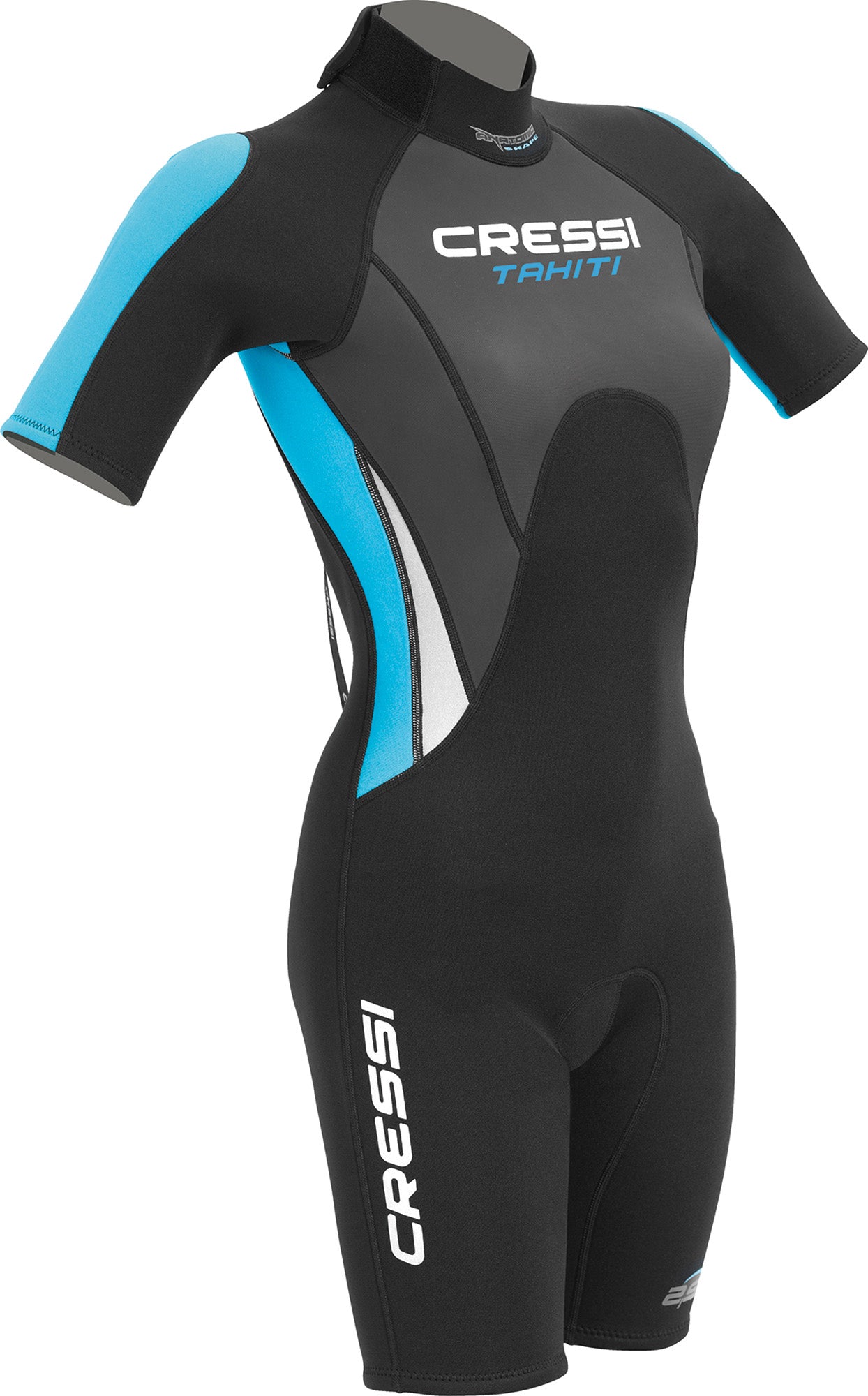
In the realm of aquatic adventures, a wetsuit is more than just a piece of equipment—it's a companion that accompanies you into the depths, offering warmth, protection, and comfort. Understanding the lifespan of this crucial gear is not merely about assessing its durability but about embracing the full potential of your underwater journeys. Let's embark on an exploration to uncover the factors that influence how long a wetsuit lasts, ensuring that every dive is an adventure that enriches your life.
At the core of every wetsuit's lifespan lies a tale of materials, craftsmanship, and the environment it's exposed to. These elements, woven together, dictate the narrative of how your wetsuit will stand the test of time and the seas.
The quest for durability begins with the very fabric of the wetsuit. Neoprene, the heart of the wetsuit's construction, has evolved over the years, with manufacturers constantly seeking the perfect balance between flexibility and longevity. The thickness of the neoprene, typically measured in millimeters, not only determines the suit's warmth but also its resistance to wear and tear.
Advancements in technology have introduced variations such as limestone-based neoprene, offering a lighter, more eco-friendly option without compromising on durability. The stitching and seams play a pivotal role as well, with techniques like blind stitching and sealed seams enhancing both the wetsuit's integrity and its ability to keep the cold at bay.
The waters we plunge into hold sway over the lifespan of our wetsuits. Saltwater, with its corrosive nature, can gradually degrade neoprene, while UV exposure from the sun weakens its fibers, leading to brittleness. Frequent encounters with rough surfaces or sharp objects, a common hazard in the adventurous terrains divers explore, can cause cuts and abrasions, further shortening a wetsuit's life.
Temperature plays a dual role; extreme heat can cause neoprene to lose its flexibility, while cold conditions can make it stiff and prone to cracking. Understanding these environmental impacts is crucial for divers seeking to extend their wetsuit's serviceable years.
Ensuring that your wetsuit fits correctly is not only essential for comfort but also impacts its longevity. A wetsuit that is too tight can experience increased stress on seams and material, leading to premature wear. Conversely, a wetsuit that is too loose may rub against the skin, causing discomfort and potential damage over time. Taking the time to find the right fit for your body shape and size can significantly extend the lifespan of your wetsuit.
Just as a diver nurtures their skills and knowledge, so too must they care for their wetsuit. Proper maintenance is the linchpin in extending the life of this essential gear, turning it into a reliable partner for countless dives.
Post-dive care is paramount. Rinsing your wetsuit in fresh water after each dive removes salt, chlorine, and other residues, preventing them from breaking down the neoprene. Drying the wetsuit away from direct sunlight and in a well-ventilated area safeguards it against UV damage and mildew growth.
When it comes to storage, hanging your wetsuit on a wide hanger prevents creases and maintains its shape. Avoid folding the wetsuit for long periods, as this can create stress points that lead to cracks and tears.
Establishing a routine for inspecting your wetsuit can help catch potential issues early on, preventing them from escalating into larger problems. Regularly check seams, zippers, and material for any signs of wear, tear, or damage. Investing in neoprene-specific detergents for cleaning can also prolong the life of your wetsuit by maintaining its flexibility and integrity.
Additionally, following a maintenance schedule that includes periodic checks and professional servicing, such as seam reinforcement or zipper lubrication, can significantly extend the lifespan of your wetsuit, ensuring it remains in top condition for your underwater adventures.
Every dive, every adventure, leaves its mark on a wetsuit. Recognizing when those marks of experience transition into signs of a wetsuit's impending retirement is key to ensuring your safety and enjoyment in the depths.
Over time, the neoprene may become compressed, especially in areas under constant pressure, such as the knees and elbows, reducing its ability to insulate. Stretching, fading, and the presence of permanent creases indicate that the material is losing its integrity. When the wetsuit begins to leak, or the seams start to give way despite proper care, it may be time to consider its replacement.
While bidding farewell to a trusted wetsuit can be bittersweet, it also marks the beginning of a new chapter filled with untold adventures. Advances in wetsuit technology mean that replacing an old suit offers the opportunity to benefit from improved materials, enhanced features, and a better fit. This transition is not just about acquiring new gear but about preparing yourself for the next level of underwater exploration.
In the grand tapestry of diving, a wetsuit is more than a protective layer; it's a testament to the journeys undertaken and the experiences shared. Its lifespan, influenced by care, environment, use, and fit, is a reflection of the diver's own path through the realms of adventure. By understanding and nurturing our wetsuits, we ensure that each dive enriches our lives, opening doors to new discoveries and the endless wonders of the underwater world.
As you look forward to enriching your life with new diving experiences, Lancaster Scuba is here to ensure you're equipped with the best gear for your aquatic quests. With our extensive selection of top-quality scuba gear, expert diving instruction, and thrilling travel opportunities, we're committed to enhancing your underwater journeys. Check out our scuba gear today and dive into your next adventure with confidence and style!


{"one"=>"Select 2 or 3 items to compare", "other"=>"{{ count }} of 3 items selected"}