

Exploring the Depths: Spearfishing in San Diego
Dive into the exhilarating world of spearfishing in San Diego! Discover the best spots, techniques, and gear for an unforgettable underwater adventure.
Read now
In the vast, blue expanse of our planet's oceans, there lies an adventure that calls to the hearts of many—an adventure that promises not just the thrill of exploration but a deeper connection with the natural world. Scuba diving, a sport that has captivated the imaginations of countless individuals, offers a unique blend of excitement, tranquility, and discovery. Yet, one question often surfaces for those eager to dive into this underwater realm: What age can you get scuba certified?
This inquiry is more than just a matter of curiosity; it's a gateway to understanding the broader aspects of scuba diving, including safety, education, and the profound experiences that await beneath the waves. Let's embark on a journey to explore the depths of this question, guided by insights, data, and the shared wisdom of the diving community.
At the heart of scuba diving lies the principle of preparedness. Certification is not merely a formality but a crucial step in ensuring that every diver has the knowledge, skills, and mindset needed to safely and responsibly explore underwater environments.
Certification agencies around the globe, such as PADI (Professional Association of Diving Instructors) and NAUI (National Association of Underwater Instructors), have established comprehensive training programs designed to equip divers with the necessary tools for safe diving. These programs cover a wide range of topics, from basic underwater navigation to emergency response techniques.
Despite the universal goal of promoting safe diving practices, the age requirements for certification can vary slightly between agencies. Generally, the journey into scuba diving can begin as early as 10 years old, with junior certifications offered to young enthusiasts.
Junior certifications serve as a bridge for young divers, introducing them to the wonders of the underwater world within a framework of heightened safety and supervision. These programs are tailored to the developmental stage of younger participants, emphasizing skills and knowledge in a manner that is both engaging and appropriate for their age group.
For instance, PADI offers the Junior Open Water Diver certification for children aged 10 to 14, which requires them to dive with a certified adult. This approach not only fosters a safe learning environment but also encourages family bonding and shared experiences in the realm of diving.
As divers grow older and gain more experience, the opportunities for advanced certifications and specialized training expand. The journey from a junior diver to a fully certified Open Water Diver is one of growth, learning, and increasing autonomy underwater.
Upon reaching the age of 15, young divers can upgrade their junior certification to a full Open Water Diver certification. This transition is more than just a formal step; it's a milestone that marks a diver's readiness to embrace the full breadth of scuba diving experiences, with fewer restrictions and greater opportunities for exploration.
This upgrade process typically involves a review of skills and knowledge, ensuring that the diver is prepared to meet the challenges and responsibilities of open water diving. It's a testament to the diver's commitment to continuous learning and adherence to safety protocols.
With the foundational Open Water Diver certification in hand, divers are poised to explore a wide array of advanced and specialty courses. These programs, ranging from Deep Diver to Underwater Photographer, offer divers the chance to hone specific skills, pursue personal interests, and deepen their connection with the underwater world.
Each specialty certification opens new doors to adventure, allowing divers to tailor their experiences and explore the oceans in ways that resonate with their individual passions and curiosities. Whether it's navigating the silent wrecks of ships long past or capturing the ephemeral beauty of coral reefs, the path of advanced certification is one of endless discovery.
In the ever-changing environment of the ocean, education and safety remain the steadfast companions of every diver. The journey of a diver is one of perpetual learning, where each dive offers new insights and challenges.
The diving community, much like the vast ocean it explores, thrives on the principles of mutual support and continuous improvement. Diving education is not confined to the early stages of certification; it's a lifelong commitment to safety, environmental stewardship, and personal growth.
Advanced courses and refreshers play a crucial role in keeping divers up to date with the latest safety protocols, equipment innovations, and conservation efforts. By prioritizing education, divers not only enhance their own experiences but also contribute to the safety and well-being of the entire diving community.
For those wondering, "What age can you get scuba certified?" the answer is more than just a number. It's an invitation to embark on a journey of discovery, learning, and unparalleled adventure. From the first breath underwater to the exploration of hidden worlds, scuba diving offers a unique opportunity to dive deeper into life's potential, at any age.
As we navigate the depths of the ocean, let us also dive into the depths of our curiosity and courage, embracing the boundless adventures that await beneath the waves. The world of scuba diving is not just about exploring the unknown; it's about discovering ourselves, our capabilities, and our place within the vast, blue planet we call home.
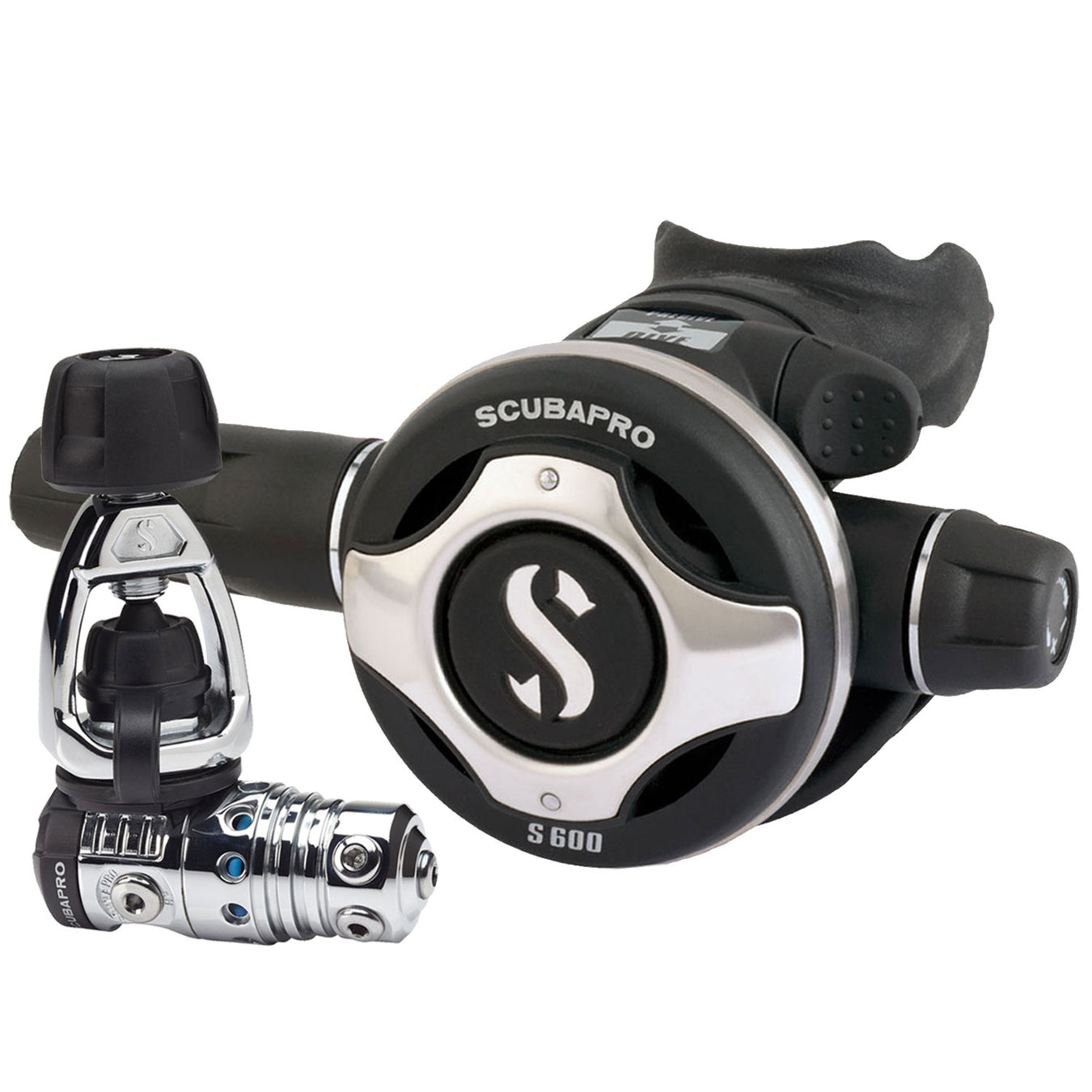
While the physical aspects of scuba diving are often highlighted, the psychological benefits of this underwater activity are equally profound. The serene environment of the ocean, coupled with the focus required for diving, can have a calming effect on the mind. The rhythmic sound of breathing through a regulator can induce a meditative state, reducing stress and promoting mental well-being.
Furthermore, the sense of weightlessness experienced underwater can create a feeling of freedom and liberation, offering a temporary escape from the constraints of gravity. This sensation of floating effortlessly in the water can be both exhilarating and therapeutic, providing a unique form of relaxation that is hard to replicate on land.
Scuba diving also challenges divers to adapt to new environments and situations, fostering mental resilience and problem-solving skills. Navigating underwater landscapes, communicating effectively with dive buddies, and responding calmly to unexpected circumstances all contribute to the development of a diver's mental agility and composure.
Overcoming fears, such as those related to deep water or marine creatures, can lead to increased self-confidence and a sense of accomplishment. The psychological growth that occurs through diving extends beyond the water, influencing how divers approach challenges in their everyday lives with a newfound sense of courage and determination.
Scuba diving not only offers a gateway to exploration and personal growth but also serves as a platform for environmental awareness and conservation efforts. Divers, as ambassadors of the underwater world, witness firsthand the beauty and fragility of marine ecosystems, inspiring a deep sense of responsibility to protect these environments for future generations.
Through participation in underwater clean-up initiatives, coral reef monitoring programs, and marine species conservation projects, divers actively contribute to the preservation of ocean habitats and biodiversity. By raising awareness about environmental issues and advocating for sustainable practices, divers play a vital role in safeguarding the health of our oceans.
Education plays a key role in empowering divers to become stewards of the sea. By learning about marine ecosystems, the impact of human activities on the ocean, and best practices for sustainable diving, divers are equipped to make informed choices that minimize their environmental footprint and promote ocean conservation.
Engaging in responsible diving practices, such as respecting marine life, avoiding contact with delicate corals, and properly disposing of waste, demonstrates a commitment to preserving the underwater world for future generations. By embodying the principles of conservation both above and below the surface, divers embody the ethos of environmental stewardship and inspire others to join in the effort to protect our oceans.
Ready to embrace the underwater adventure and become a steward of the sea? Lancaster Scuba is here to guide you every step of the way. From selecting the perfect gear to achieving your PADI certification and joining us on exhilarating dive trips, we've got you covered. Check out our scuba gear and start planning your dive into the depths today. Gear up, dive in, and let's travel the seas with Lancaster Scuba!


{"one"=>"Select 2 or 3 items to compare", "other"=>"{{ count }} of 3 items selected"}