

Exploring the Depths: Spearfishing in San Diego
Dive into the exhilarating world of spearfishing in San Diego! Discover the best spots, techniques, and gear for an unforgettable underwater adventure.
Read now
In the realm of underwater exploration, the choice of a wetsuit is not just about comfort or style—it's a decision that intertwines with the very essence of diving adventure and safety. The question of 'what thickness wetsuit do I need?' is more than just a query; it's a journey into understanding the relationship between the diver and the deep blue. This article delves into the heart of wetsuit technology, offering insights that cater to both the seasoned explorer and the novice diver, embarking on their first descent into the ocean's mysteries.
At the core of every dive is the wetsuit, a diver's first line of defense against the ocean's embrace. Wetsuit thickness is not merely a number but a reflection of the environment it's designed to conquer. It's about finding the perfect balance between thermal protection and the freedom to move beneath the waves.
Before diving into thickness, it's crucial to understand the material that makes up the wetsuit. Neoprene, the lifeblood of wetsuits, provides insulation by trapping a thin layer of water between the suit and the skin. This water is then warmed by the body, creating a protective thermal barrier against the cold. The quality of neoprene and the addition of materials like nylon or spandex can affect the suit's flexibility, durability, and overall warmth.
Wetsuit thickness is measured in millimeters, denoting the material's density and, consequently, its warmth. The thicker the wetsuit, the warmer it will be. However, increased thickness can also restrict movement, a critical factor in diving where flexibility and comfort are paramount. Thus, choosing the right thickness is a delicate balance, influenced by water temperature, dive depth, and personal tolerance to cold.
Aside from providing insulation, the durability of the wetsuit material is crucial for its longevity and performance. Neoprene can degrade over time due to exposure to sunlight, chemicals, and saltwater. Proper maintenance, such as rinsing the wetsuit with fresh water after each dive and storing it away from direct sunlight, can extend its lifespan. Additionally, investing in a wetsuit with reinforced seams and durable zippers can prevent premature wear and tear, ensuring that your gear remains reliable for many dives to come.
Selecting the appropriate wetsuit thickness is a decision that shapes the diving experience. It's about understanding the waters you wish to explore and aligning your gear with the adventure ahead.
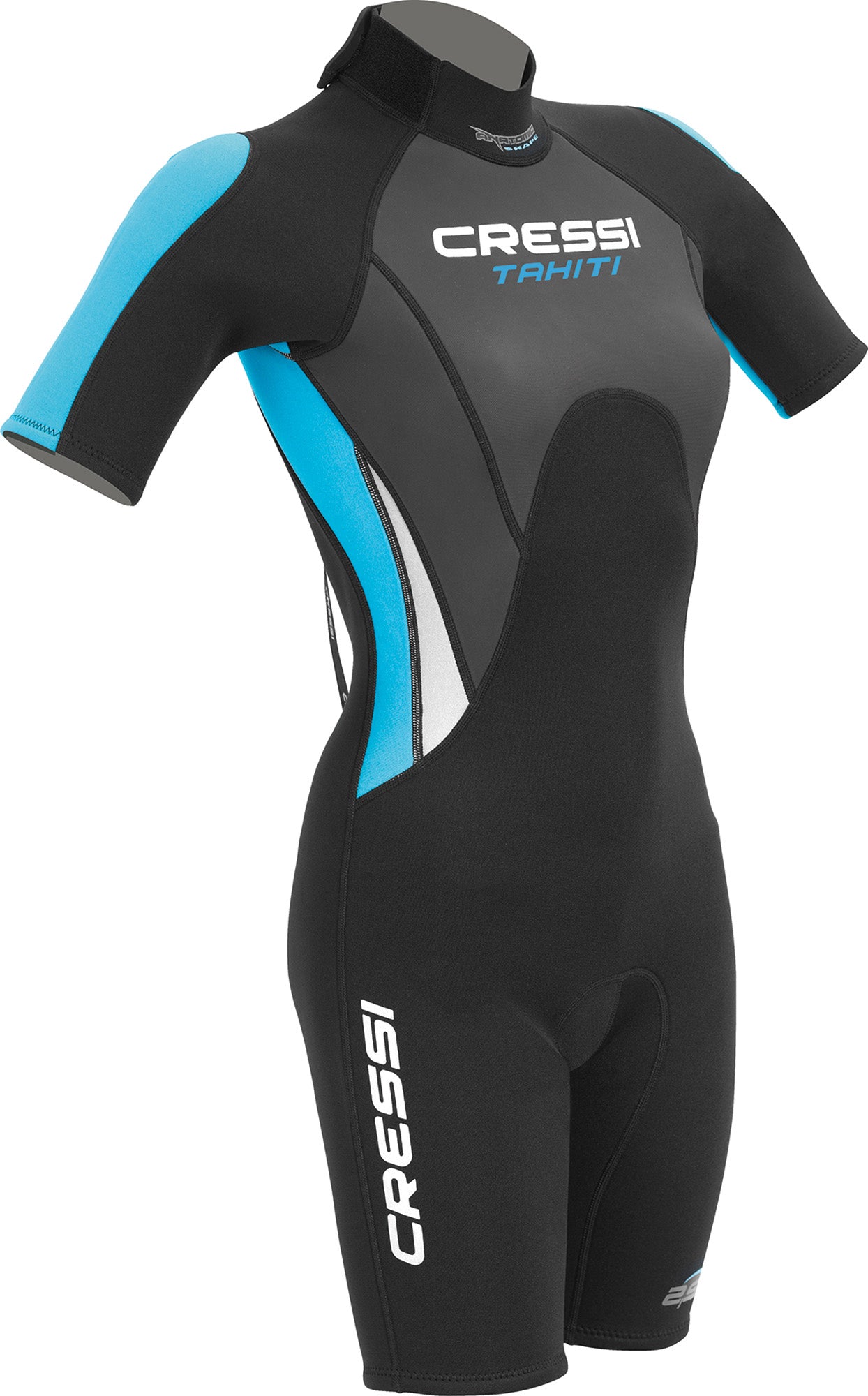
Water temperature is the primary determinant of wetsuit thickness. As a general rule, colder waters require thicker wetsuits. For temperatures below 50°F (10°C), a wetsuit of 7mm thickness or a drysuit is recommended for maximum warmth. In contrast, tropical waters above 75°F (24°C) may only require a thin 2mm or even a shorty wetsuit for comfort. It's essential to research the typical water temperatures of your dive location to make an informed choice.
Every diver's body reacts differently to cold. Some may find a 5mm wetsuit sufficient in waters where others prefer the added insulation of a 7mm suit. It's important to consider your own cold tolerance when selecting a wetsuit. Experience plays a role here; as divers spend more time in various conditions, they develop a better understanding of their comfort levels and preferences.
Ensuring that your wetsuit fits properly is essential for its effectiveness in providing insulation and comfort. A wetsuit that is too loose will allow water to flush in and out, reducing its thermal efficiency. Conversely, a wetsuit that is too tight can restrict blood flow and movement, leading to discomfort and potential safety hazards. When trying on a wetsuit, pay attention to areas such as the neck, wrists, and ankles, as these should have a snug but not constricting fit to prevent water entry.
The evolution of wetsuit technology is a testament to the diving community's relentless pursuit of better, safer underwater experiences. Today's wetsuits are not just barriers against the cold but marvels of innovation that enhance the dive in numerous ways.
Recent advancements have seen the introduction of thermal linings that reflect body heat, increasing warmth without adding to the wetsuit's thickness. These linings, often made from metallic materials or advanced fibers, offer an additional layer of insulation, allowing for thinner wetsuits that do not compromise on warmth.
Modern wetsuits also boast improved flexibility and a better fit, thanks to advancements in neoprene technology and design. Strategic panels and seams that enhance movement, along with tailored fits that reduce water ingress, ensure that today's divers can enjoy both warmth and freedom under the waves.
With a growing focus on environmental conservation, some wetsuit manufacturers are exploring eco-friendly materials and production processes. Wetsuits made from recycled neoprene or limestone-based neoprene, which has a lower environmental impact than traditional petroleum-based neoprene, are becoming more prevalent in the market. By choosing a sustainably produced wetsuit, divers can reduce their carbon footprint and support initiatives that protect the marine environments they love to explore.
While the thrill of exploration drives divers to the ocean, safety remains paramount. The choice of wetsuit thickness is not just about comfort but a critical decision that impacts a diver's safety.
The risk of hypothermia is a constant companion in colder waters. A wetsuit of adequate thickness acts as a vital barrier against this risk, preserving body heat and ensuring that divers can enjoy their underwater adventures without endangering their health.
A wetsuit contributes to a diver's buoyancy, affecting how easily they can ascend or descend. Thicker wetsuits offer more buoyancy, which can be an advantage or a challenge, depending on the diver's experience and the nature of the dive. The right thickness enhances safety by ensuring that divers can move freely and respond to any situation that may arise.
In the vast, echoing depths of the ocean, a wetsuit is more than just gear—it's a companion that stands between the diver and the deep. The question of 'what thickness wetsuit?' is a journey into understanding this relationship, a testament to the adventure that awaits beneath the waves. As divers, the choice we make is a reflection of our respect for the ocean's power and our passion for exploring its mysteries. With the right wetsuit, the ocean's embrace becomes a welcome caress, an invitation to dive deeper into the adventure of a lifetime.
As you prepare to embrace the ocean's mysteries, ensure you're equipped with the best. Lancaster Scuba is your one-stop destination for top-tier scuba gear, expert diving instruction, and unforgettable dive travel experiences. Whether you're gearing up for your first dive or seeking to expand your underwater horizons, our extensive selection of equipment and PADI certification courses are tailored to enhance your aquatic adventures. Ready to dive into your next underwater journey? Check out our scuba gear and join the Lancaster Scuba community where "Gear. Dive. Travel." is not just a slogan, but a promise of the seamless experience that awaits you.


{"one"=>"Select 2 or 3 items to compare", "other"=>"{{ count }} of 3 items selected"}