

Exploring the Depths: Spearfishing in San Diego
Dive into the exhilarating world of spearfishing in San Diego! Discover the best spots, techniques, and gear for an unforgettable underwater adventure.
Read now
In the vast, uncharted waters of our planet, scuba diving emerges as a beacon of adventure, inviting the brave and the curious to explore its depths. Yet, beneath the allure of underwater exploration lies a question of paramount importance to the diving community and prospective divers alike: How many scuba divers die a year? This inquiry is not just a statistic; it's a narrative that underscores the significance of safety, education, and respect for the marine environment. Embarking on this exploration, we delve into the heart of scuba diving, not to deter the spirit of adventure but to navigate through the waters of awareness and preparedness. Join us as we dive deeper into understanding the risks, the numbers, and the stories behind them.
Scuba diving, by its nature, is an activity fraught with potential dangers. However, it's the knowledge and preparedness that distinguish a safe dive from a perilous one. The risks associated with diving range from the physiological to the environmental, each carrying its own set of challenges and solutions.
According to the Divers Alert Network (DAN), the annual fatality rate for scuba diving is estimated to be around 1 death per 211,864 dives. This statistic, while relatively low, highlights the inherent risks of diving and the importance of rigorous safety protocols. It's crucial to note that these numbers only represent reported incidents, and the actual figures could be slightly higher.
When dissected further, the data reveals that the majority of these fatalities are not the result of predatory marine life encounters, as popular culture might suggest, but rather, issues related to health, equipment, and environmental conditions. This insight shifts the narrative from fear of the unknown to the importance of preparation and education.
One of the leading factors in diving-related fatalities is pre-existing health conditions. The physical demands of diving require a level of fitness and health that cannot be overlooked. Conditions such as heart disease, obesity, and respiratory issues significantly increase the risk of incidents underwater.
It's imperative for divers to undergo regular medical evaluations to ensure they are fit for diving. This not only protects the individual diver but also ensures the safety of the diving group as a whole.
Another critical aspect of diving safety is the proper use and maintenance of equipment. Malfunctioning gear is a common contributor to diving accidents, underscoring the need for thorough checks before each dive.
Moreover, comprehensive training and certification are non-negotiable elements of safe diving practices. Divers must be adept at handling their equipment, understanding dive planning, and managing emergency situations. The role of education in reducing the number of fatalities cannot be overstated.
The path to reducing the number of scuba diving fatalities lies in stringent safety measures and a culture of continuous learning. The diving community, much like any community bound by a shared passion, thrives on the exchange of knowledge and experiences.
Safety protocols, such as the buddy system, pre-dive checks, and adherence to dive plans, are fundamental to a safe diving experience. These practices are not mere formalities but lifelines that can prevent accidents and save lives.
Encouraging a culture of safety within the diving community begins with each individual diver. It's the collective responsibility of dive operators, instructors, and divers themselves to uphold and advocate for these safety standards.
The learning journey for a diver does not end with certification. Advanced training, specialty courses, and awareness about the latest safety practices are crucial for divers at all levels. The dynamic nature of the marine environment and diving technology necessitates an ongoing commitment to education.
Workshops and seminars conducted by diving organizations play a significant role in disseminating vital information on safety, equipment, and environmental conservation. These platforms offer divers the opportunity to enhance their skills and knowledge, further contributing to the reduction of fatalities.
As divers venture into the depths of the ocean, they become not just observers but integral parts of a vibrant underwater ecosystem. Understanding the delicate balance of marine life and the impact of human interaction is essential for responsible diving practices.
Preserving the marine environment is a shared responsibility of the diving community. From avoiding contact with delicate corals to participating in underwater clean-up initiatives, divers play a crucial role in protecting the oceans they love to explore.
Education on marine conservation practices, such as responsible diving behavior and sustainable tourism, is key to ensuring that future generations can continue to experience the wonders of the underwater world.
Interactions with marine life are often the highlight of a dive, offering divers a glimpse into the diverse and fascinating creatures that inhabit the ocean. However, it's essential to approach these encounters with respect and caution.
Understanding the behavior of marine animals, maintaining a safe distance, and refraining from touching or disturbing them are essential guidelines for ethical diving. By fostering a culture of respect towards marine life, divers can contribute to the preservation of underwater ecosystems.
Advancements in diving technology have revolutionized the safety and efficiency of underwater exploration. From dive computers to underwater communication devices, these innovations play a crucial role in enhancing diver safety and experience.
Dive computers have become indispensable tools for modern divers, providing real-time data on depth, time, decompression limits, and more. These devices not only enhance safety by preventing decompression sickness but also allow divers to extend their bottom time responsibly.
Furthermore, underwater monitoring devices, such as sonar systems and underwater cameras, enable divers to navigate unfamiliar environments with greater ease and precision. By leveraging technology, divers can mitigate risks and maximize their underwater adventures.
In the event of an emergency underwater, quick and effective communication is paramount. Emergency response systems, including diver signaling devices and underwater alarms, provide divers with the means to alert their dive partners or surface support in case of distress.
Moreover, advancements in diver tracking technology enhance the efficiency of search and rescue operations, ensuring a rapid response to emergencies. By integrating these systems into their dive preparations, divers can enhance their safety and peace of mind while exploring the depths.
The narrative of scuba diving is one of awe-inspiring adventure, profound experiences, and, inevitably, inherent risks. Understanding the statistics of how many scuba divers die a year is not about casting a shadow over the sport but illuminating the path to safer, more informed diving practices.
The diving community, with its shared passion for the underwater world, holds the power to transform the narrative of diving safety. Through education, awareness, and a commitment to safety, the community can significantly reduce the number of fatalities, ensuring that the adventure of diving continues for generations to come.
In the spirit of the adventurers who explore the depths of the oceans, let us dive into the future of scuba diving with an unwavering commitment to safety, education, and the preservation of the marine environment. For in the heart of every diver lies not just a love for adventure but a profound respect for the sea and its inhabitants.
In answering the question, "How many scuba divers die a year?" we uncover layers of responsibility, education, and community. The statistics serve as a reminder of the risks but also as a call to action. By prioritizing safety, education, and respect for the marine world, the diving community can continue to thrive, exploring the wonders of the ocean while safeguarding its future.
Let the numbers not deter us but drive us towards a future where every dive is not only an adventure but a testament to the spirit of safety and exploration that defines the diving community. Together, we can turn the tide, making scuba diving a safer, more accessible, and endlessly fascinating journey for all.
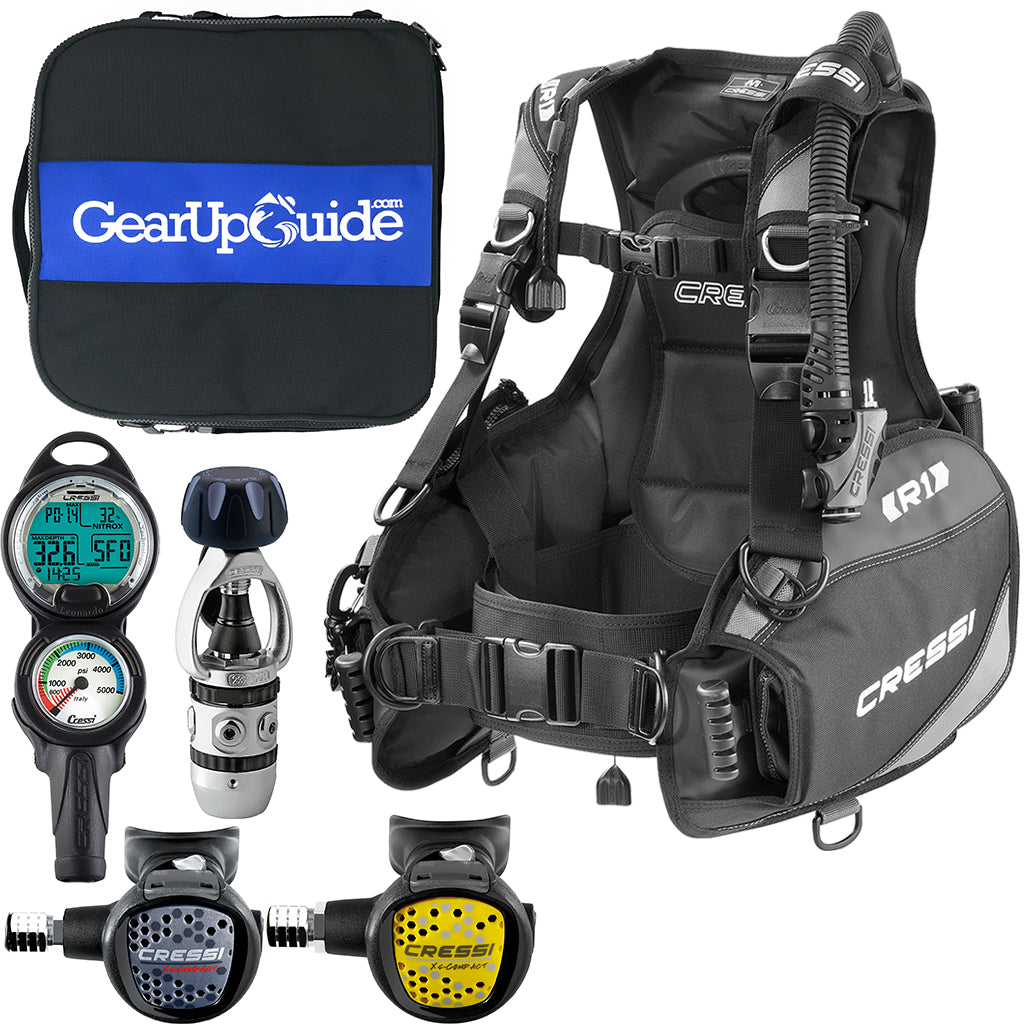
As you embrace the underwater journey, ensure you're equipped with the best gear to enhance your safety and enjoyment. At Lancaster Scuba, we understand the importance of reliable equipment and expert training. Our extensive selection of scuba gear, from trusted brands, is designed to meet the needs of divers at every level. Whether you're just starting out or looking to expand your diving horizons, check out our scuba gear and join us as we gear up, dive in, and travel to breathtaking aquatic destinations. Dive into your next adventure with confidence and the right support from Lancaster Scuba.


{"one"=>"Select 2 or 3 items to compare", "other"=>"{{ count }} of 3 items selected"}