

Exploring the Depths: Spearfishing in San Diego
Dive into the exhilarating world of spearfishing in San Diego! Discover the best spots, techniques, and gear for an unforgettable underwater adventure.
Read now
Have you ever been on a scuba diving trip and witnessed some cringe-worthy pickup lines? Trust me, you're not alone. As scuba diving enthusiasts, we've heard them all. From cheesy one-liners to awkward attempts at flirting, some pickup lines are better left on the surface. But fear not, fellow underwater adventurers, because today we're going to dissect the top scuba diving pickup lines to avoid and reveal the one line that actually works!
When we dive into the depths of the ocean, we enter a world unlike any other. The marine life that surrounds us is a constant reminder of the extraordinary diversity and beauty that Earth has to offer. But along with this appreciation comes a responsibility to protect and conserve these fragile ecosystems.
As we descend further into the underwater realm, we are greeted by a kaleidoscope of colors and shapes that mesmerize the senses. Schools of fish dart by in a synchronized dance, while graceful sea turtles glide effortlessly through the water. The intricate ecosystems that exist beneath the surface are a testament to the interconnectedness of all living beings on our planet.
Did you know that every year, an estimated 8 million metric tons of plastic waste ends up in our oceans? This staggering figure poses a significant threat to marine life, with marine species becoming entangled in plastic or mistaking it for food. As scuba divers, it's our duty to spread awareness about marine conservation and take action to preserve these underwater wonders.
By advocating for sustainable practices and participating in beach clean-ups, we can make a tangible difference in the health of our oceans. Every piece of plastic removed from the marine environment is a step towards ensuring a safer future for the creatures that call the ocean home.
One of the most astonishing aspects of scuba diving is discovering the intricate web of life that thrives beneath the surface. Did you know that coral reefs are often called the rainforests of the sea? They are home to more than 25% of all marine species, making them one of the most diverse ecosystems on the planet. Imagine exploring vibrant coral reefs, encountering colorful fish, and even stumbling upon some hidden treasures along the way. It's an adventure unlike any other!
As we marvel at the beauty of coral formations and the bustling activity of marine life, it's essential to remember that these delicate ecosystems are under threat from climate change and human activities. By learning more about these underwater wonders and sharing our experiences with others, we can inspire a collective effort to protect and preserve our oceans for generations to come.
While scuba diving offers incredible opportunities for exploration, it's important to prioritize safety at all times. Whether you're a seasoned diver or a beginner, here are some essential water safety tips to keep in mind:
Ensuring safety in water activities goes beyond just following a set of rules; it involves developing a mindset of caution and preparedness. Before embarking on any dive, take the time to assess your own comfort level and readiness. Remember, it's always better to err on the side of caution when it comes to underwater exploration. Additionally, staying informed about the specific dive site, including any potential hazards or marine life encounters, can greatly enhance your safety measures.
Remember, safety should always be a top priority when engaging in any water activity. By adhering to these guidelines, you not only protect yourself but also contribute to a culture of responsible diving that benefits the marine environment as a whole.
Rip currents are powerful currents that flow away from the shore and can be dangerous for swimmers and divers. It's vital to recognize the signs of a rip current and know how to stay safe:
Being aware of rip currents and understanding how to navigate them is crucial for anyone venturing into the ocean. These natural phenomena can catch even experienced swimmers off guard, emphasizing the importance of staying vigilant and informed while enjoying water activities. By familiarizing yourself with rip current behavior and practicing proper water safety techniques, you can ensure a safer and more enjoyable aquatic experience.
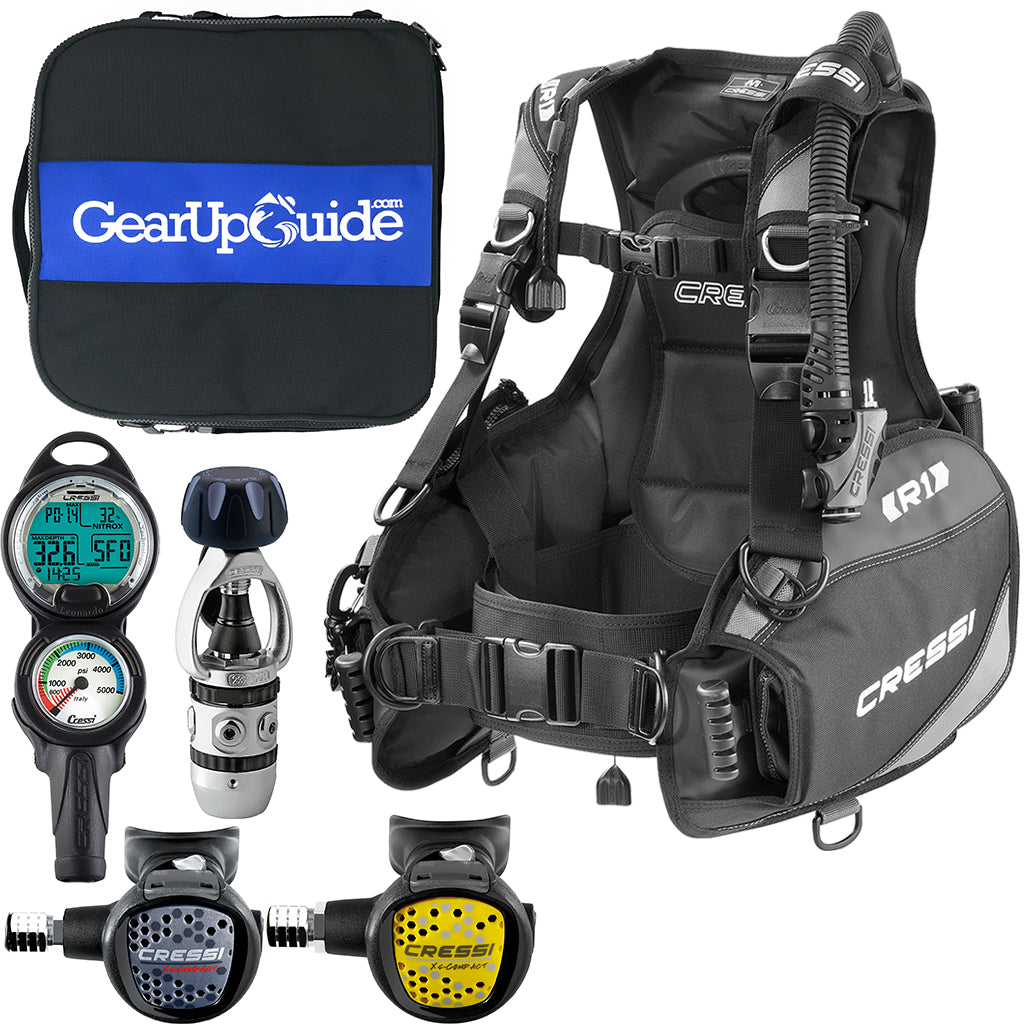
Before embarking on any scuba diving adventure, it's essential to ensure that your gear is in excellent condition. Regular equipment maintenance is crucial to your safety and enjoyment underwater.
Scuba diving is an exhilarating activity that allows you to explore the wonders of the underwater world. However, neglecting your scuba diving equipment can lead to malfunctions and potentially ruin your dive. Imagine being surrounded by vibrant coral reefs and colorful marine life, only to have your regulator fail or your mask leak. By following a few simple maintenance tips, you can extend the lifespan of your gear and enhance your overall diving experience.
Proper maintenance of your scuba diving equipment is not only about ensuring its longevity but also about your safety. Regularly inspecting and servicing your gear can help prevent accidents and ensure optimal performance. Here are some essential maintenance tips to keep in mind:
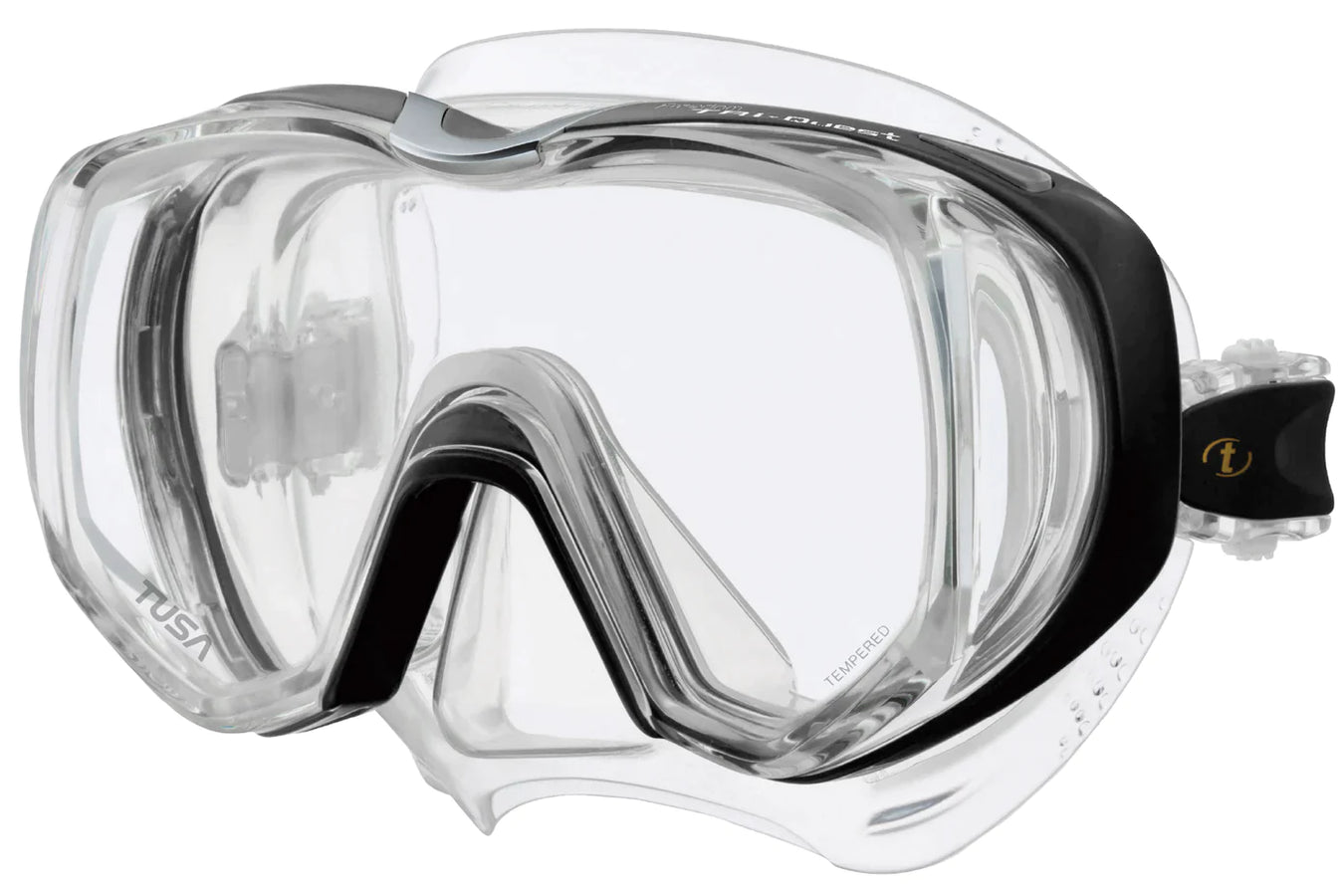
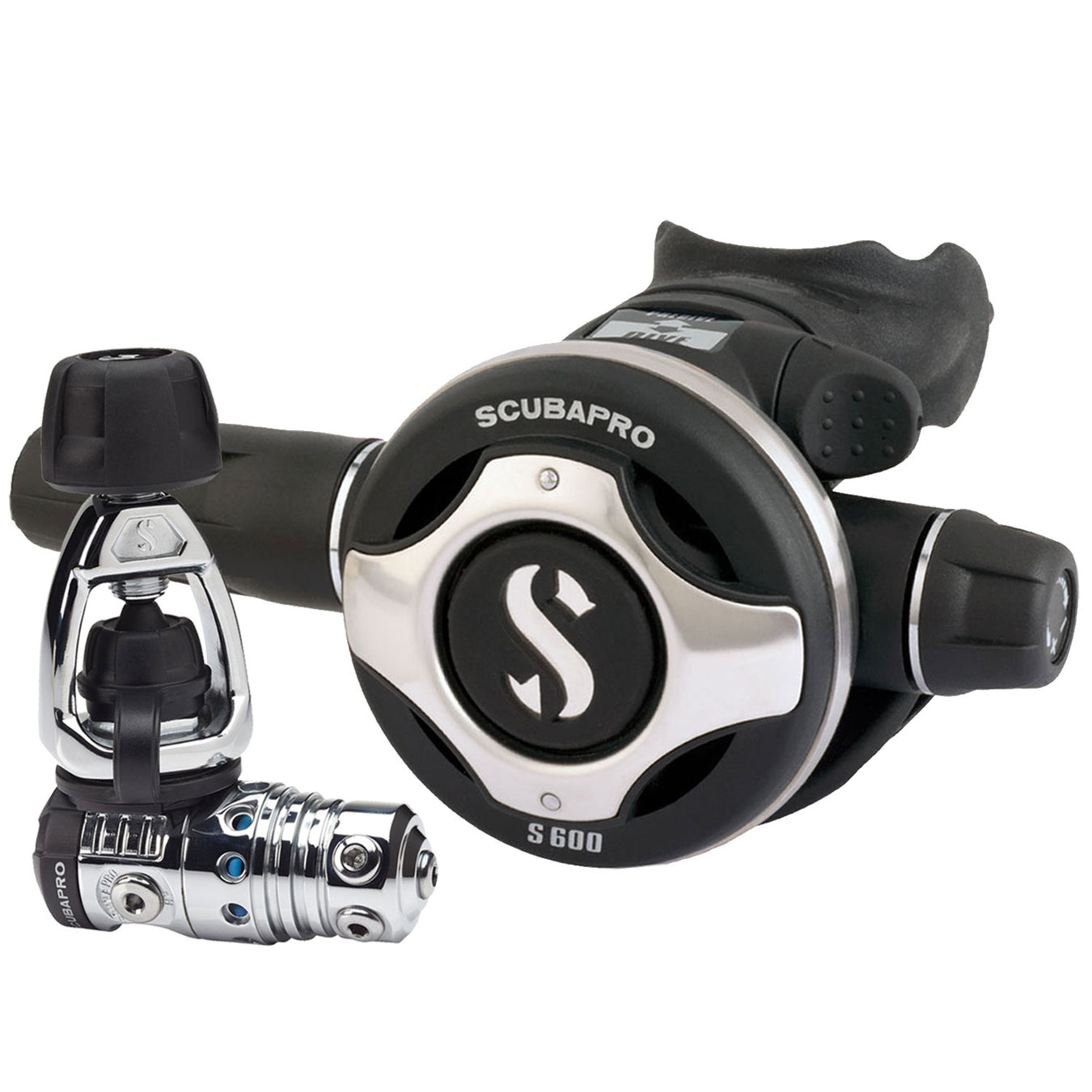
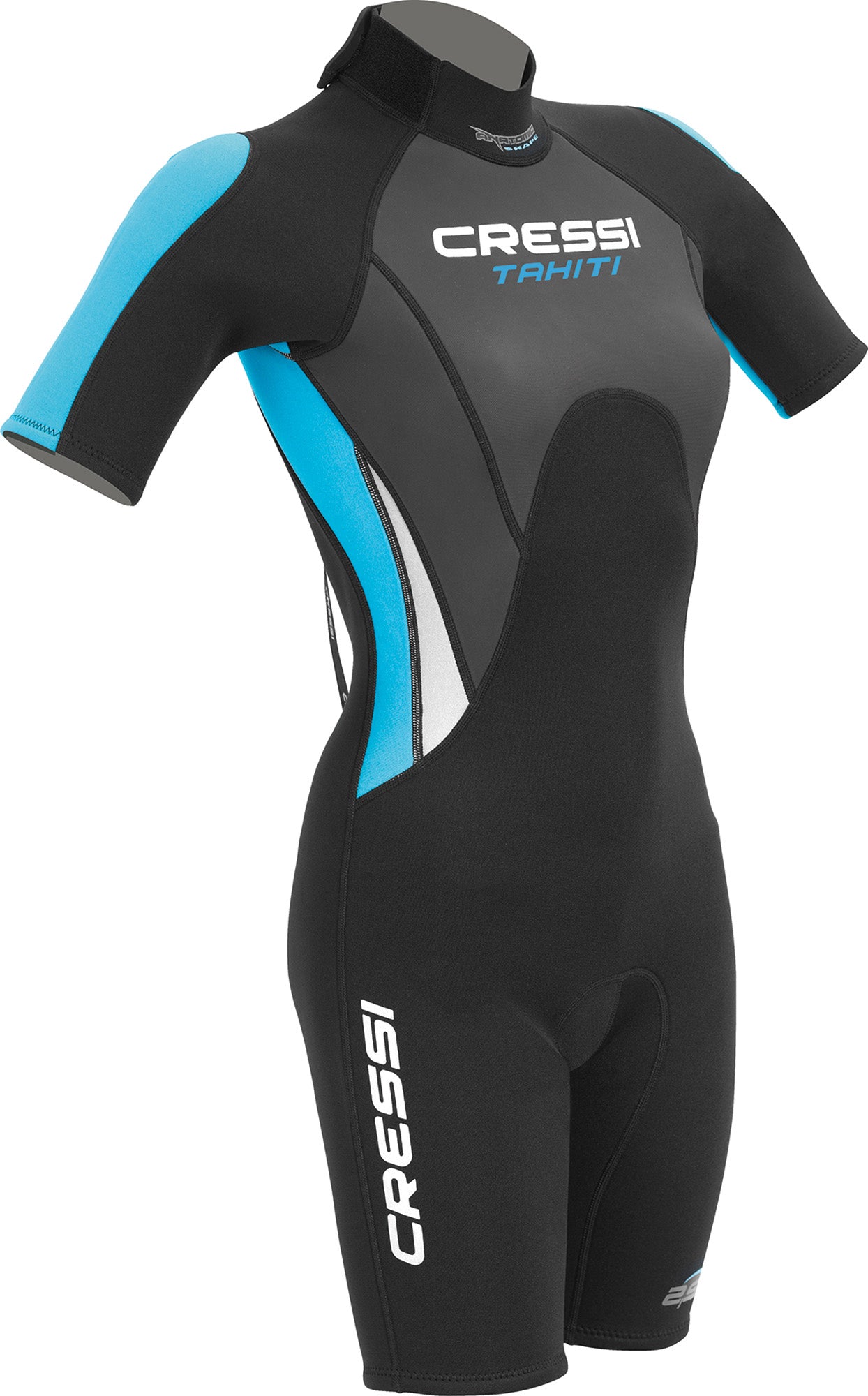
Now that you know the importance of maintaining your scuba diving gear, let's talk about some essential items you should pack for your next underwater adventure:
So there you have it, fellow scuba diving enthusiasts. By taking the time to properly maintain your gear and packing the essential items for your underwater adventures, you can ensure a safe and enjoyable experience. Remember, scuba diving is not just a hobby; it's a way to connect with the incredible marine world and appreciate its beauty. So dive in, explore, and let the wonders of the underwater world captivate your senses. Happy diving!
Ready to dive into the marine world with confidence and style? Lancaster Scuba is your one-stop destination for all your scuba diving needs. Whether you're gearing up for your first dive or looking to expand your underwater experiences, we've got you covered. From top-notch equipment sales and rentals to expert diving instruction and thrilling dive trips, our "Gear. Dive. Travel." approach ensures a seamless adventure. Don't let subpar gear hold you back. Check out our scuba gear today and prepare to be captivated by the wonders of the deep blue!


{"one"=>"Select 2 or 3 items to compare", "other"=>"{{ count }} of 3 items selected"}