

Exploring the Depths: Spearfishing in San Diego
Dive into the exhilarating world of spearfishing in San Diego! Discover the best spots, techniques, and gear for an unforgettable underwater adventure.
Read now
In the realm of extreme sports, there exists a discipline that combines the serenity of the underwater world with the raw challenge of human endurance—freediving. At the heart of this sport lies the ultimate challenge: the pursuit of the freediving world record. This quest is not merely about reaching new depths; it's a journey into the very limits of human potential, where each dive is a narrative of courage, discipline, and the unyielding desire to push beyond the known. The stories of those who chase these records are tales of passion, dedication, and a profound connection to the ocean. They remind us that beneath the surface of the water lies not only the unknown but the opportunity for extraordinary adventure.
Freediving is more than just a sport; it's an art form that requires the diver to be in perfect harmony with the water. Unlike scuba diving, freedivers rely solely on a single breath to explore the depths, making each dive a testament to human will and physical capability. This discipline demands not only physical strength and flexibility but also an exceptional level of mental focus and calm. The challenges faced by freedivers are immense, yet the allure of the deep and the tranquility found within its silence draw many to this unique form of exploration.
The practice of freediving dates back thousands of years, originally used for gathering food, pearls, and sponge harvesting. However, over the centuries, it has evolved into a competitive sport, with athletes pushing the boundaries of depth and time underwater. Modern freediving has several disciplines, each with its own set of rules and challenges, from static apnea, where divers see how long they can hold their breath, to the constant weight dive, which measures the deepest dive without the aid of weights or buoyancy devices.
Training for freediving is as much about mental preparation as it is about physical conditioning. Divers spend countless hours practicing breath-holding, yoga, and meditation to improve lung capacity and learn to control their body's natural urge to breathe. Technique is also crucial. Efficient movement through the water and the ability to relax completely at great depths are skills honed over years of practice. Safety training is paramount, as freedivers must be prepared to handle situations like shallow water blackout with calm and efficiency.
The pursuit of the freediving world record is a journey that few dare to embark on. It is a path that leads not only to the depths of the ocean but into the depths of one's soul, challenging the diver to confront their fears and surpass their limits. Each attempt at the record is a culmination of years of training, a moment where everything must align perfectly—from physical condition to the state of the ocean itself.
Throughout the history of freediving, there have been many remarkable athletes who have left their mark. Names like Natalia Molchanova, the most decorated female freediver, and Herbert Nitsch, known as the "Deepest Man on Earth," are etched in the annals of the sport, not only for their records but for their contributions to the advancement of freediving. These individuals have not only pushed the limits of human capability but have also fostered a deeper understanding and respect for the ocean.
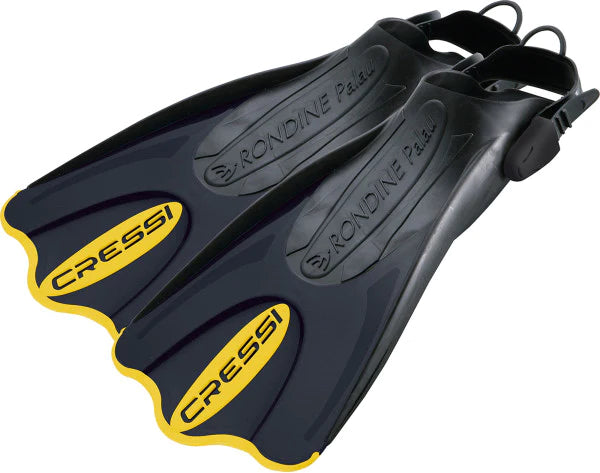
Advancements in technology have played a significant role in the pursuit of freediving records. From the development of specialized fins and suits to enhance performance and protect divers from the cold, to the use of dive computers that monitor depth and time, technology has been a crucial factor in breaking new ground. However, at its core, the essence of freediving remains unchanged. It is a sport defined by the strength of the human spirit, the bond between diver and ocean, and the relentless pursuit of what lies beyond the next breath.
The pursuit of freediving records is not without its risks. The importance of safety cannot be overstated, as the consequences of pushing the limits can be severe. However, with proper training, preparation, and respect for the ocean, freedivers can minimize these risks.
Education on the signs of hypoxia, the importance of never diving alone, and the use of safety lines and surface support are all critical components of a safe freediving practice.
Over the years, the freediving community has made significant strides in improving safety standards. The establishment of organizations dedicated to the sport has led to the development of comprehensive training programs that emphasize safety and the physiological aspects of freediving.
Innovations in safety equipment, such as buoyancy devices and communication tools, have further enhanced the ability of freedivers to explore safely.
Perhaps one of the most vital aspects of safety in freediving is the community itself. The shared experiences, knowledge, and support of fellow divers create an environment where safety is prioritized, and divers are encouraged to grow and learn in a responsible manner.
This sense of camaraderie, much like the brotherhood described by Johnny Walker in the diving community, is a testament to the spirit of freediving—a sport where the pursuit of personal achievement is always balanced with the well-being of the community.
While physical training is crucial for freedivers, the mental aspect of the sport is equally significant. The ability to remain calm under pressure, to focus the mind amidst the depths, and to overcome the natural instincts of the body are all mental challenges that freedivers must conquer.
Visualization techniques, meditation, and mindfulness practices are often employed by freedivers to enhance their mental fortitude. The mental resilience required to push through discomfort, fear, and uncertainty is what sets apart the exceptional freedivers from the rest.
Delving into the psychology of freediving reveals a complex interplay of emotions and cognitive processes. The thrill of exploration, the fear of the unknown, and the exhilaration of pushing personal boundaries all contribute to the psychological landscape of a freediver.
Overcoming mental barriers, building confidence, and developing a deep sense of trust in one's abilities are ongoing psychological challenges that freedivers face. The mental strength cultivated through these experiences not only enhances performance but also enriches the overall freediving journey.
As freedivers immerse themselves in the underwater world, they become intimately connected with the marine environment. This closeness to nature fosters a deep sense of environmental awareness and a desire to protect the fragile ecosystems they explore.
Many freedivers actively engage in marine conservation efforts, advocating for sustainable practices and raising awareness about the importance of preserving our oceans. Their unique perspective as underwater ambassadors brings attention to the beauty and vulnerability of marine life.
The impact of freediving on conservation efforts cannot be understated. By showcasing the wonders of the ocean and highlighting the threats it faces, freedivers play a vital role in inspiring others to take action. Their firsthand experiences of marine life create powerful narratives that resonate with audiences worldwide.
Through education, advocacy, and community engagement, freedivers contribute to the global movement to protect our oceans and ensure a sustainable future for generations to come.
At its core, freediving is a celebration of human curiosity and the unending quest for discovery. It embodies the spirit of exploration that drives us to seek out new horizons, both within ourselves and in the world around us.
Whether diving to record depths or simply reveling in the beauty of the underwater realm, freedivers embody a sense of wonder and awe that transcends the boundaries of the known. It is this spirit of exploration that fuels their passion and drives them to continually push the limits of what is possible.
The allure of the deep ocean has captivated humanity for centuries, drawing adventurers and explorers to its mysterious depths. Freedivers, with their unique ability to descend into this enigmatic world on a single breath, heed the call of the deep with a sense of reverence and humility.
Each dive is a communion with the unknown, a dance between human and ocean that transcends language and culture. The deep beckons, inviting freedivers to unravel its secrets and embrace the profound beauty that lies beneath the surface.
The freediving world record represents the pinnacle of human achievement in the sport, a symbol of what is possible when we dare to explore the limits of our potential. Yet, the true essence of freediving lies not in the records or accolades but in the journey itself—the profound connection with the ocean, the discipline and dedication required, and the camaraderie among those who share this passion.
As we look to the depths, let us remember that each dive, each breath, is a step into the unknown, an adventure that continues to inspire and challenge us to dive deeper into the possibilities of what it means to be truly alive.
As you contemplate the boundless possibilities of freediving and the underwater world, remember that your journey begins with the right gear. Lancaster Scuba is here to equip you with everything you need to explore the depths safely and confidently. From expert diving instruction to a wide selection of equipment, we are your one-stop shop for all things scuba and water sports. Embrace the spirit of adventure and check out our scuba gear to start your own quest into the blue unknown. Gear. Dive. Travel. Your underwater journey awaits.


{"one"=>"Select 2 or 3 items to compare", "other"=>"{{ count }} of 3 items selected"}