

Exploring the Depths: Spearfishing in San Diego
Dive into the exhilarating world of spearfishing in San Diego! Discover the best spots, techniques, and gear for an unforgettable underwater adventure.
Read now
In the realm of extreme sports, there exists a pursuit that transcends the mere thrill of adventure, reaching into the very essence of human capability and resilience—freediving. This discipline, where individuals dive into the ocean's depths on a single breath, has captivated the hearts of many. Among these enthusiasts, a select few have not only sought to experience the profound silence of the underwater world but have also aimed to etch their names in the annals of history by setting a new freediving record.
The quest to dive deeper on a single breath has been a constant human endeavor, evolving from ancient practices of sponge fishermen to the competitive sport we see today. Freediving, in its modern form, is not just a test of physical endurance but a symphony of discipline, technique, and mental fortitude.
Freediving's roots can be traced back to ancient civilizations, where it was a means of survival and sustenance. The Ama divers of Japan and the Haenyeo of Korea are prime examples of how these practices have been integral to cultural heritage. However, it was not until the 20th century that freediving gained recognition as a sport, with the establishment of organizations dedicated to its governance and the standardization of rules.
As the sport evolved, so did the techniques and equipment, allowing divers to reach previously unthinkable depths. The introduction of fluid goggles, neck weights, and improved wetsuit materials enhanced performance, while training methods advanced to optimize breath-hold capabilities and minimize risks.
The pursuit of setting a new freediving record has seen remarkable feats of human endurance and determination. The progression of records over the years is not just a testament to individual achievement but also to the advancements in our understanding of human physiology under extreme conditions. Each record set is a step further into the unknown, pushing the boundaries of what is considered possible.
Statistics and data points highlight the leaps made in the sport. For instance, the first recorded freediving depth was a mere 30 meters in the 1940s. Today, the record stands at over 200 meters, a testament to the extraordinary evolution of the sport and its athletes.
Understanding the physiological aspects of freediving is crucial for both athletes and enthusiasts. The human body undergoes significant changes under the pressure of the deep, where every meter descended presents new challenges to overcome.
Central to the freediver's ability to descend to great depths is the mammalian dive reflex, an innate set of physiological responses that optimize oxygen usage when submerged. This reflex includes bradycardia, the slowing of the heart rate; peripheral vasoconstriction, the narrowing of blood vessels in the extremities to prioritize oxygen for vital organs; and the blood shift, which protects the organs from the pressure of deep water.
Training and experience enhance the efficiency of these responses, allowing freedivers to extend their time underwater and reach greater depths. The understanding and mastery of this reflex are fundamental to the safety and performance of the diver.
Despite the body's adaptations, freediving is not without its risks. The pressure at depth can lead to potential dangers such as barotrauma, hypoxia, and blackout. Education on these risks and the implementation of safety protocols are paramount. Freedivers undergo rigorous training to recognize the signs of hypoxia and learn rescue techniques to aid themselves or others in distress.
Statistics show that with proper training and adherence to safety measures, the risks associated with freediving can be significantly minimized. This emphasizes the importance of education and preparedness in the sport.
While physical preparation is crucial in freediving, the mental aspect plays an equally significant role in achieving success. The ability to remain calm under immense pressure, both literally and figuratively, is a skill that distinguishes top freedivers from the rest.
Visualization techniques, meditation, and mindfulness practices are often employed to cultivate mental resilience and focus. Freedivers must confront their fears, manage stress, and maintain a state of concentration throughout their descent and ascent. The mental game in freediving is a delicate balance between pushing boundaries and respecting limits.
As freediving has evolved, so too has the gear and equipment used by divers to enhance their performance and safety. From specialized wetsuits to advanced diving computers, each piece of equipment plays a crucial role in the diver's experience underwater.
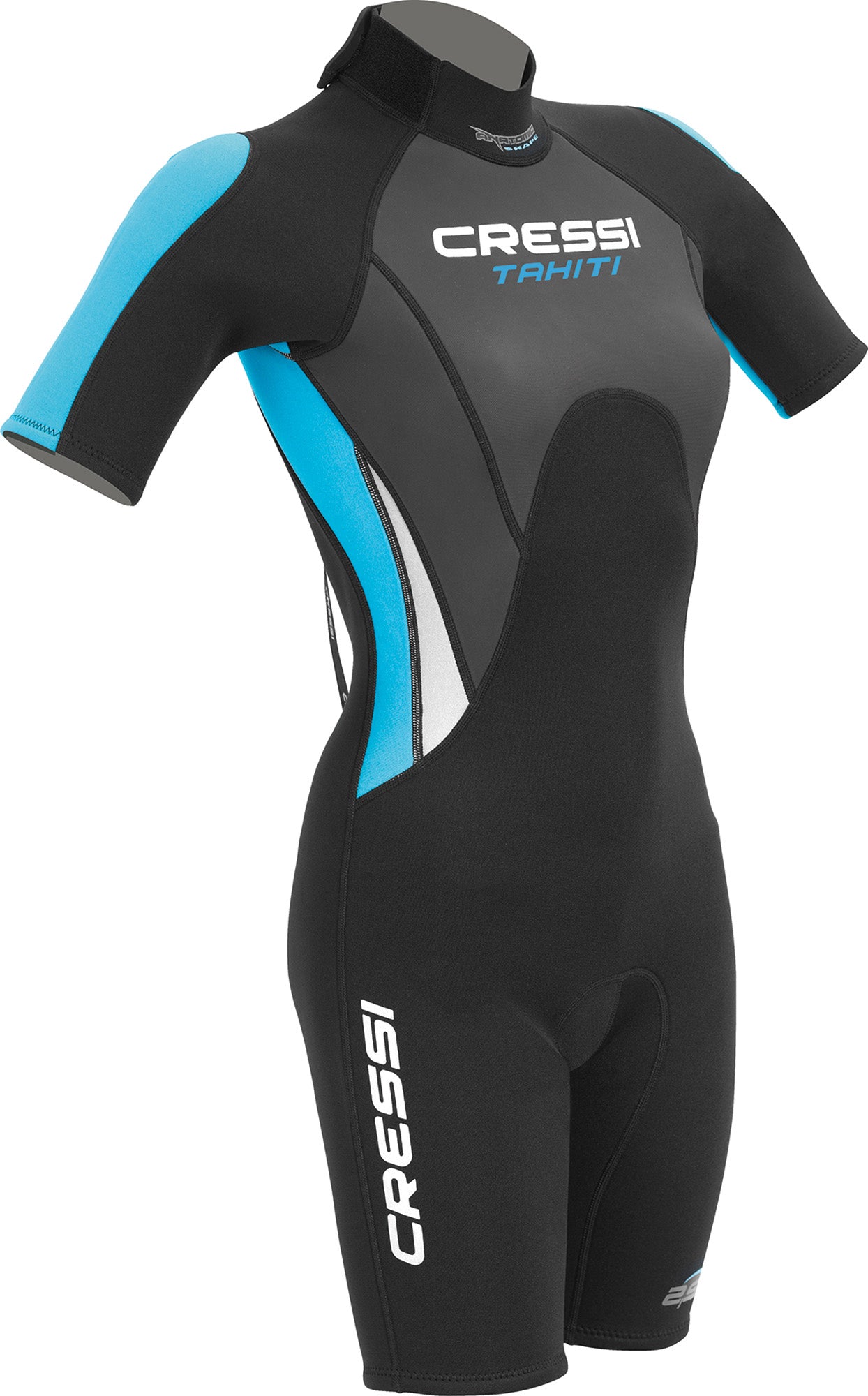
Wetsuits designed for freediving are not just for warmth but also for flexibility and hydrodynamics. These suits are tailored to provide insulation without restricting movement, allowing divers to glide through the water with minimal resistance.
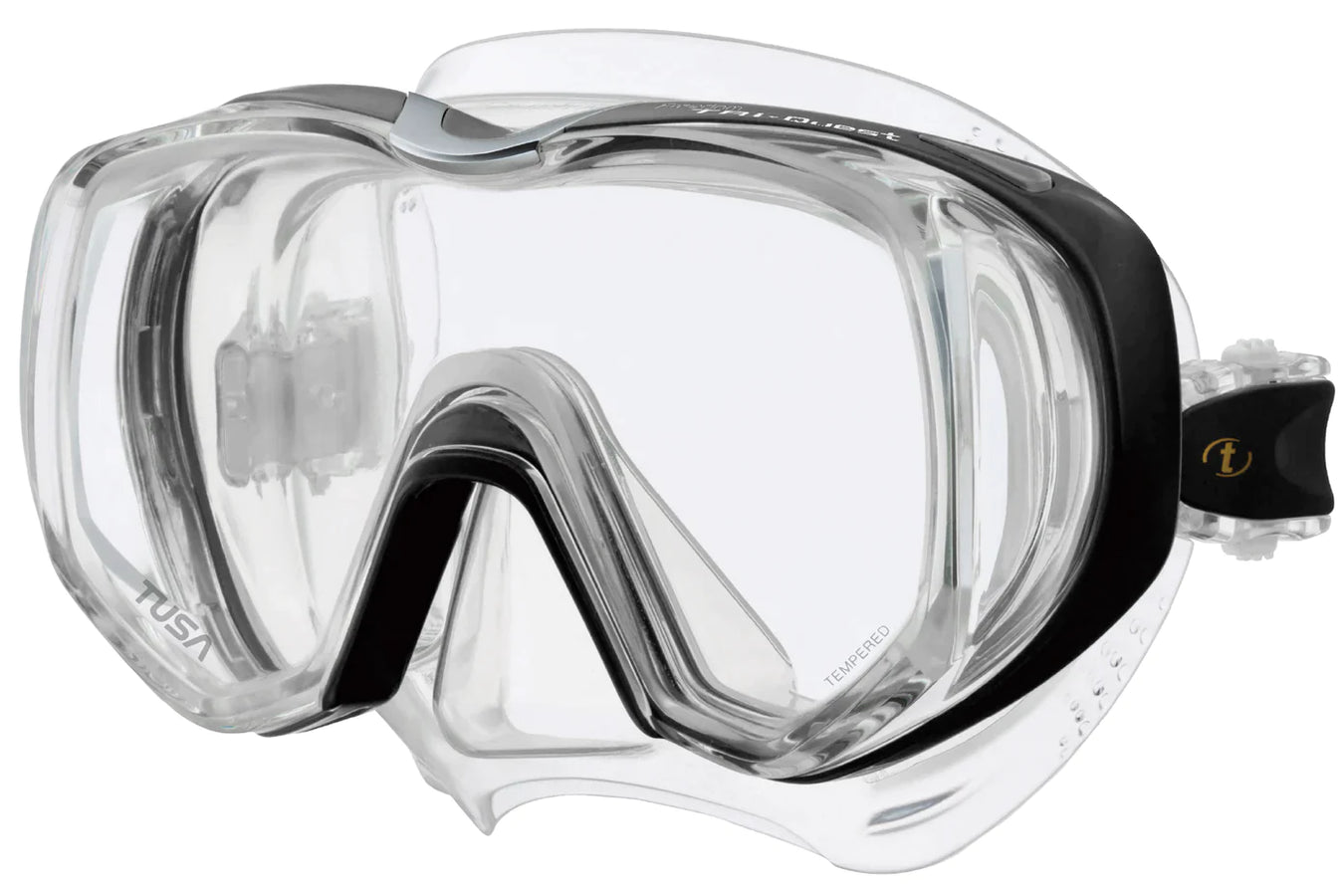
Fluid goggles, a key piece of equipment for freedivers, are designed to equalize pressure and prevent eye discomfort at depth. Their streamlined design and comfortable fit make them essential for clear vision and protection against the elements.
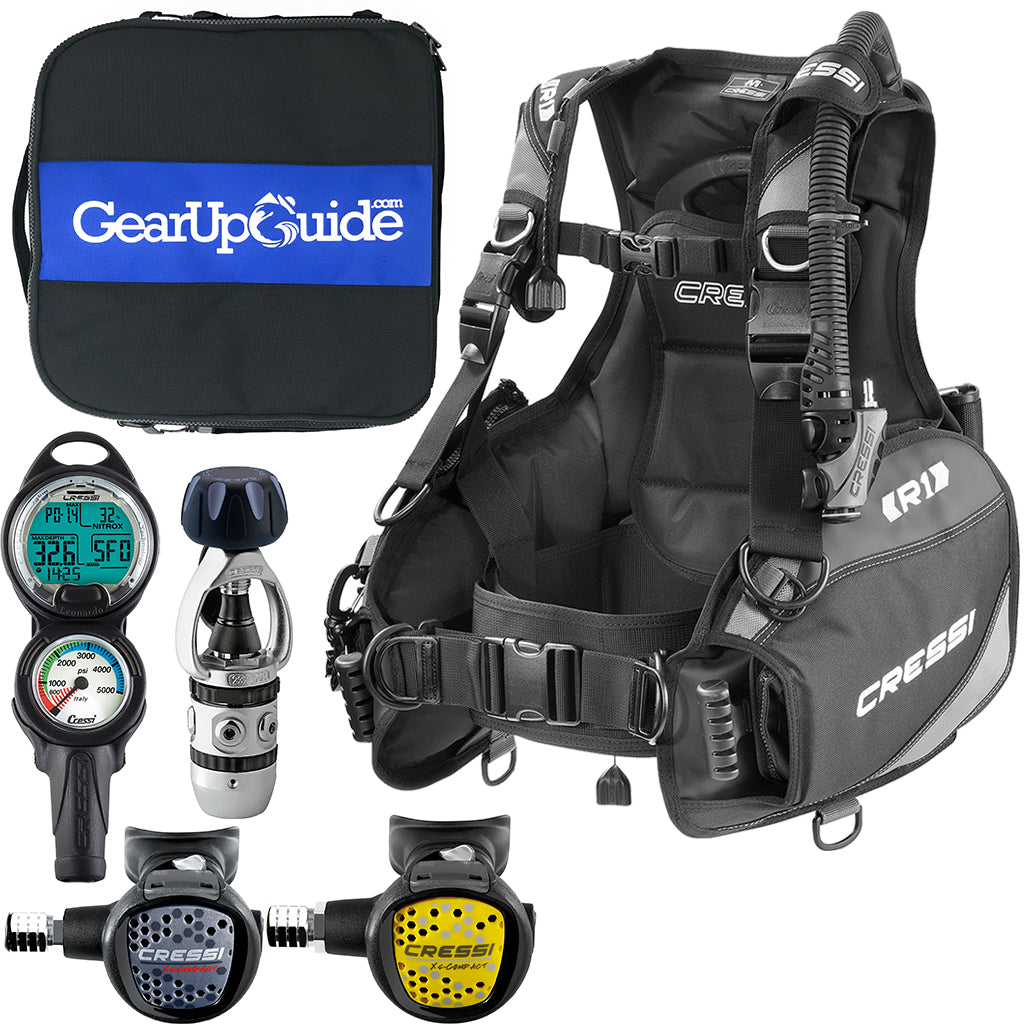
Modern freediving is aided by sophisticated diving computers that track depth, time, and vital signs during a dive. These devices provide real-time feedback to the diver, ensuring they stay within safe limits and avoid potential risks such as decompression sickness.
In addition to diving computers, safety devices like inflatable buoys and emergency oxygen kits are standard equipment for freedivers. These tools provide an added layer of security in case of emergencies and contribute to a diver's overall safety plan.
Behind every successful freediver is a rigorous training regimen that encompasses physical conditioning, breath-hold exercises, and mental preparation. Training programs are tailored to individual needs and goals, focusing on building strength, endurance, and technique.
Physical fitness is paramount in freediving, as it directly impacts a diver's ability to withstand the pressures of the deep and maintain optimal performance. Strength training, cardiovascular exercises, and flexibility routines are integral components of a freediver's physical conditioning regimen.
Core strength, in particular, plays a crucial role in maintaining proper body alignment and buoyancy underwater. Strengthening the core muscles helps divers conserve energy and improve their overall efficiency in the water.
Central to freediving is the ability to hold one's breath for extended periods while maintaining composure and control. Breath-hold techniques focus on increasing lung capacity, improving oxygen utilization, and managing carbon dioxide levels in the body.
Training exercises such as static apnea, dynamic apnea, and CO2 tolerance drills help divers develop the necessary breath-hold skills to dive deeper and stay longer underwater. These techniques are honed through consistent practice and gradual progression.
Preparing mentally for a freedive is as important as physical training. Visualization exercises, meditation, and relaxation techniques help divers calm their minds, focus their attention, and visualize successful dives before entering the water.
By mentally rehearsing each aspect of the dive, from the descent to the ascent, freedivers can reduce anxiety, build confidence, and enhance their overall performance. The mind-body connection in freediving is a powerful tool that can mean the difference between success and failure.
Freediving is more than a sport; it is an exploration of the self and the unknown depths of the ocean. It offers a unique opportunity for adventure, pushing divers to confront the limits of their fears and capabilities.
The allure of freediving lies in the exploration of uncharted waters and the mysteries they hold. From the haunting beauty of underwater caves to the serene silence of the deep blue, freediving offers a perspective of the world that few have the privilege to witness. It is an adventure into the heart of the natural world, a journey that enriches the soul.
Each dive is a personal challenge, an opportunity to surpass previous achievements and explore new depths. The pursuit of a freediving record embodies this spirit of adventure, driving individuals to explore the furthest reaches of human potential and the ocean's hidden realms.
At the core of freediving is a community bound by a shared passion for the underwater world and the challenges it presents. This community provides a network of support, knowledge, and camaraderie. Members share experiences, celebrate achievements, and provide encouragement, fostering a culture of safety and mutual respect.
The stories of those who have pursued the freediving record are sources of inspiration, showcasing the indomitable spirit of adventurers who dare to dream and dive deep. They remind us that within each of us lies the potential to explore, to achieve, and to transcend the ordinary.
As the freediving community continues to grow, so too does the spirit of camaraderie and collaboration among divers. Shared experiences, knowledge exchange, and mutual support contribute to a thriving community that values safety, respect, and the preservation of the underwater environment.
Are you inspired by the daring feats of freedivers and eager to explore the underwater realm yourself? Lancaster Scuba is your gateway to the depths. With our extensive selection of top-quality gear, expert diving instruction, and exhilarating dive trips, we are dedicated to enhancing your underwater journey. Whether you're a beginner or a seasoned diver, our PADI-certified courses and specialty offerings like Spearfishing will equip you with the skills needed to dive with confidence. Ready to take the plunge? Check out our scuba gear and start your own adventure into the unseen depths.


{"one"=>"Select 2 or 3 items to compare", "other"=>"{{ count }} of 3 items selected"}