

Exploring the Depths: Spearfishing in San Diego
Dive into the exhilarating world of spearfishing in San Diego! Discover the best spots, techniques, and gear for an unforgettable underwater adventure.
Read now
Scuba diving is a thrilling and captivating activity that allows you to explore the mesmerizing world beneath the waves. However, before you embark on your underwater adventures, it's crucial to have a solid understanding of scuba diving equipment terminology. This comprehensive guide will decode the jargon and equip you with the knowledge you need to make informed choices when it comes to your scuba gear. So, let's dive right in!
When it comes to scuba diving gear, the terminology can be overwhelming for beginners. However, familiarizing yourself with the essential terms will not only make your gear selection process easier but also deepen your understanding of the sport. Let's start by demystifying the terminology surrounding wetsuits and dry suits.
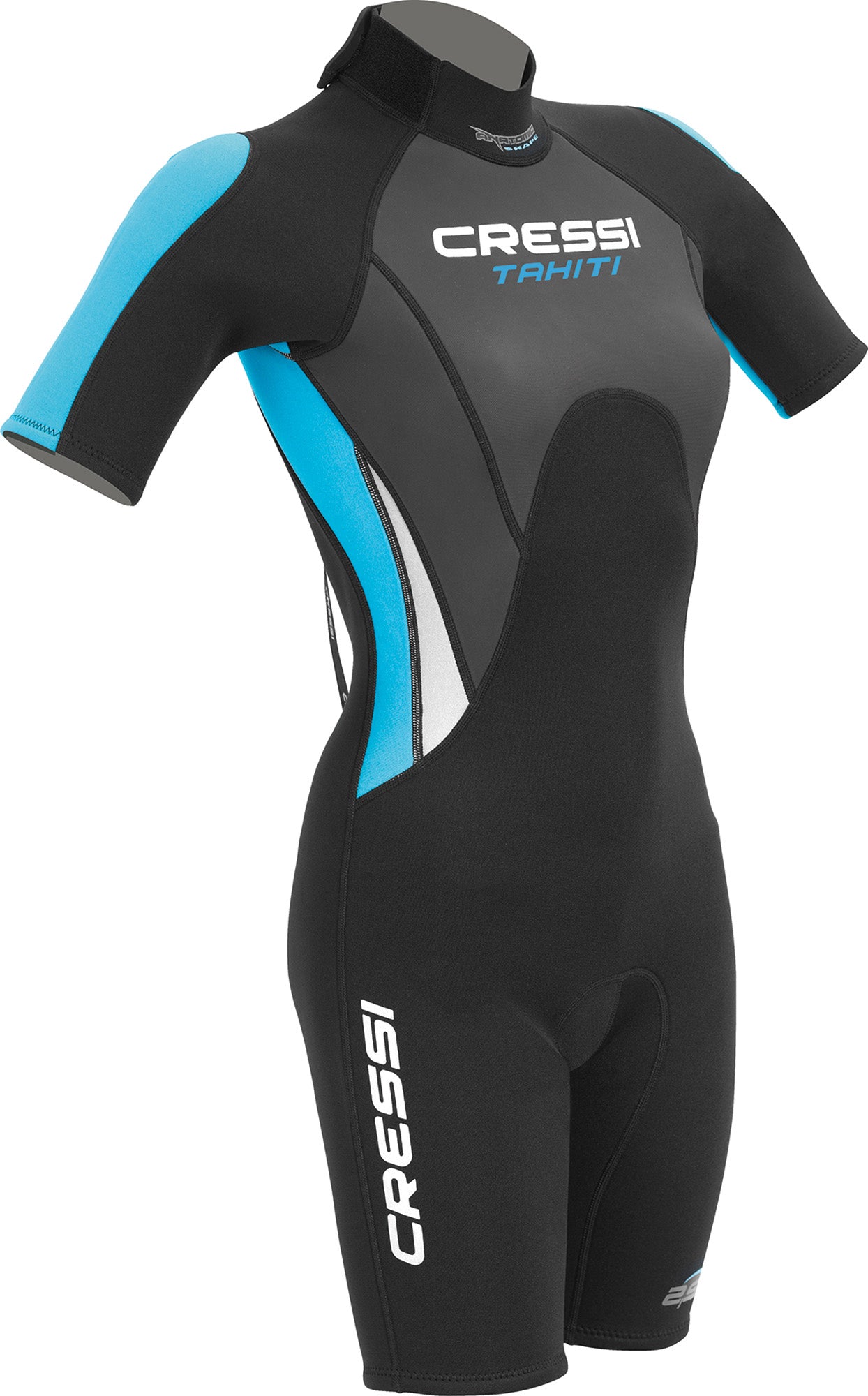
Wetsuits and dry suits are essential for maintaining body temperature while diving in different water temperatures. A wetsuit is designed to provide thermal insulation by trapping a thin layer of water between the suit and your skin. The thickness of a wetsuit is measured in millimeters, and it determines the suit's thermal protection. For warmer waters, a thinner wetsuit, such as a 3mm or 5mm, will suffice. In colder waters, a thicker wetsuit, ranging from 7mm to 9mm, is recommended.
On the other hand, a dry suit offers superior insulation by keeping water out entirely. It consists of waterproof material that prevents water from entering and allows you to wear insulation layers underneath. Dry suits are ideal for diving in extremely cold conditions or for extended periods underwater. However, they require proper training and practice to ensure their safe and effective use.
Scuba tanks, also known as cylinders, are essential for carrying breathing gas underwater. Understanding the terminology associated with these tanks is crucial for your safety and enjoyment while diving.
The first term to familiarize yourself with is the cylinder's capacity, which is measured in cubic feet or liters. You'll often come across common sizes like 80 cubic feet or 12 liters, but there are various options available to suit divers' needs.
Another important concept is the working pressure, typically measured in pounds per square inch (psi) or bar. This refers to the maximum pressure at which the cylinder can safely hold gas. It's important to note that different diving environments and gas mixtures may require specific working pressures, so consult with your instructor or dive shop to ensure you're using the correct cylinder for your needs.
Now that we've covered wetsuits, dry suits, and scuba tanks, let's delve into the world of dive computers and gauges. These devices play a crucial role in ensuring your safety and monitoring your dive parameters.
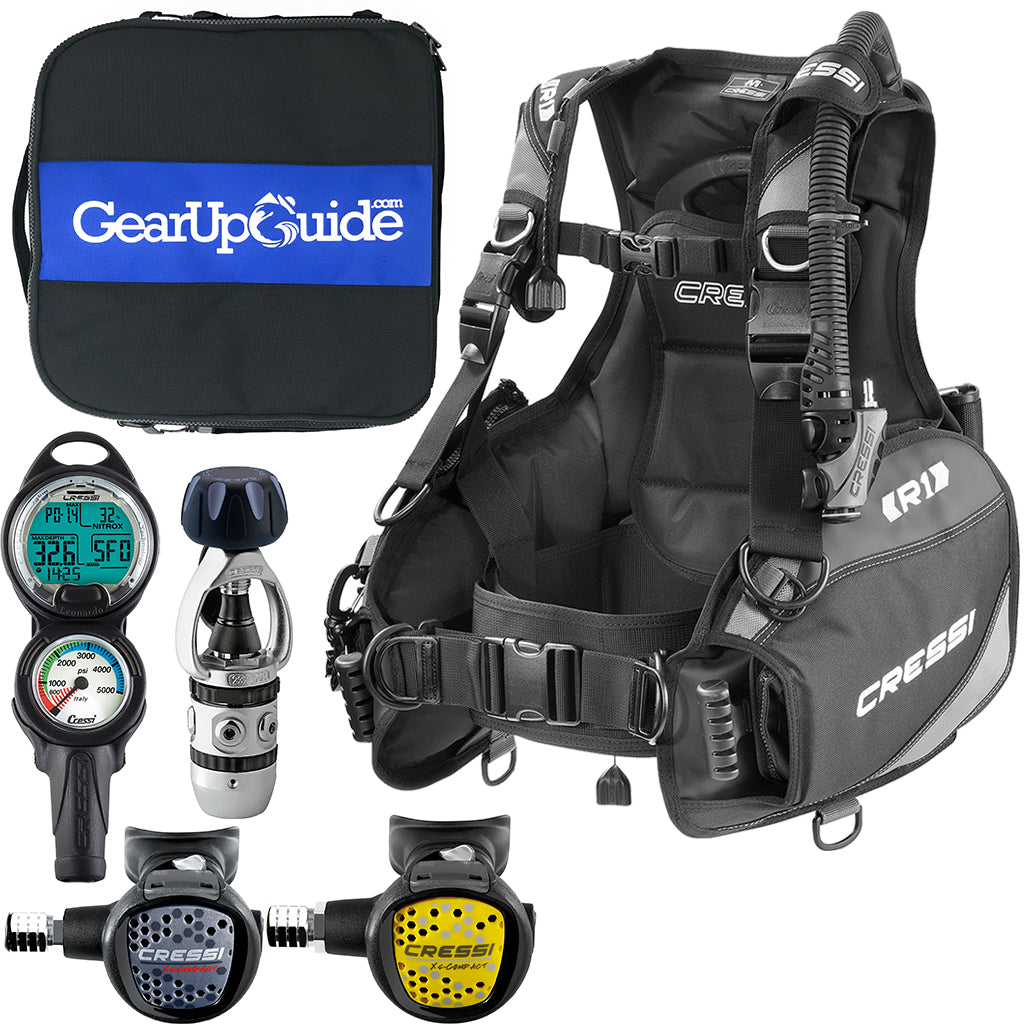
A dive computer is a device that calculates and displays important information about your dive, such as depth, time, and decompression limits. It helps you plan and execute your dives safely by providing real-time data and alerts. Dive computers come in various models and offer different features, so it's essential to choose one that suits your diving style and experience level.
In addition to a dive computer, you'll also need a pressure gauge and a depth gauge. The pressure gauge indicates the amount of gas remaining in your cylinder, allowing you to monitor your air consumption and plan your dive accordingly. The depth gauge, as the name suggests, measures your current depth underwater, providing you with crucial information for managing your ascent and descent.
By understanding the terminology and functionality of dive computers and gauges, you'll have the tools to make informed decisions and ensure a safe and enjoyable diving experience.
Accurate buoyancy control is an essential skill that allows divers to effortlessly float, ascend, or descend in the water. To achieve this, various equipment plays a crucial role. Let's explore the significance of BCDs and BCs in buoyancy control.
A BCD, or buoyancy control device, is an inflatable vest that enables you to control your buoyancy by adding or releasing air. It also serves as a harness for attaching your scuba tank and other equipment. BCDs come in different styles, such as jacket-style or backplate-and-wing systems, offering divers a variety of options to suit their comfort and diving needs.
BC, or buoyancy compensator, often refers to the air bladder component of a BCD. It acts as an adjustable buoyancy device, allowing divers to float at the water's surface or descend to various depths. By adding air to the BC, you become more buoyant, while releasing air gradually reduces your buoyancy.
Aside from BCDs and BCs, another crucial factor in buoyancy control is the diver's breathing. As divers inhale, their bodies become more buoyant due to the expansion of the lungs with air. Conversely, when they exhale, their buoyancy decreases as the volume of air in the lungs reduces. Mastering the art of breathing control underwater is key to achieving precise buoyancy adjustments without solely relying on the BCD.
Furthermore, understanding the effects of water temperature on buoyancy is essential for divers. Cold water is denser than warm water, which can impact buoyancy levels. Divers may need to adjust their weight systems or the amount of air in their BCDs based on the water temperature to maintain optimal buoyancy control throughout the dive. Being aware of these environmental factors and making necessary adjustments demonstrates a diver's proficiency in mastering buoyancy control.
The regulator is a critical part of your scuba gear that allows you to breathe underwater by delivering air from your tank. Understanding the functions of the first stage and second stage regulators is vital for safe and comfortable diving.
When considering scuba regulators, it's important to also take into account the type of environment you'll be diving in. For cold water diving, regulators with environmental seals are recommended to prevent freezing in low temperatures. On the other hand, warm water diving may require regulators with different features such as lightweight materials for travel convenience.
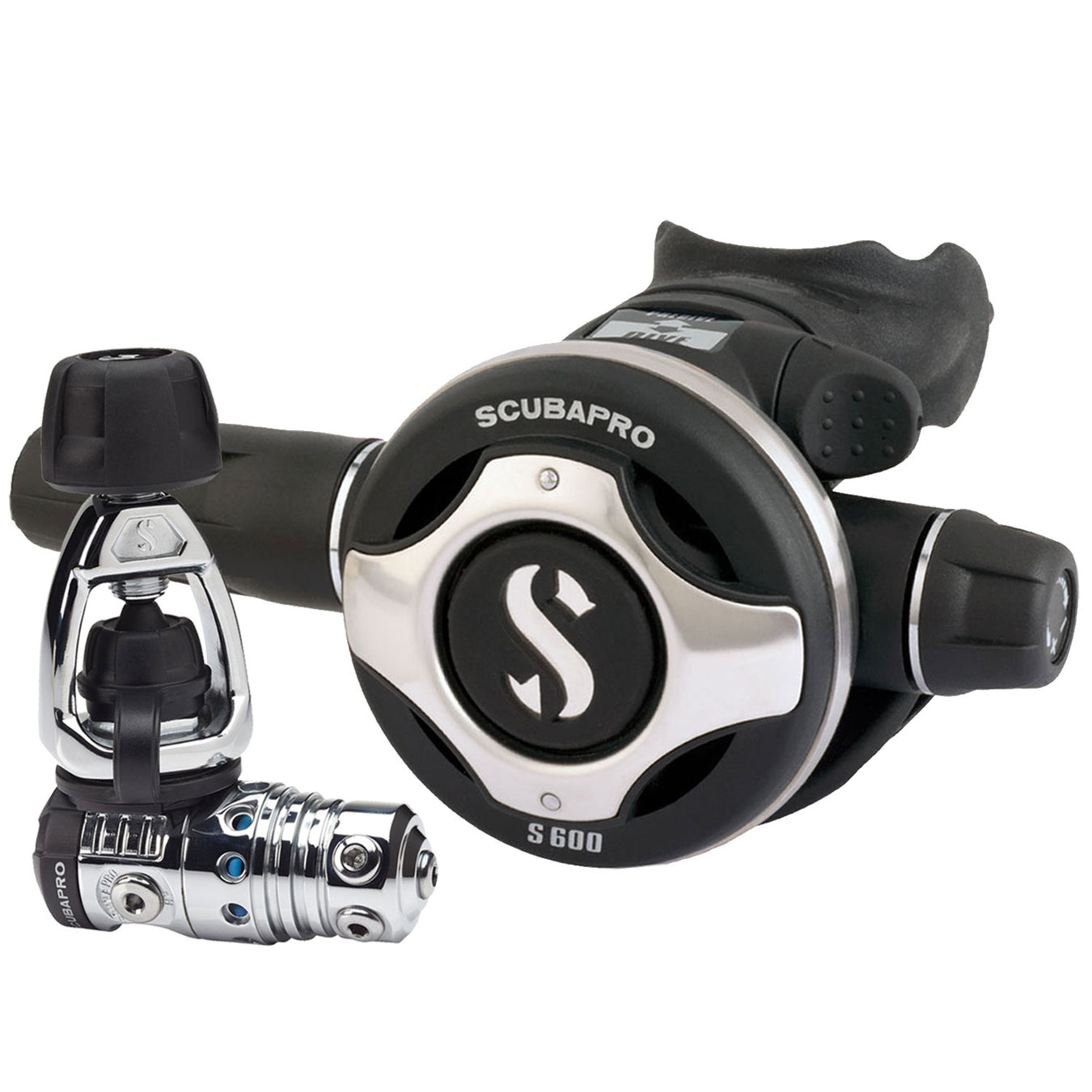
The first stage regulator connects to your scuba tank and reduces the high-pressure air to an intermediate pressure, which is then delivered to the second stage. It acts as the primary pressure regulator and ensures a consistent flow of air throughout your dive, regardless of tank pressure.
Additionally, some first stage regulators come with multiple high-pressure ports, allowing for the attachment of pressure gauges and dive computers to monitor air supply and depth. This added feature can enhance your diving experience by providing valuable information at a glance.
The second stage regulator is the part you breathe through. It takes the intermediate pressure air from the first stage and delivers it to your mouthpiece. Modern second stage regulators are designed to provide smooth and effortless breathing, making your underwater experience more enjoyable.
While the primary second stage regulator is your main source of breathing air, having an alternate second stage regulator, also known as an octopus or safe second, is crucial for safety. This additional regulator is attached to a longer hose and serves as a backup for you or a buddy in case of an emergency, allowing for easy sharing of air.
Furthermore, some advanced alternate second stage regulators come with features like adjustable breathing resistance to suit individual preferences and diving conditions. This customization can make a significant difference in comfort and performance during challenging dives.
Now that you're versed in the essentials of scuba diving equipment terminology, take the next step with Lancaster Scuba. Whether you're gearing up for your first dive or looking to enhance your underwater experience, we've got you covered with our extensive selection of scuba and water sports gear. From top-notch rentals and services to PADI certification courses and exotic dive trips, Lancaster Scuba is your one-stop shop for all things diving. Check out our scuba gear today and embrace the adventure that awaits beneath the waves with "Gear. Dive. Travel."


{"one"=>"Select 2 or 3 items to compare", "other"=>"{{ count }} of 3 items selected"}