

Exploring the Depths: Spearfishing in San Diego
Dive into the exhilarating world of spearfishing in San Diego! Discover the best spots, techniques, and gear for an unforgettable underwater adventure.
Read now
As a diver, there is nothing more frustrating than having your mask fog up while exploring the underwater world. Not only does it obstruct your vision, but it can also be dangerous if you're unable to see potential hazards or communicate effectively with your dive buddy. In this ultimate guide, we will explore various strategies and techniques to prevent mask fog and ensure a safe and enjoyable diving experience.
Before we delve into the specific methods to combat mask fog, it's important to address the crucial steps you should take before every dive. Proper preparation is key to preventing unforeseen issues underwater and maximizing your adventure beneath the waves.
When preparing for a dive, it's not just about checking your gear and ensuring your mask is clear of fog. It's also essential to consider factors such as weather conditions, currents, and dive site specifics. Researching the location and understanding any potential hazards can help you plan accordingly and stay safe during your underwater exploration.
One of the primary causes of mask fog is residue or debris on the inside of your mask. To avoid this, it's essential to clean and maintain your gear regularly. Rinse your mask thoroughly with fresh water after each dive to remove salt and other contaminants. Additionally, consider using a mask defogger to create a protective coating that prevents fogging.
Proper equipment maintenance goes beyond just your mask. It's crucial to inspect all your gear, including your wetsuit, fins, and dive computer, to ensure everything is functioning correctly. Regularly servicing your equipment and replacing any worn-out parts can prevent malfunctions during your dive and contribute to a smoother underwater experience.
While preventing mask fog is important, safety should always be your top priority when diving. Before each dive, conduct a thorough equipment check to ensure everything is in proper working order. This includes inspecting your mask for any cracks or leaks that could contribute to fogging. Remember to also check your regulator, buoyancy compensator device (BCD), and other essential gear.
Additionally, make sure you are properly trained and certified for the dive you are undertaking. Diving with an experienced buddy or a professional dive guide can greatly enhance your safety and overall experience. Remember, adventure awaits, but it should always be balanced with caution and responsibility.
By following these pre-dive preparation tips and prioritizing safety, you can set yourself up for a successful and enjoyable underwater adventure. Remember, a well-prepared diver is a confident diver, ready to explore the wonders of the ocean with peace of mind.
When it comes to defogging your mask, not all solutions are created equal. There are a plethora of mask defogger options available, so it's important to choose one that suits your needs and preferences.
One popular choice is a defogging gel or spray that can be applied to the inside of your mask before each dive. These products create a thin protective layer that prevents condensation from forming on the glass, ensuring clear visibility throughout your dive. Some defoggers even contain natural ingredients, making them eco-friendly alternatives.
If you prefer a more DIY approach, there are homemade defogger solutions you can try. Many divers swear by a mixture of baby shampoo and water, as it is inexpensive and readily available. Simply apply a small amount to the inside of your mask, rinse it thoroughly, and enjoy fog-free diving.
Remember, choosing the right mask defogger is a personal preference, so don't be afraid to experiment and find the solution that works best for you. Adventure awaits, and with a clear mask, you'll be ready to explore the underwater wonders in all their glory.
Another effective method for preventing mask fogging is to burn the inner side of the lens with a lighter. This technique creates a thin layer of soot that can then be rinsed off, leaving behind a surface that resists fogging. However, it is essential to be cautious when using this method to avoid damaging the mask or causing injury.
For those who prefer a more high-tech solution, there are electronic mask defoggers available on the market. These devices use ultrasonic waves to prevent fogging by disrupting the water molecules on the lens surface. While more expensive than traditional defoggers, electronic options provide a hands-free and long-lasting solution for clear visibility underwater.
To truly enhance your diving experience and prevent mask fog, it's crucial to build healthy habits that promote optimal physical and mental well-being. These habits will not only improve your diving performance but also ensure safety and enjoyment throughout your underwater adventures.
Establishing a routine that includes proper hydration is key to maintaining peak physical condition for diving. Staying well-hydrated helps regulate body temperature and supports overall cardiovascular health, essential for withstanding the demands of extended time underwater.
Freediving allows you to explore the depths without the constraints of traditional scuba equipment. To excel in this exhilarating sport, it's essential to focus on mental clarity and physical fitness.
Mindfulness and meditation practices can help calm the mind and reduce anxiety, allowing you to fully immerse yourself in the underwater environment. Breathing exercises, such as diaphragmatic breathing, can also increase lung capacity and improve overall breath-holding capabilities.
Physical fitness plays an equally important role in freediving performance. Incorporate cardiovascular exercises, strength training, and flexibility routines into your regular workout regimen. Stronger muscles and increased lung capacity will not only help prevent mask fog but also support your body's ability to withstand the pressures of diving.
Additionally, incorporating yoga or Pilates into your fitness routine can enhance your body's flexibility and core strength, crucial for maintaining proper diving form and reducing the risk of injury during descents and ascents.
If you're new to freediving, understanding the necessary equipment is essential for a safe and enjoyable experience. The right gear can significantly reduce the chances of mask fog and ensure optimal performance underwater.
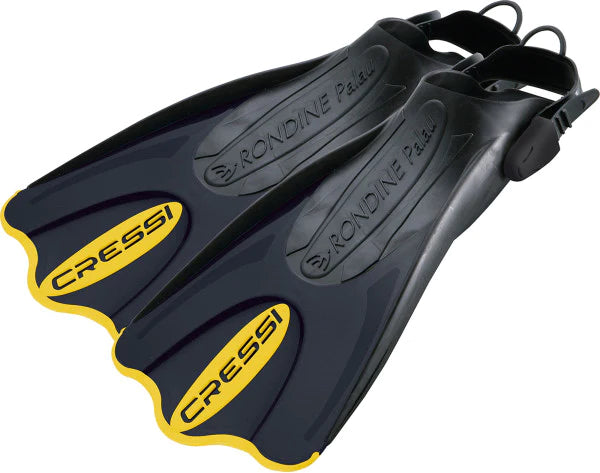
When it comes to embarking on your freediving journey, it's important to not only focus on the basic gear but also consider additional accessories that can enhance your overall experience. One such accessory is a pair of freediving fins, which are designed to help you move efficiently through the water with minimal effort. Look for fins that are comfortable, lightweight, and provide good propulsion to help you conserve energy and dive deeper.
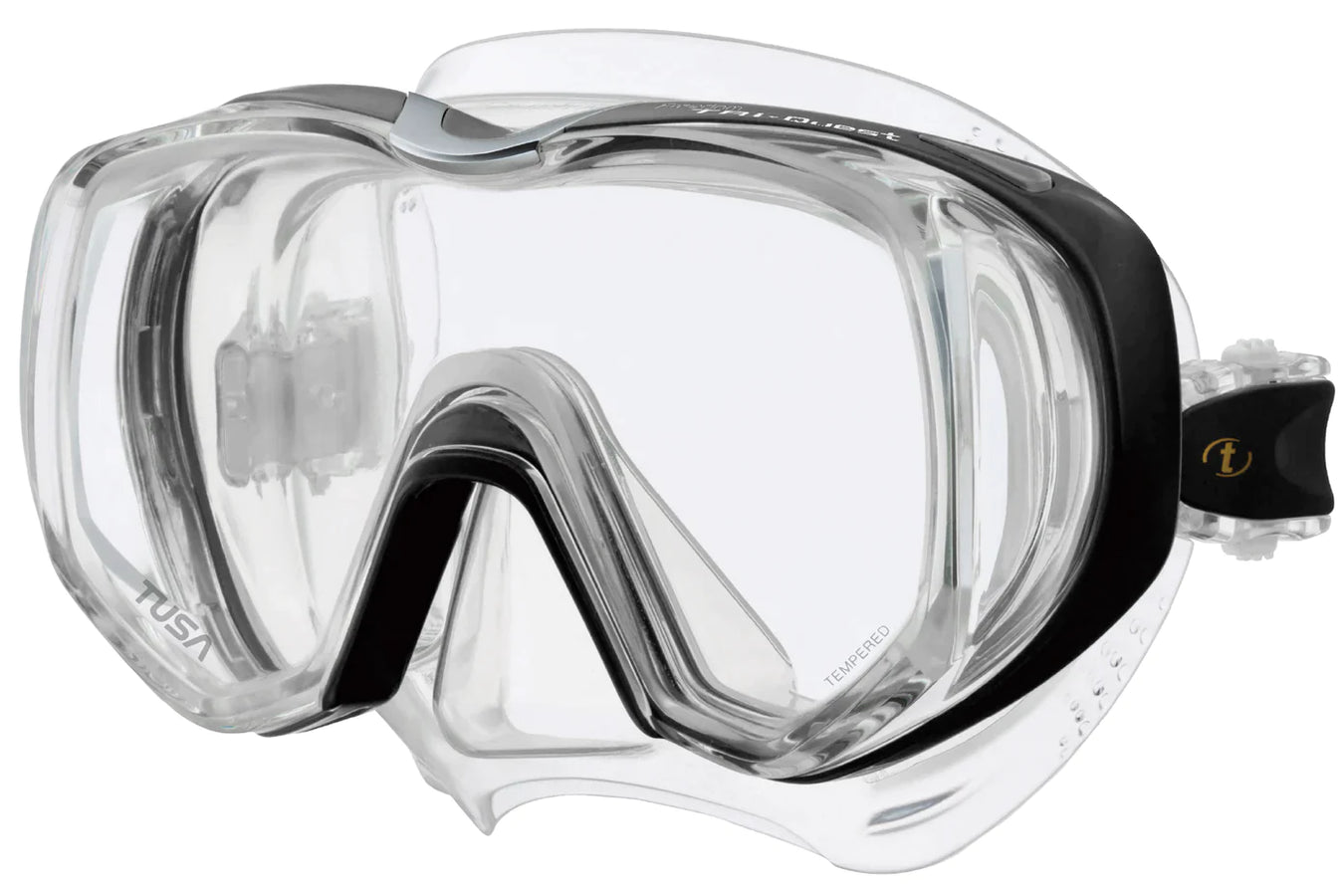
At the core of any freediving kit is a high-quality mask that fits securely and comfortably. Look for masks with soft silicone skirts and tempered glass lenses, as they provide a tight seal and excellent visibility.
A well-fitting snorkel is also crucial, allowing you to conserve energy by breathing efficiently at the surface. Opt for a dry-top snorkel to prevent water entry and minimize the risk of mask fogging.
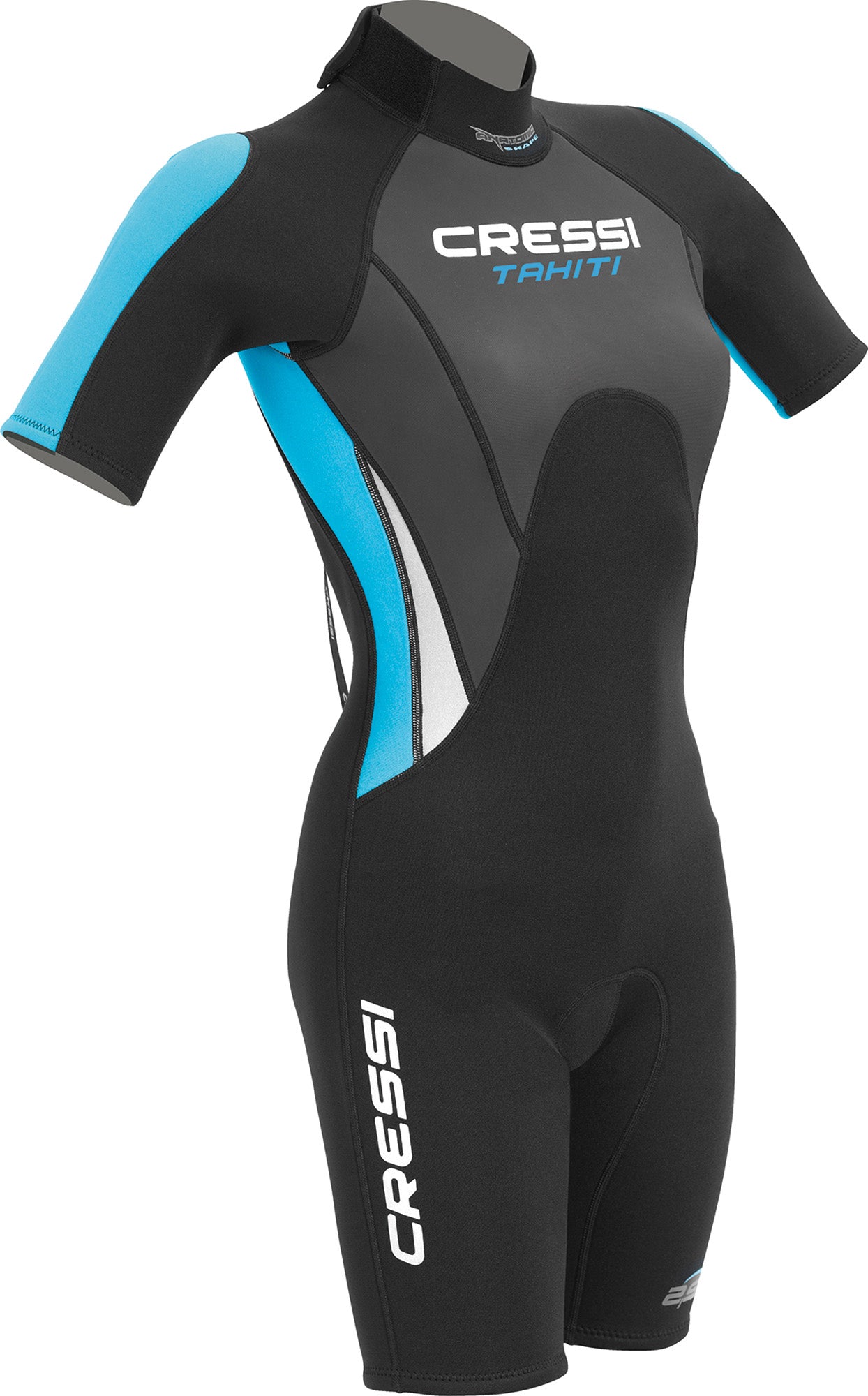
Lastly, invest in a quality wetsuit that provides thermal protection and allows for maximum mobility. Remember, comfort and safety go hand in hand when it comes to selecting the right gear for your freediving adventures.
Additionally, consider adding a weight belt to your gear setup to help you achieve proper buoyancy control during descents and ascents. A weight belt can be adjusted to suit your individual needs and diving conditions, ensuring that you can achieve the ideal balance underwater.
For underwater photographers and videographers, preventing water damage to camera gear is of utmost importance. Mask fog can be particularly infuriating when it obstructs the viewfinder or lens, ruining those precious underwater shots.
When it comes to underwater photography, one cannot underestimate the significance of a well-maintained camera housing. Ensuring that your housing is leak-proof is crucial for safeguarding your expensive equipment from water damage. Proper maintenance starts with a thorough inspection of the O-rings before each dive. These small but mighty rubber rings play a vital role in creating a watertight seal. Look out for any signs of wear or damage on the O-rings, as even the smallest imperfection can lead to a disastrous leak.
The first line of defense against water damage is to ensure your camera housing is properly sealed and maintained. Before every dive, inspect the O-rings for any signs of wear or damage. Grease the O-rings with silicone lubricant to maintain their flexibility and create a watertight seal.
Consider investing in a defogging solution specifically designed for camera lenses. Applying a thin layer of defogger to your lens before each dive can prevent condensation and ensure clear, sparkling images.
Don't forget to regularly rinse your camera housing with fresh water after each dive, removing any salt or debris that can compromise its integrity. Storage in a dry and well-ventilated area will also help prevent mold and other damages caused by moisture.
Furthermore, it's advisable to carry spare O-rings and a small tube of silicone grease in your camera bag. In the event of an O-ring failure, having these backup supplies can save your dive and your equipment. Additionally, consider investing in a vacuum pump system for your camera housing. This advanced tool allows you to test the integrity of the seal before each dive, giving you peace of mind and confidence in your gear.
Preventing mask fog is a crucial aspect of ensuring a safe and enjoyable diving experience. By following these strategies, you can maintain clear vision underwater, capture stunning images, and fully immerse yourself in the awe-inspiring wonders of the underwater world.
Remember, adventure awaits, and with a fog-free mask, you can embark on extraordinary underwater journeys with confidence and excitement. Stay prepared, stay safe, and let your diving adventures be filled with endless possibilities and breathtaking discoveries.
Ready to dive into your next underwater adventure with a clear view? Lancaster Scuba is here to equip you with top-notch scuba gear and the knowledge to use it. From beginner to pro, we've got all your diving needs covered. Check out our scuba gear and start your journey with the best equipment on the market. Gear up, dive in, and travel to the most breathtaking underwater destinations with Lancaster Scuba. Your clear vision underwater begins here!


{"one"=>"Select 2 or 3 items to compare", "other"=>"{{ count }} of 3 items selected"}