

Exploring the Depths: Spearfishing in San Diego
Dive into the exhilarating world of spearfishing in San Diego! Discover the best spots, techniques, and gear for an unforgettable underwater adventure.
Read now
Are you ready to dive into the exciting world of scuba diving? Before you take the plunge, there's one important step you should never skip - performing a buddy check. This simple yet crucial procedure can mean the difference between a safe and enjoyable dive and a potentially dangerous situation. In this comprehensive guide, we will walk you through the importance of buddy checks, the significance of the popular BWRAF safety protocol, memorization techniques to remember BWRAF, the benefits of incorporating BWRAF in water activities, and essential tips for PADI Rescue Diver preparation.
So why should you bother with buddy checks? Well, aside from being a basic safety requirement, buddy checks significantly reduce the chances of accidents and equipment malfunctions underwater. By taking a few minutes before each dive to go through a thorough buddy check, you and your buddy can ensure that each other's equipment is functioning properly and that you are both prepared for the adventure ahead.
When it comes to scuba diving, safety should always be the top priority. The underwater world is a beautiful and captivating place, but it can also be unpredictable and unforgiving. That's why it's crucial to establish a routine of performing buddy checks before every dive.
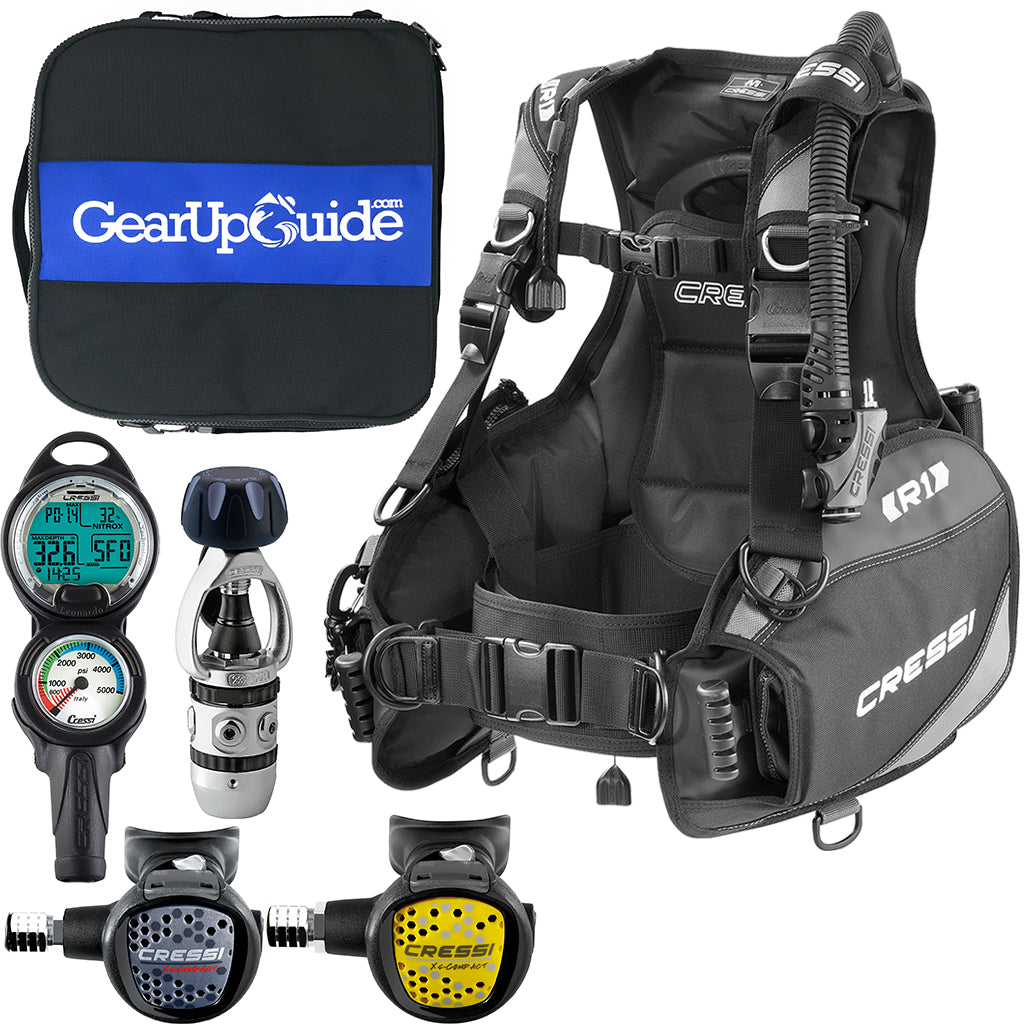
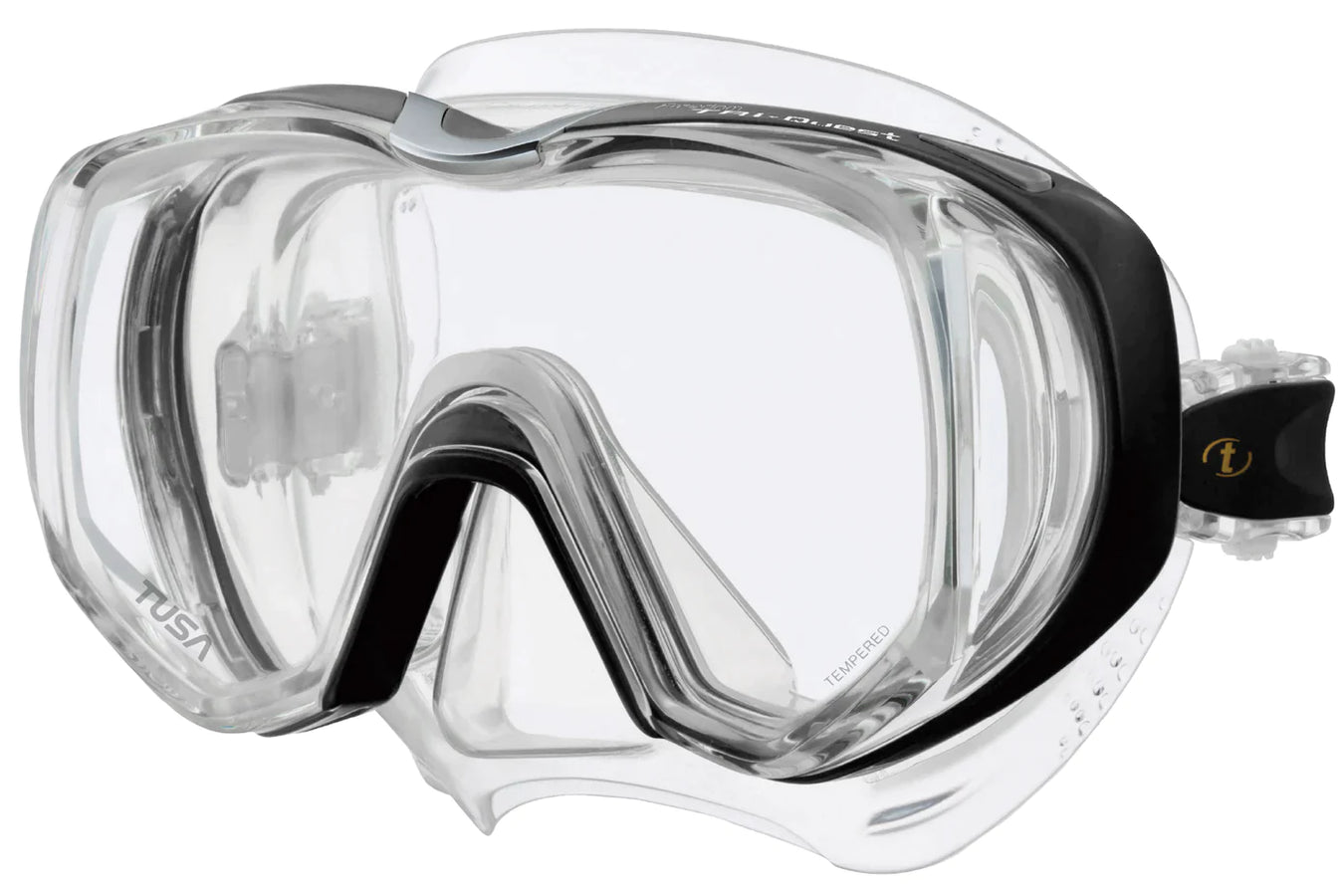
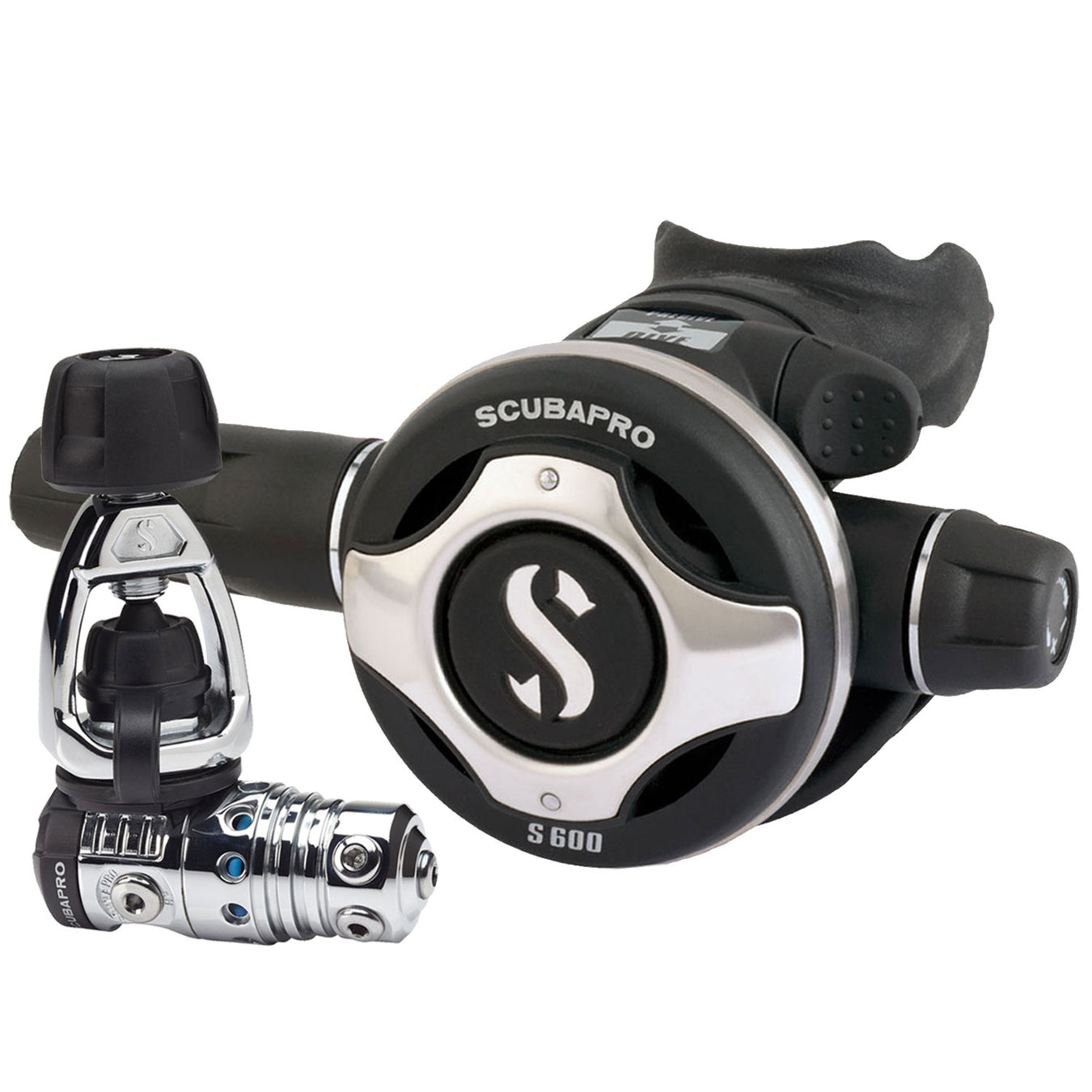
During a buddy check, you and your dive buddy will inspect each other's equipment to make sure everything is in working order. This includes checking the air supply, adjusting the buoyancy compensator devices (BCDs), reviewing the weight system, inspecting the regulator, and examining the mask and fins. By going through this checklist together, you can identify any potential issues or malfunctions before they become a problem underwater.
Performing a buddy check is easier than you might think! Here's a step-by-step guide to help you conduct a comprehensive check:
By following these steps, you can have peace of mind knowing that you and your buddy are well-prepared for the dive ahead. However, it's important to be aware of some common mistakes that divers often make during buddy checks.
Even though buddy checks are straightforward, there are a few common mistakes that are worth highlighting:
Remember, buddy checks are not just a formality – they are a crucial part of ensuring a safe and enjoyable diving experience. By taking the time to perform thorough checks and avoiding common mistakes, you and your buddy can dive with confidence, knowing that you are well-prepared for whatever the underwater world has in store.
If you've been in the diving community long enough, you've probably heard of BWRAF. This acronym stands for Buoyancy, Weights, Releases, Air, and Final Check - a five-step safety protocol that every diver should follow. Let's dive deeper into each step:
Each letter in BWRAF represents an important aspect of dive safety:
Whether you're diving in a tropical reef or exploring a deep cave, the BWRAF protocol applies to all types of diving environments. However, it's important to adapt the protocol to suit specific conditions. For example, in strong current dives, extra attention should be given to the buoyancy and release steps to ensure stability and prevent entanglement.
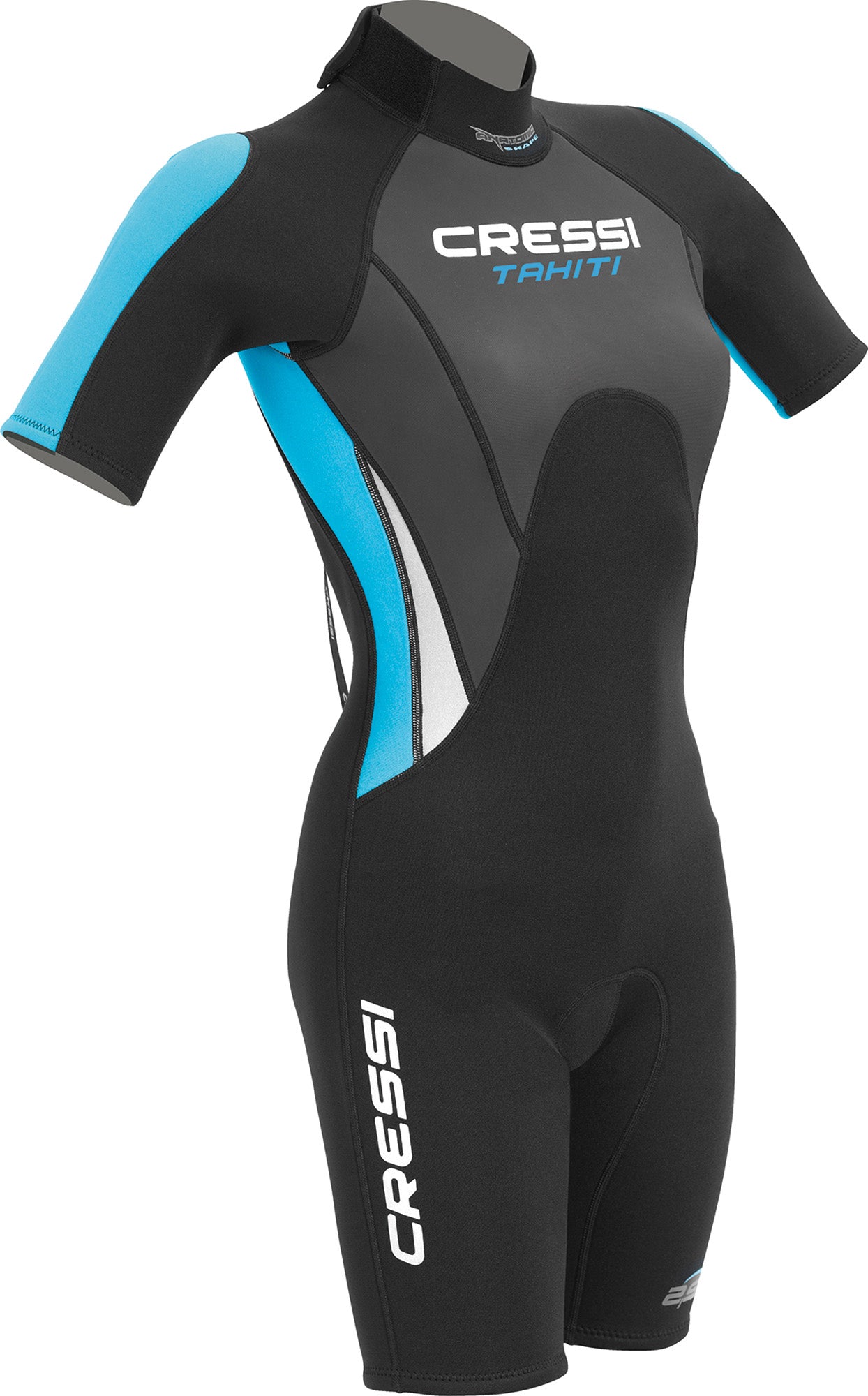
Moreover, when diving in colder waters, divers need to consider the impact of exposure suits on their buoyancy and weight distribution. Thicker wetsuits or drysuits can compress at depth, affecting buoyancy levels and potentially causing uncontrolled descents if not properly managed. It is crucial for divers to adjust their weight systems accordingly to maintain proper trim and buoyancy control throughout the dive.
Additionally, in low visibility environments such as murky lakes or deep wrecks, the releases step becomes even more critical. Ensuring that all buckles and straps are not only secure but also easily accessible in limited visibility can make a significant difference in emergency situations. Divers must practice muscle memory drills to swiftly locate and operate their gear's releases without hesitation, enhancing their overall safety and preparedness underwater.
Remembering the steps of BWRAF may seem challenging at first, but with the right mnemonic devices, you can easily commit them to memory.
Understanding and implementing the BWRAF protocol is crucial for scuba divers as it ensures a safe and systematic approach to diving. Each letter in BWRAF represents a critical step in the pre-dive safety check: Buoyancy, Weights, Releases, Air, and Final Check. By following these steps diligently, divers can minimize risks and enjoy a smooth diving experience.
Here are a few fun and easy-to-remember devices to help you recall each step of BWRAF:
These mnemonic devices provide divers with creative ways to remember the sequence of BWRAF steps, making it easier to perform the pre-dive safety check accurately and efficiently.
To truly internalize BWRAF, practice drills can enhance your familiarity with the steps. Set aside time before each dive to perform the protocol repeatedly until it becomes second nature. Repetition is key in building muscle memory and ensuring that you won't miss a step when it matters most.
Engaging in mock scenarios where you go through the BWRAF process under different conditions, such as low visibility or simulated equipment malfunctions, can further reinforce your ability to execute the protocol under various circumstances. By practicing consistently and incorporating different variables into your drills, you can sharpen your skills and increase your confidence in applying the BWRAF checklist effectively.
Now that you are well-versed in the importance of buddy checks and the BWRAF safety protocol, let's delve into how implementing these practices can enhance safety in various water activities.
Understanding the intricacies of the BWRAF protocol is crucial for ensuring a safe and enjoyable experience in water activities. Beyond just a checklist, BWRAF stands for: Begin with a buddy check, Water entry, Regulator recovery, Air check, and Final check. Each step plays a vital role in mitigating risks and promoting a culture of safety among divers and swimmers.
By following the steps of BWRAF, divers and swimmers can greatly minimize the risk of accidents and equipment failures. The protocol ensures that crucial elements, such as buoyancy control, air supply, and equipment integrity, are carefully monitored before embarking on any water adventure. This leads to a safer and more enjoyable experience for everyone involved.
Moreover, the discipline instilled by consistently practicing BWRAF fosters a sense of responsibility and attentiveness among water enthusiasts. This mindset not only enhances personal safety but also contributes to a collective culture of vigilance and support within the water activity community.
There have been numerous documented cases where following the BWRAF protocol has saved lives. One such example is when a diver's air supply became disconnected at a depth of 30 meters. Thanks to a thorough buddy check and the use of BWRAF, the diver's buddy noticed the issue immediately and was able to assist, preventing a potentially fatal situation.
Another compelling instance showcases how BWRAF extends beyond individual safety to create a network of guardianship underwater. In a group diving expedition, a member experienced a sudden equipment malfunction. Through the collective adherence to BWRAF, fellow divers swiftly intervened, demonstrating the power of preparedness and teamwork in averting emergencies.
If you're looking to take your diving skills to the next level and become a PADI Rescue Diver, proper preparation is vital. Here are some essential tips to get you started:
The PADI Rescue Diver course requires a high level of physical fitness and mental preparedness. Engaging in regular exercise and maintaining a healthy lifestyle will enhance your endurance and overall performance during training. Additionally, ensure that you are mentally prepared to handle challenging situations and make quick decisions under pressure.
Before embarking on your PADI Rescue Diver course, make sure you have all the necessary equipment. The checklist may include a BCD, regulator with gauges, weights, exposure suit, dive computer, compass, mask, fins, snorkel, and a signaling device. Double-checking your equipment ensures a smooth and safe training experience.
By now, you should have a solid understanding of the importance of buddy checks and the significance of the BWRAF safety protocol. Remember, safety should always be your top priority while enjoying the adventure-filled world of scuba diving. So, take your time, perform thorough buddy checks, and always follow the BWRAF protocol. Happy diving!
Now that you're equipped with the knowledge of performing dive buddy checks and the BWRAF safety protocol, it's time to gear up for your next underwater adventure. Lancaster Scuba is your one-stop destination for all your diving needs. From top-notch equipment to expert training and unforgettable dive trips, we've got you covered. Check out our scuba gear and start planning your dive today. Dive into safety, dive into fun, dive with Lancaster Scuba - Gear. Dive. Travel.


{"one"=>"Select 2 or 3 items to compare", "other"=>"{{ count }} of 3 items selected"}