

Exploring the Depths: Spearfishing in San Diego
Dive into the exhilarating world of spearfishing in San Diego! Discover the best spots, techniques, and gear for an unforgettable underwater adventure.
Read now
Welcome to the ultimate guide to freediving! Whether you're a seasoned enthusiast or just getting started, this comprehensive article will take you through the various disciplines and gear essentials of this thrilling underwater sport. Let's dive in!
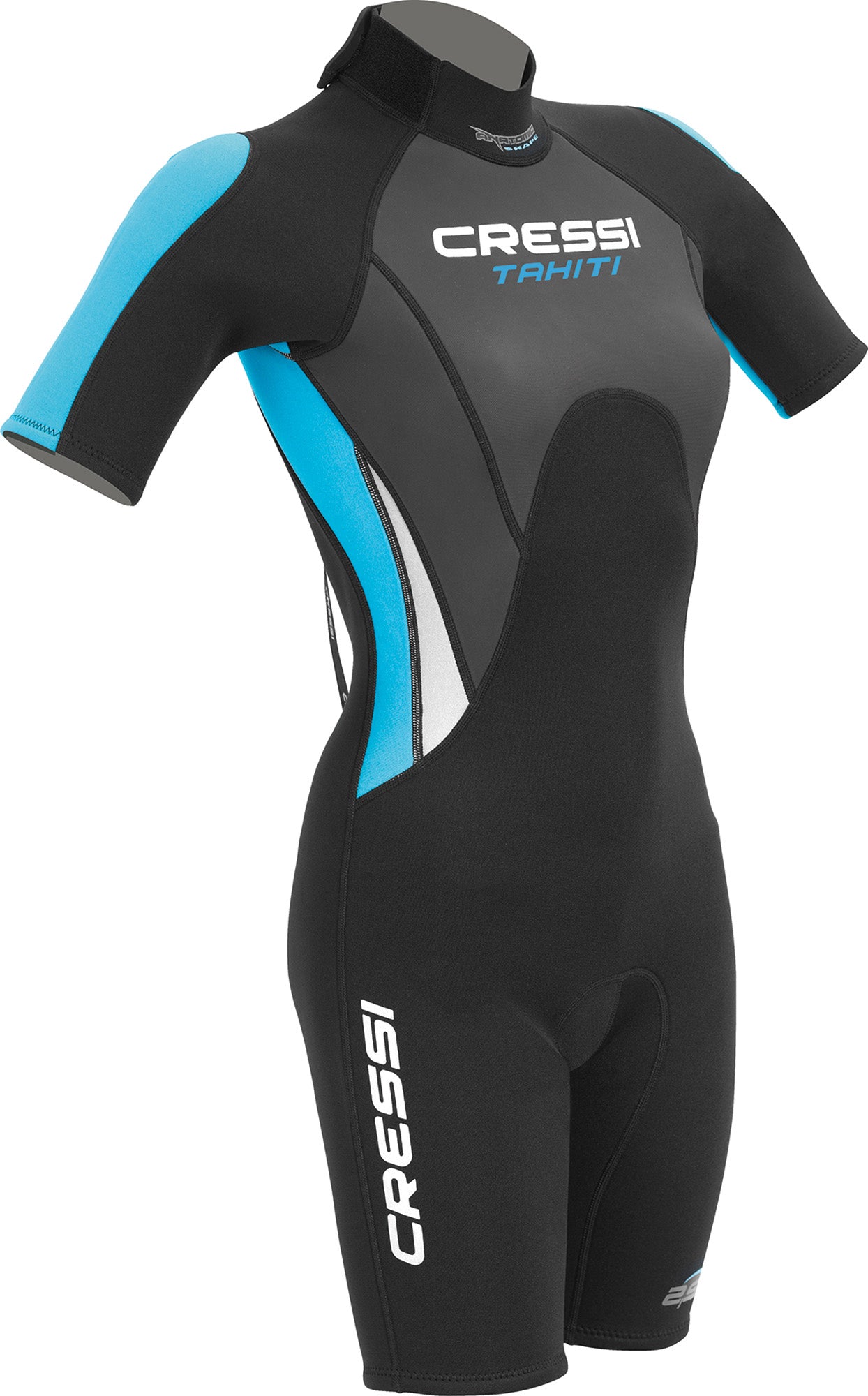
Finding the right gear is crucial for a safe and enjoyable freediving experience. One of the most essential pieces of equipment is the wetsuit. When selecting a wetsuit, consider the water temperature you'll be diving in. Cold-water diving requires thicker neoprene, while warm-water conditions call for a thinner suit. Additionally, look for a wetsuit with a good fit and flexibility, allowing for unrestricted movement.
Another factor to consider when choosing a wetsuit is the design of the suit. Some wetsuits come with features like hooded tops for added warmth in colder waters or two-piece designs for versatility in varying conditions. It's essential to assess your diving needs and preferences to select the wetsuit that best suits your individual requirements.
To maximize performance, it's important to choose a freediving wetsuit specifically designed for the sport. Look for features such as reinforced knees and elbows for durability, a smooth skin exterior for reduced drag, and a snug fit to minimize water flushing. Remember, investing in quality gear not only enhances your comfort but also ensures your safety underwater.
Furthermore, consider the thickness of the wetsuit beyond just the water temperature. Thicker neoprene provides better insulation but may restrict movement, while thinner suits offer more flexibility but less warmth. Finding the right balance between warmth and flexibility is key to a successful and comfortable freediving experience.
Before diving headfirst into a thrilling underwater adventure, it's important to be aware of the regulations and guidelines in place. The United States has various laws concerning freediving, including depth limits and requirements for safety buoys, among others. Familiarize yourself with these regulations and always prioritize safety when exploring the depths.
Additionally, it's crucial to understand the importance of proper training and certification when engaging in freediving activities. Many organizations offer courses that cover essential skills such as breath-holding techniques, equalization methods, and safety protocols. By honing your skills and knowledge through training, you can enhance your freediving experience while ensuring your well-being in the water.
Dynamic apnea, also known as underwater distance swimming, is a popular discipline in freediving. It challenges divers to swim horizontally for impressive distances on a single breath. To improve your dynamic apnea performance, focus on training strategies that enhance both your physical endurance and breath-holding abilities.
Dynamic apnea is not just a test of physical strength but also mental fortitude. As you push your body to swim further distances underwater, you must also train your mind to remain calm and focused. Visualization techniques can be beneficial in preparing for dynamic apnea, helping you mentally rehearse each swim and build confidence in your abilities.
Building cardiovascular fitness is key to excelling in dynamic apnea. Incorporate regular swimming sessions into your training routine, gradually increasing the distance you cover underwater. Interval training, such as alternating between high-intensity sprints and recovery periods, can also help improve your overall performance and maximize your breath-holding capabilities.
Furthermore, incorporating strength training exercises that target your core and upper body can enhance your propulsion through the water. Strengthening these muscle groups not only improves your swimming efficiency but also helps you maintain proper body positioning throughout your dynamic apnea swims.
When participating in dynamic apnea, it's essential to maintain proper technique and body positioning. Focus on streamlining your body in the water, keeping your limbs close to your torso to minimize drag. Additionally, practicing relaxation techniques and controlled breathing can help optimize your breath-holding abilities, allowing you to push your boundaries during each swim.
Remember to stay hydrated and well-nourished before engaging in dynamic apnea sessions. Proper hydration and nutrition play a crucial role in supporting your body's performance and recovery. Fueling your body with nutrient-dense foods and staying hydrated can help prevent fatigue and improve your overall endurance in the water.
For a truly unique and awe-inspiring freediving experience, head to the cenotes. These natural sinkholes found in Mexico's Yucatán Peninsula offer an adventure like no other.
As you plunge into the crystal-clear cenotes, you'll enter a mystical world of stunning limestone formations and captivating underwater caves. Freediving in the cenotes allows you to explore the mesmerizing beauty of the Mayan underworld, creating unforgettable memories along the way. Always remember to respect these delicate ecosystems and follow the necessary safety precautions when venturing into the cenotes.
While cenotes offer incredible opportunities for adventure, it's essential to prioritize safety. Ensure you have proper training and experience before attempting freediving in these unique environments. Never dive alone and always use a safety line. Pay close attention to the local regulations and understand the potential risks associated with exploring underwater caves. Your safety should always be the top priority.
When exploring the cenotes, it's important to understand the geological significance of these natural wonders. Cenotes are formed through a process called karstification, where the dissolution of limestone creates underground cavities. Over time, the roofs of these cavities collapse, creating the sinkholes we see today. The Yucatán Peninsula is known for its extensive network of cenotes, with over 6,000 of these unique formations scattered across the region.
Each cenote has its own distinct characteristics, offering divers a variety of experiences. Some cenotes are open, with clear blue water reflecting the sky above, while others are partially or fully enclosed, creating a sense of exploration and mystery. The cenotes also provide a habitat for various species of fish and other aquatic life, making them not only visually stunning but also ecologically important.
As you descend into the cenotes, you'll be surrounded by an otherworldly beauty. Stalactites and stalagmites adorn the walls and ceilings of the underwater caves, formed over thousands of years by the slow dripping of water. These formations create a surreal environment, where light filters through the water, casting mesmerizing patterns on the limestone surfaces. It's a place where time seems to stand still, and every dive reveals new wonders to behold.
With this ultimate guide to freediving disciplines and gear essentials, you're equipped with the knowledge to embark on unforgettable underwater adventures. Remember, every dive is an opportunity to explore, improve, and connect with the captivating wonders of the underwater world. Happy diving!
Ready to take the plunge and explore the underwater realm? Lancaster Scuba is here to ensure you're fully equipped for your next freediving journey. With our extensive selection of top-quality scuba and water sports gear, expert diving instruction, and exciting travel opportunities, we've got everything you need to make a splash. Check out our scuba gear today and gear up for an unforgettable dive into the world's most beautiful waters.


{"one"=>"Select 2 or 3 items to compare", "other"=>"{{ count }} of 3 items selected"}