

Exploring the Depths: Spearfishing in San Diego
Dive into the exhilarating world of spearfishing in San Diego! Discover the best spots, techniques, and gear for an unforgettable underwater adventure.
Read now
In the realm of underwater exploration, freediving stands out as a pursuit that combines the thrill of discovery with the purest form of human aquatic potential. It's not just about diving deeper; it's about unlocking a new level of personal achievement and connection with the ocean's mysteries. This comprehensive guide delves into the world of freediving courses, offering insights into how they can transform your relationship with the sea and yourself.
Freediving is more than a sport; it's a journey into the depths of both the ocean and one's soul. It challenges individuals to confront their physical and mental boundaries, all while immersed in the serene beauty of the underwater world. Freediving courses are the gateways to this transformative experience, designed to equip you with the knowledge, skills, and confidence to safely explore the aquatic realm.
Freediving, at its core, is about breath-hold diving. It's the art of descending into the ocean's depths on a single breath, without the aid of breathing apparatus. This discipline emphasizes technique, relaxation, and a profound connection with the water. Freedivers experience a sense of freedom and peace unmatched by any other form of diving, moving gracefully through the water, encountering marine life, and exploring underwater landscapes in their most natural state.
The allure of freediving lies in its simplicity and the intense personal growth it fosters. Each dive is a step further into understanding one's physical limits and mental resilience, offering a unique blend of adventure, meditation, and self-discovery.
Taking a freediving course is the first step towards unlocking the full potential of this exhilarating sport. These courses are meticulously designed to ensure safety, enhance skills, and deepen the understanding of freediving principles. Participants learn about proper breathing techniques, efficient finning methods, equalization, safety protocols, and rescue procedures. Beyond the technical skills, freediving courses also focus on the psychological aspects of diving, teaching divers how to relax, manage stress, and overcome fear.
Statistics show that individuals who complete freediving courses significantly improve their breath-hold times, dive depths, and overall comfort in the water. Moreover, these courses foster a sense of community, connecting divers with like-minded individuals who share a passion for the underwater world.
With the growing popularity of freediving, there's an increasing number of courses available, each tailored to different experience levels and interests. Selecting the right course is crucial for a safe and enjoyable journey into freediving.
Freediving courses range from introductory sessions for beginners to advanced classes focusing on specific disciplines like static apnea, dynamic apnea, depth training, and free immersion. Beginner courses typically cover the fundamentals of freediving, including safety procedures, basic techniques, and an introduction to freediving gear. Advanced courses delve deeper into the physiological and psychological aspects of freediving, offering specialized training for those looking to push their limits.
For those interested in the competitive side of freediving, there are courses designed to prepare divers for competitions, focusing on advanced techniques, performance optimization, and mental conditioning.
When choosing a freediving course, it's essential to consider the instructor's experience, the course curriculum, and the safety protocols in place. Look for courses led by certified instructors with a solid track record of teaching and a deep understanding of freediving safety. The curriculum should be comprehensive, covering both theoretical knowledge and practical skills, with a strong emphasis on safety and rescue techniques.
Additionally, consider the course's location and the opportunities it offers for practical freediving experience. Ideal courses provide access to suitable diving sites that cater to different skill levels, allowing divers to practice in a variety of underwater environments.
Embarking on a freediving course requires both physical and mental preparation. It's about setting the foundation for a safe and rewarding diving experience.
Physical fitness plays a crucial role in freediving. Activities such as swimming, yoga, and cardiovascular exercises can enhance your breath-hold capacity, flexibility, and overall water comfort. Practicing breath-hold exercises on land can also help acclimate your body to the sensations of apnea, improving your breath control and relaxation techniques.
Nutrition is another vital aspect of preparation. A balanced diet, rich in antioxidants and anti-inflammatory foods, can support your body's adaptation to the pressures of diving and aid in recovery.
Freediving is as much a mental game as it is a physical one. Techniques such as meditation and visualization can significantly improve your focus, relaxation, and performance underwater. Learning to manage stress and anxiety is crucial, as a calm mind is essential for a successful dive.
Understanding the risks and safety protocols is also a key part of mental preparation. Familiarizing yourself with the common challenges and how to address them can boost your confidence and ensure a safer diving experience.
One essential aspect of freediving is the gear used to enhance performance and safety underwater. From wetsuits to fins, each piece of equipment plays a crucial role in maximizing your diving experience.
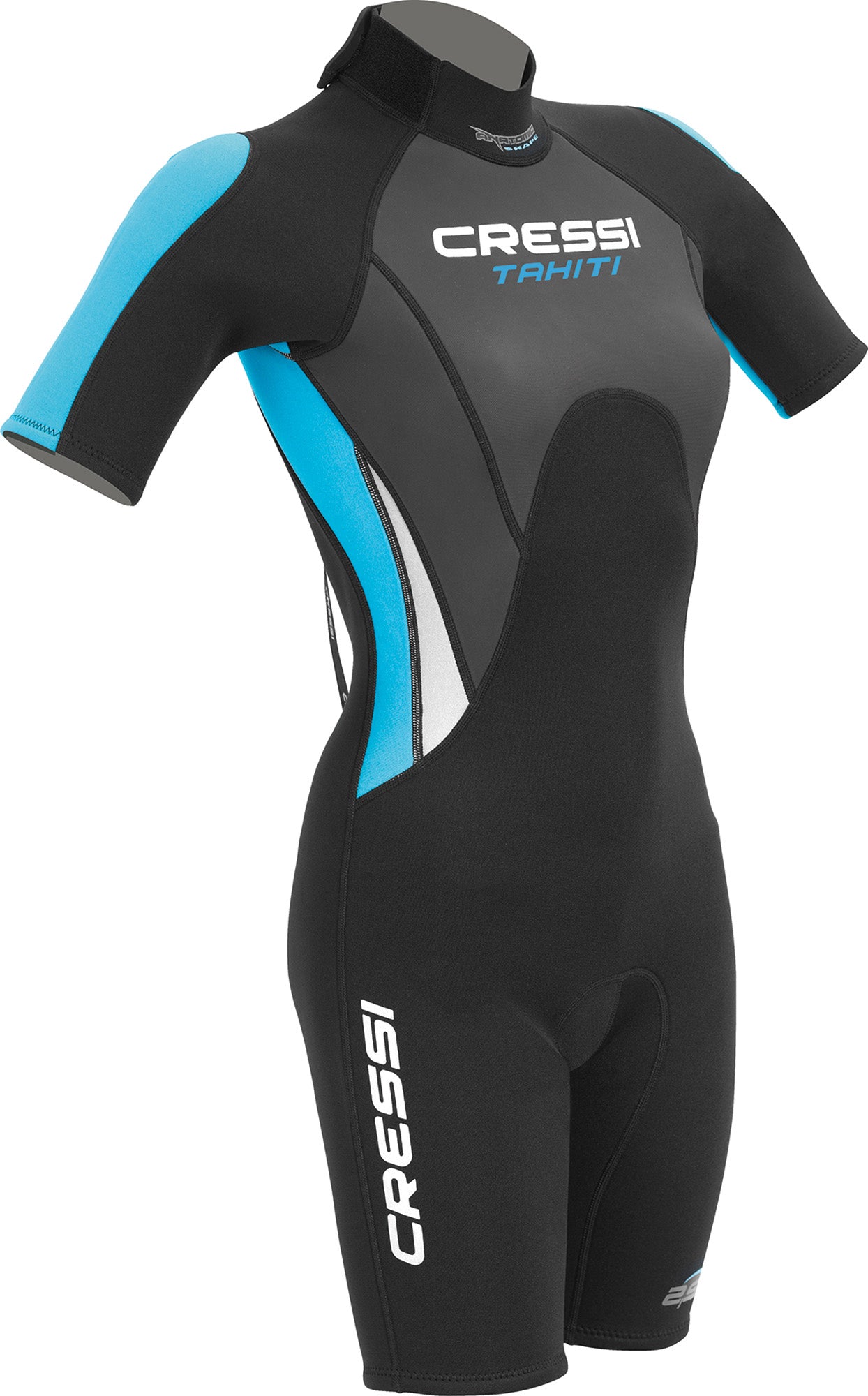
Wetsuits are designed to provide thermal insulation and protect divers from abrasions and stings. They come in various thicknesses to suit different water temperatures and diving conditions. A well-fitted wetsuit not only keeps you warm but also allows for flexibility and ease of movement while diving.
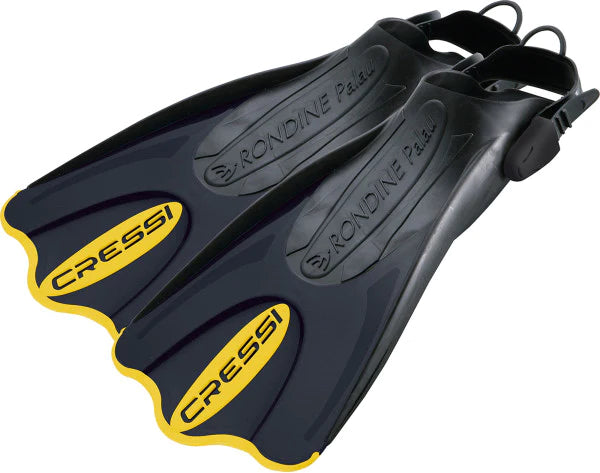
Fins are essential for propulsion and maneuvering underwater. Freediving fins are longer and more flexible than traditional snorkeling fins, allowing for efficient movement with minimal effort. Choosing the right fins based on your foot size and diving style can significantly enhance your performance and comfort in the water.
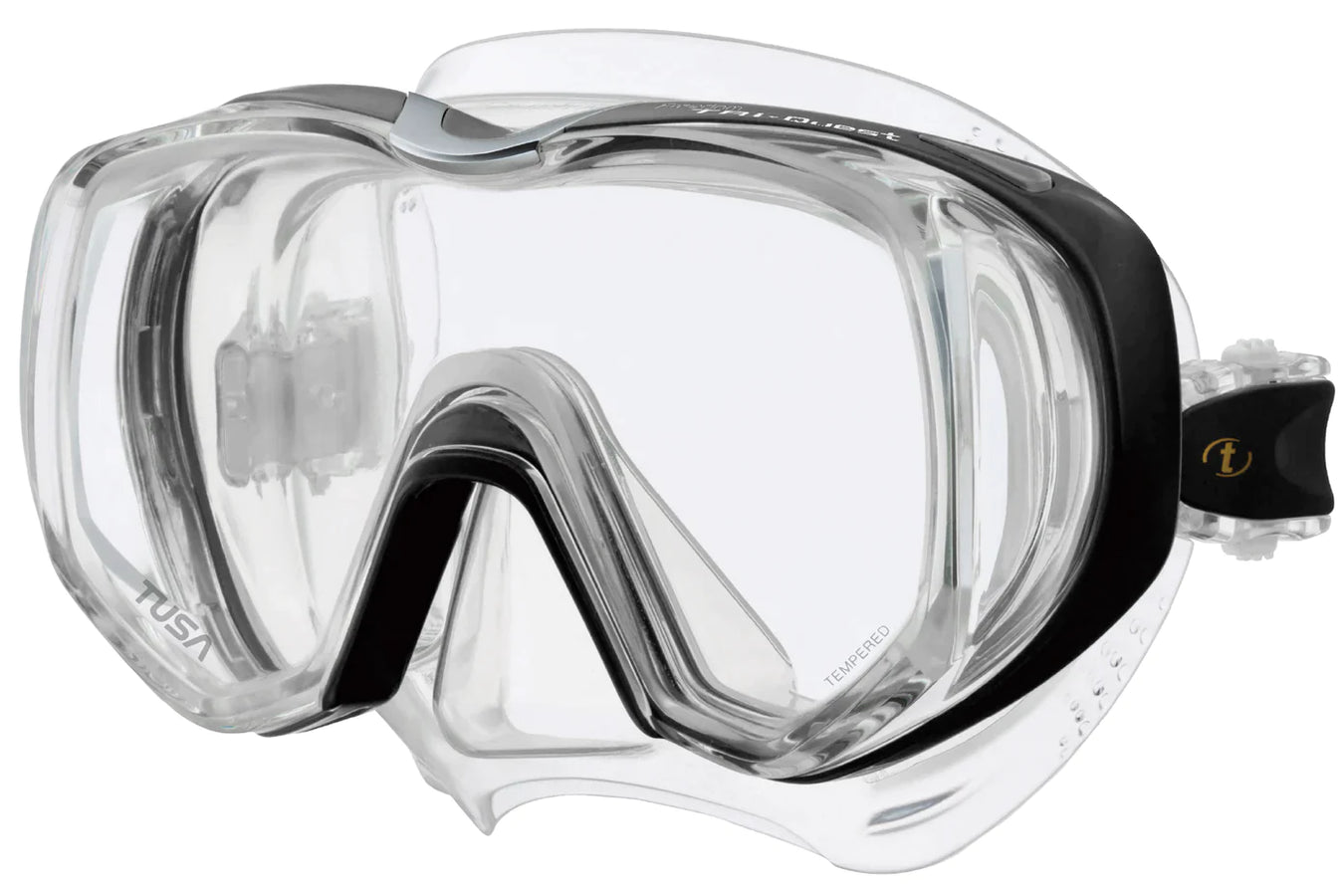
A high-quality mask that provides a comfortable seal and a wide field of vision is essential for clear underwater visibility. Snorkels allow divers to breathe at the surface without lifting their heads, conserving energy and air for the dive. Properly fitting masks and snorkels can make a significant difference in your overall diving experience.
As you progress in your freediving journey, mastering advanced techniques can elevate your diving skills and experiences to new heights. These techniques focus on breath-hold capacity, equalization, and efficiency in the water.
Improving your breath-hold capacity is key to extending your dive times and depths. Training exercises such as CO2 and O2 tables, static apnea holds, and packing techniques can help increase your lung capacity and tolerance to high levels of carbon dioxide.
Equalizing your ears and sinuses is essential for safe and comfortable descents. Techniques like the Frenzel maneuver and the Valsalva maneuver help equalize pressure in your ears, allowing you to dive deeper without discomfort or risk of injury.
Efficient finning techniques and body positioning can reduce drag and conserve energy during dives. Learning to relax your body and mind underwater not only enhances your performance but also prolongs your breath-hold by reducing oxygen consumption and stress levels.
As stewards of the ocean, freedivers have a unique opportunity to observe marine life in its natural habitat and witness the impacts of human activities on underwater ecosystems. Environmental awareness and conservation efforts are integral to preserving the beauty and biodiversity of the oceans.
Participating in beach clean-ups, supporting marine protected areas, and advocating for sustainable fishing practices are just a few ways freedivers can contribute to marine conservation. By raising awareness about environmental issues and promoting responsible diving practices, freedivers play a vital role in protecting the oceans for future generations.
Plastic pollution poses a significant threat to marine life and ecosystems. Freedivers can help combat this issue by reducing their plastic consumption, participating in plastic clean-up efforts, and supporting initiatives that aim to reduce single-use plastics in the ocean.
Sharing knowledge about marine conservation and the importance of preserving underwater ecosystems is essential for creating a sustainable future for our oceans. Engaging with local communities, schools, and dive centers to raise awareness about marine conservation can inspire others to take action and protect our oceans.
Freediving is more than a sport; it's a lifestyle that embraces the beauty of the underwater world and the pursuit of personal excellence. Completing a freediving course is just the beginning of a lifelong adventure, one that offers endless opportunities for exploration, discovery, and connection with the ocean.
The freediving community is a tight-knit group of individuals who share a deep passion for the sea. This community provides a supportive environment for divers to share experiences, learn from each other, and explore the oceans together. Events, competitions, and social gatherings help to strengthen the bonds within the community, fostering a sense of belonging and camaraderie.
Engaging with the freediving community can also open doors to conservation efforts, allowing divers to contribute to the protection and preservation of marine ecosystems. Freedivers often become advocates for the ocean, using their skills and knowledge to raise awareness about environmental issues and promote sustainable practices.
The journey into freediving doesn't end with a course; it's an ongoing process of learning, exploration, and personal growth. Advanced courses, workshops, and expeditions offer opportunities to further develop your skills and explore new depths. Each dive is a chance to discover something new about the ocean and yourself, pushing the boundaries of what you thought was possible.
Whether you're drawn to the tranquility of the underwater world, the thrill of exploration, or the challenge of pushing your limits, freediving offers a unique and rewarding adventure. With the right preparation, education, and respect for the ocean, freediving can enrich your life in ways you never imagined.
Embark on a freediving course today, and dive into the adventure of a lifetime.
Ready to take the plunge and experience the underwater world like never before? Lancaster Scuba is here to guide you every step of the way. From top-notch gear to expert diving instruction and breathtaking travel destinations, we've got you covered. Check out our scuba gear and start your journey towards becoming a freediving aficionado today. Gear up, dive in, and let the adventure begin!


{"one"=>"Select 2 or 3 items to compare", "other"=>"{{ count }} of 3 items selected"}