

Exploring the Depths: Spearfishing in San Diego
Dive into the exhilarating world of spearfishing in San Diego! Discover the best spots, techniques, and gear for an unforgettable underwater adventure.
Read now
Welcome to the ultimate guide for filming underwater videos while freediving! Whether you're a seasoned freediver or just starting out, this comprehensive guide will equip you with the knowledge and skills you need to capture stunning footage beneath the waves. From mastering the art of freediving to understanding frame rates and communication strategies, we've got you covered. So grab your gear, dive in, and let's explore the fascinating world of underwater videography!
Before venturing into the world of underwater videography, it's essential to master the art of freediving. By improving your breath-holding skills and learning proper diving techniques, you'll be able to explore deeper depths and stay underwater for longer periods of time. Slow and controlled breathing, equalizing your ears, and maintaining a relaxed state of mind are just a few of the techniques that will enhance your freediving experience.
But freediving is not just about technique; it's also about connecting with the marine environment around you. Take this opportunity to immerse yourself in nature's wonders, be it encountering curious marine creatures or exploring breathtaking underwater landscapes.
Imagine diving into the crystal-clear waters of the Caribbean, surrounded by vibrant coral reefs teeming with life. As you descend deeper, you feel the weightlessness and tranquility enveloping your body, allowing you to glide effortlessly through the water. The sunlight filters through the surface, casting mesmerizing patterns on the ocean floor. Schools of colorful fish dart around you, their scales shimmering in the sunlight. It's a surreal experience, a moment frozen in time, as you become one with the underwater world.
Now, let's delve deeper into the techniques that will help you become a master of freediving.
The key to successful freediving lies in improving your breath-holding skills. By incorporating exercises like static apnea and CO2 tables into your training regimen, you can gradually increase your lung capacity and tolerance to high levels of carbon dioxide. These skills will not only enhance your freediving abilities but also enable you to capture longer and more immersive footage during your underwater adventures.
Imagine yourself on a secluded island in the Maldives, surrounded by pristine turquoise waters. You take a deep breath and dive beneath the surface, feeling the cool embrace of the ocean. As you descend, you feel your body adapting to the water pressure, your lungs expanding to accommodate the depth. The world above fades away, and you enter a realm of tranquility and serenity.
As you continue to explore the depths, you encounter a majestic manta ray gracefully gliding through the water. Its enormous wingspan mesmerizes you, and you can't help but be in awe of its beauty. You capture this incredible moment on your underwater camera, knowing that it will be a memory to cherish forever.
Remember, every breath-hold is a chance to challenge your limits and embrace the thrill of the unknown. So take a deep breath, dive down, and let the magic of freediving unfold.
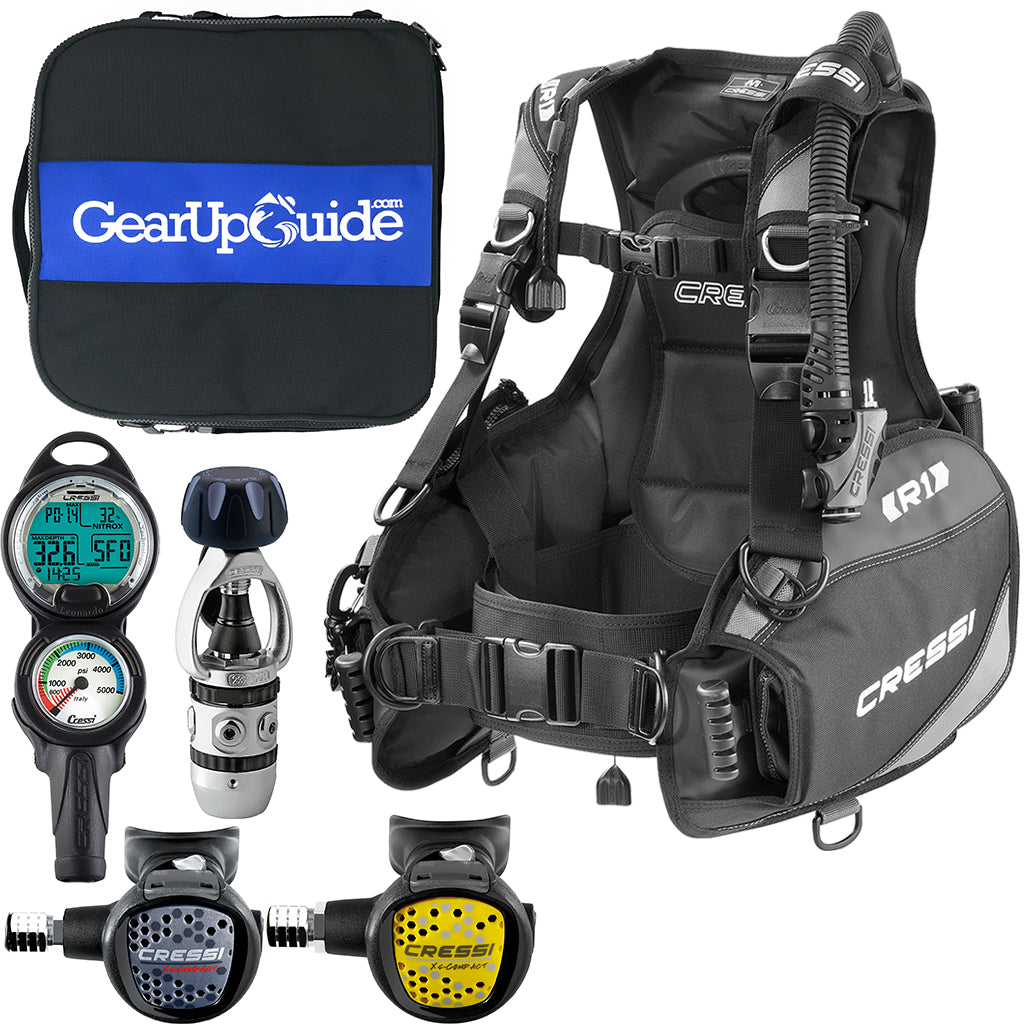
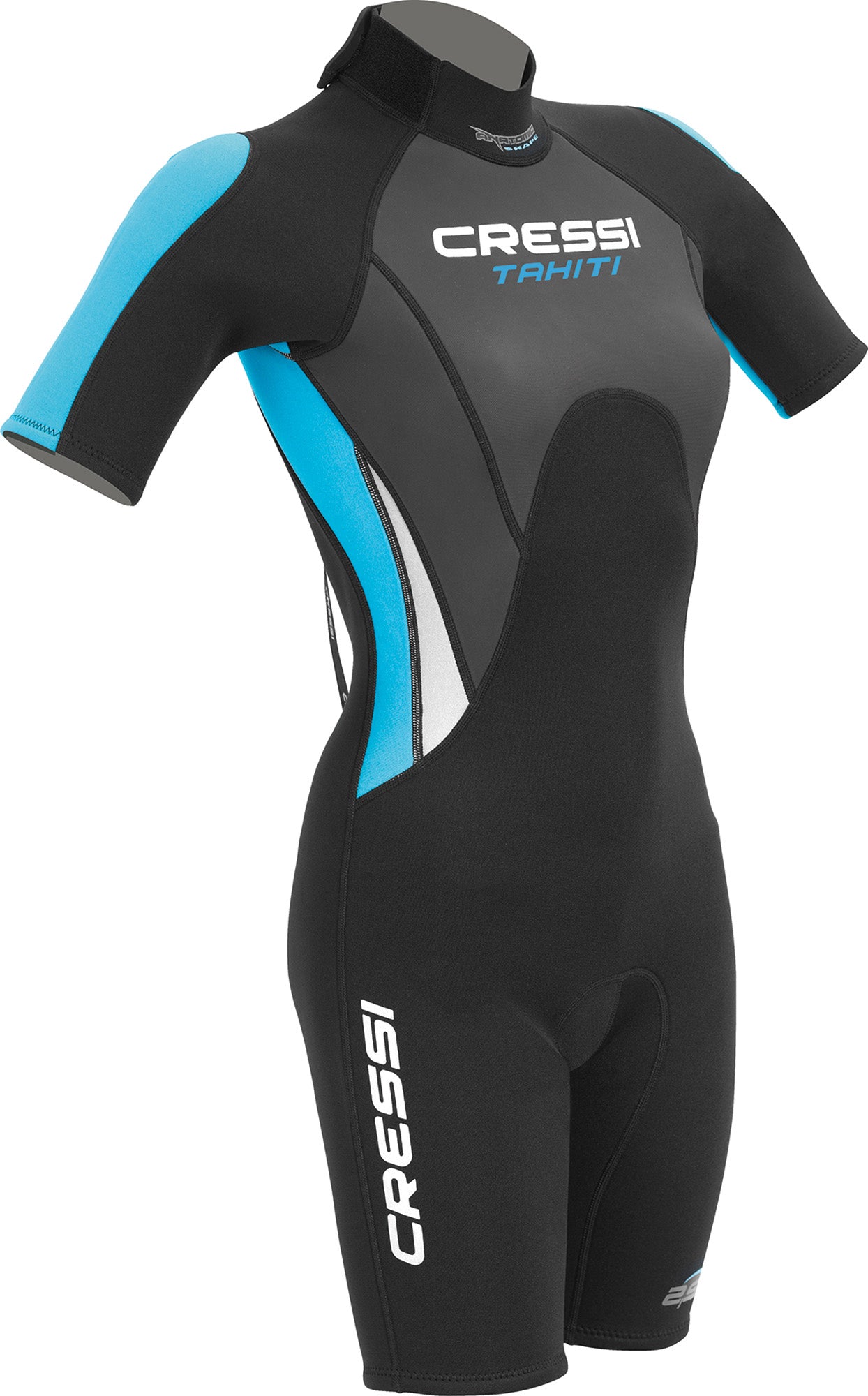
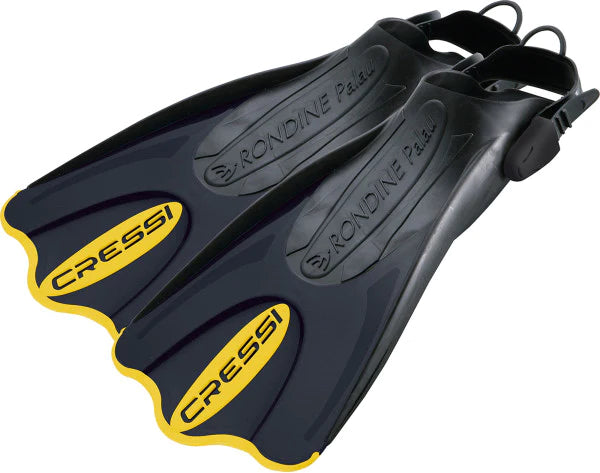
When it comes to underwater videography while freediving, having the right gear is crucial. From cameras and housing to fins and wetsuits, each piece of equipment plays a vital role in capturing breathtaking footage. Consider investing in a reliable underwater camera that is specifically designed for capturing high-quality videos in challenging underwater conditions. Additionally, opt for fins that provide optimal propulsion and maneuverability, allowing you to navigate effortlessly through the water.
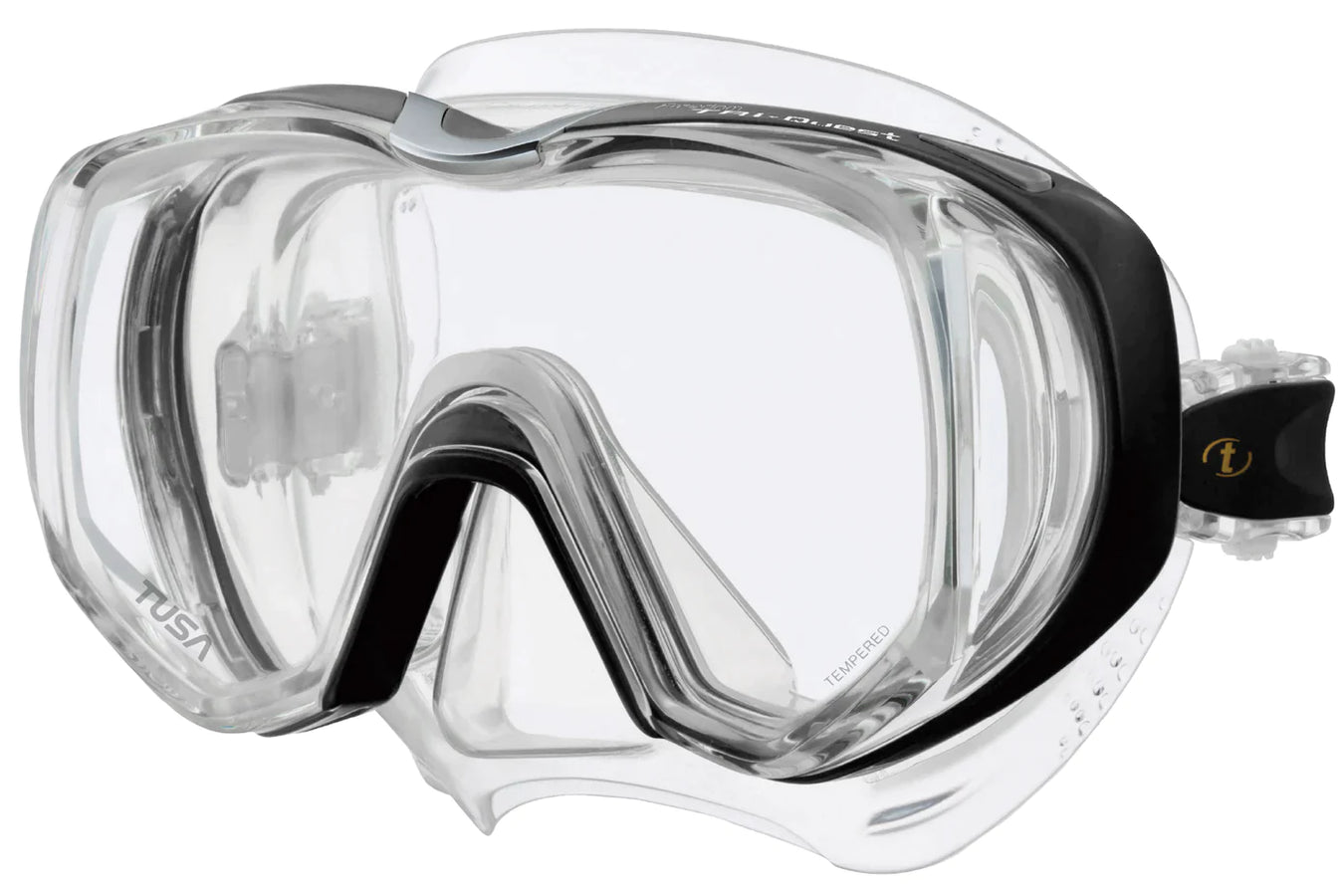
But what about the other essential gear that often goes unnoticed? Don't forget about the importance of a well-fitted mask that provides a clear and wide field of vision. A comfortable weight belt is also essential for maintaining proper buoyancy control, allowing you to effortlessly descend and ascend in the water. And let's not overlook the significance of a good quality snorkel, which enables you to conserve energy by breathing efficiently at the surface.
Remember, choosing the right gear not only enhances your videography experience but also ensures your safety while exploring the depths. Look for equipment that meets your specific needs, and always prioritize quality and durability.
Once you have invested in high-quality freediving gear, it's important to properly maintain and care for it. Rinse your gear with fresh water after every dive to remove any salt deposits and prolong its lifespan. Regularly inspect your equipment for any signs of wear and tear, and address any issues promptly to prevent any potential accidents while underwater.
Moreover, storing your gear in a cool and dry place will help prevent mold and mildew growth, ensuring that your equipment remains in peak condition for future adventures. Taking care of your gear is not only a responsible practice but also a way to ensure that you're always ready to capture those unforgettable moments beneath the surface.
But what about the additional steps you can take to protect your gear? Consider investing in a gear bag that provides proper padding and protection during transportation. This will safeguard your equipment from any potential damage while on the move. Furthermore, using a defogging solution on your mask before each dive will ensure a clear view underwater, allowing you to focus on capturing those awe-inspiring moments without any distractions.
By following these maintenance tips and going the extra mile to protect your gear, you can extend its longevity and continue to enjoy the wonders of freediving for years to come.
When it comes to capturing mesmerizing underwater footage, understanding frame rate is crucial. Frame rate refers to the number of frames recorded per second and determines the smoothness and quality of your videos. Higher frame rates, such as 60 or 120 frames per second, allow for stunning slow-motion shots, capturing every detail as animals glide through the water or sunlight dances on the reef.
By experimenting with different frame rates, you can add depth and drama to your underwater videos, creating visual experiences that transport viewers into the magical world of the ocean. So don't be afraid to play around with frame rates and unleash your creativity!
Furthermore, frame rate also plays a significant role in post-production editing. When you shoot at a higher frame rate, you have more flexibility during editing. For instance, if you filmed a scene at 120 frames per second but decide you want to slow it down even further, you can do so without losing quality. This flexibility allows you to fine-tune your footage and achieve the desired cinematic effect.
Another aspect to consider is the compatibility of frame rates with different devices. Not all devices support high frame rates, so it's essential to check the specifications of your camera and editing software to ensure smooth playback. Additionally, understanding the frame rate capabilities of your output platform, whether it's social media, a website, or a film festival, is crucial for delivering your content in the best possible quality.
Underwater videography offers a unique opportunity to play with light and shadow. Utilizing natural light can result in breathtaking footage, as sun rays penetrate the water's surface, creating a mesmerizing interplay of colors and textures. Dive during the golden hours, both in the early morning and late afternoon, to take advantage of the soft, warm light that adds an ethereal touch to your videos.
Exploring different depths can also introduce fascinating lighting effects. As you descend, notice how the colors change and the intensity of the light diminishes. Use this knowledge to create dynamic compositions and capture the beauty of the underwater world in all its glory.
While natural light is undoubtedly captivating, artificial lighting can take your underwater videography to the next level. Investing in high-quality underwater video lights allows you to illuminate the subjects with precision, revealing intricate details and vibrant colors that may otherwise be lost in the depths.
Experiment with different lighting setups, such as using multiple video lights to create a three-dimensional effect or highlighting specific areas of interest. By harnessing the power of artificial lighting, you can bring out the true essence of each underwater scene, further immersing viewers in the magic of your footage.
Dive length plays a crucial role in both your safety and the footage you capture. Planning your dives carefully and considering factors such as tides, currents, and bottom time is essential for a successful underwater videography expedition. By understanding the specific requirements of your dive site, you can optimize your time underwater and maximize your chances of encountering exciting marine life.
Remember, adventure lies not only in the destination but also in the journey! Embrace every dive as an opportunity to explore uncharted territories, get lost in the vibrant tapestry of marine ecosystems, and capture moments that will leave a lasting impact.
Effective communication with your dive buddy is essential for safe and successful underwater videography. Mastering hand signals and verbal cues allows you to relay important information, share excitement, and collaboratively navigate the underwater world. Establish clear signals for essential messages like "OK," "Stop," and "Look here," ensuring that both you and your dive buddy are always on the same page.
Furthermore, using underwater slates or writing boards can enhance communication in situations where hand signals may not suffice. With effective communication techniques, you can capture those incredible underwater moments while ensuring safety and cooperation throughout your dives.
In addition to hand signals and verbal cues, dive communication devices offer another level of clarity and convenience during underwater videography expeditions. These devices enable you to have real-time conversations with your dive buddy, allowing you to discuss camera settings, framing, and share exciting discoveries without compromising safety.
By incorporating dive communication devices into your underwater expeditions, you can truly immerse yourself in the adventure, knowing that your voice and thoughts can effortlessly travel through the watery depths to your buddy.
While embarking on thrilling underwater videography adventures, safety should always remain a top priority. Familiarize yourself with emergency protocols and safety measures to ensure you're well-prepared for any unexpected situations that may arise during your dives. Understanding techniques like rescue breaths, buddy assistance, and the signs of hypoxia will give you the confidence to handle emergencies effectively.
Remember, the true adventure lies not only in capturing awe-inspiring footage but also in returning safely to the surface to share your stories. Always dive within your limits, stay vigilant, and be aware of your surroundings to ensure memorable experiences that prioritize both adventure and safety.
Armed with the knowledge and skills gained from this ultimate guide, you're ready to embark on a thrilling underwater videography journey. By mastering the art of freediving, choosing the right gear, understanding frame rates, and utilizing underwater filming techniques, you'll capture footage that transports viewers into the magical world beneath the waves. So dive deep, explore, and let your creativity flow - the underwater realm awaits!
Now that you're equipped with the essentials of filming underwater videos while freediving, it's time to gear up with Lancaster Scuba. Dive into our extensive selection of scuba gear, designed to enhance your underwater adventures. Whether you're looking to capture the serene beauty of the ocean or seeking PADI certification to expand your diving skills, we've got you covered. Gear up, dive in, and travel to your next underwater destination with Lancaster Scuba – your one-stop shop for all your scuba and water sport needs.


{"one"=>"Select 2 or 3 items to compare", "other"=>"{{ count }} of 3 items selected"}