

Exploring the Depths: Spearfishing in San Diego
Dive into the exhilarating world of spearfishing in San Diego! Discover the best spots, techniques, and gear for an unforgettable underwater adventure.
Read now
Pregnancy is an incredible journey filled with excitement and anticipation. As an expecting mom, you may find yourself wondering about the safety of certain activities, such as diving. In this ultimate guide, we will delve into the intersection of pregnancy and diving, understand the risks and considerations involved, explore the benefits of hyperbaric oxygen therapy, and provide key takeaways on diving safety during pregnancy.
Diving is a thrilling and adventurous activity that allows us to explore the fascinating wonders of the underwater world. However, when it comes to diving during pregnancy, there are several factors to consider to ensure the safety of both mother and baby.
During pregnancy, the body undergoes significant physiological changes, such as increased blood volume, hormonal fluctuations, and decreased lung capacity. These changes can affect the body's response to pressure changes associated with diving.
One of the key risks to consider when it comes to diving while pregnant is the potential impact on fetal development. While research on this topic is limited, studies suggest that exposure to increased pressure and gases used for breathing could potentially harm the developing fetus. This is why it is crucial to consult with your healthcare provider before considering diving during pregnancy. They can provide guidance based on your specific circumstances, taking into account factors such as the stage of pregnancy, your overall health, and any complications you may have.
While the exact risks associated with diving during pregnancy are not fully understood, it is important to be aware of the potential dangers. The physiological changes that occur during pregnancy, such as increased blood volume and hormonal fluctuations, can affect the body's ability to eliminate gases efficiently. This may increase the risk of decompression sickness, also known as "the bends."
Decompression sickness is a condition that can occur when ascending too quickly after diving. It is caused by the formation of gas bubbles in the body's tissues due to the release of dissolved gases during ascent. Pregnant women may be more susceptible to this condition due to their physiological changes. The increased blood volume and hormonal fluctuations can affect the body's ability to eliminate gases efficiently, making them more vulnerable to decompression sickness.
To prioritize safety, it is important to avoid activities that increase the risk of decompression sickness, such as deep dives and repeated dives within a short period. Additionally, following the recommended dive tables and ascent rates can help reduce the risk of decompression sickness. These guidelines are designed to ensure a safe ascent and allow the body to eliminate excess gases gradually.
Remember, the safety of both mother and baby should always be the top priority. If you have any doubts or concerns about diving during pregnancy, consult with your healthcare provider for personalized advice. They can provide you with the necessary information to make an informed decision based on your unique circumstances.
While diving during pregnancy may not be advisable, there is another aspect of diving-related technology that holds promise for various health conditions – hyperbaric oxygen therapy (HBOT).
Hyperbaric oxygen therapy (HBOT) is a medical treatment that involves breathing pure oxygen in a pressurized chamber. This therapy is based on the principle that increasing the pressure around the body allows more oxygen to be dissolved in the blood, which can promote healing and help fight certain infections.
HBOT involves breathing 100% oxygen in a pressurized chamber, typically at pressures greater than sea level. This high-pressure environment allows oxygen to dissolve into the body's fluids at an increased concentration, promoting healing and improving circulation.
During a hyperbaric oxygen therapy session, patients relax in a clear chamber while the pressure is slowly increased. The increased pressure can cause a feeling of fullness in the ears, similar to what you might experience when flying or driving through mountains. Once the desired pressure is reached, patients breathe in pure oxygen, which can have a calming effect.
HBOT is a non-invasive treatment that can potentially benefit individuals with various conditions, such as non-healing wounds, radiation injuries, and carbon monoxide poisoning.
While HBOT has shown promising results for various medical conditions, it is important to note that research on its efficacy during pregnancy is limited. Due to potential risks, HBOT is generally not recommended during pregnancy unless the benefits outweigh the risks, and alternative treatments are not viable options.
Always consult with your healthcare provider before considering hyperbaric oxygen therapy or any other treatments during pregnancy. They can provide personalized advice based on your specific situation.
As an expectant mom, your safety and the well-being of your baby are of utmost importance. While diving may be off-limits during pregnancy, there are numerous other adventure opportunities that you can explore safely.
In conclusion, while diving may have to take a backseat during pregnancy, there are still countless adventures awaiting you. Prioritizing your health and safety, along with seeking guidance from healthcare professionals, will ensure a smooth and fulfilling journey throughout your pregnancy. So, embrace the opportunities for adventure that are perfectly suited for this incredible chapter of your life.
One alternative adventure to consider during pregnancy is hiking. It's a fantastic way to stay active and enjoy the great outdoors while being mindful of your physical limitations. Choose trails that are suitable for your fitness level and make sure to stay hydrated and take breaks as needed. The fresh air and scenic views can be rejuvenating for both you and your growing baby.
Another exciting option to explore is prenatal yoga. Not only does it help with relaxation and stress relief, but it also focuses on gentle movements and breathing techniques that are beneficial for expectant mothers. Prenatal yoga classes are specifically designed to accommodate pregnant women, providing a safe and supportive environment to connect with your body and baby. It's a wonderful way to stay active, improve flexibility, and prepare both mentally and physically for childbirth.
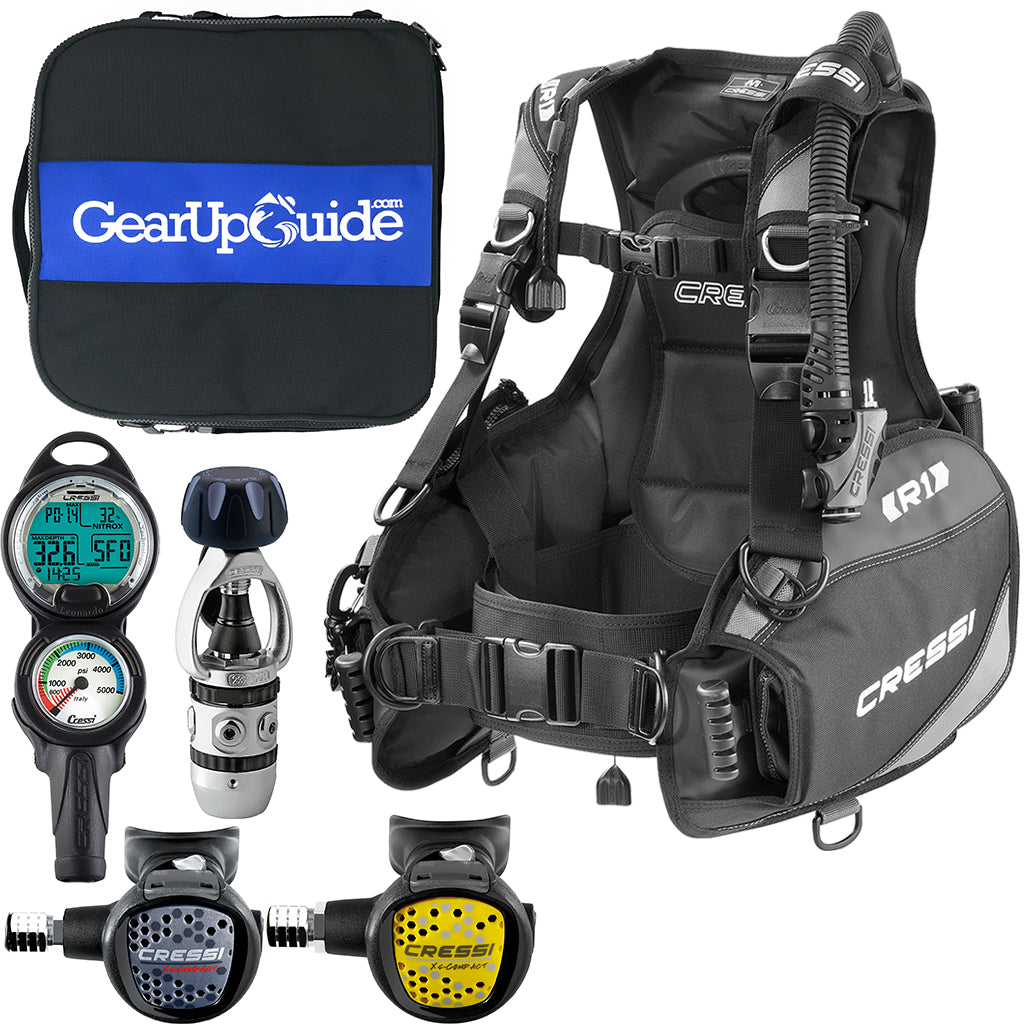
As you await the arrival of your little one and put diving adventures on hold, now is the perfect time to gear up for future underwater explorations. Lancaster Scuba is here to ensure that when the time is right, you're prepared to dive back in with confidence. With our extensive selection of scuba and water sports equipment, expert diving instruction, and exciting travel opportunities, we've got everything you need for your post-pregnancy dive adventures. Check out our scuba gear and start planning your next safe and exhilarating dive today!


{"one"=>"Select 2 or 3 items to compare", "other"=>"{{ count }} of 3 items selected"}