

Exploring the Depths: Spearfishing in San Diego
Dive into the exhilarating world of spearfishing in San Diego! Discover the best spots, techniques, and gear for an unforgettable underwater adventure.
Read now
Scuba diving is an exhilarating adventure that allows us to explore the depths of the ocean and witness the wonders of marine life. However, every diver must also be aware of the risks involved, such as decompression sickness. In this ultimate guide, we will delve into the various aspects of decompression sickness in scuba diving, helping you understand the science behind it, debunking myths, recognizing the symptoms, and offering tips to prevent it.
Decompression sickness, commonly known as "the bends," occurs when dissolved gases, primarily nitrogen, form bubbles in the body's tissues due to rapid ascent during or after a dive. These bubbles can block blood flow and cause tissue damage. It's important to note that as recreational divers, we are most commonly affected by this condition.
While unfamiliarity with the science may make it seem daunting, a basic understanding can help divers avoid its consequences. As we descend into the depths, our bodies are exposed to increasing pressure. To safely return to the surface, we need to allow time for our bodies to eliminate the excess dissolved gases built up during the dive. Failure to do so can result in decompression sickness.
Understanding the physiological processes at play can enhance your appreciation for the delicate balance required for a safe dive. The body's tissues absorb nitrogen under pressure, much like a sponge soaking up water. During ascent, if the pressure decreases too quickly, these nitrogen bubbles can expand and cause harm. This is why divers are taught to ascend slowly, allowing the nitrogen to gradually be released from the body without forming bubbles.
Several factors can increase the risk of decompression sickness in scuba diving. These include rapid ascents, repetitive dives, long dive profiles, cold water dives, dehydration, fatigue, and certain medical conditions. Recognizing these risk factors and taking necessary precautions can significantly minimize the chances of encountering decompression sickness during your diving adventures.
It's crucial for divers to stay well-hydrated before and after dives, as dehydration can exacerbate the effects of decompression sickness. Additionally, maintaining a good level of physical fitness can help reduce the risk, as a healthy body is better equipped to handle the physiological stresses of diving. Being mindful of your dive profile and ensuring you have proper rest between dives are also essential practices to prevent decompression sickness.
Have you ever wondered where the term "the bends" comes from? It may surprise you that the term originated from the feeling a diver experiences during decompression sickness. When suffering from this condition, divers may assume a bent-over posture due to joint and muscle pain, hence the name "the bends." While it may sound whimsical, it serves as a powerful reminder of the potential dangers lurking beneath the surface.
As diving became more popular in the late 19th century, cases of decompression sickness began to emerge, leading to the coining of the term "the bends" to describe this specific ailment. The bends can occur when a diver ascends too quickly from a deep dive, causing nitrogen bubbles to form in the bloodstream and tissues. These bubbles can lead to excruciating pain in the joints, muscles, and even paralysis if left untreated.
To prevent the bends, divers must follow strict decompression protocols, which involve ascending slowly and making decompression stops at specific depths to allow excess nitrogen to safely dissipate from the body. Even with modern advancements in dive tables and computer algorithms, the risk of decompression sickness remains ever-present, reminding divers of the importance of respecting the depths they explore.
Although decompression sickness is commonly associated with scuba diving, it's crucial to dispel the myth that it can only occur underwater. While scuba diving poses a higher risk due to pressure changes, other activities such as freediving or flying in unpressurized aircraft also increase the risk of decompression sickness. It's essential to be aware of these potential risks, even if you're not an avid scuba diver.
Furthermore, it's important to note that decompression sickness can even occur in activities that may seem unrelated to pressure changes. For example, individuals who engage in extreme sports like skydiving or mountain climbing at high altitudes are also at risk. The rapid changes in pressure that these activities entail can lead to the formation of nitrogen bubbles in the bloodstream, causing decompression sickness.
Understanding the relationship between depth and decompression sickness is vital for scuba divers. The deeper we descend, the higher the ambient pressure, and the more nitrogen our bodies absorb. As we ascend, the excess nitrogen must be safely eliminated to prevent decompression sickness. Properly planning our dive profiles and adhering to decompression stops are critical to ensure a safe ascent and avoid potential complications.
Furthermore, it's essential to consider other factors that can influence the risk of decompression sickness, such as repetitive dives, cold water temperatures, and dehydration. These variables can exacerbate the body's susceptibility to nitrogen buildup and increase the likelihood of experiencing decompression sickness. Divers must not only monitor their depth but also pay attention to their overall dive conditions and physical well-being to mitigate the risks effectively.
There are several misconceptions surrounding dive depths and decompression sickness. Some may believe that this condition only occurs during deep dives. However, even relatively shallow dives can lead to decompression sickness if the ascent is not properly managed. Every dive requires careful planning and consideration of potential risks, regardless of the depth.
Moreover, the rate of ascent plays a crucial role in decompression sickness prevention. Rapid ascents, whether from deep or shallow depths, can increase the chances of developing decompression sickness. By maintaining a controlled and gradual ascent, divers allow their bodies to off-gas nitrogen more effectively, reducing the risk of decompression sickness. It's not just the depth that matters but also how divers ascend to the surface that significantly impacts their safety underwater.
Recognizing the signs and symptoms of decompression sickness is crucial for early detection and timely intervention. Physical symptoms may include joint and muscle pain, skin rashes, dizziness, nausea, and difficulty breathing. In addition to these physical indicators, divers may also experience cognitive impairments such as confusion, memory loss, and personality changes. Being aware of these symptoms can help divers and their buddies respond promptly in case of an emergency.
It is important to note that decompression sickness, also known as "the bends," can manifest differently in each individual. Some divers may experience mild symptoms that resolve quickly with proper treatment, while others may face more severe and long-lasting effects. Understanding the range of symptoms and their potential variations can aid in accurate diagnosis and effective management of the condition.
If you or a fellow diver exhibits symptoms of decompression sickness, it is crucial to take immediate action. Provide 100% oxygen to the affected diver and initiate emergency protocols. Notify the dive boat or resort staff and seek medical attention as soon as possible. Remember, swift response and proper medical care greatly increase the chances of a full recovery.
In addition to administering oxygen and seeking medical help, it is essential to keep the affected diver calm and reassured. Panic and anxiety can exacerbate symptoms and complicate the situation. By maintaining a supportive and calm environment, both the affected diver and those providing assistance can work together more effectively towards a positive outcome.
Decompression sickness, also known as "the bends," is a potentially serious condition that can occur when a person ascends too quickly from a deep dive, causing nitrogen bubbles to form in the bloodstream and tissues. This condition can lead to a range of symptoms, from joint pain and fatigue to more severe neurological complications. Prompt and appropriate medical interventions are crucial in managing decompression sickness and preventing further damage.
Medical interventions for decompression sickness typically involve hyperbaric oxygen therapy (HBOT). HBOT delivers oxygen under increased pressure, allowing it to dissolve more effectively in the blood and tissues, facilitating the elimination of excess nitrogen. HBOT treatments should be administered as early as possible to maximize their effectiveness and minimize long-term effects.
In addition to HBOT, intravenous fluids and medications to manage pain and inflammation may be prescribed to alleviate symptoms and support the body's healing process. Close monitoring by healthcare professionals is essential to track progress and adjust treatment plans accordingly.
While most cases of decompression sickness can be successfully treated, in some instances, divers may experience residual symptoms or long-term effects. These can vary from joint pain and neurological issues to more severe complications. Rehabilitation, including physiotherapy and support from healthcare professionals, can significantly aid in the recovery process and help divers regain their pre-incident quality of life.
Long-term effects of decompression sickness may require ongoing medical management and lifestyle adjustments to ensure the diver's well-being. Psychological support and counseling may also be beneficial in coping with the emotional impact of such a traumatic experience. It is important for individuals who have experienced decompression sickness to undergo thorough medical evaluations and follow-up care to monitor any potential complications that may arise in the future.
Preventing decompression sickness starts with proper planning and precautions. Before your dive, ensure you are well-rested, properly hydrated, and have allowed ample surface intervals between repetitive dives. During your dive, maintain a safe ascent rate, make decompression stops as required, and monitor your dive buddy for any signs of distress. After your dive, avoid strenuous activities and follow recommended post-dive protocols. Additionally, staying up to date with proper dive training and certification will equip you with the knowledge and skills necessary for safe and enjoyable diving.
By understanding the science behind decompression sickness, recognizing its symptoms, and taking necessary precautions, you can confidently embark on your scuba diving adventures while minimizing risks. Remember, safety should always be a top priority, and by following these guidelines, you'll be well-versed in the art of diving without succumbing to the perils of decompression sickness. Happy diving!
It's important to note that factors such as age, weight, physical fitness, and overall health can also play a role in your susceptibility to decompression sickness. Older divers or those with certain medical conditions may need to take extra precautions or consult with a healthcare provider before engaging in scuba diving activities. Additionally, being aware of environmental factors such as water temperature, depth, and currents can help you better assess the risks involved in a particular dive site.
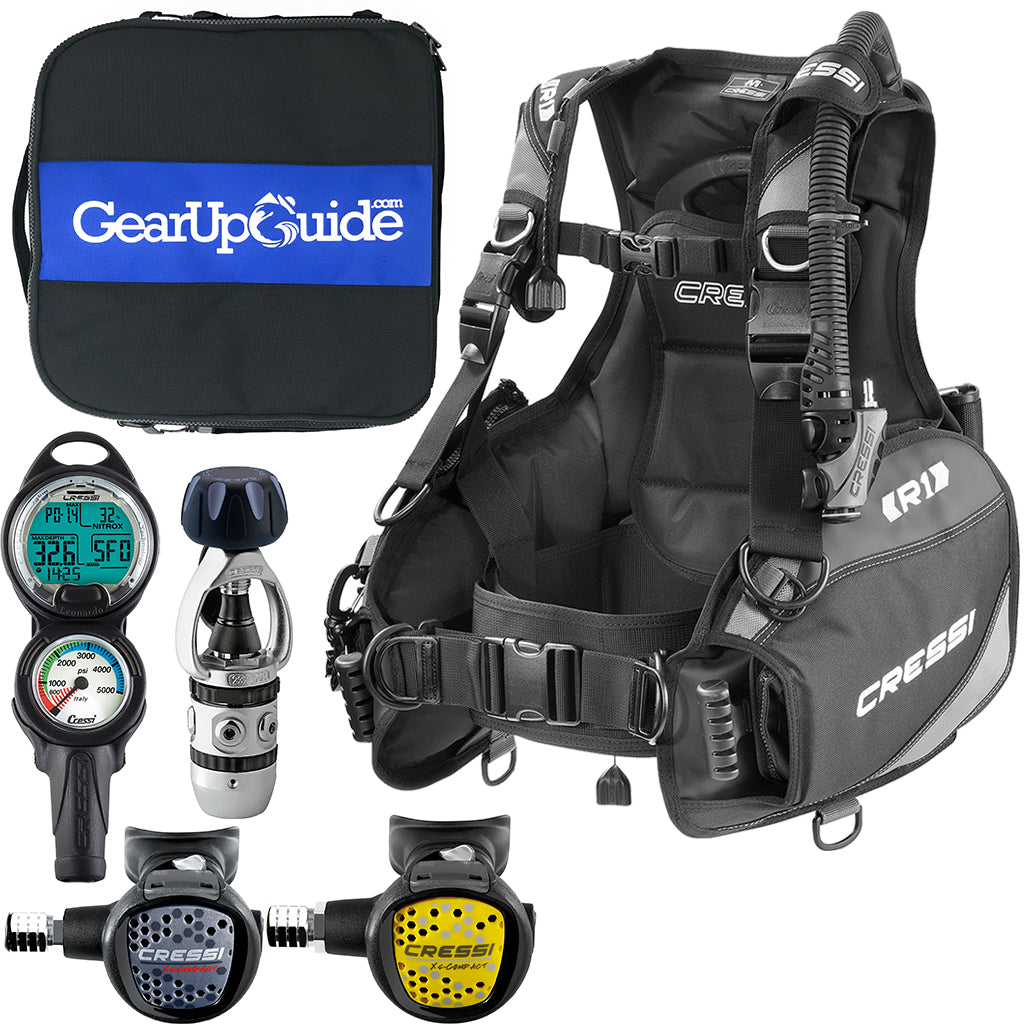
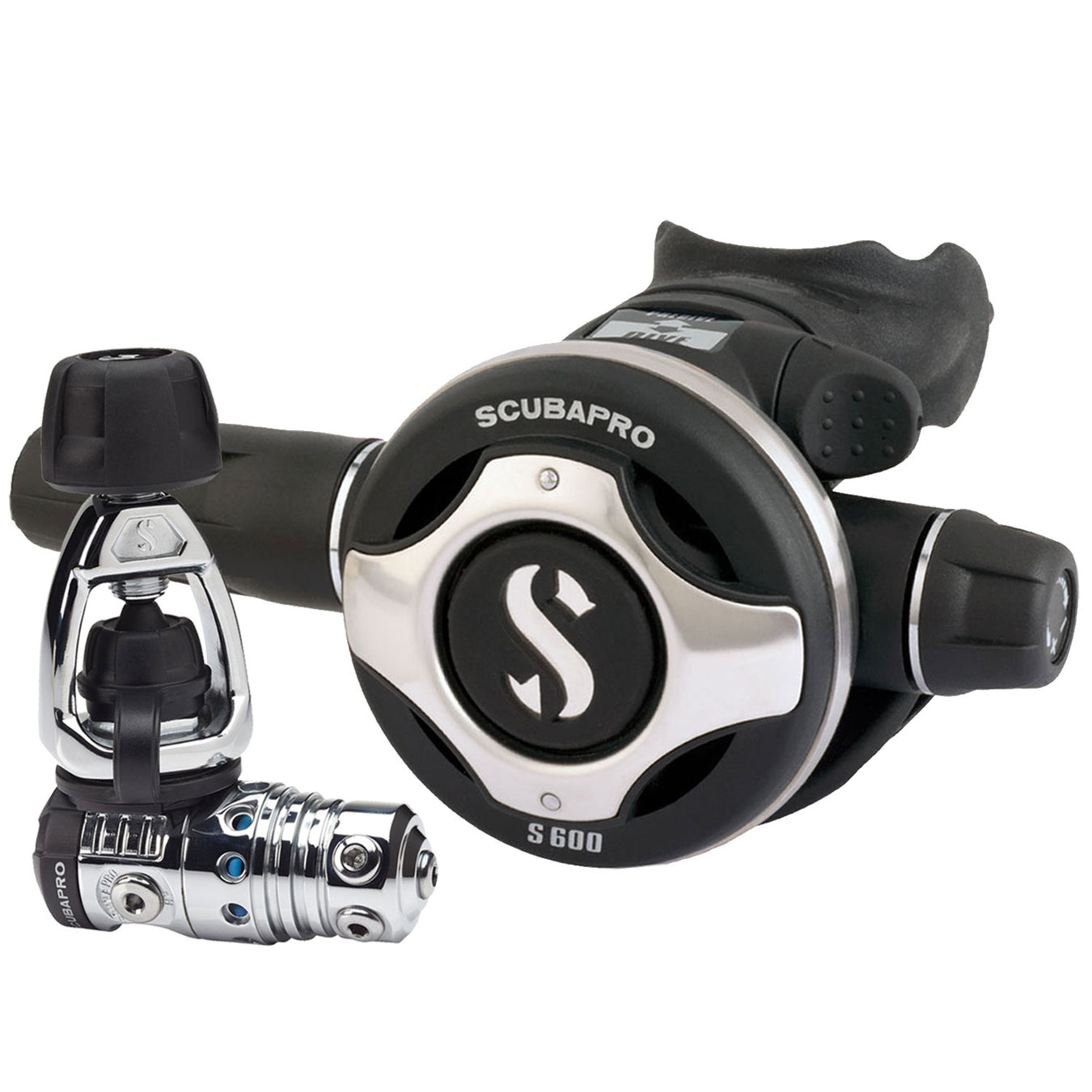
Furthermore, investing in high-quality dive equipment and ensuring its proper maintenance can significantly reduce the likelihood of equipment failure, which can contribute to diving accidents and increase the risk of decompression sickness. Regularly servicing your gear, including regulators, dive computers, and buoyancy control devices, is essential for safe and reliable diving experiences. Remember, a well-maintained gear setup not only enhances your safety underwater but also adds to the overall enjoyment of your diving excursions.
As you embrace the underwater world and its challenges, ensure you're equipped with the best gear and knowledge to prevent decompression sickness. Lancaster Scuba is your trusted partner in this journey, offering top-notch equipment, expert instruction, and unforgettable dive trips. Check out our scuba gear and embark on your next diving adventure with confidence. Gear up, dive in, and explore the world with Lancaster Scuba – where your safety and enjoyment are our top priorities.


{"one"=>"Select 2 or 3 items to compare", "other"=>"{{ count }} of 3 items selected"}