

Exploring the Depths: Spearfishing in San Diego
Dive into the exhilarating world of spearfishing in San Diego! Discover the best spots, techniques, and gear for an unforgettable underwater adventure.
Read now
Being able to explore the depths of the ocean, surrounded by its mesmerizing beauty, is a dream for many. Freediving allows us to do just that, experiencing the wonders of the underwater world in a way that feels intimate and breathtaking. However, as with any adventure, there are risks involved. One of the most important risks to understand and mitigate is decompression sickness. In this ultimate guide, we will explore everything you need to know about decompression sickness in freediving, from its symptoms and treatment to how to prevent it and ensure your safety.
Decompression sickness, also known as "the bends," is a potentially serious condition that can occur when a person ascends too quickly after diving. During a dive, our bodies absorb nitrogen from the air we breathe, and at increased pressure, nitrogen dissolves in our tissues. When we resurface too quickly, this nitrogen can form bubbles in our blood and tissues, leading to a range of symptoms.
It's important to note that decompression sickness can affect divers of all experience levels, from beginners to seasoned professionals. Even with proper training and adherence to dive tables or computer algorithms, the risk of decompression sickness is always present, emphasizing the need for caution and awareness during all diving activities.
Recognizing the symptoms of decompression sickness is crucial to seeking prompt medical attention. Common symptoms include joint and muscle pain, dizziness, fatigue, and in severe cases, paralysis or unconsciousness. If you experience any of these symptoms after a dive, it's essential to seek medical help immediately.
In addition to hyperbaric oxygen therapy, other treatments for decompression sickness may include the administration of intravenous fluids to help with hydration and circulation. Rest and hydration are also vital components of the recovery process, as they aid in the body's natural ability to eliminate excess nitrogen and promote healing. It's advisable for individuals who have experienced decompression sickness to refrain from diving until they have fully recovered and received clearance from a medical professional specialized in dive medicine.
Under the waters of the world, there are countless fascinating creatures that capture our imagination. One such creature is the Mola Mola, also known as the ocean sunfish. This peculiar-looking fish is the heaviest bony fish in the world, with an average weight of around 2,200 pounds and a height of up to 10 feet!
The Mola Mola's unique appearance is not its only distinguishing feature. This fish is also known for its peculiar sunbathing behavior. Often seen basking near the ocean's surface, the Mola Mola enjoys soaking up the sun's rays to regulate its body temperature. This behavior has earned it the nickname "sunfish" and adds to its enigmatic allure.
Did you know that the Mola Mola has no tail? Instead, it uses its large dorsal and anal fins to propel itself forward and steer. This unique adaptation gives it an almost otherworldly appearance as it glides gracefully through the water.
Another interesting fact about the Mola Mola is its diet. Despite its massive size, it mainly feeds on jellyfish and other gelatinous plankton. To sustain its energy levels, a Mola Mola can consume up to 60 pounds of food each day. Talk about having a healthy appetite!
Furthermore, the Mola Mola's reproductive habits are a subject of fascination for marine biologists. These fish are known to produce a staggering number of eggs, with a single female capable of releasing up to 300 million eggs at once. However, despite this impressive reproductive output, the survival rate of Mola Mola offspring is relatively low, making each new generation a remarkable feat of nature's resilience.
Bali, with its crystal-clear waters and vibrant marine life, has become a hotspot for divers eager to catch a glimpse of the majestic Mola Mola. However, locating these elusive creatures requires some insider knowledge and strategic planning. Here are a few tips to help you make the most of your Mola Mola spotting adventure in Bali.
Exploring the underwater world of Bali is a mesmerizing experience, with its diverse marine ecosystems and unique underwater topography. In addition to the thrill of encountering the Mola Mola, divers can also marvel at colorful coral reefs, graceful manta rays, and an array of tropical fish species that call these waters home.
Timing is key when it comes to Mola Mola spotting in Bali. These magnificent fish are known to make their appearances during the warmer months, typically from July to November. Plan your trip accordingly to increase your chances of encountering them.
Visibility plays a crucial role in spotting the Mola Mola, so be sure to choose dive sites with the best visibility conditions. Sites such as Nusa Penida and Crystal Bay are known for their crystal-clear waters, providing excellent opportunities for Mola Mola sightings.
Aside from timing and visibility, it's essential to dive with experienced guides who are familiar with the behavior and habitats of the Mola Mola. These guides can lead you to the most promising locations and help you navigate the underwater terrain with ease, maximizing your chances of a memorable encounter with these gentle giants of the ocean.
While diving is the main highlight of any trip to Bali, it's also essential to make the most of your surface intervals. These intervals between dives not only give your body time to adapt and off-gas but also present a fantastic opportunity to explore the beauty and culture of the island.
During your surface intervals in Bali, you can immerse yourself in the vibrant local culture by attending traditional Balinese dance performances or taking a cooking class to learn how to prepare authentic Indonesian dishes. The island is also home to numerous art galleries and craft markets where you can admire and purchase handmade souvenirs to commemorate your trip.
Bali offers an array of activities to keep you entertained during your surface intervals. You can indulge in traditional Balinese massages, visit ancient temples, or explore the lush rice terraces that dot the landscape. If you're feeling adventurous, why not try your hand at some exciting water sports like surfing or paddleboarding?
For nature enthusiasts, Bali boasts a variety of scenic hiking trails that lead to stunning waterfalls and panoramic viewpoints. You can also embark on a sunrise trek up Mount Batur for a breathtaking view of the island from above. Alternatively, unwind on Bali's picturesque beaches, basking in the tropical sun and sipping on refreshing coconut water while watching the local fishermen at work.
While Bali is famous for its popular dive sites, there are also hidden gems waiting to be discovered. One such gem is Menjangan Island, located in the northwestern part of Bali. This remote island offers an unparalleled diving experience, teeming with rich marine life and breathtaking coral reefs.
Menjangan Island is not just a paradise for divers; it also offers a unique opportunity for snorkelers to explore its vibrant underwater world. Snorkeling off the shores of Menjangan Island allows visitors to witness the beauty of the coral reefs and encounter colorful fish species in their natural habitat. The crystal-clear waters provide excellent visibility, making it an ideal spot for snorkeling enthusiasts of all levels.
Menjangan Island boasts an incredible diversity of marine species, making it a paradise for underwater enthusiasts. From vibrant coral gardens to encounters with majestic marine creatures such as sea turtles and eagle rays, each dive promises a new and unforgettable adventure.
For those seeking a unique diving experience, exploring the underwater temple at Menjangan Island is a must. Known as the "Temple Garden," this submerged temple offers a surreal and mystical atmosphere, as if stepping into an ancient lost city.
As exhilarating as freediving may be, it's important to approach it with caution and respect. Following safety guidelines and understanding the risks associated with decompression sickness are crucial to ensure a safe and enjoyable experience. By arming yourself with knowledge and taking necessary precautions, you can embark on unforgettable adventures and create lasting memories in the world beneath the waves.
After a day of diving or snorkeling, visitors to Menjangan Island can also explore its lush landscapes and hiking trails. The island is home to a variety of wildlife, including deer (from which its name is derived), monkeys, and exotic bird species. Hiking through the island's tropical forests offers a different perspective, allowing adventurers to appreciate the natural beauty and biodiversity of Menjangan Island beyond its captivating underwater realm.
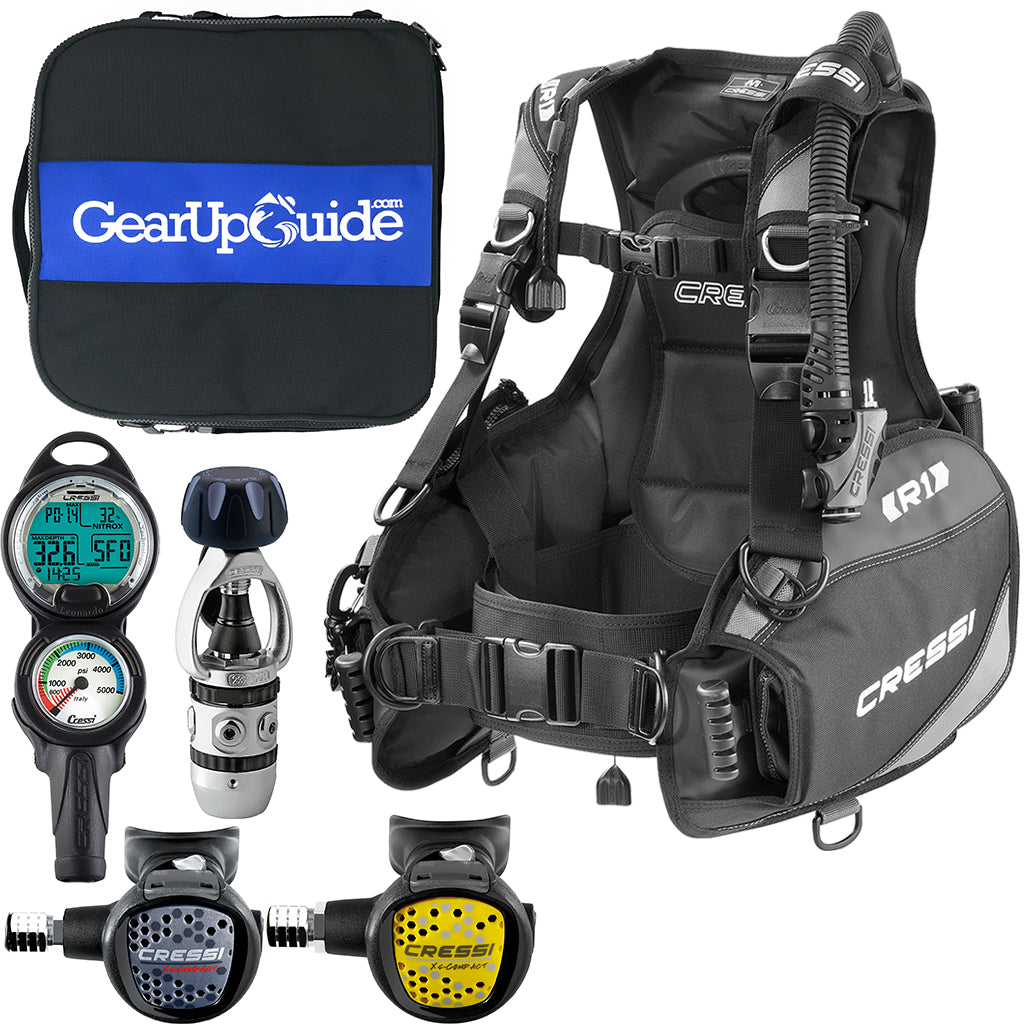
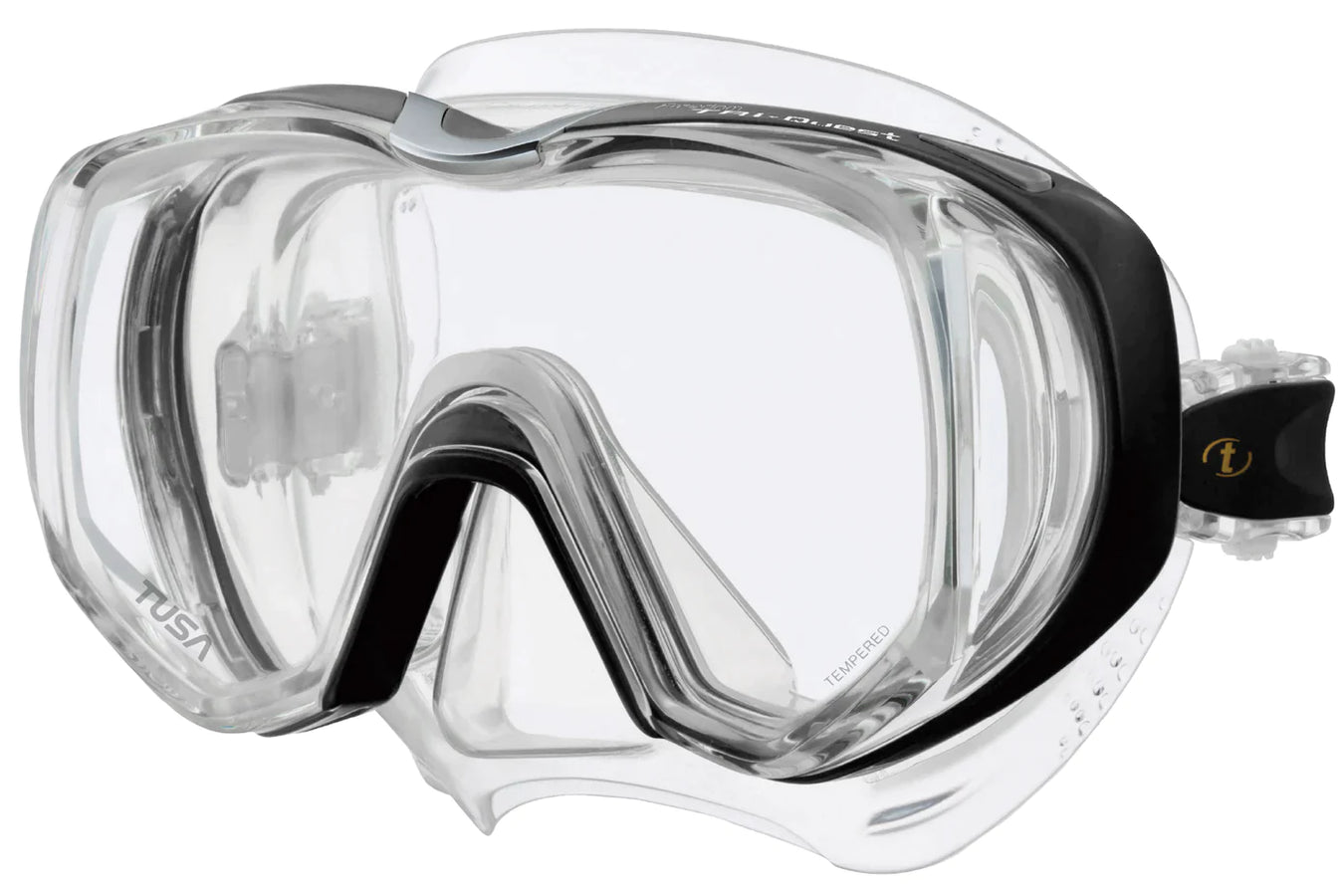
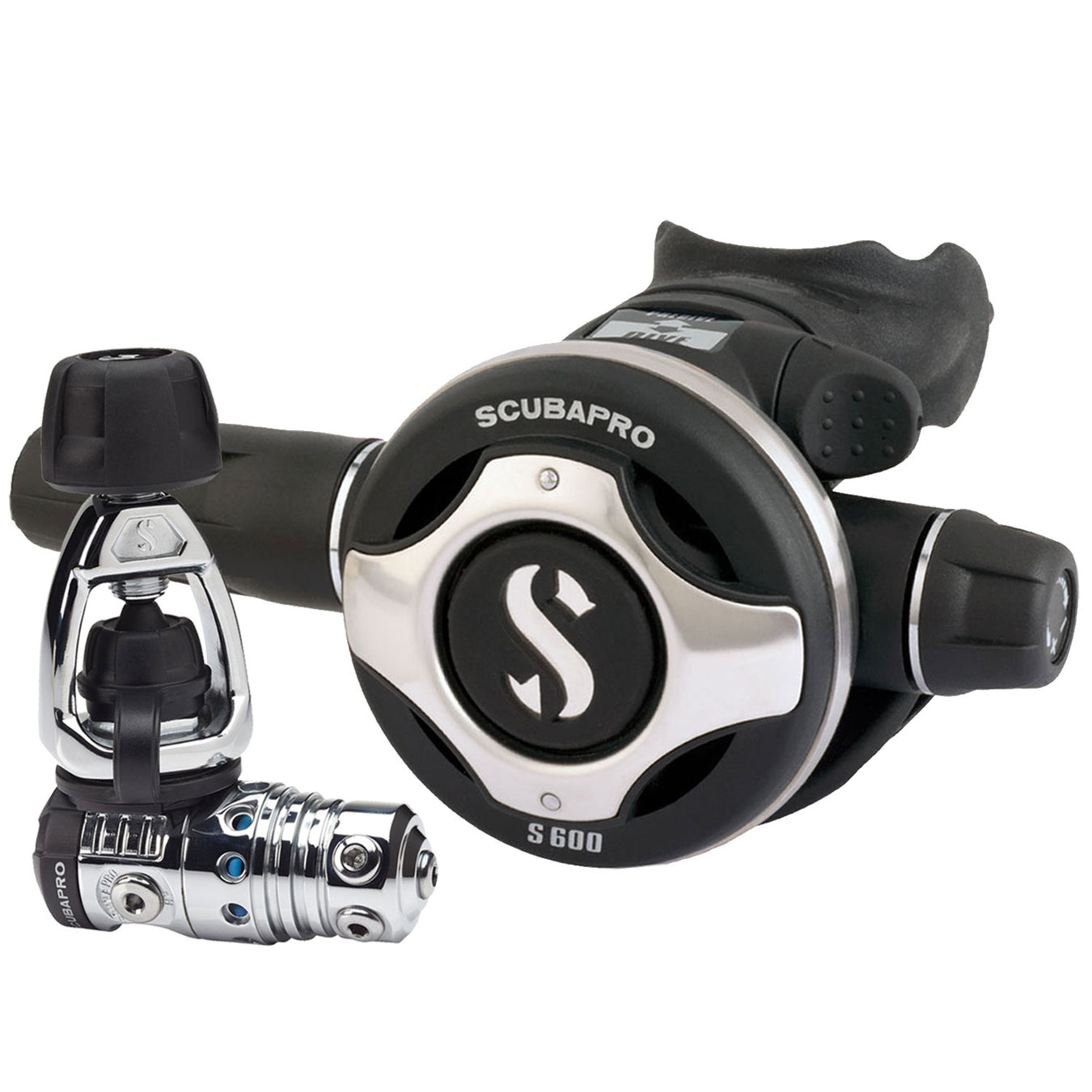
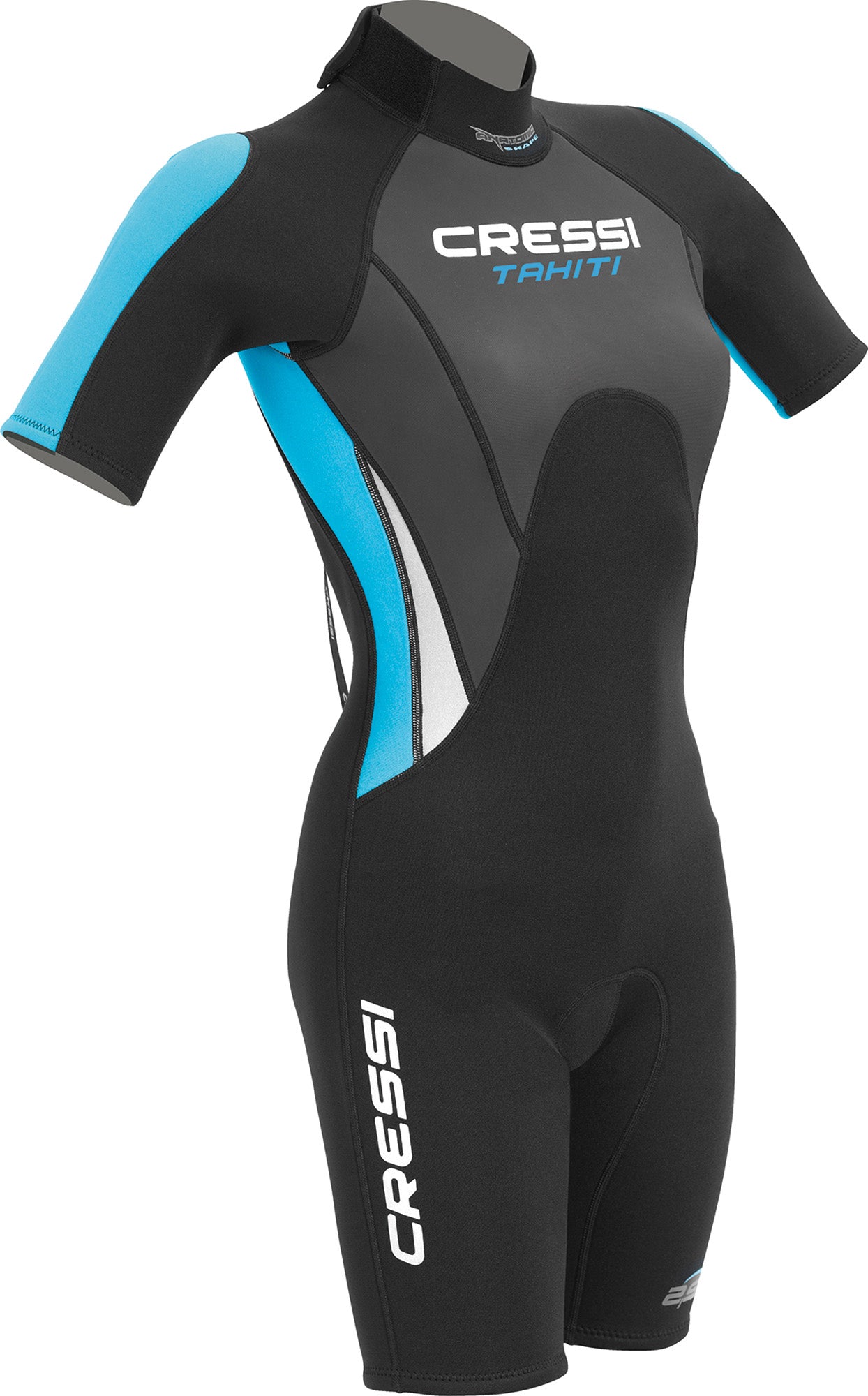
Ready to dive into the underwater world with confidence and style? Lancaster Scuba is here to ensure you're fully equipped for your next freediving journey. With our extensive selection of top-quality scuba gear, expert diving instruction, and thrilling travel opportunities, we've got everything you need to make your aquatic adventures safe and unforgettable. Check out our scuba gear today and embrace the "Gear. Dive. Travel." experience for your next oceanic exploration.


{"one"=>"Select 2 or 3 items to compare", "other"=>"{{ count }} of 3 items selected"}