

Exploring the Depths: Spearfishing in San Diego
Dive into the exhilarating world of spearfishing in San Diego! Discover the best spots, techniques, and gear for an unforgettable underwater adventure.
Read now
In the vast, blue expanse of the ocean, a new adventure is capturing the hearts of marine enthusiasts and conservationists alike—lionfish spearfishing. This activity is not just about the thrill of the hunt; it's a vital effort to protect fragile marine ecosystems from an invasive species that threatens the balance of underwater life. The journey into lionfish spearfishing is a tale of passion, skill, and environmental stewardship, echoing the adventurous spirit of those who dare to dive deep into the ocean's mysteries.
The story of lionfish in non-native waters is a cautionary tale of ecological imbalance. Originally from the Indo-Pacific, these strikingly beautiful creatures have become a significant threat to marine life in the Atlantic, Caribbean, and Gulf of Mexico. Their rapid proliferation and voracious appetite for native fish and crustaceans have put local reefs and fisheries at risk, prompting a unique response from the diving community.
Lionfish are not just another fish in the sea; they are apex predators in environments where they have no natural enemies. Capable of consuming prey up to half their body size, lionfish can reduce juvenile fish populations by up to 90% in just 5 weeks. Their breeding cycle, with females releasing up to 2 million eggs per year, exacerbates the problem, making their population control a critical concern for marine conservationists.
Studies have shown that the unchecked spread of lionfish can lead to significant losses in biodiversity, with long-term consequences for coral reef health and the livelihoods of local fishing communities. The invasion of lionfish has become a battle against time, as efforts intensify to mitigate their impact on vulnerable marine ecosystems.
Spearfishing has emerged as one of the most effective methods to control lionfish populations. Unlike traditional fishing techniques, spearfishing allows for selective removal of lionfish from reefs, minimizing bycatch and habitat damage. This hands-on approach not only helps in reducing the number of invasive predators but also provides an opportunity for divers to engage directly in conservation efforts.
As spearfishers descend into the lionfish's domain, they become warriors for the ocean, armed with spears and a determination to restore balance to the underwater world. Each expedition is a step towards safeguarding the future of our oceans, turning the act of spearfishing into a mission of environmental stewardship.
Lionfish spearfishing is not for the faint of heart. It is an activity that demands skill, patience, and a deep respect for the ocean. For those who take up the spear, it offers an unparalleled adventure, combining the thrill of the hunt with the beauty of underwater exploration.
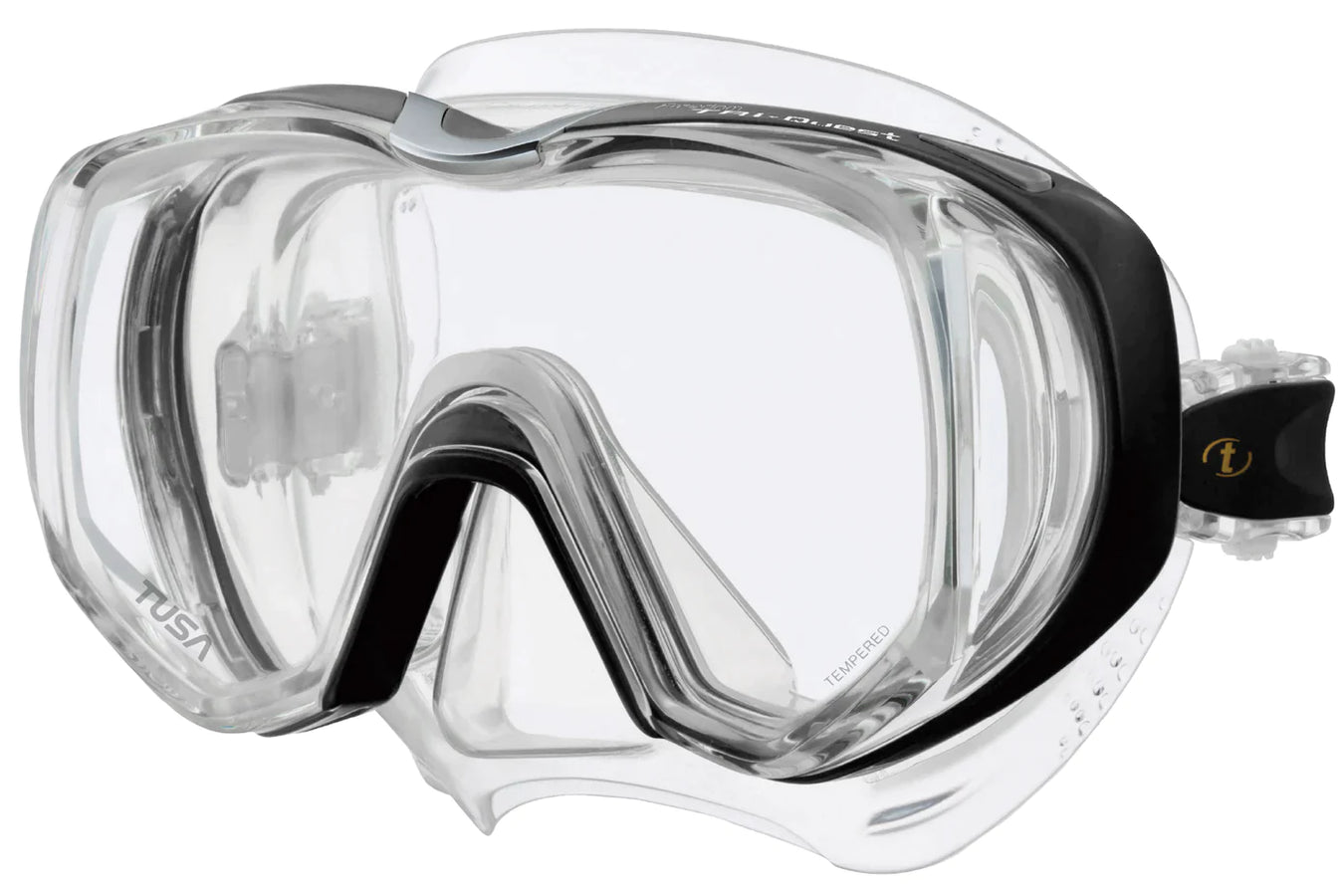
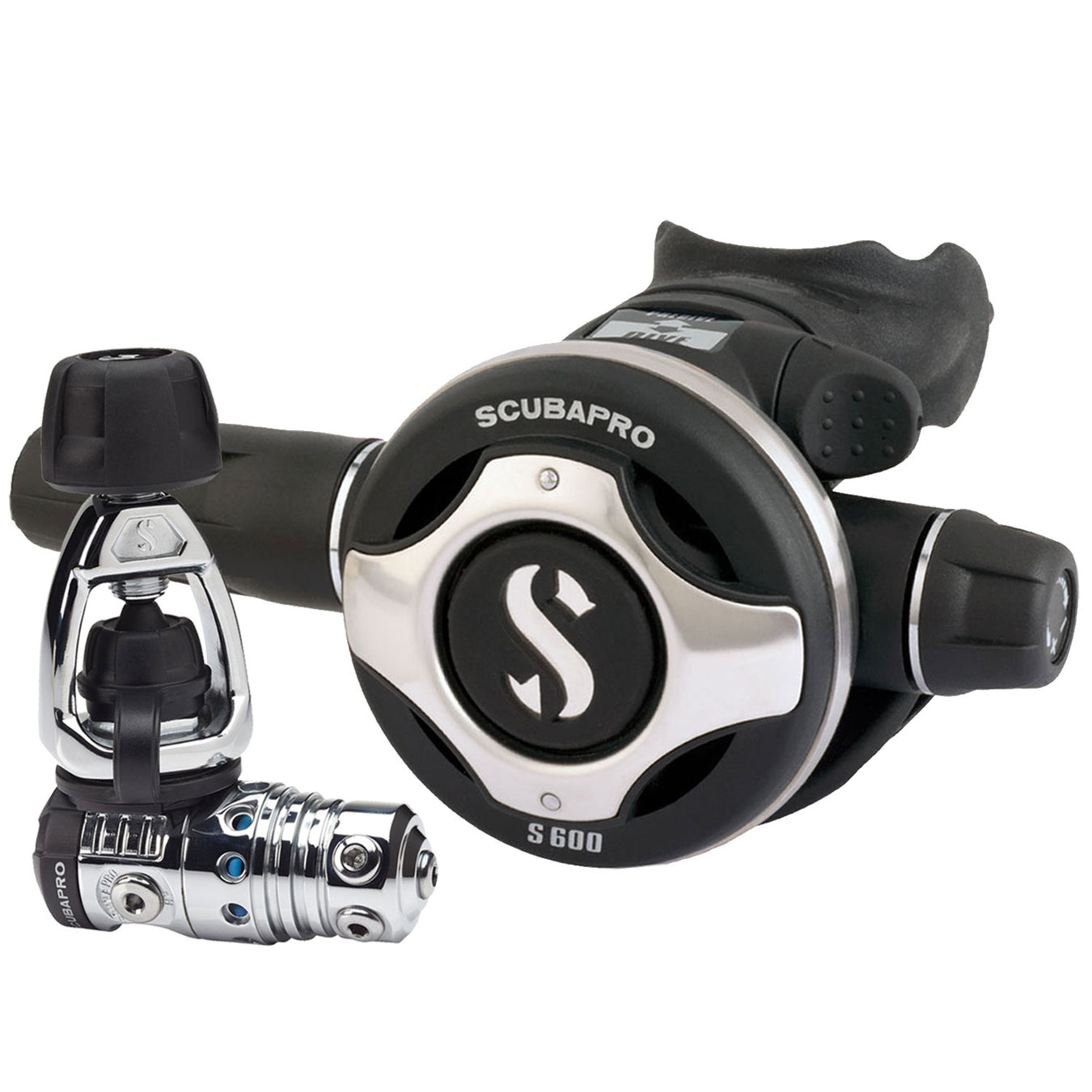
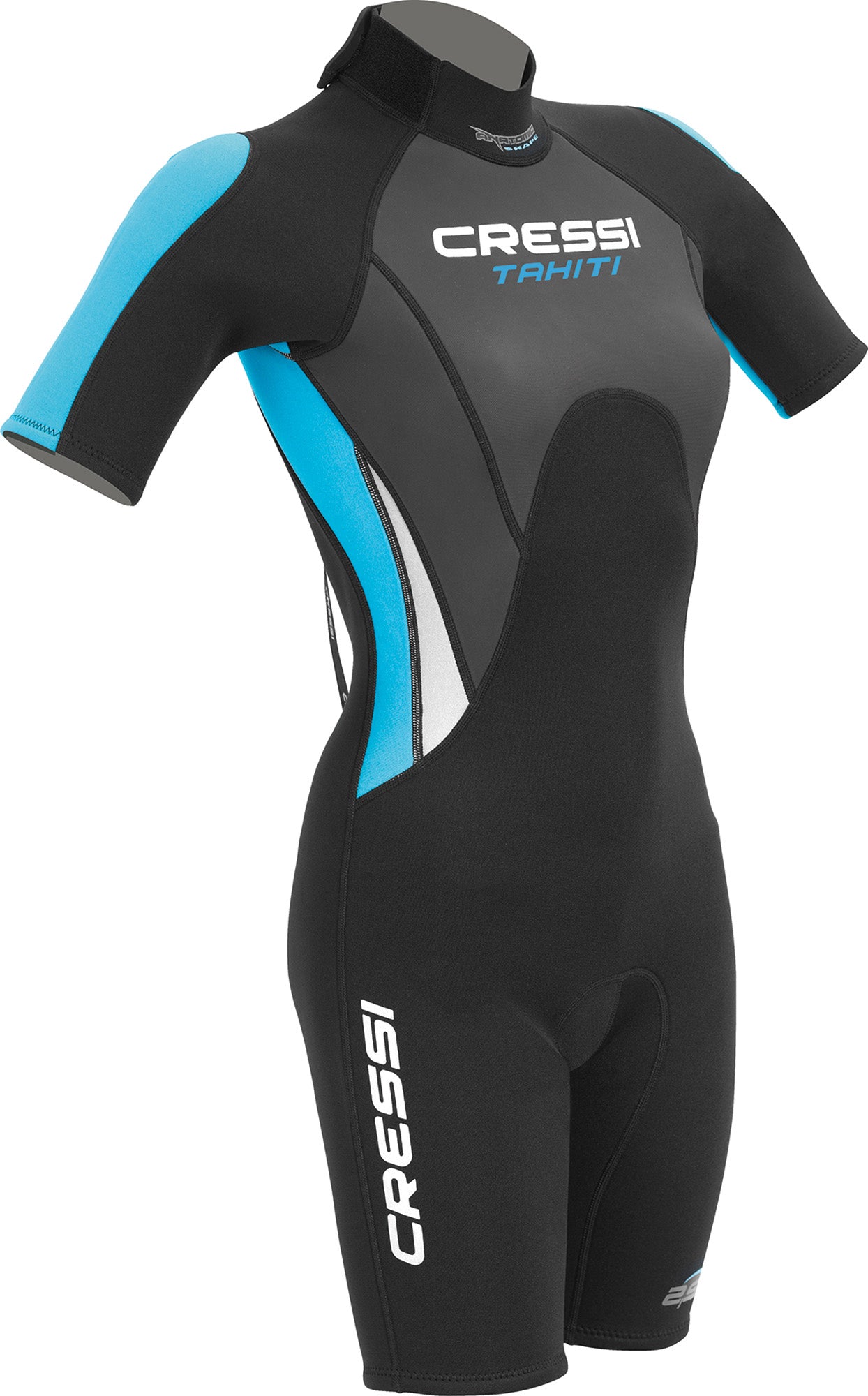
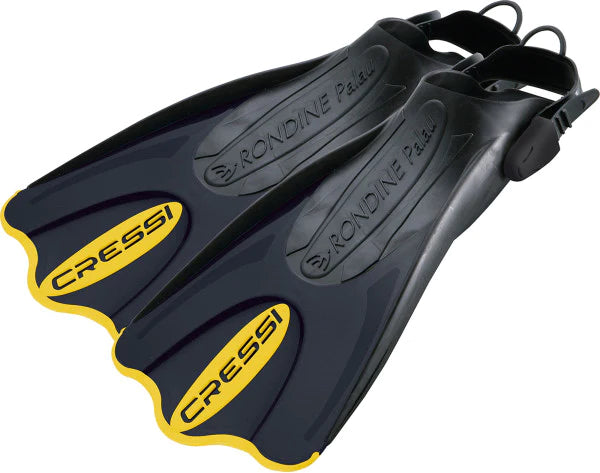
Embarking on a lionfish spearfishing adventure requires careful preparation. Divers must be equipped with the right gear, including a specialized lionfish spear, protective gloves to handle the venomous spines, and a containment unit for safely storing caught lionfish. Knowledge of local regulations and spearfishing techniques is also crucial to ensure a safe and successful hunt.
Training and education play a significant role in preparing spearfishers. Many dive shops and conservation organizations offer courses on lionfish hunting, covering everything from spearfishing basics to handling and filleting lionfish. This education not only enhances the diving experience but also reinforces the importance of safety and conservation awareness.
The moment a diver descends with a spear in hand, the hunt becomes an immersive experience. Navigating through coral reefs, spearfishers must be alert and patient, ready to strike when a lionfish reveals itself. The challenge of hunting these elusive predators is matched by the beauty of the underwater landscape, creating a dynamic environment where every dive is unique.
For many, the thrill of lionfish spearfishing lies in the combination of adventure and purpose. Each dive is an opportunity to contribute to the health of the ocean, turning the act of spearfishing into a meaningful pursuit. The sense of camaraderie among spearfishers, united in their mission to protect marine ecosystems, adds another layer of fulfillment to the experience.
Lionfish spearfishing is more than just an individual endeavor; it is a movement that brings together divers, conservationists, and communities in a shared mission to protect the ocean. Through collective action, the impact of these efforts is magnified, creating a powerful force for change in the fight against invasive species.
The removal of lionfish through spearfishing has proven to be an effective strategy in managing their populations and mitigating their impact on native marine life. Conservation groups and research institutions have documented significant improvements in reef health and biodiversity in areas where regular lionfish derbies and removal efforts take place. These successes underscore the importance of continued engagement and support for lionfish management initiatives.
Moreover, the rise of lionfish spearfishing has sparked a greater awareness of invasive species and the importance of marine conservation. It serves as a reminder of the interconnectedness of our ecosystems and the role each individual can play in preserving the natural world.
The fight against lionfish has fostered a unique community of divers, scientists, and environmental advocates. Through workshops, spearfishing tournaments, and educational campaigns, this community has grown in strength and numbers, united by a common goal. The spirit of collaboration and shared purpose has not only advanced the cause of lionfish removal but has also inspired a broader movement towards ocean conservation.
As this community continues to expand, the message of conservation spreads further, drawing more people into the fold. The collective efforts of lionfish spearfishers serve as a beacon of hope for the future of our oceans, demonstrating the power of passion and perseverance in the face of environmental challenges.
One crucial aspect of effective lionfish spearfishing initiatives is the collection and analysis of data. By documenting the number of lionfish removed, their sizes, locations, and other relevant information, researchers can gain valuable insights into population dynamics and behavior. This data-driven approach not only helps in assessing the impact of removal efforts but also informs future strategies for managing lionfish populations.
Advancements in technology have revolutionized the way data is collected during lionfish spearfishing expeditions. Divers now have access to underwater drones equipped with cameras to survey lionfish populations in hard-to-reach areas. These drones provide real-time footage, allowing researchers to monitor lionfish behavior and distribution patterns with greater accuracy.
Furthermore, the use of GPS tagging devices on speared lionfish enables scientists to track their movements post-capture. This information is invaluable in understanding the dispersal of lionfish within marine environments and identifying high-traffic areas for targeted removal efforts. By combining traditional spearfishing techniques with cutting-edge technology, conservationists can optimize their strategies for combating the lionfish invasion.
Effective lionfish management extends beyond spearfishing expeditions; it requires the active involvement of local communities. By engaging fishermen, coastal residents, and businesses in the removal and consumption of lionfish, conservationists can create a sustainable solution to the invasive species problem. Educating the public about the ecological impact of lionfish and promoting their culinary value can help foster a culture of responsible lionfish harvesting.
Incentivizing the removal of lionfish through economic means has proven to be a successful strategy in some regions. By establishing markets for lionfish meat and encouraging restaurants to include lionfish dishes on their menus, communities can turn the act of lionfish hunting into a profitable venture. This not only provides economic benefits to local fishermen but also reduces the pressure on native fish populations, creating a win-win situation for both conservation and livelihoods.
Moreover, eco-tourism initiatives centered around lionfish spearfishing can attract visitors to coastal areas, generating revenue for local businesses and raising awareness about marine conservation. By tapping into the economic potential of lionfish removal, communities can transform a conservation challenge into an opportunity for sustainable growth.
Central to the success of lionfish management efforts is the dissemination of knowledge and awareness about the invasive species. Educational programs targeting schools, dive centers, and community groups play a vital role in empowering individuals to take action against the lionfish invasion. By teaching proper handling techniques, ecological impacts, and safe spearfishing practices, these initiatives equip participants with the tools to become effective stewards of the marine environment.
Interactive workshops and training sessions offer a hands-on approach to learning about lionfish and their impact on marine ecosystems. Participants have the opportunity to practice spearfishing techniques, handle lionfish specimens, and engage in discussions about conservation strategies. These immersive experiences not only educate individuals about the importance of lionfish removal but also foster a sense of responsibility towards protecting the ocean.
Furthermore, outreach programs that involve citizen science initiatives encourage the public to contribute data on lionfish sightings and removal efforts. By involving local communities in monitoring and reporting lionfish populations, conservationists can expand their reach and gather valuable information for conservation planning.
Lionfish spearfishing represents a unique convergence of adventure, skill, and environmental stewardship. It is a testament to the human spirit's capacity to confront challenges with determination and creativity. As we dive into the depths, spear in hand, we are reminded of our responsibility to protect the fragile beauty of our marine ecosystems. Through each lionfish removed, we are not just spearfishers; we are guardians of the ocean, champions of a cause that transcends the thrill of the hunt and touches the very essence of conservation.
In the grand tapestry of marine conservation, lionfish spearfishing is a vibrant thread, weaving together stories of adventure, resilience, and hope. It is a call to action for all who cherish the ocean and its inhabitants, an invitation to join the ranks of those who dive not just for the thrill, but for the future of our blue planet.
Ready to transform your passion for the ocean into action? Lancaster Scuba is your gateway to the underwater world, where you can gear up, dive in, and travel to the front lines of marine conservation. Embrace the role of an ocean guardian with our top-notch scuba and water sports equipment, and sharpen your skills with our PADI-certified spearfishing courses. Whether you're a beginner or a seasoned spearfisher, we have everything you need to join the battle against the invasive lionfish. Check out our scuba gear and embark on your next underwater adventure with confidence.


{"one"=>"Select 2 or 3 items to compare", "other"=>"{{ count }} of 3 items selected"}