

Exploring the Depths: Spearfishing in San Diego
Dive into the exhilarating world of spearfishing in San Diego! Discover the best spots, techniques, and gear for an unforgettable underwater adventure.
Read now
In the heart of the Colorado outdoor adventure scene, there's an activity that combines the thrill of hunting with the beauty of underwater exploration—spearfishing. Unlike any other form of fishing, spearfishing is an immersive experience that requires skill, patience, and a deep respect for the aquatic environment. This article embarks on a journey to uncover the essence of spearfishing in Colorado, from the serene lakes that dot the landscape to the passionate community that surrounds it.
Spearfishing in Colorado might not be the first thing that comes to mind when thinking of the Rocky Mountain state, known for its skiing and hiking trails. However, beneath the surface of its numerous lakes and reservoirs, an underwater adventure awaits. Spearfishing in Colorado is not just about the catch; it's about the experience, the connection with nature, and the challenge it presents.
Spearfishing is an ancient method of fishing that has been modernized with the use of spearguns and slings. It is a selective form of fishing, allowing the spearfisher to choose their target, reducing bycatch and promoting sustainable fishing practices. In Colorado, spearfishing is both a recreational activity and a way to manage fish populations, contributing to the ecological balance of its water bodies.
Participants often describe spearfishing as an underwater hunt that requires stealth, precision, and a deep understanding of the aquatic environment. It's a sport that challenges individuals to become better divers, to learn about the behavior of fish, and to respect the underwater world.
Colorado offers a variety of freshwater environments suitable for spearfishing, from the vast Blue Mesa Reservoir to the mountainous Lake Granby. Each location has its unique characteristics and challenges, providing a diverse range of experiences for spearfishers of all levels.
The Blue Mesa Reservoir, Colorado's largest body of water, is renowned for its clear waters and abundant fish populations, including Kokanee Salmon and Lake Trout. Lake Granby, on the other hand, offers a rugged mountainous backdrop and is known for its trophy-sized Mackinaw. These locations, among others, provide ample opportunities for adventure and the pursuit of the catch.
The spearfishing community in Colorado is a tight-knit group of enthusiasts who share a passion for the sport and the outdoors. This community is built on a foundation of respect—for each other, for the sport, and for the aquatic environment.
For many, spearfishing is more than just a hobby; it's a way to connect with like-minded individuals and to share in the thrill of the hunt. Colorado's spearfishing community is welcoming to newcomers, offering advice, sharing stories, and sometimes even organizing group dives. It's this sense of camaraderie that makes spearfishing in Colorado a unique and enriching experience.
Local dive shops and clubs play a crucial role in fostering this community, providing resources, education, and events that bring spearfishers together. They offer courses on spearfishing techniques, safety, and conservation, ensuring that the sport continues to grow in a responsible and sustainable manner.
Conservation is a cornerstone of the spearfishing community in Colorado. Spearfishers understand the importance of maintaining healthy fish populations and aquatic ecosystems. By targeting invasive species and practicing selective fishing, they contribute to the ecological balance of Colorado's water bodies.
The community also engages in clean-up dives and environmental advocacy, further demonstrating their commitment to conservation. These efforts not only benefit the aquatic environment but also ensure that future generations can enjoy the beauty and thrill of spearfishing in Colorado.
Safety is paramount in spearfishing, a sport that combines the challenges of diving with the added complexity of hunting. Education plays a critical role in ensuring that spearfishers are equipped with the knowledge and skills to dive safely and responsibly.
Proper training is essential for anyone looking to take up spearfishing. Courses on freediving and spearfishing techniques not only improve a diver's efficiency and effectiveness but also emphasize the importance of safety measures, such as diving with a buddy and knowing one's limits.
Colorado's dive shops and spearfishing clubs offer a range of courses designed to prepare individuals for the challenges of spearfishing. These courses cover everything from breath-hold techniques to fish identification, ensuring that divers are well-informed and confident in their abilities.
Adhering to safety practices is crucial in spearfishing. This includes checking equipment before each dive, being aware of one's surroundings, and respecting weather and water conditions. Spearfishers must also be mindful of local regulations and restrictions, which are in place to protect both the diver and the aquatic environment.
By prioritizing safety and education, the spearfishing community in Colorado not only ensures the well-being of its members but also promotes a culture of responsibility and respect. This approach to the sport is what makes spearfishing in Colorado a rewarding and sustainable adventure.
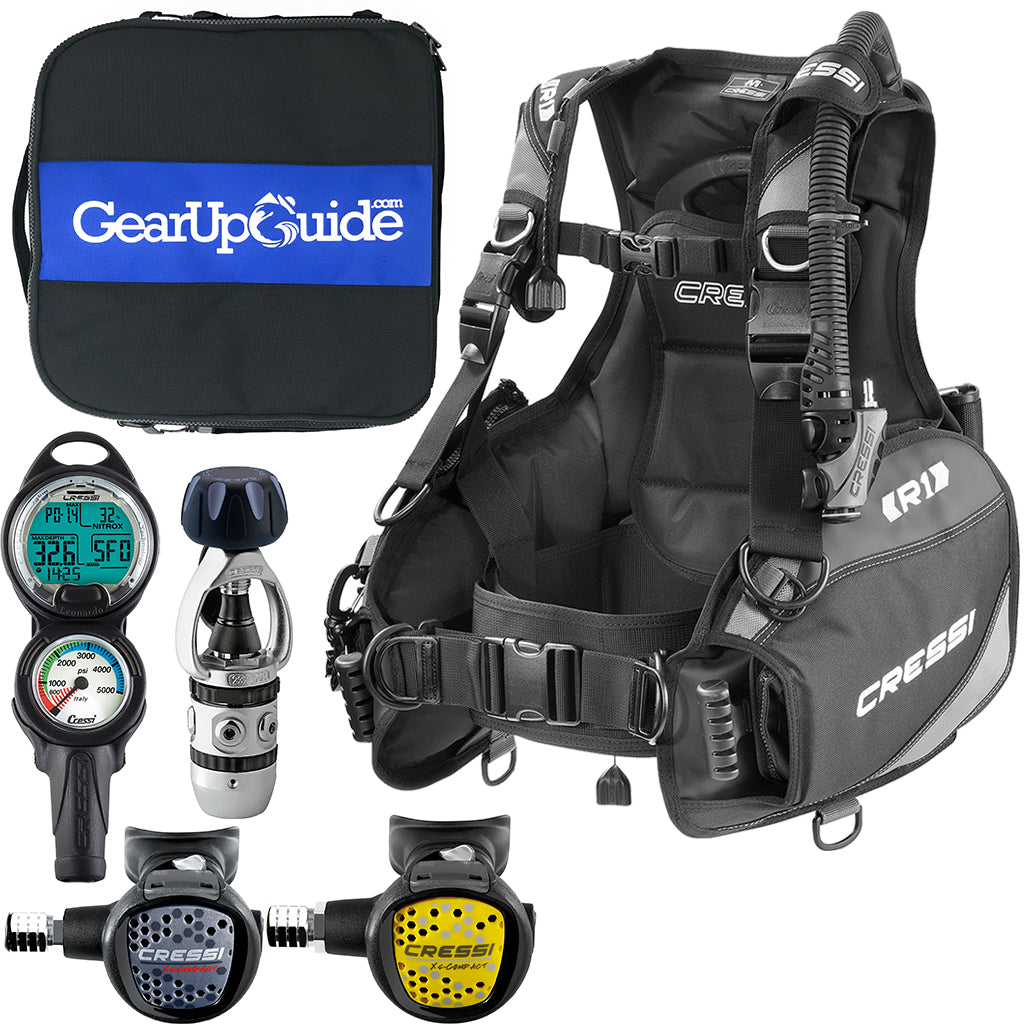
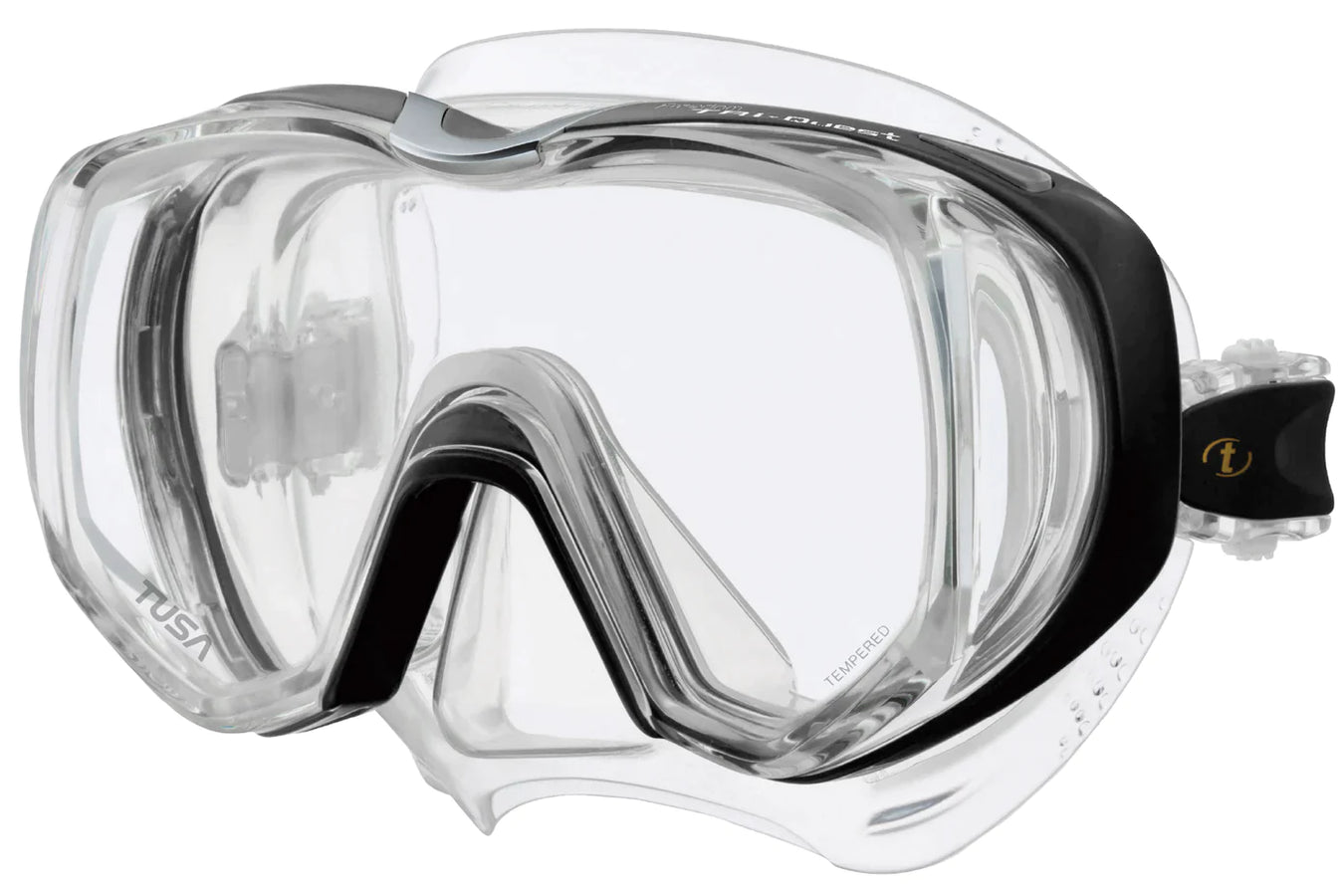
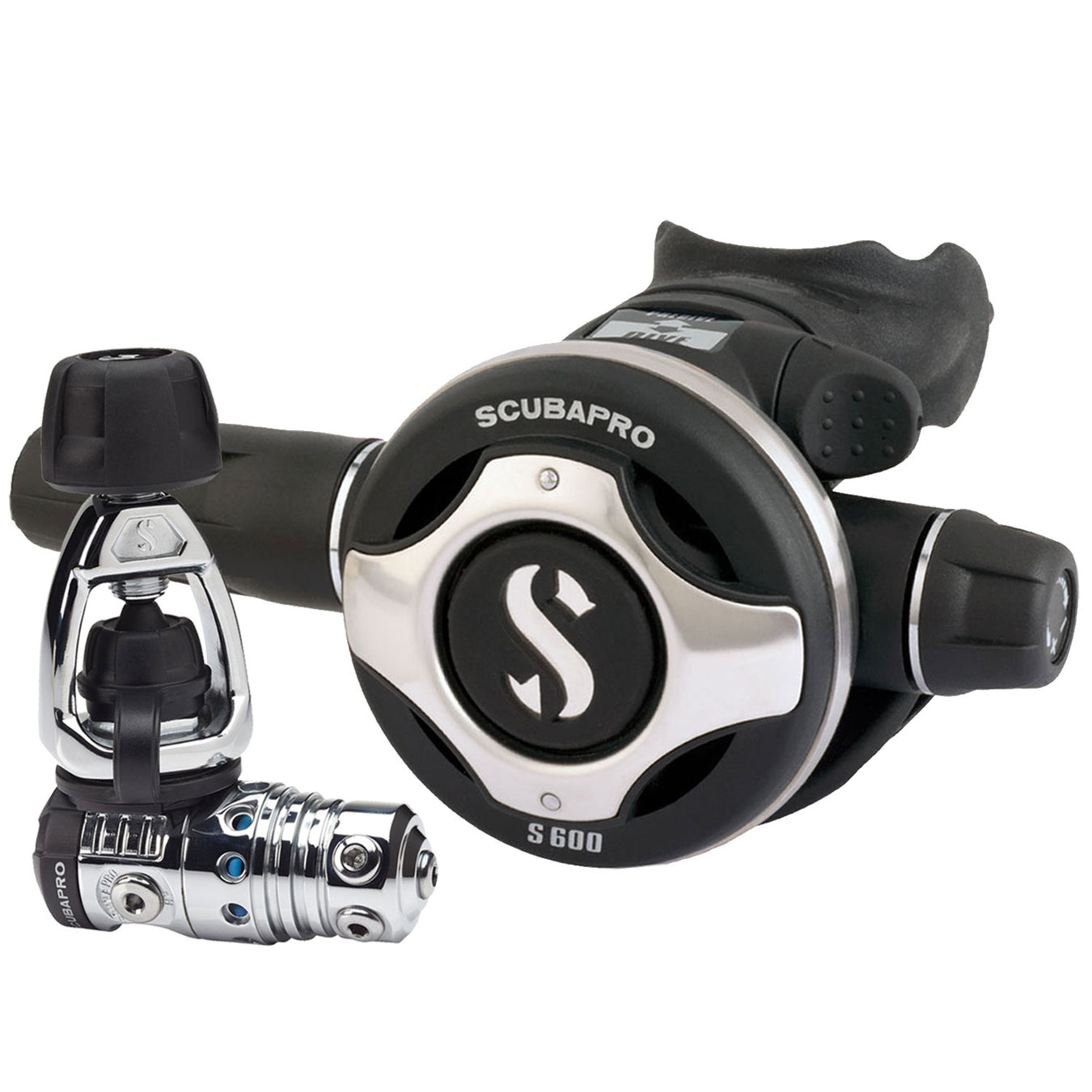
When it comes to spearfishing, having the right equipment is essential for a successful and safe dive. Spearfishers rely on specialized gear to navigate the underwater world and to target their catch with precision.
One of the key pieces of equipment for spearfishing is the speargun. Spearguns come in various sizes and styles, each suited for different types of fish and diving conditions. From pneumatic spearguns to band-powered ones, choosing the right speargun is crucial for a successful dive.
In addition to the speargun, spearfishers use a variety of accessories such as dive knives, dive lights, and float lines. Dive knives are essential for safety, allowing divers to cut themselves free from entanglements, while dive lights illuminate the underwater world, revealing hidden treasures and fish. Float lines help spearfishers to track their catch and prevent fish from escaping into the depths.
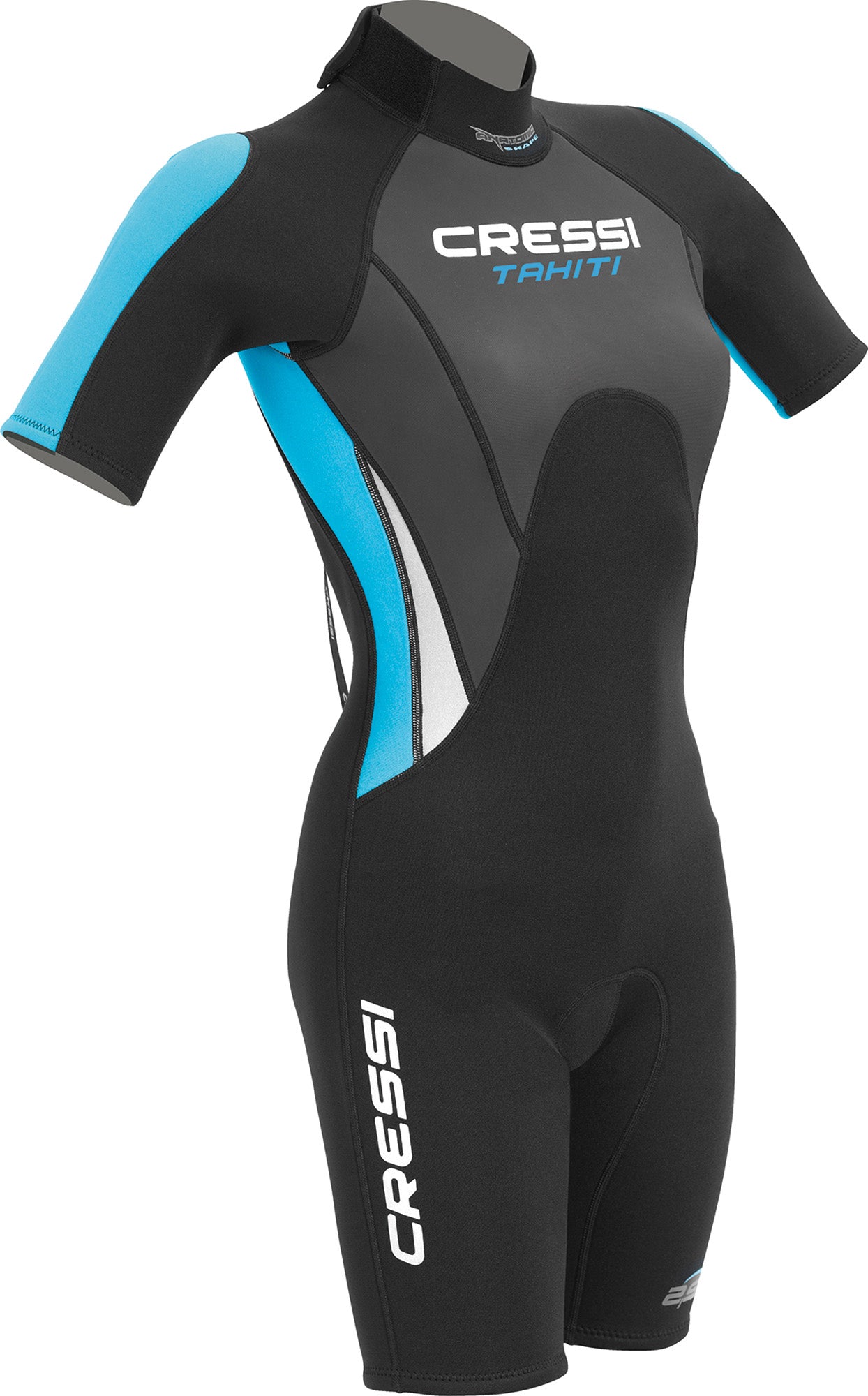
Wetsuits and weight belts are also vital pieces of equipment for spearfishing. Wetsuits provide insulation and protection from the cold waters, allowing divers to stay comfortable during extended dives. Weight belts help divers achieve neutral buoyancy, enabling them to descend and ascend effortlessly in the water column.
When selecting equipment for spearfishing, it's important to consider factors such as water visibility, target fish species, and personal diving preferences. Experienced spearfishers often have a collection of gear suited for different diving conditions, allowing them to adapt to various environments and challenges.
Investing in high-quality equipment and maintaining it properly is essential for a safe and enjoyable spearfishing experience. Regularly inspecting gear for wear and tear, rinsing equipment after dives, and storing it properly can extend the life of your gear and ensure that it performs optimally when you're out on the water.
Mastering the art of spearfishing requires not only the right equipment but also a set of techniques and strategies to outsmart your underwater prey. From breath-hold diving to stalking your target, each aspect of spearfishing plays a crucial role in a successful dive.
One of the fundamental skills in spearfishing is breath-hold diving. Spearfishers train to improve their breath-holding capacity, allowing them to stay submerged for extended periods and to approach fish stealthily. Controlled breathing techniques and relaxation exercises help divers conserve oxygen and dive deeper into the underwater world.
Stalking and approaching fish silently is another key technique in spearfishing. Understanding fish behavior, movement patterns, and habitat preferences can give spearfishers an edge in targeting their catch. By blending into the underwater environment and moving with precision, divers increase their chances of a successful hunt.
Shot placement is critical in spearfishing, as a well-aimed shot ensures a clean and humane kill. Spearfishers aim for the vital organs of the fish, such as the brain or the spine, to minimize suffering and to secure their catch effectively. Precision and accuracy are honed through practice and experience, allowing divers to make ethical kills and to harvest fish responsibly.
Flexibility and adaptability are essential traits for spearfishers, as diving conditions can vary greatly depending on the location and time of year. Spearfishers must be prepared to adjust their techniques and strategies to suit changing water temperatures, currents, and visibility.
When diving in murky waters with limited visibility, spearfishers rely on their other senses, such as touch and hearing, to locate fish. Tactile feedback from the spear gun and listening for fish movements can guide divers in targeting their catch effectively. Patience and persistence are key in challenging diving conditions, as spearfishers wait for the right moment to take their shot.
Adapting to different depths and bottom compositions is also crucial in spearfishing. Some fish species prefer deeper waters, while others inhabit rocky reefs or sandy bottoms. Understanding the underwater topography and adjusting your diving approach accordingly can lead to successful dives and rewarding catches.
As stewards of the underwater world, spearfishers have a responsibility to protect and preserve the marine environment for future generations. Environmental awareness is a core value in spearfishing, guiding divers to make informed decisions that minimize their impact on aquatic ecosystems.
One of the key principles of environmental awareness in spearfishing is selective fishing. By targeting specific species and sizes of fish, spearfishers help maintain balanced fish populations and prevent overfishing. Selective fishing practices promote sustainability and ensure that fish stocks remain healthy and abundant.
Respecting marine habitats and minimizing disturbances to underwater ecosystems are essential aspects of environmental awareness in spearfishing. Spearfishers avoid damaging coral reefs, seagrass beds, and other sensitive habitats by practicing buoyancy control and avoiding contact with the seabed. By treading lightly in the underwater world, divers can enjoy their sport while preserving the beauty and diversity of marine life.
Participating in marine conservation initiatives and supporting marine protected areas are ways in which spearfishers can contribute to environmental awareness. By volunteering for beach clean-ups, participating in reef restoration projects, and advocating for sustainable fishing practices, spearfishers demonstrate their commitment to protecting the oceans and marine life.
Education plays a vital role in promoting environmental awareness among spearfishers. By learning about marine ecosystems, fish biology, and conservation principles, divers can make informed decisions that benefit the environment. Dive shops and conservation organizations offer courses and workshops on marine conservation, empowering spearfishers to become advocates for the oceans.
Outreach and community engagement are also effective tools for raising awareness about environmental issues in spearfishing. Spearfishers can share their knowledge and experiences with others, inspiring fellow divers to adopt sustainable practices and to protect the marine environment. By fostering a culture of environmental stewardship within the spearfishing community, divers can make a positive impact on the health of the oceans.
Embarking on a spearfishing adventure in Colorado is more than just a recreational pursuit—it's a journey of self-discovery, connection with nature, and camaraderie with like-minded individuals. From the thrill of the hunt to the serenity of the underwater world, spearfishing offers a unique blend of excitement and tranquility that captivates divers of all levels.
By embracing the values of respect, conservation, safety, and education, spearfishers in Colorado uphold the traditions of the sport while paving the way for a sustainable future. Through their passion for adventure and their dedication to the marine environment, spearfishers leave a lasting legacy that ensures the beauty and bounty of Colorado's waters for generations to come.
Ready to take the plunge and experience the exhilaration of spearfishing in Colorado's pristine waters? Lancaster Scuba is your gateway to underwater adventure. With top-notch gear, expert diving instruction, and thrilling travel opportunities, we have everything you need to embark on your spearfishing journey. Check out our scuba gear and join a community passionate about diving, conservation, and the spirit of exploration. Gear up, dive in, and let the adventure begin with Lancaster Scuba.


{"one"=>"Select 2 or 3 items to compare", "other"=>"{{ count }} of 3 items selected"}